Bucktown (1975)
Starring Fred Williamson, Pam Grier, Thalmus Rasulala, Bernie Hamilton, Carl Weathers and Tony King. Directed by Arthur Marks. From American International Pictures.
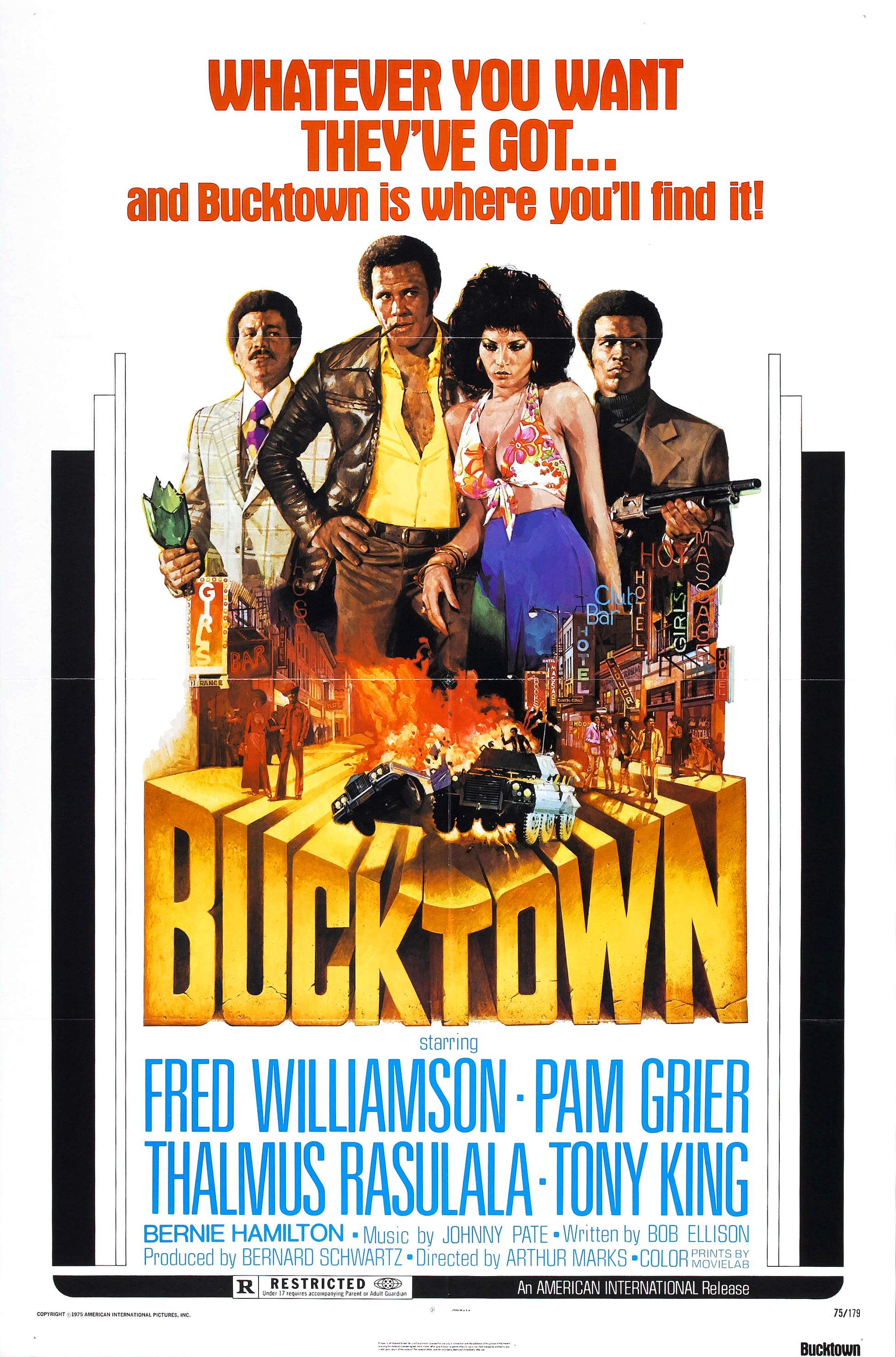
Cool Duke Johnson (Williamson) leaves the big city and heads to rural Bucktown. His brother has died and Duke is in town to settle his estate. At the graveyard, he meets his brother’s friends. Obsequious Harley (Hamilton) tries to ingratiate himself with Duke in the hopes that Duke will stay in town. But pretty Aretha (Grier) ain’t having it. Where was Duke, she wonders aloud, when brother Ben was struggling to keep his bar open? Duke just wants to sell off his brother’s things and get back to the city.
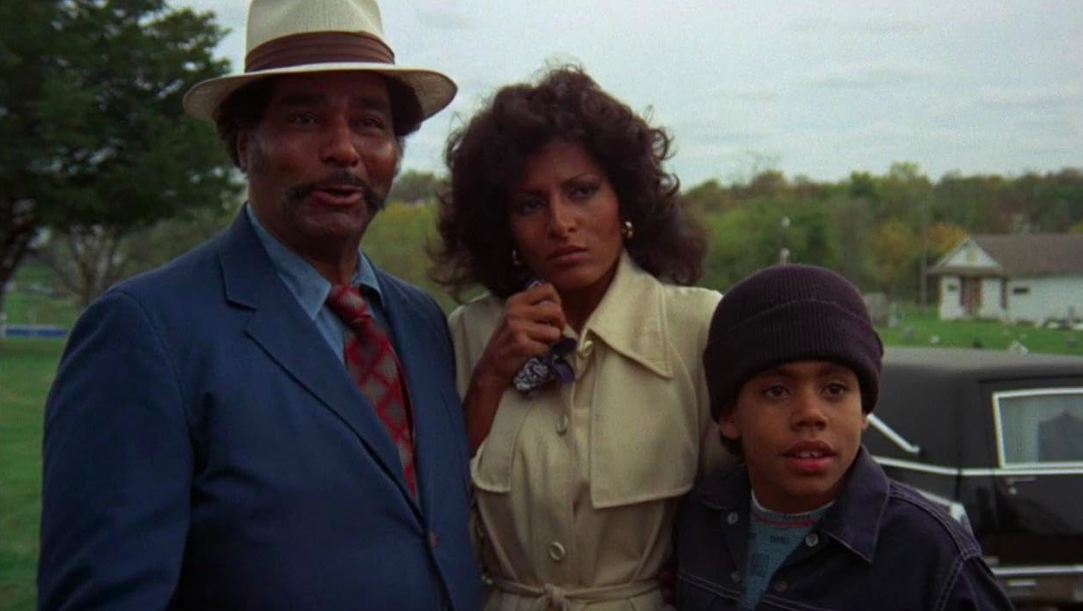
But then he gets pushed around. The crackers who run the town start hassling Duke and extorting money from him. When they put Harley in the hospital and trash the bar he has inherited, Duke calls his buds from the city. Enter Roy (Rasulala), T.J. (King), Hambone (Weathers) and others. Systematically, Duke and his crew eliminate – one way or another – the sheriff and his cronies. Duke is happy to be rid of “The Man”, those who had corrupted his brother’s town, and he decides to settle in Bucktown.

Trouble is, Roy realizes there is a power vacuum in Bucktown now and he sees there is a fortune to be made. He decides to take over from the old sheriff and welcomes Duke to join him and the city boys. Duke is not happy, though and wants Roy to leave the citizenry alone. The two begin to clash until things are brought to a head by T.J.’s devious maneuvers.
I was thrilled to discover Bucktown with its excellent cast lead by The Hammer himself, Fred Williamson. Throw in Pam Grier and Thalmus Rasulala and also a young Carl Weathers and new discovery (for me) Tony King and a location shoot and we have a beauty. Our script comes from Bob Ellison. A writer of TV musical programs and specials like The Dean Martin Show, An Evening With Burt Bacharach (1970) and Bing Crosby and His Friends (1972). His script for Bucktown is his only feature film credit. He wrapped and capped his career by creating and penning all 90 episodes of the Judd Hirsch show, Dear John between 1988 and 1992.
Director Arthur Marks (1927-2019) came from a long line of Hollywood-types; his grandparents acted in silent films and his dad worked for MGM during the golden era. Arthur graduated from assistant director to director and producer of the outstanding Perry Mason television series. In the early Seventies, he made the move to features and achieved cult status as director of Detroit 9000 (1973), a film that has since received the Tarantino Stamp. After directing our film he was back behind the camera for the excellent Pam Grier vehicle Friday Foster (1975) before slipping a bit with The Monkey Hu$tle the following year. He then returned to TV for a handful of directing jobs before packing it in.
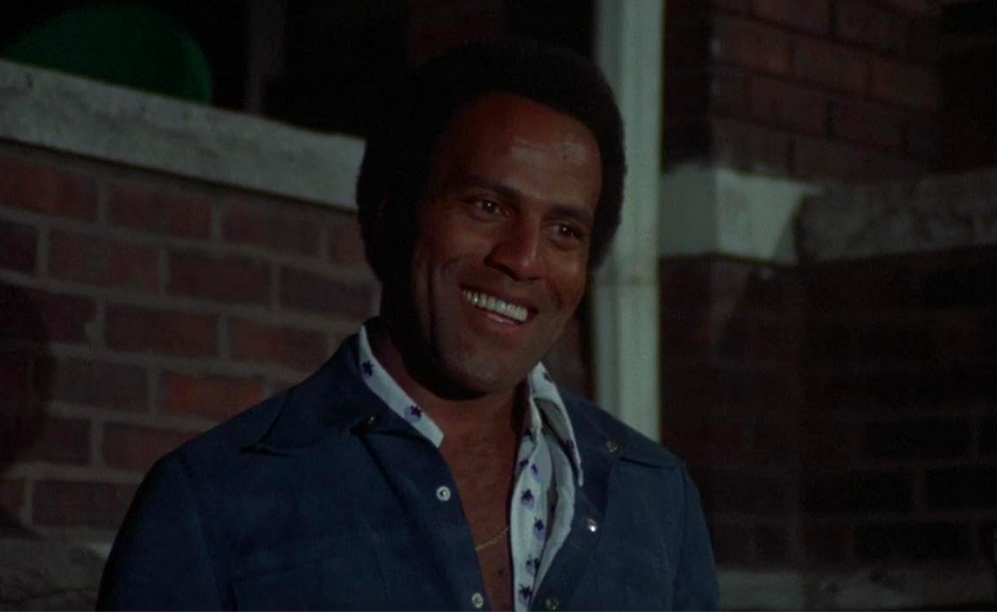
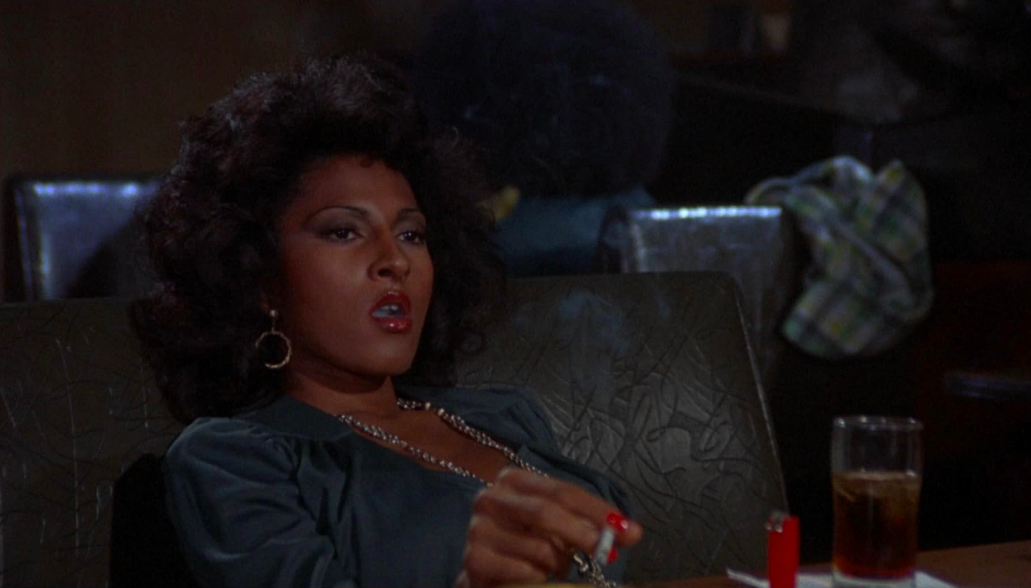
If you’ve spent any time here at Vintage Leisure, then you’ll know that I’ve already hipped you to my man, Fred Williamson. If you’re new here, enter his name in the Search field to get the lowdown. Ditto with Pam Grier. I included her in Part Two of my series on blaxploitation which you can check out here.
Thalmus Rasulala; now, there’s a name. Born in Miami as Jack Crowder, Rasulala exuded class and has some crazy-good credits – big and small screen – to his name. Dig – on TV, Adventures in Paradise, Perry Mason, The Twilight Zone, All in the Family, Mission: Impossible, Sanford and Son, Mannix, The Jeffersons, Kojak, Star Trek: The Next Generation, General Hospital… and in movies, Blacula, Willie Dynamite, Mr. Ricco (with Dino) and after Bucktown, Friday Foster, Above the Law, New Jack City and others. Thalmus was only 56 when he died in 1991.
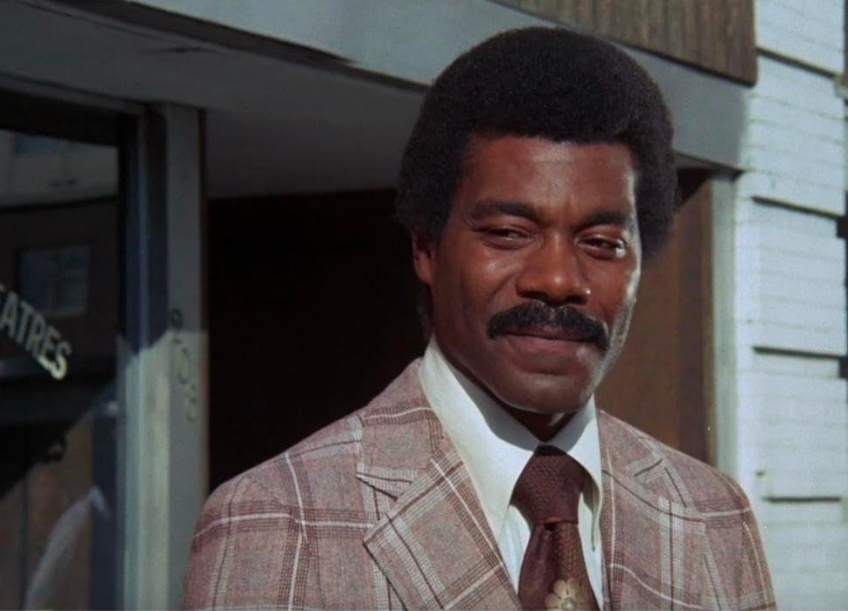
We all know Bernie Hamilton (1928-2008) from his time spent playing constantly exasperated Capt. Dobey on Starsky & Hutch. But I was today years old when I learned that Bernie was also an impresario, a club owner, a record producer and a recording artist. In 1981, he released Capt. Dobey Blows His Cover, a collection of seven songs all written by Hamilton and released on his own Inculcation Records label. Carl Weathers (b. 1948) is known to the world as Apollo Creed. Born in N’Awlins, Carl played pro ball with the Oakland Raiders (8 games in ’70-’71) and here in Canada where he featured in 18 games in 3 years for the B.C. Lions of the CFL before retiring and turning to acting. Cool Carl Weathers has actually shown up in some pretty good films, getting his start as an extra in Clint’s Magnum Force (1973) before making two good “urban action movies” in ’75, Friday Foster and Bucktown. Next in 1976 he began his run as Creed in Stallone’s Rocky universe and the next year he could be seen in Spielberg’s Close Encounters of the Third Kind adding Semi-Tough and Force 10 from Navarone in the ensuing years. He shines in the excellent Death Hunt (1983) and Predator (1987) and took a star turn in 1988’s Action Jackson. He gained much visibility playing Happy Gilmore‘s mentor in that 1996 golf comedy.
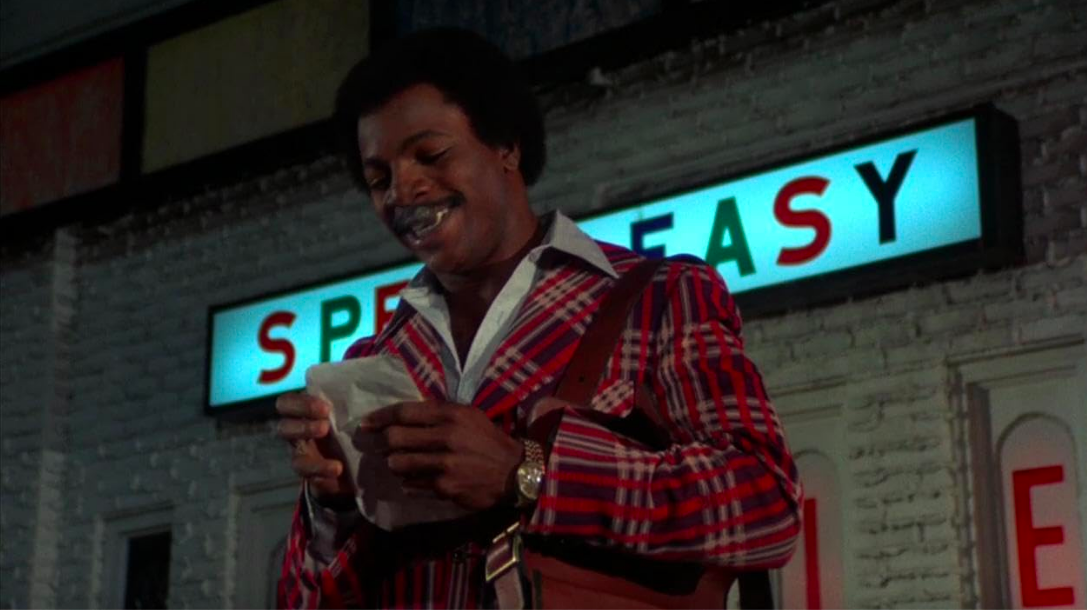
And finally dig Canton, Ohio’s handsome Tony King as T.J. King is another football player who spent the 1967 season with the Buffalo Bills. He then took up acting and he shows up in some interesting films; Shaft, The Godfather – I’ve read he’s the only black actor seen in that film – The King of Marvin Gardens with Nicholson, Hell Up in Harlem and The Big Score, both Fred Williamson films and Burt Reynolds’ excellent neo-noir Sharky’s Machine. King’s only TV work was as a regular on a series created by Carroll O’Connor and starring Jack Palance, Bronk (1975-76). In the 80s, Tony turned to Islam becoming Malik Farrakhan and he is as of this writing head of security for Public Enemy. He is the subject of a football documentary called The Long Road to the Hall of Fame. He and his brother, Charlie, were “the first African-American siblings to play in the AFL on the same team at the same time”.
Like many films of its ilk, Bucktown has a great down home look. This comes from being filmed on location on the streets and in the dives of Kansas City and Platte City, Missouri. But what really makes it stand out is the major pivot that comes midway through the story.
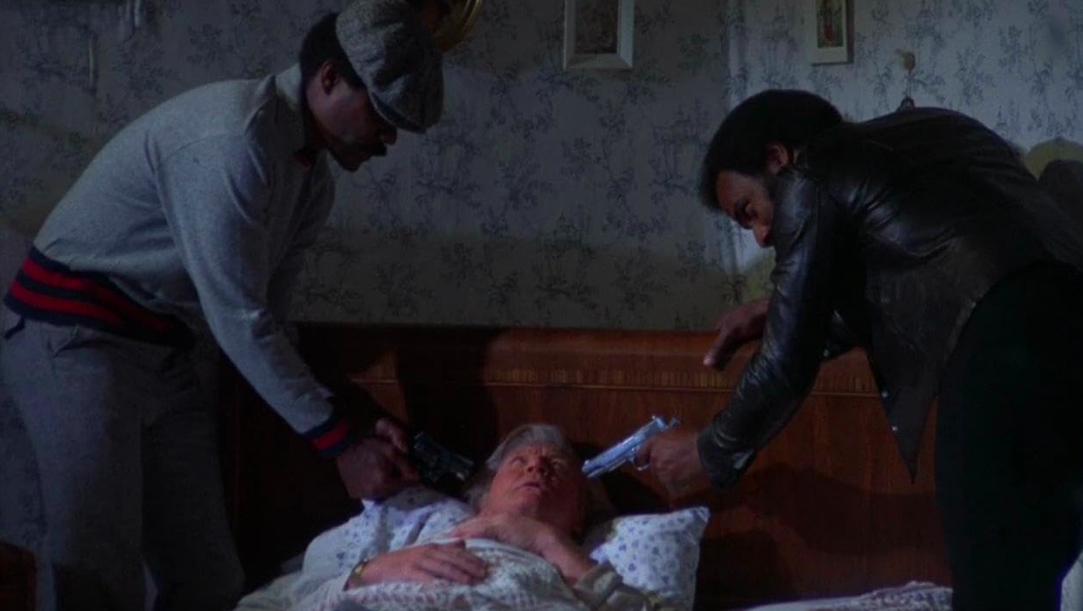
The film starts out like many others – strong black man comes up against bigoted white authority figures. With the help of his friends, black man vanquishes the white devil. Audiences of both colours can enjoy the rotten sheriff and his idiot minions getting what’s coming to them. Then you look and the movie’s only half over. Duke – the strong black man – then has his friends turn on him and become just as corrupt and criminal as the whites were. A lot of these films allow audiences to enjoy a sort of African American revenge but in Bucktown we see that avarice and abuse of power is not solely the domain of any one race. Seems like this film makes a point by which I have always tried to live; doesn’t matter what colour you are, you’re either a good person or you’re not. Those in the audience who were looking a bit deeper may have found this a sad commentary on human nature and they may have noticed that this was no ordinary piece of “soul cinema”. This wasn’t only about heroic blacks – this was a more honest look at human frailties and the tendencies of people – regardless of race – to exert power and subjugate others. This story element certainly makes Bucktown stand out from other blaxploitation films.
But neither the script nor the film really emphasizes this. This movie’s main aim is to entertain and it definitely achieves that goal.
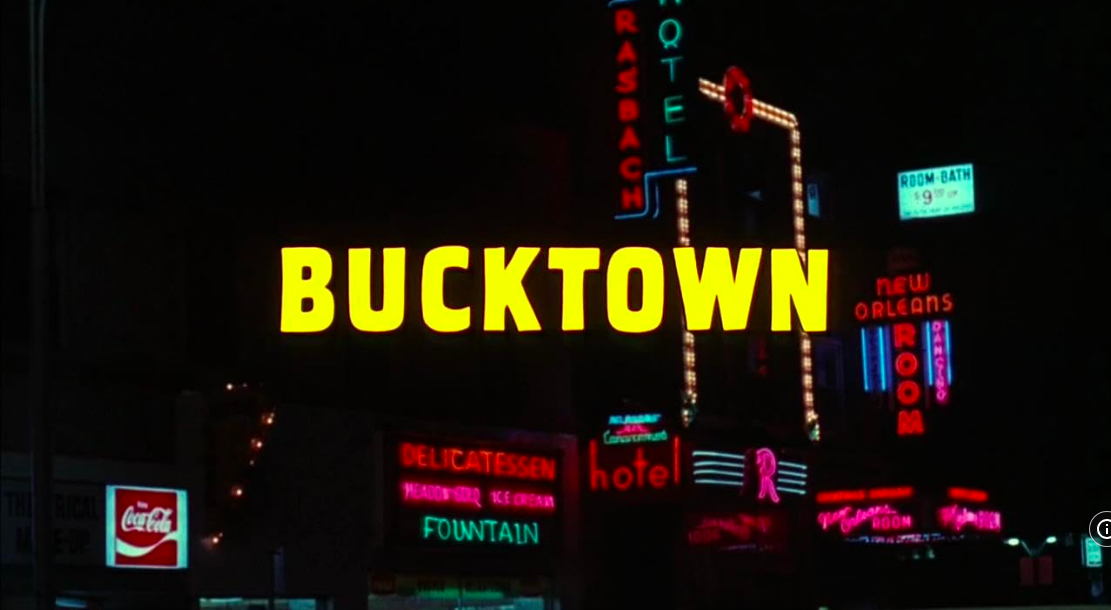
“Things are gettin’ better in Bucktown…”
 SoulRide