Big Wednesday (1978)
Jan-Michael Vincent, William Katt, Gary Busey, Lee Purcell, Patti D’Arbanville, Sam Melville, Darrell Fetty, Barbara Hale, Fran Ryan, Johnny Fain, Robert Englund, Reb Brown, Joe Spinell, Gerry Lopez, Hark Worden, Steve Kanaly, Charlene Tilton, Dennis Aaberg, Michael Talbott, Frank McRae and Celia Milius
Director – John Milius
From A-Team Productions/Warner Bros
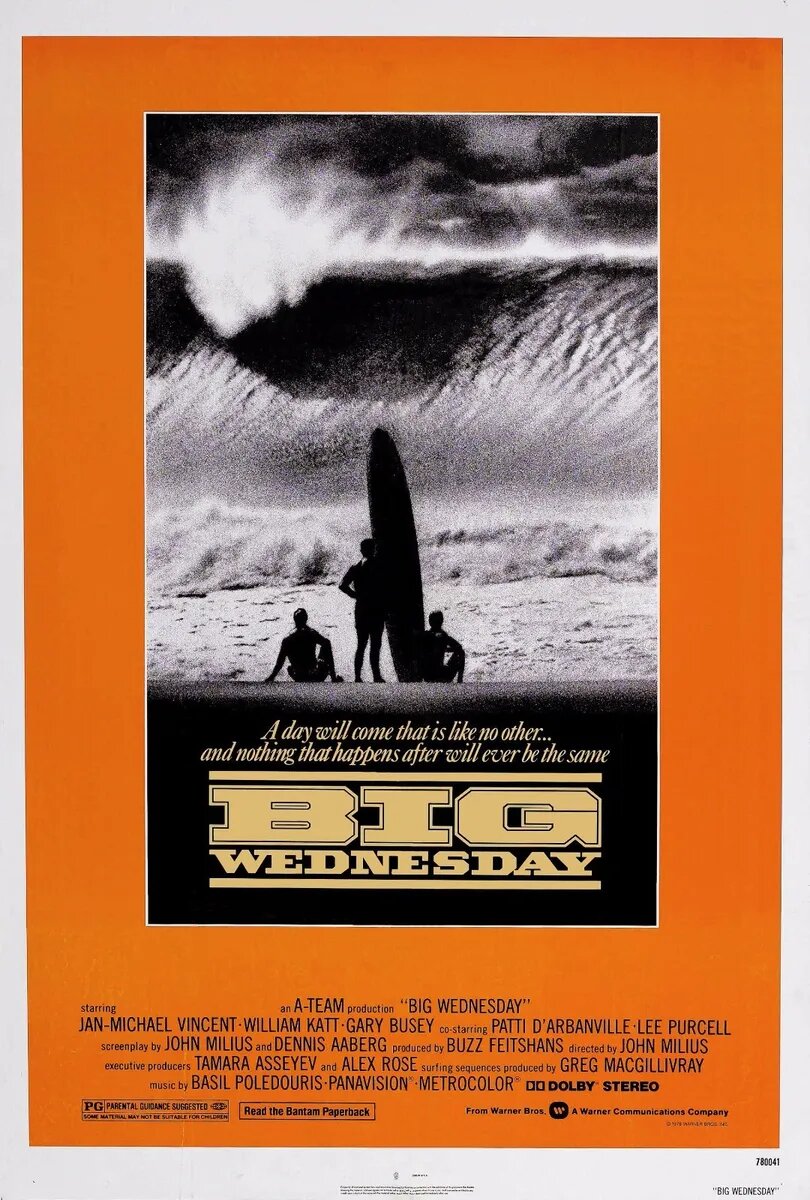
This is the story of three friends. Matt Johnson (Vincent), Jack Barlow (Katt) and Leroy Smith (Busey) are kings at their local beach and with their girls and their group of friends they spend their time surfing and partying. Living and growing up. Under the watchful eye of the Bear (Melville) – mentor and surfboard shaper – they navigate the pivot point of life; times of change in their own lives but also in society and the world around them. They contend with the pressures and the challenges that we all must and in addition they face one vital question unique to their tribe.
There are a few things I have hesitated to talk about here at Vintage Leisure. My fear is that these things have been so momentous in my life that I could not possibly do them justice. It’s that old F. Scott quote that has often haunted me, the one about a man’s talent to express himself with words not being equal to his ability to feel.
Big Wednesday by John Milius is certainly one of these things. But I wanted to tackle the telling because of the immensity of John’s tale. And the utter coolness of it. And this duality is much of the appeal of this film – it is equal parts compelling story of life and coming-of-age and celebration of youth through its depiction of the ultimate in vintage teenage kicks.
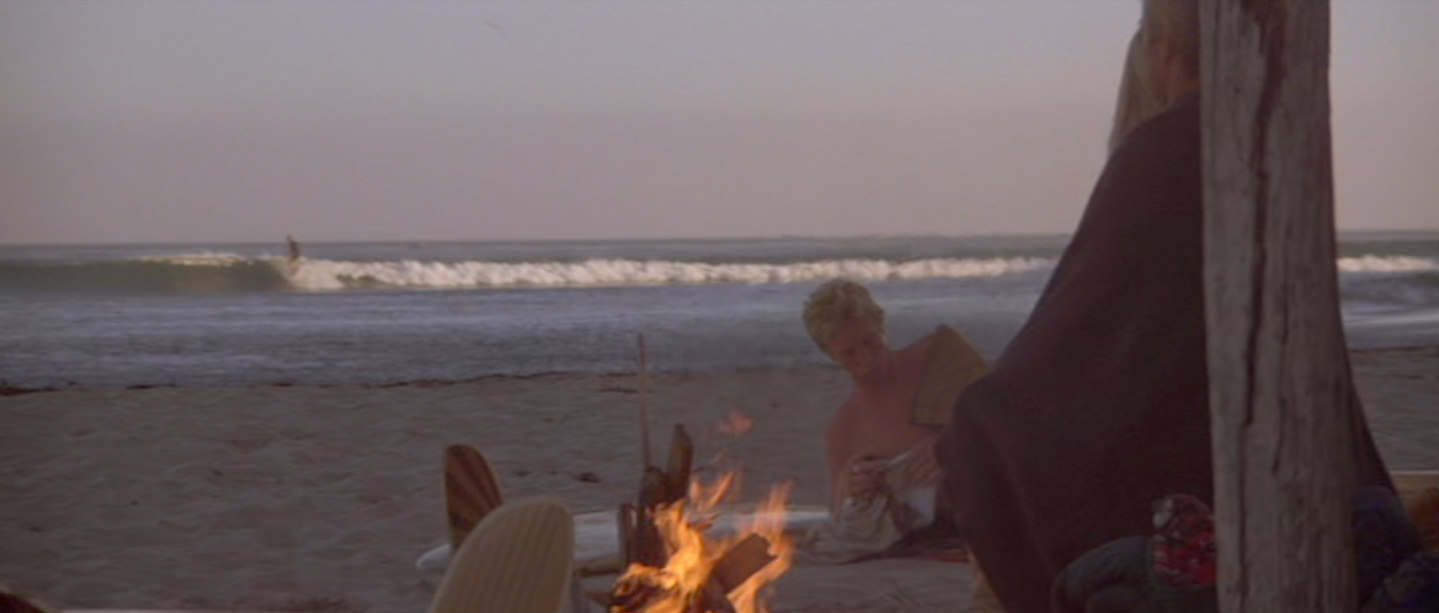
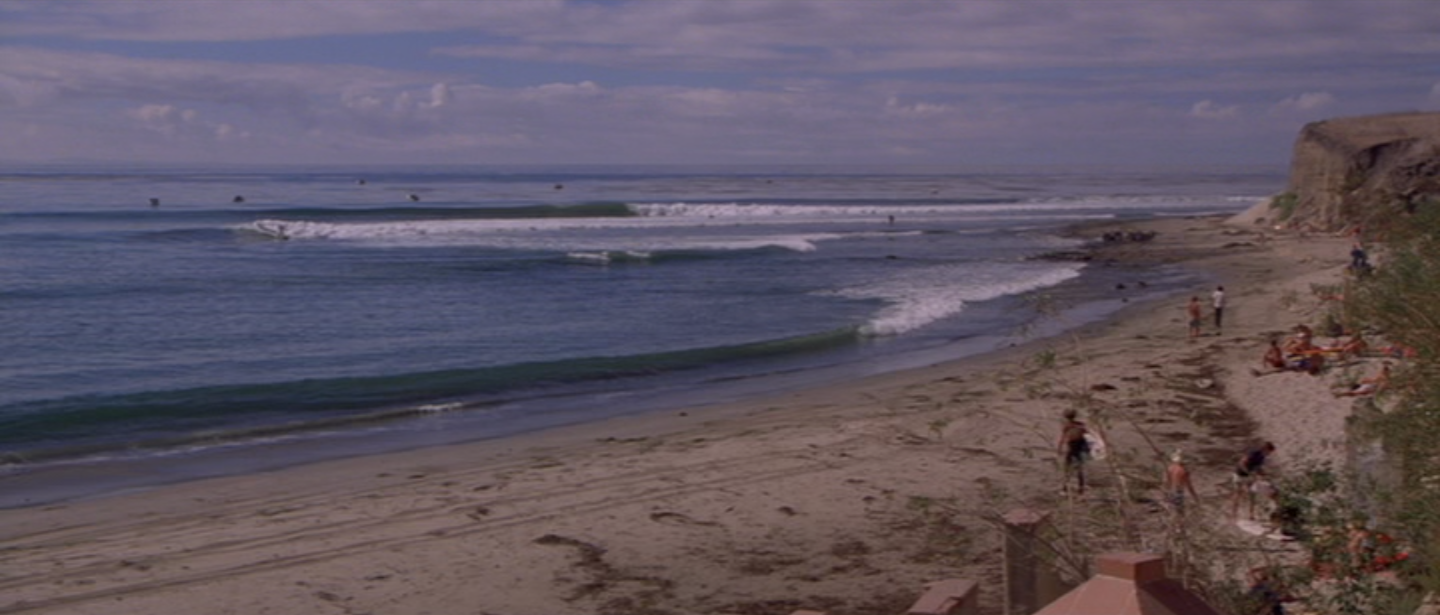
Here’s my chance to celebrate Dennis Aaberg. Born in Boston, of all places, in 1947, Aaberg and his family moved to Pacific Palisades when Denny was 2. There, Denny and his brother, Kemp, became notable surfers at Malibu. Denny eventually became friends with Milius and, in 1974, he wrote “No-Pants Mance”, a short story based on his own seaside adventures. John and Denny decided to collaborate on a script and much of the action in Denny’s short story found its way into Big Wednesday. Aaberg – no actor – even portrays “drug degenerate” Slick in the film and, today, Dennis Aaberg remains a link to surfing’s origins in America.
And John Milius. Ridiculous to try to talk about big John – born in 1944 in St. Louis – in one paragraph. If you can find it, check out the excellent documentary, Milius. Milius wrote Evel Knievel (1971) and The Life and Times of Judge Roy Bean and Jeremiah Johnson, both in ’72, followed by Magnum Force in 1973 before my beloved American International gave him his first opportunity to direct. John wrote and directed Dillinger (1973) for AIP which lead to the epic The Wind and the Lion in 1975 and this was followed by our film released in ’78. Later, he wrote and/or directed Apocalypse Now (1979), Conan the Barbarian (1982) and Red Dawn (1984). He has done uncredited script revisions on some notable films including Dirty Harry, Jaws, Indiana Jones and the Temple of Doom, The Hunt for Red October and Saving Private Ryan. Impressive. In 2010, Milius suffered a stroke from which he has continued to recover. Long live John Milius. And thank you, sir, for all your good work.

I have a soft spot for every member of this cast and every time I see one of them in something else, I will mention that that person is in Big Wednesday. Poor Jan-Michael Vincent was a hopeless drunk and drug abuser his whole life. He spent time in jail and was almost killed in wrecks several times over. He did appear notably in The Mechanic (1972) and Hooper (1978) and starred in the TV series Airwolf as Stringfellow Hawke. Because of seeing this show as a kid and laughing at its parody on SCTV, I have a hard time taking Ernest Borgnine seriously as an actor. Vincent died in 2014 miraculously making it to 74. William Katt (born 1951) is the son of actor Bill Williams (TV’s The Adventures of Kit Carson) and Barbara Hale, who we’ll talk about shortly. Billy Katt played Carrie’s ill-fated date in Carrie (1976) before auditioning to play Luke Skywalker, a role for which he was seriously considered. After portraying the Sundance Kid in Butch and Sundance: The Early Days (1979; good casting, actually), he, like Jan-Michael, would make his mark on television starring in The Greatest American Hero. This show with the interesting premise also featured Robert Culp, Connie Sellecca and Michael Paré just before playing Eddie Wilson. Katt’s character’s surname on the show was changed – but only briefly – from “Hinkley” after John Hinkley shot President Reagan. Katt later coasted, appearing with his mom in Perry Mason TV movies.
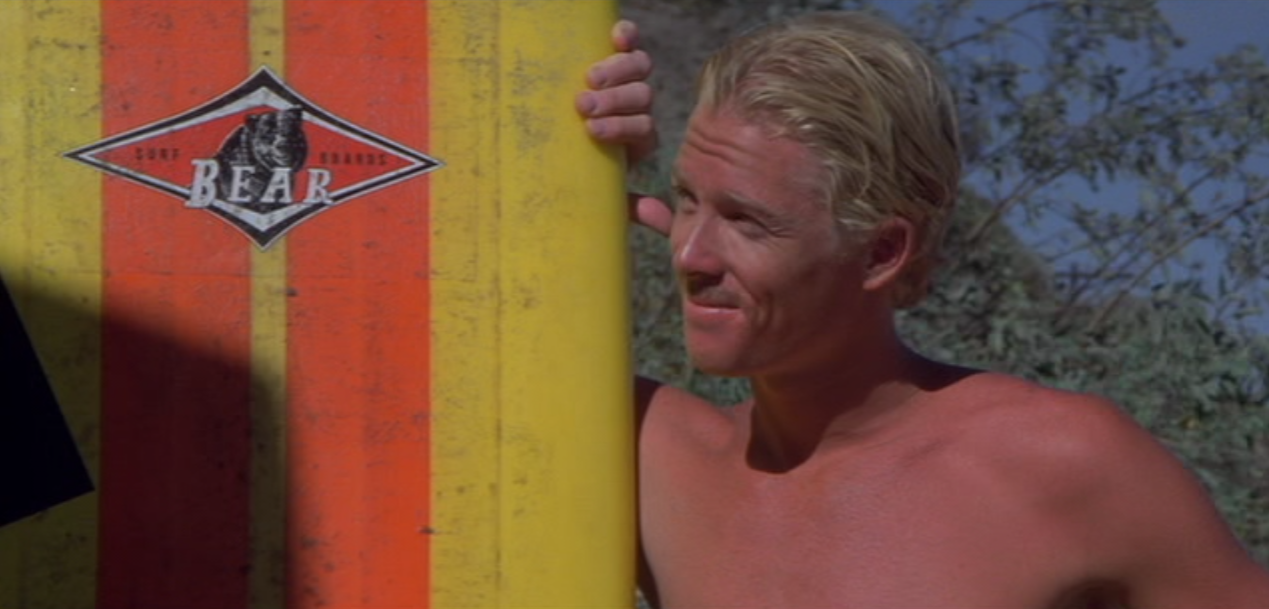
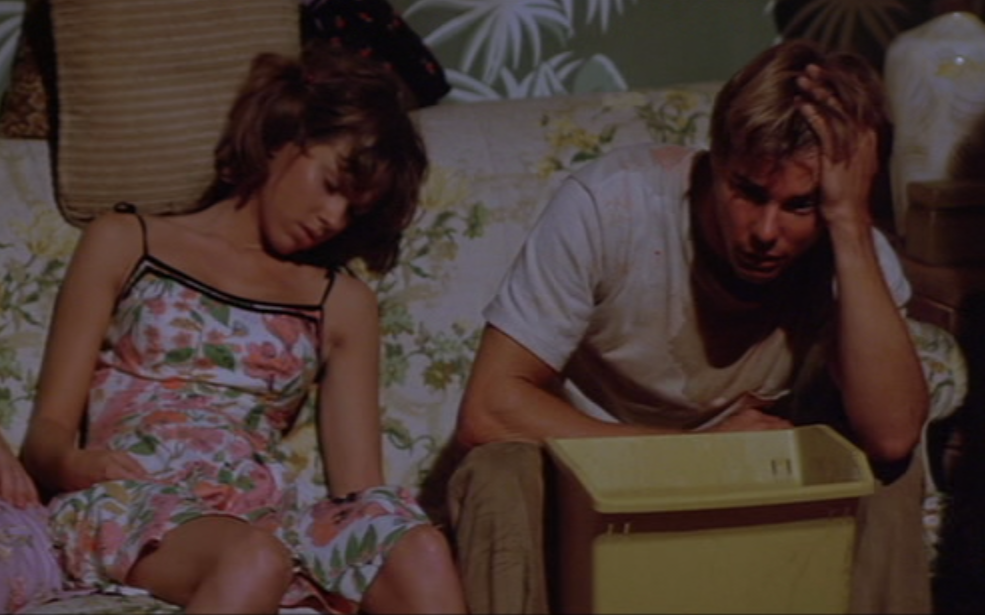
Gary Busey (born Goose Creek, Texas, 1944) is perfectly cast as the Masochist. The Buse was remarkably a drummer, lyricist and vocalist in the short-lived band Carp – I talked about them here. Gary appeared in Thunderbolt and Lightfoot (1974) and A Star is Born (1978) and made our film fresh off his Oscar nomination for The Buddy Holly Story. Later, he could be seen in D.C. Cab (1983), a film I saw at the drive-in when it was first released and one in which Busey plays a guy who will not work on January 8th, ’cause that’s Elvis’ birthday. So fitting that he is also is the surf-themed Point Break (1991) and he was compelling in the excellent The Firm (1993). Gary Busey later suffered permanent brain damage after a motorcycle accident, overcame drug addiction and found faith in Christ. Steve McQueen actually gave Lee Purcell her start when he cast her in his company’s first feature, Adam at 6 A.M. (1970). Later she appeared in Mr. Majestyk and that’s about it. Patti D’Arbanville got her start in Andy Warhol films and would later star in New York Undercover on TV. She was with Don Johnson for 5 years and the two have a son. Sam Melville (1936-1989) will always be the Bear – mostly because he appeared in little else.
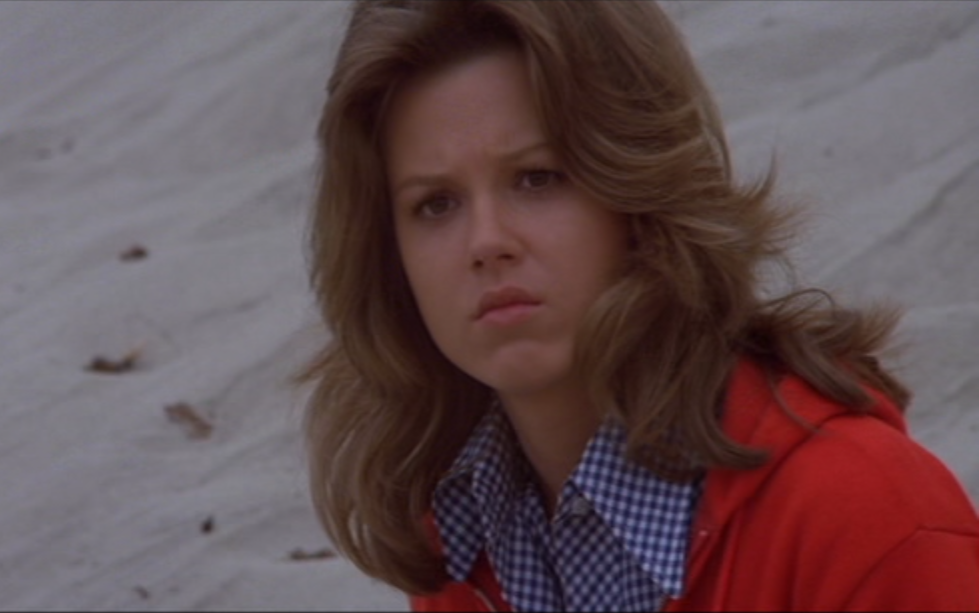
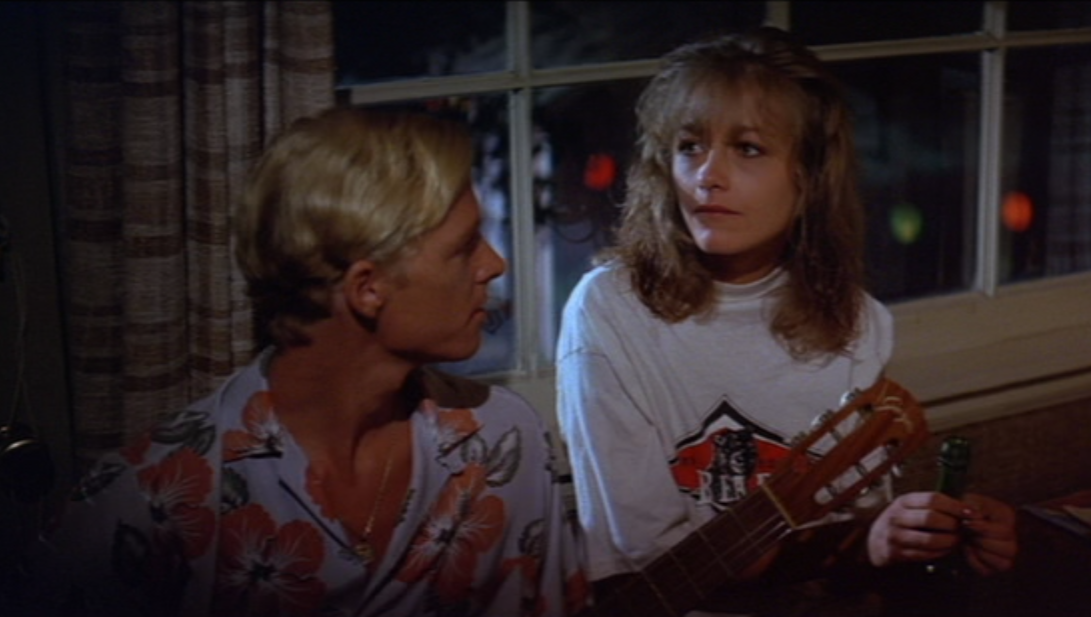
Darrell Fetty was at this time married to a descendant of the feuding McCoy family – her mother was a Hatfield and her father was a McCoy. Actually, Carolyne McCoy Fetty worked on Big Wednesday as secretary to director. In 2012, Fetty produced the mini series Hatfields and McCoys starring Kevin Costner. Barbara Hale, William Katt’s mom, will of course forever be Della Street but she also appeared in two Falcon movies in 1944, one – The Falcon in Hollywood – was the first thing I ever taped off TV. Fran Ryan plays the owner of the diner the guys hang out at and she nails the den mother character. Fran was married twice; both husbands died when planes they were piloting cashed. Johnny Fain was a top surfer at Malibu back in the day. As I reported in my look at California Dreaming, John was the first actual surfer hired to work on the first actual Hollywood surf movie, Gidget. He acted and surf doubled in many beach party movies and he had hoped that appearing in Big Wednesday would give him the visibility he needed to score more film roles but it was not to be. Fain died in March of 2022 at age 78. Robert Englund would soon become Freddy Krueger in A Nightmare on Elm Street and big Reb Brown had played football at USC, losing the starting running back slot to some guy named O.J. Simpson. Brown I’ve known from my youth from an episode of Happy Days (“I ain’t got priorities. I got a Chevy”) and he once played Captain America in a TV movie.
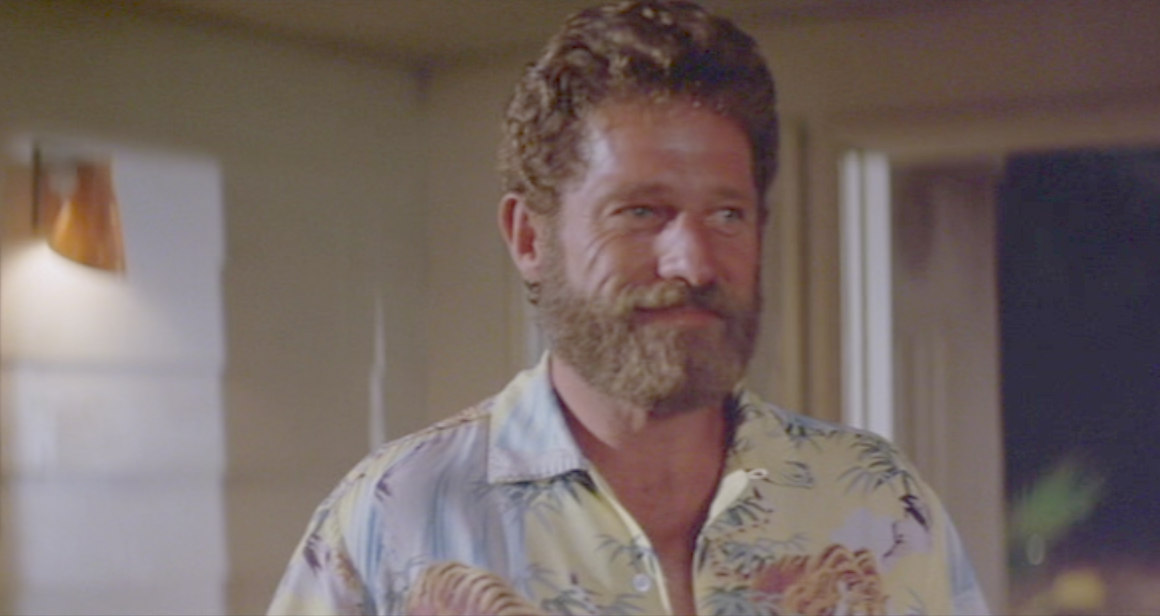
You’ve seen Joe Spinell’s face in many notable properties like The Godfather 1 and 2, Rocky 1 and 2, Taxi Driver and more importantly than any of these films, Night Shift (1982). Spinell is along for a great scene with Busey in our movie. Few surfers have made more of an impact on the sport than Honolulu’s Pipe Master Gerry Lopez. On top of his style and grace on the waves, Gerry worked with Milius again appearing in Conan the Barbarian and can be seen in numerous surf docs including The Endless Summer II, a film that is a staple in our house. Interestingly, Lopez granted a sort of stamp of approval to the Hollywood surf film North Shore with his appearance in it. Hank Worden was part of the John Wayne-John Ford Stock Company and Steve Kanaly and Charlene Tilton were both regulars on Dallas. Michael Talbott you’ll recognize from Miami Vice, Frank McRae was born in Memphis and played pro ball for the Chicago Bears. He absolutely kills it as a screaming drill sergeant in our film and was later seen in the Bond film Licence to Kill. Celia Milius plays the Bride of Bear and was at this time about to become the Bride of Milius. Interestingly for me anyways is the fact that she starred – as Celia Kaye – with my man Michael Parks in the sadly underappreciated Wild Seed from 1965. That is a lot of cast to talk about, I know, but I do love it when a movie is jammed with familiar faces, either stars at the time or about to become. One of the many things to recommend this magnificent movie.
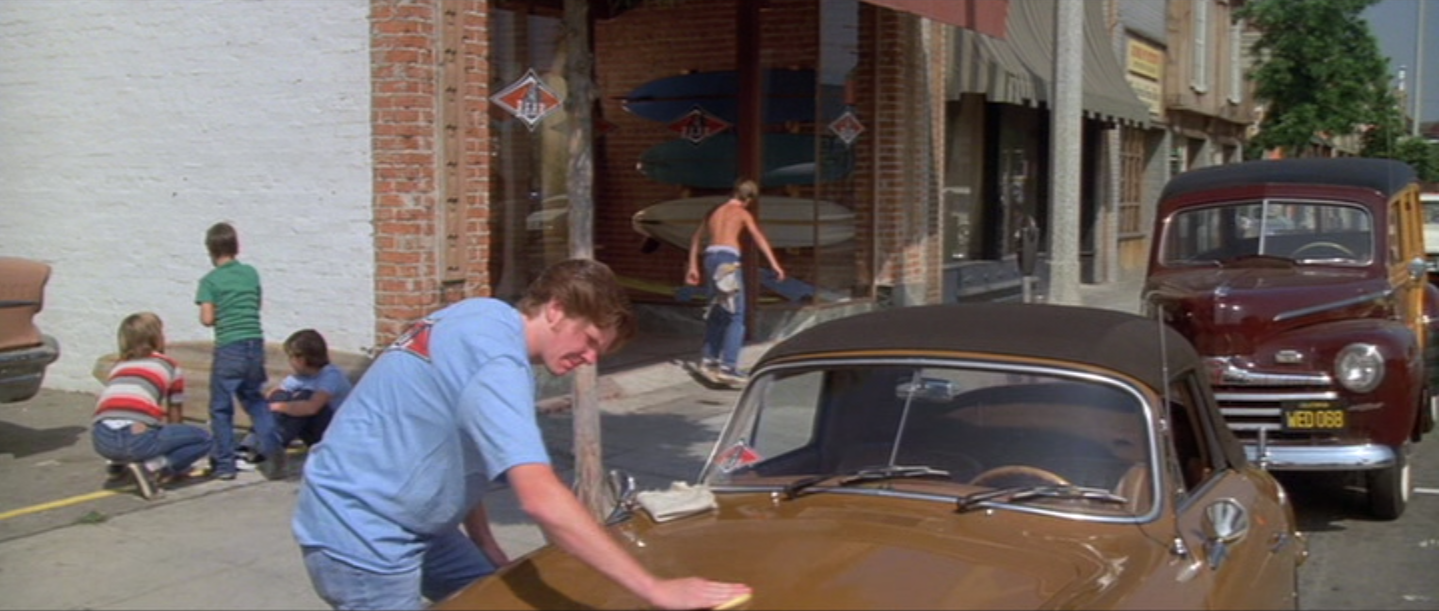
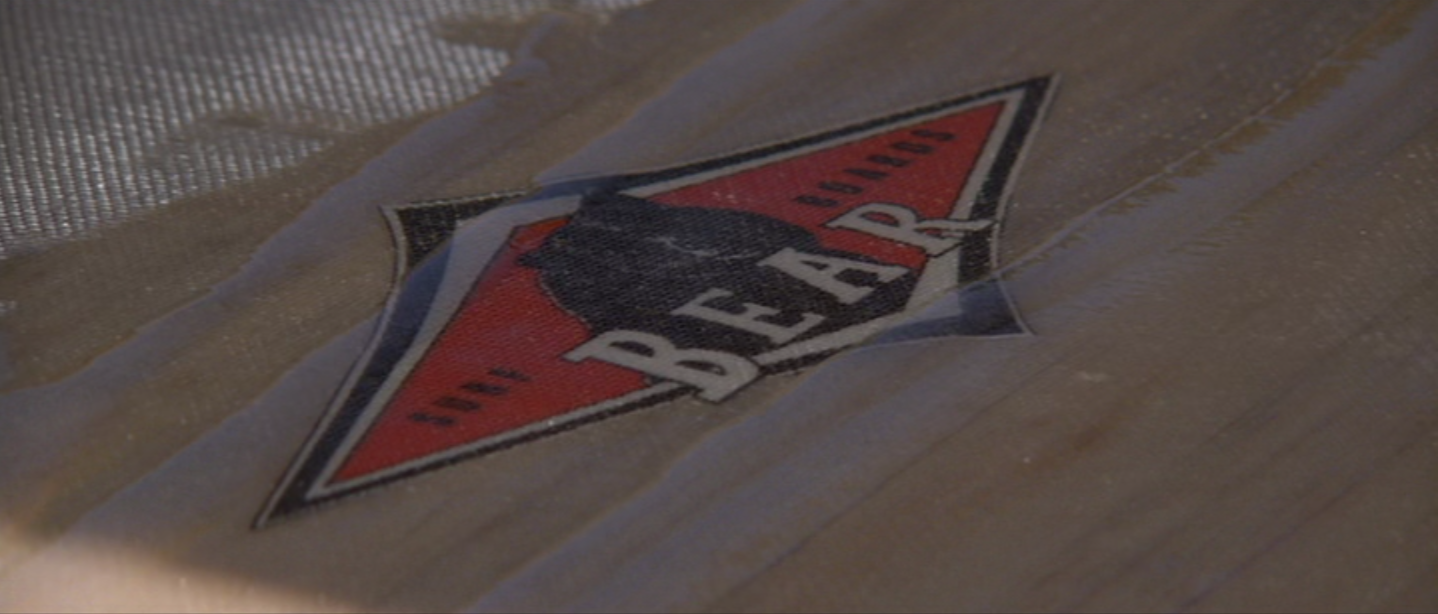
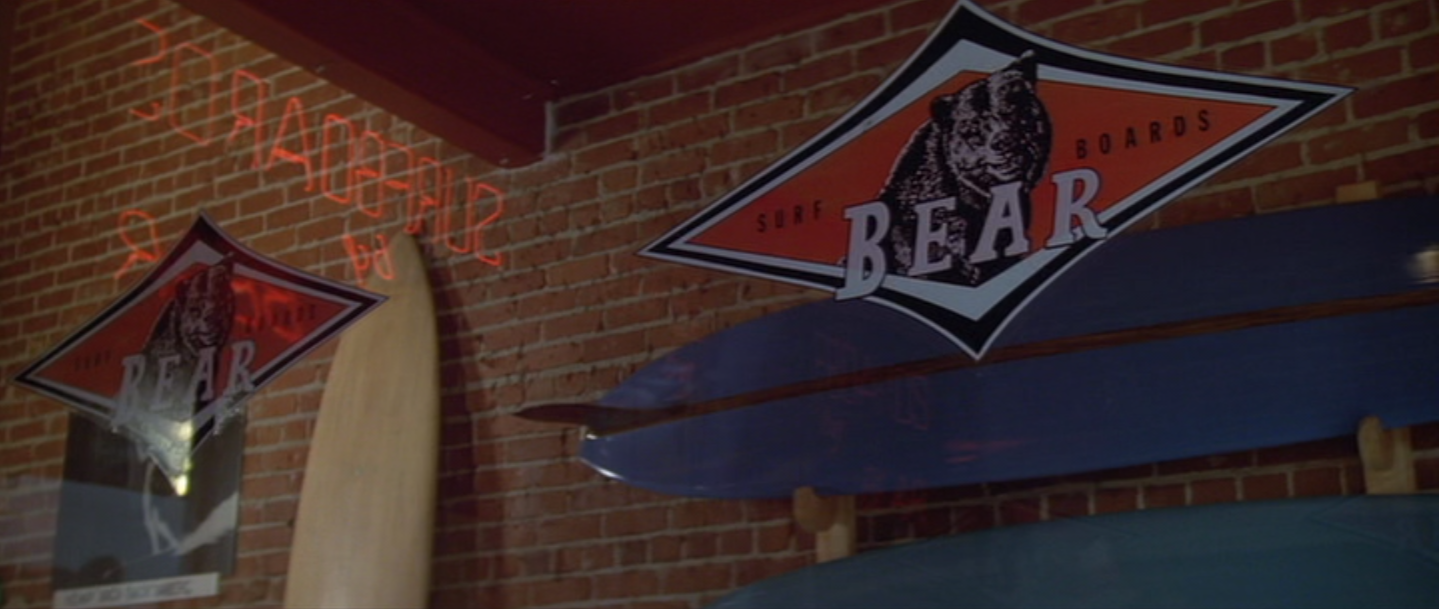
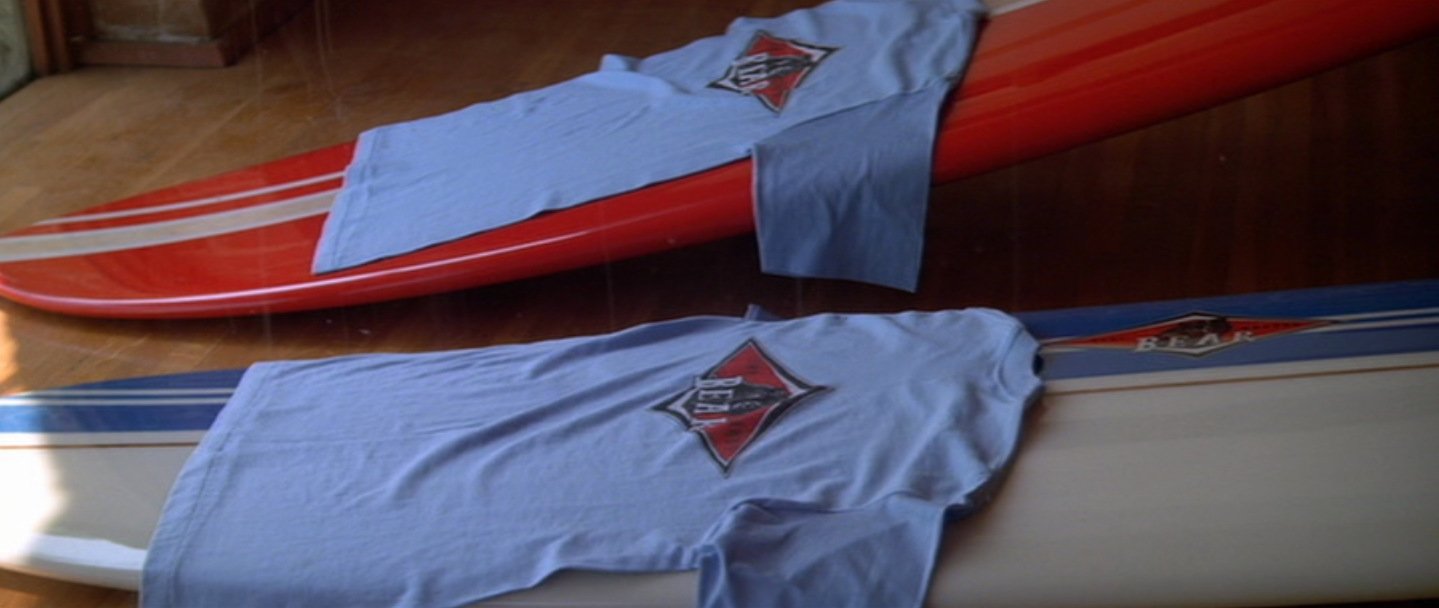
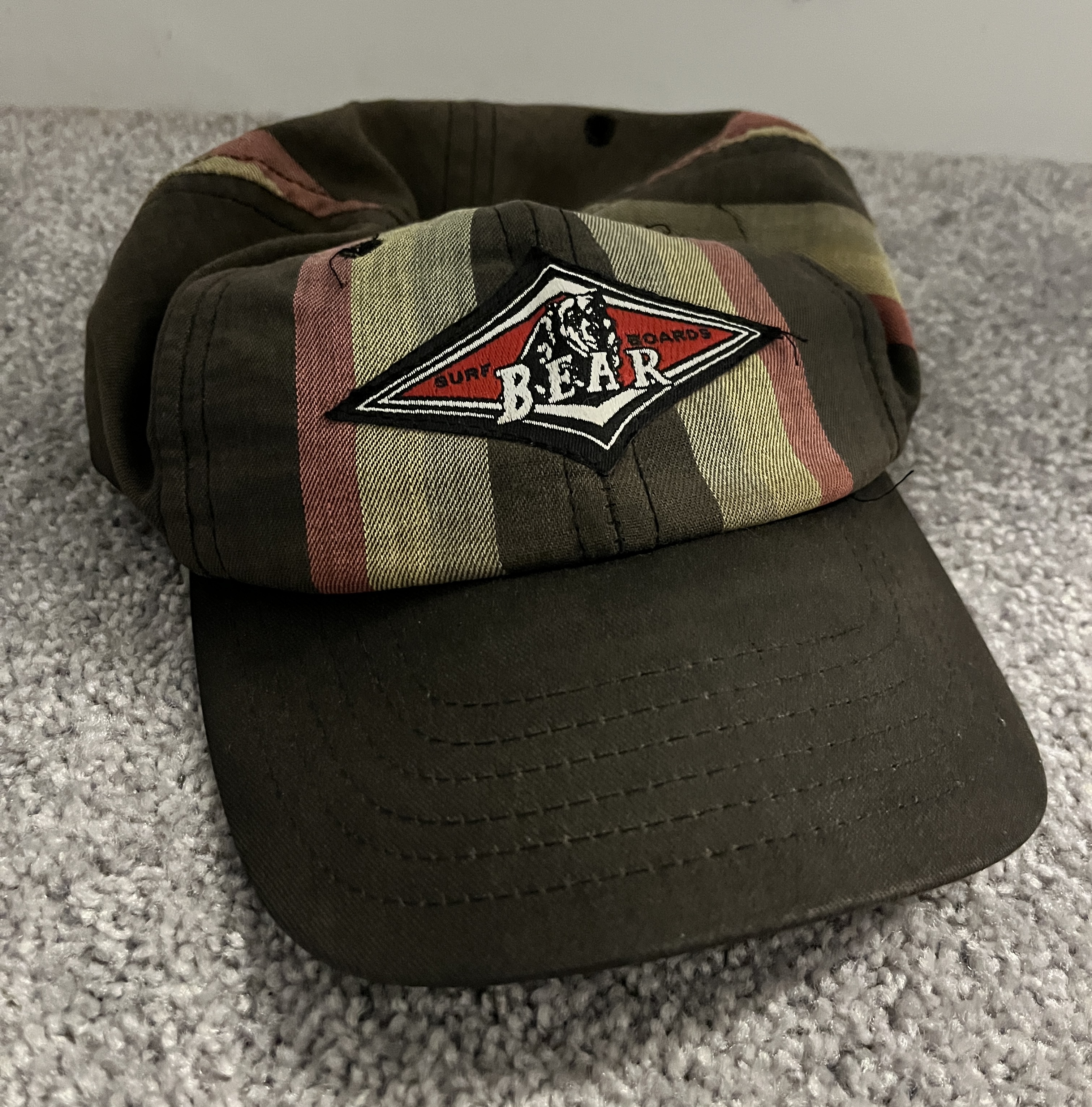
A major presence in the film is the Bear Surfboards brand. In the movie, the Bear himself, of course, founded the company and shapes all the boards for the boys. Milius invented the brand for the movie and had a logo designed – brilliant in and of itself. Equally remarkable is that the brand morphed into an actual company. Originally, Laird’s dad, legendary surfer Billy Hamilton, who surf doubled in our film, picked up the Bear brand and shaped early boards adorned with the Bear logo. Then followed a slew of copyright beefs and today the brand focuses more on clothing and is based in the EU. More than this for me, though, the Bear brand loomed large in my life as a young adult.
Briefly, back in Apartment Zero Days, my friends and I regularly consumed my VHS copy of Big Wednesday and we wanted to be Matt and the boys so bad. Actually, we really did live like these guys; minus the ocean. It seemed like something out of…a movie the day we discovered a transient sporting goods outlet had opened in an abandoned store in our neighbourhood. No one can ever explain to me how that store came to be filled with many and varied Bear clothing articles. We bought all our meagre purses could afford; t-shirts – short- and long-sleeved – shorts, pants, trunks and ball caps. Thus adorned we were really able to channel our heroes from John’s film. I still today wear my Bear ball cap. It will have to be wrenched from my cold, dead fingers.
John Milius, one of my favourite filmmakers, had just spent many arduous years writing the grandiose and weighty script for Apocalypse Now alongside his friend Francis Ford Coppola. After that taxing journey, Milius turned his attention back to the ocean. John had always been a surfer but at one point in the mid-70s he realized that his life was taking him away from the beach and from that part of his life. Before that was gone forever from his mind and his spirit, he decided to document it by making a personal film.
The story begins with the South Swell of Summer, 1962. We see great images of kids sleeping at the beach and ready to tackle the morning glass. And we see the three friends, the kings, the royalty of this beach. The best surfer of the three, Matt Johnson, is introduced perfectly, his character acutely established. He is terribly hung over, near death, and his friends Jack and Leroy get him to the beach and borrow a board for him to ride. Matt says he couldn’t possibly ride a wave in his condition. Jack delivers the first of many classic lines when he says to Matt “you do what you have to, man. I’m gonna get some waves”. Matt manages to get out into the lineup but actually catching a wave seems unlikely. But then muscle memory kicks in. Even though he is not even in his body yet today, he catches one and rides with characteristic grace. The kid on the beach who loaned Matt his board – and who thought that there is no way this drunk is Matt Johnson – delivers another classic line, one I often repeat whenever I see Jan-Michael Vincent in anything; “That is Matt Johnson. That is Matt Johnson”. The opening scenes at the beach and the narration serve as perfect introductions to these kids and their lifestyle.

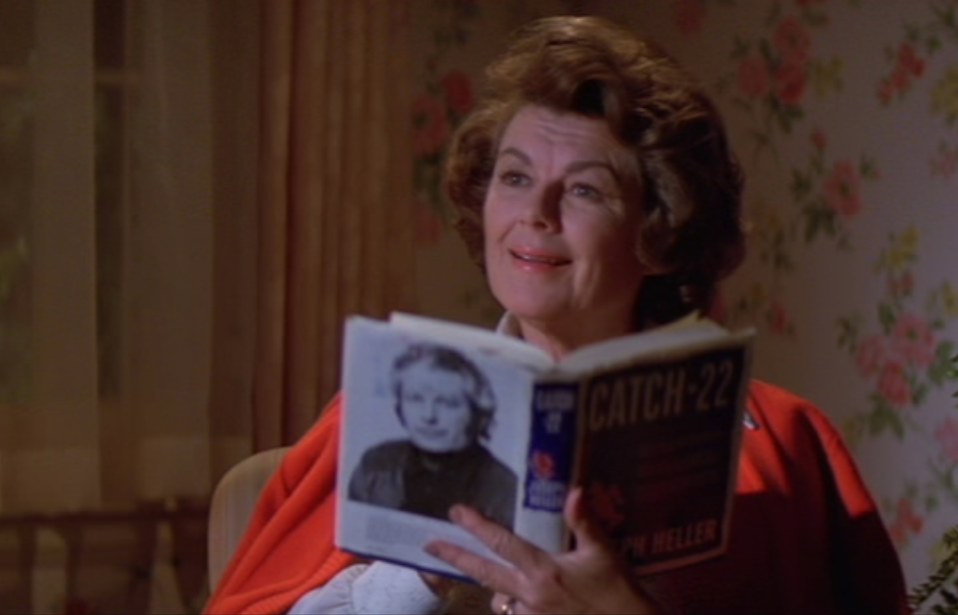
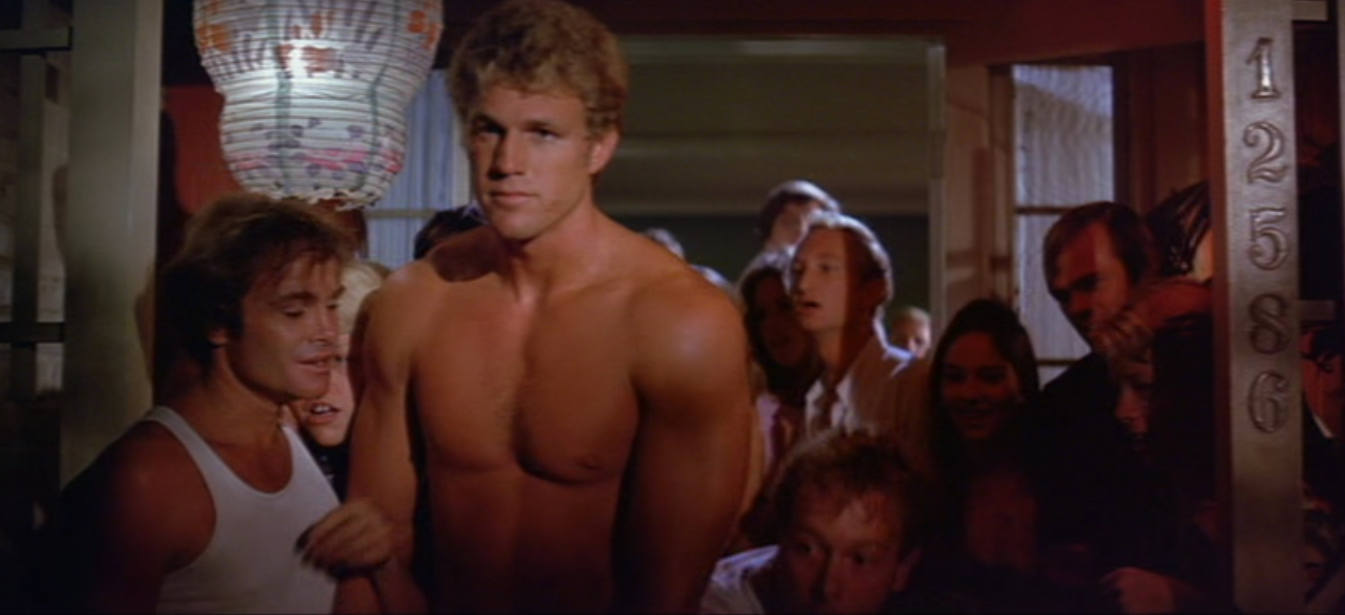
“The Party” is one of the greatest filmed sequences in all of movie history. It depicts whole lifetimes, it depicts all that is glorious about youth. The Party says it all. At the house Jack shares with his mother, the gang frolics, drinks, dances, eats watermelon and plays records. Consider the older guys out on the patio. They are part of this group but also apart. The Bear is out there with the Hawaiians and they are totally chill, plinking ukes and digging the night air. Jack’s mom is home, upstairs reading Catch-22. “Keep Crusher off my coffee table”, she calmly tells her son. Hilarity ensues when the crashers show up. A few of the guys utter the siren call – “crashers!!” – and leap into action, one guy being so overzealous that he runs into a wall and falls down the stairs, insensible. Watching the Enforcer (Brown) throw down against Big Al and some others is a sight to behold and we get the first indication of how deeply enmeshed Matt and his girl Peggy (Purcell) are. They peel off alone together and sit out on the grass reciting lines you assume they have exchanged in the past; “What if they came and got me and dragged me away would you come and get me?”, Matt asks. Immediately Peggy answers “yes”. Peggy does not even finish asking “would you come and get me?” and Matt says “no matter what”. Upstairs, Jack is making progress with Sally – she is wearing his Bear Surfboards t-shirt. She says that back in her hometown of Chicago, being young is just something you do until you grow up. “And, well, here…here, it’s everything”. After the crashers have been vanquished and told to “split!!” by Enforcer, the surfers dance contentedly. Watch the Bear. How poignantly he checks on the kids, grinning benevolently, before he leaves and shuts the door.

The good times are short lived. Peggy announces she is pregnant and Bear tells Jack that the pier has been condemned. The Bear has been living on the pier and making the boys’ boards there. But no more. Bear laments having to go and live like an inlander and the viewer feels that there could be no worse fate for him.
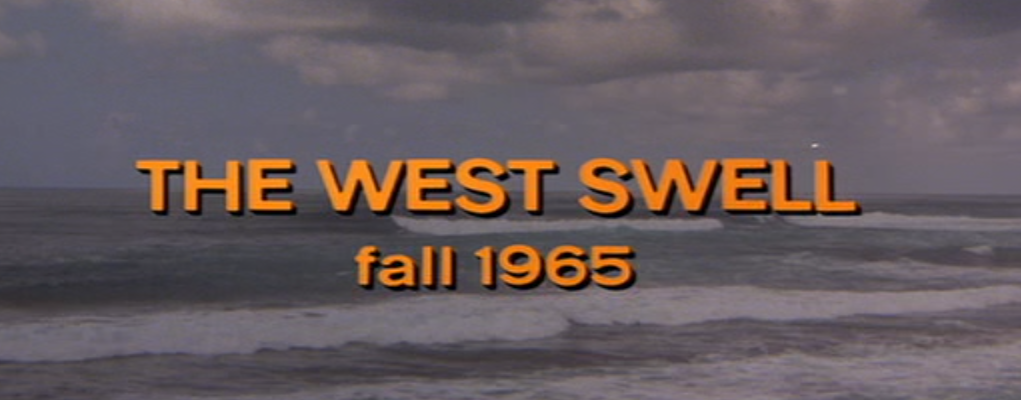
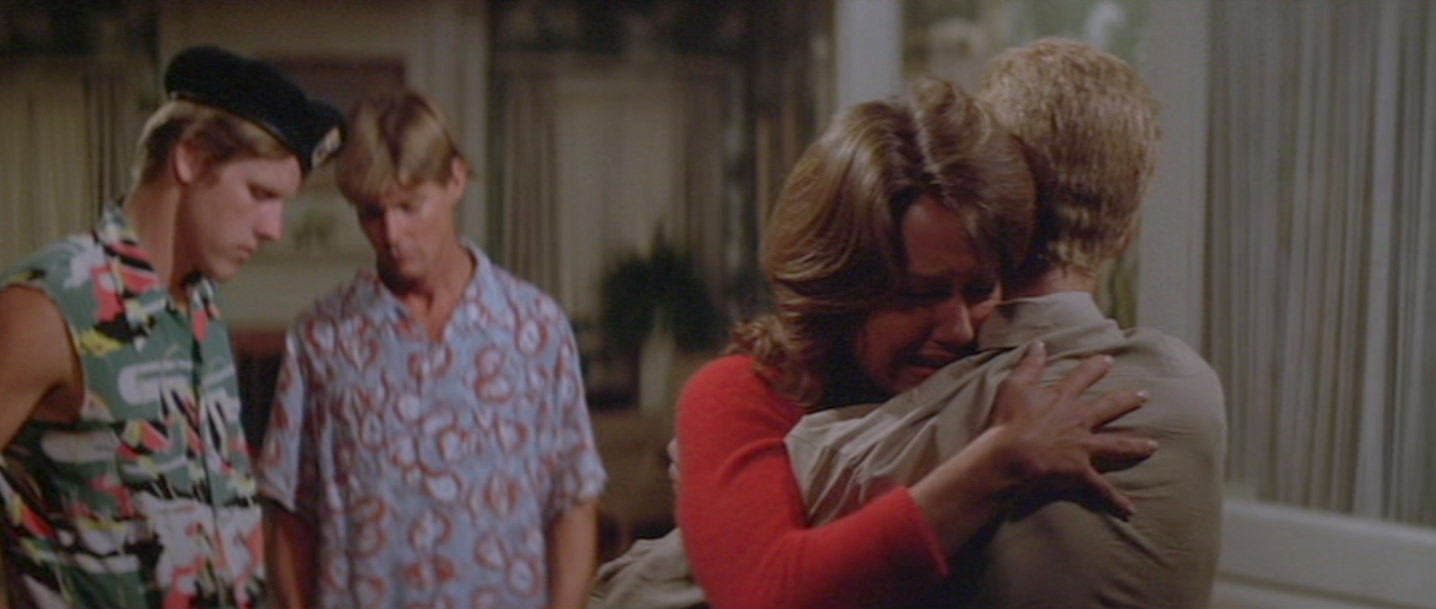
It is the West Swell of the autumn of 1965. Responsible Jack has become a lifeguard while irresponsible Matt has become a drunken bum. Significantly, Matt says to Bear that he does not want the kids looking up to him; after all, he is no longer a surfing king but a hopeless drunk despite having Peggy and his daughter in his life. The guys then band together when it’s time to go to the draft board. The scenes there are hilarious with Drill Sergeant Frank McRae and Mad Dog Busey stealing the show. Significantly, Straight Arrow Jack Barlow has gone all in, gung ho and enlisted in the Marines. The night before he ships out is brimming with consequence and weight. Each has a hug or word for Jack as they file out. Watch his exchange with Peggy. Big, tough Enforcer is emotional and even the Masochist, unaccustomed to sentiment, says he feels funny that Jack is going so far away. I’ve always thought it was very heavy and shows the responsibility Matt somewhat unwillingly bears that after not saying much to anyone else Jack says to his friend “take care of these people”.
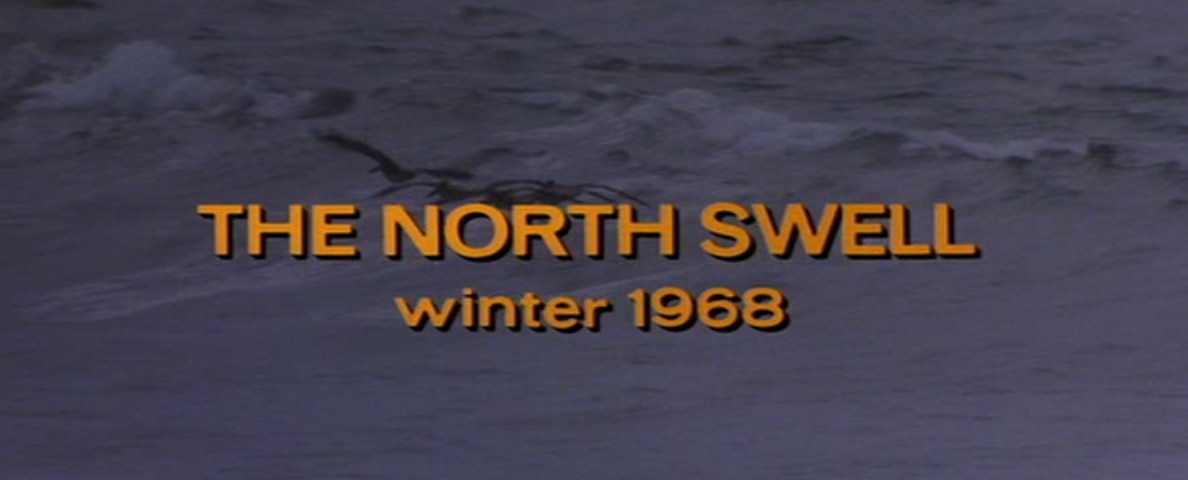
When Barlow returns it is the North Swell of Winter, 1968, a swell that, reflecting the times, is “cold and lonely and dangerous”. Jack’s return to the beach though is lovely to behold. Again, watch Jack with his best friend’s girl, Peggy. Presumably, Jack has come here first and the first people to greet him are Peggy and her daughter with Matt. Peggy embraces Jack, weeping and they kiss on the mouth. While Jack hits the water, Peggy cares for his uniform coat, noting his medals and citations. What must she think of Jack? The viewer contemplates just how mighty her platonic affection is for Jack.
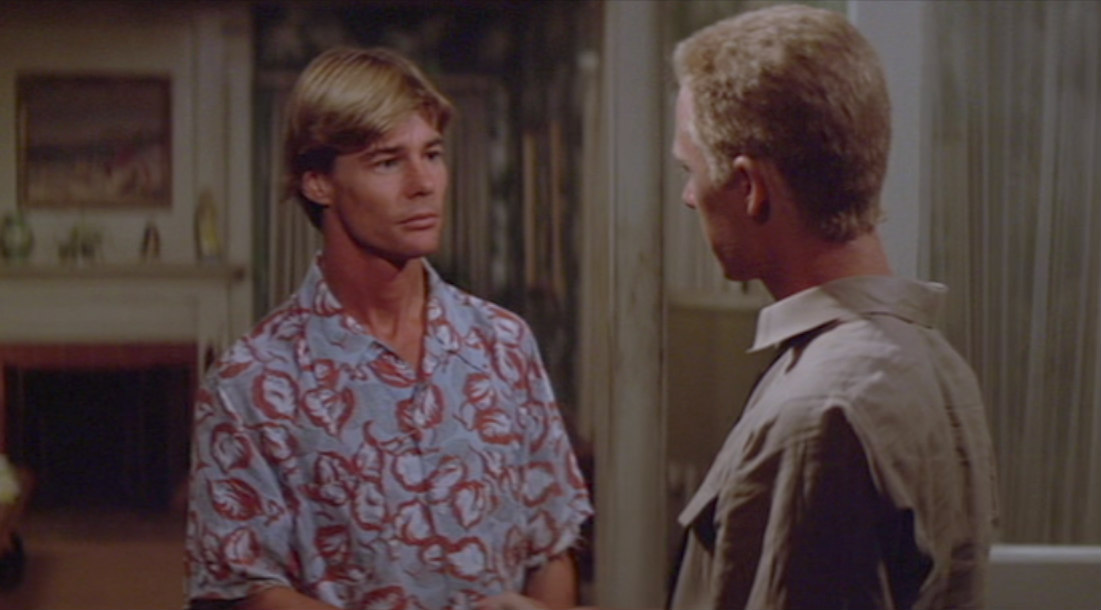
Jack surprises Matt in the water and the two friends reunite. It’s been three years. Jack asks if Matt has been doing a lot of surfing and Matt’s answer is sad but it’s another classic line; “no”, he says, “only when it’s necessary”. So, Jack has survived Vietnam and the two – though neither has surfed much in a long while – ride the waves together. This is the strong binding force between them even though it has receded somewhat.
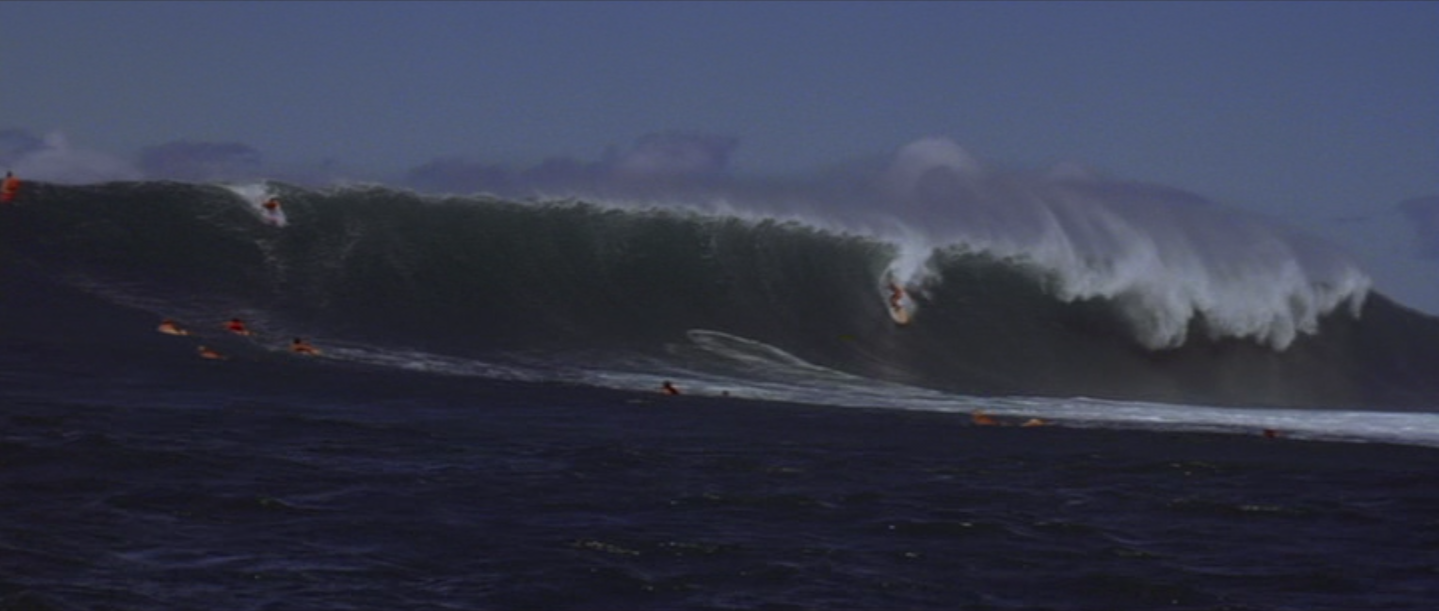
Then comes the Great Swell of the spring of ’74. Matt Johnson – of Johnson’s Swimming Pool Service – is grey at the temples and has finally made an honest woman out of Peggy. He is looking for his old friends. Why? “There’s a swell. A big swell” and when an event like this takes place you go out and ride with your friends. Don’t you? But Jack – a park ranger now – is not to be found and neither is Leroy who has long been a big wave charger in Hawaii and in Northern California. The Bear – a bum now, a destitute but mythical figure of the coast – has told Matt of the swell and has told him to gather his friends for a reckoning. But Bear is crushed when Matt tells him the three will not be reuniting. Then comes Big Wednesday.
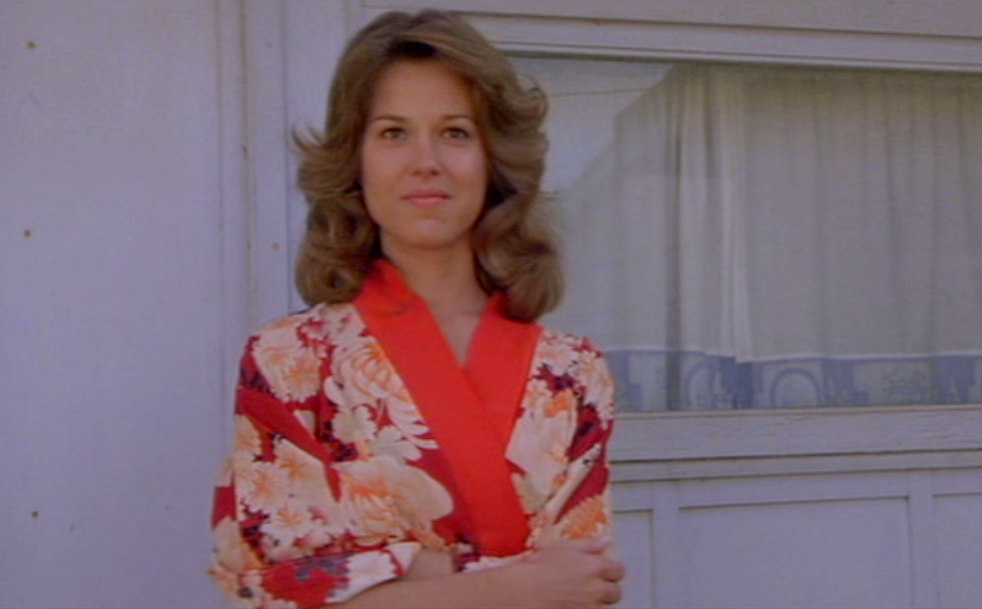
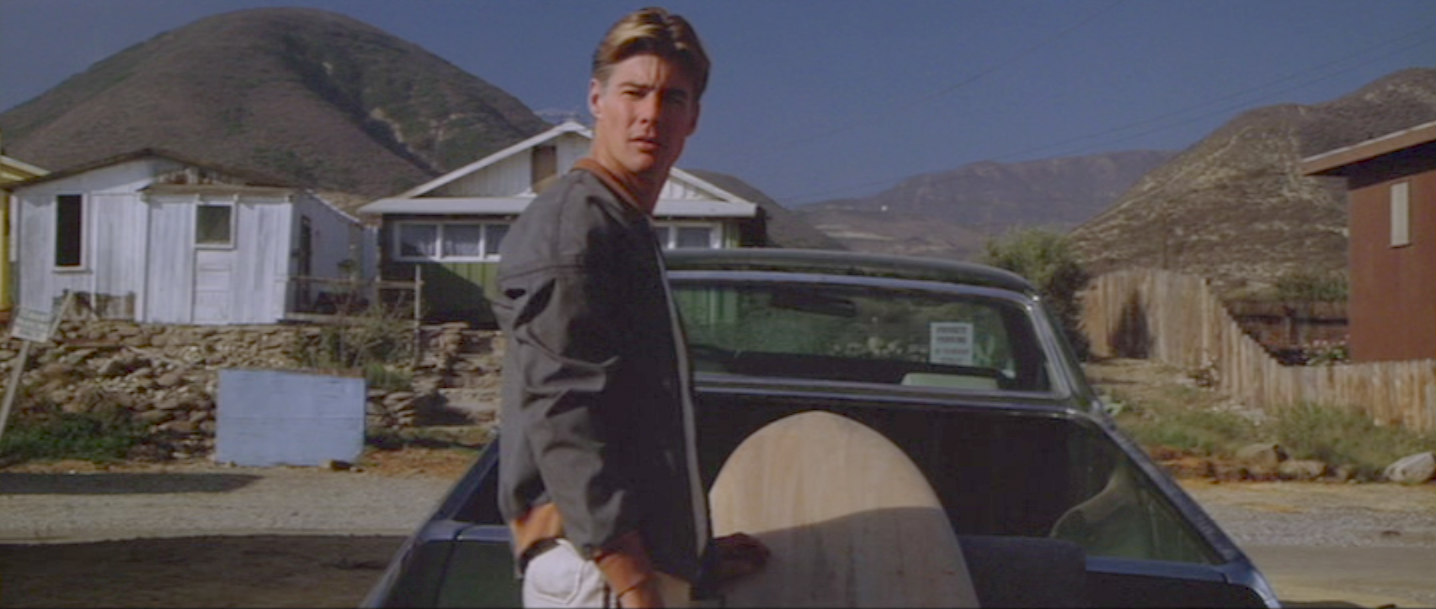
Early in the morning, Matt puts his board in his car. Peggy comes out, pretty in her morning robe. Yet another simple exchange that brims with meaning. Gently she asks “where you going so early?” but the viewer feels she knows. Look at her grin. You may not know this but I can confirm that women are infinitely smarter – wiser – than men. And women who are wives and are also mothers? Even more so. Most of them know the little boys they are married to so well. Peggy here supports her husband with a grin and seems to be helping him – handing him something, I dunno – without even letting him know that she is helping him. Doing something for him yet again. Matt answers, just as quietly, “there’s a good swell…just thought I’d go surfin'” She smiles her blessing.
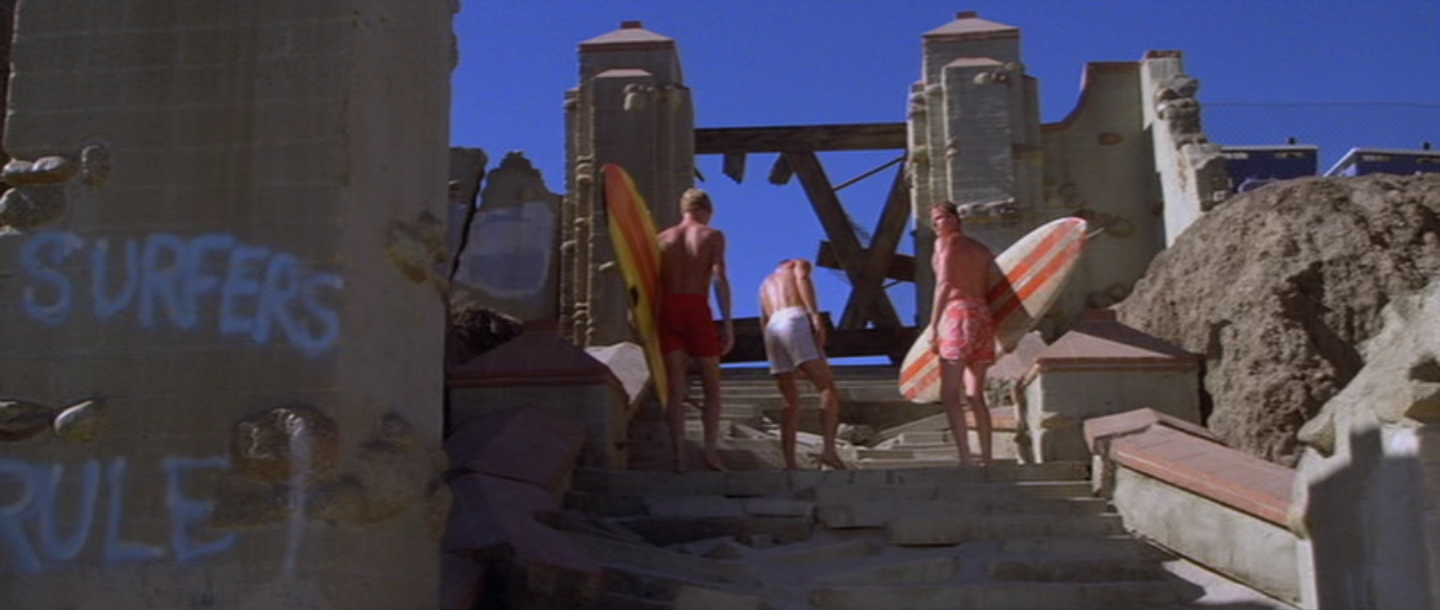
Big Wednesday – the day this gigantic swell hits this particular part of coastline – is a major media event. News trucks are set up along the highway overlooking the beach and crowds have gathered to watch the action. Lifeguards are pulling floundering kids out of the water and choppers are extracting those who are in more serious trouble. Every rider is getting drilled, boards washing up on shore in two. Matt walks up to his old stomping grounds, the place where he set the style. But no one notices. The kids spot Gerry Lopez walking to the beach and he is the center of attention. Matt walks down the old steps – none but the old timers access the beach this way anymore. When he hits the sand, he is surprised to see Jack and Leroy. The three are together again. They have frolicked at this beach as kids and they meet again as men to face this daunting challenge. Nothing needs to be said. A gesture and they walk down the beach.
Jack: "Good swell"
Leroy: "It's a boss swell"
Matt: "Bear called it"
Milius shot the walk down the beach as a direct homage to Peckinpah’s The Wild Bunch and the same things are at stake. Life or death. Claiming your own true self or backing off and shriveling. The final sequences are shot magnificently. Surf doubles – legendary riders like Billy Hamilton and champs Ian Cairns and Peter Townend – were used for the three main actors but not always. Vincent and Katt already surfed and Busey learned so in many shots on the waves it is indeed the actors you see in the water and this really helps.
Everyone’s getting crushed except Lopez who glides effortlessly – as Gerry always does. Matt watches, impressed and accepting of the younger man’s prowess. One by one the three kings of this beach conquer waves – and it is Gerry’s turn to be impressed and to acknowledge those who have come before, to acknowledge the validity of their pursuit. Listen to the majestic score by Basil Poledouris who would later join Milius and Lopez for Conan the Barbarian.
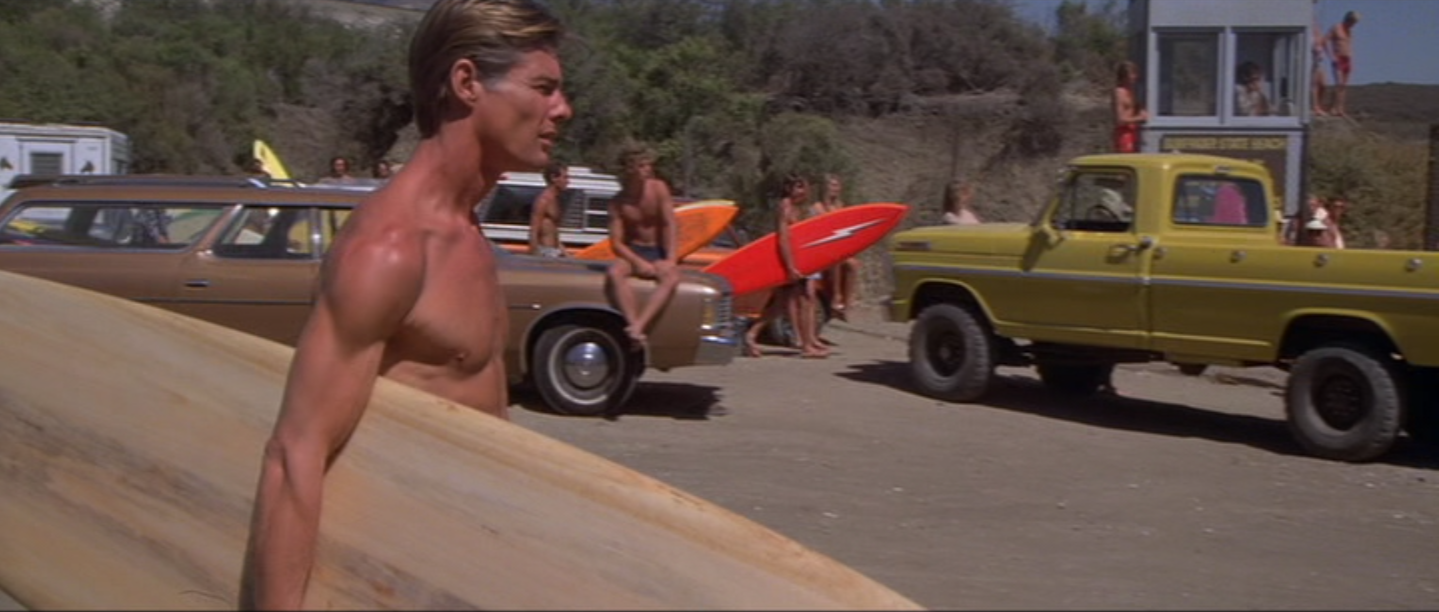

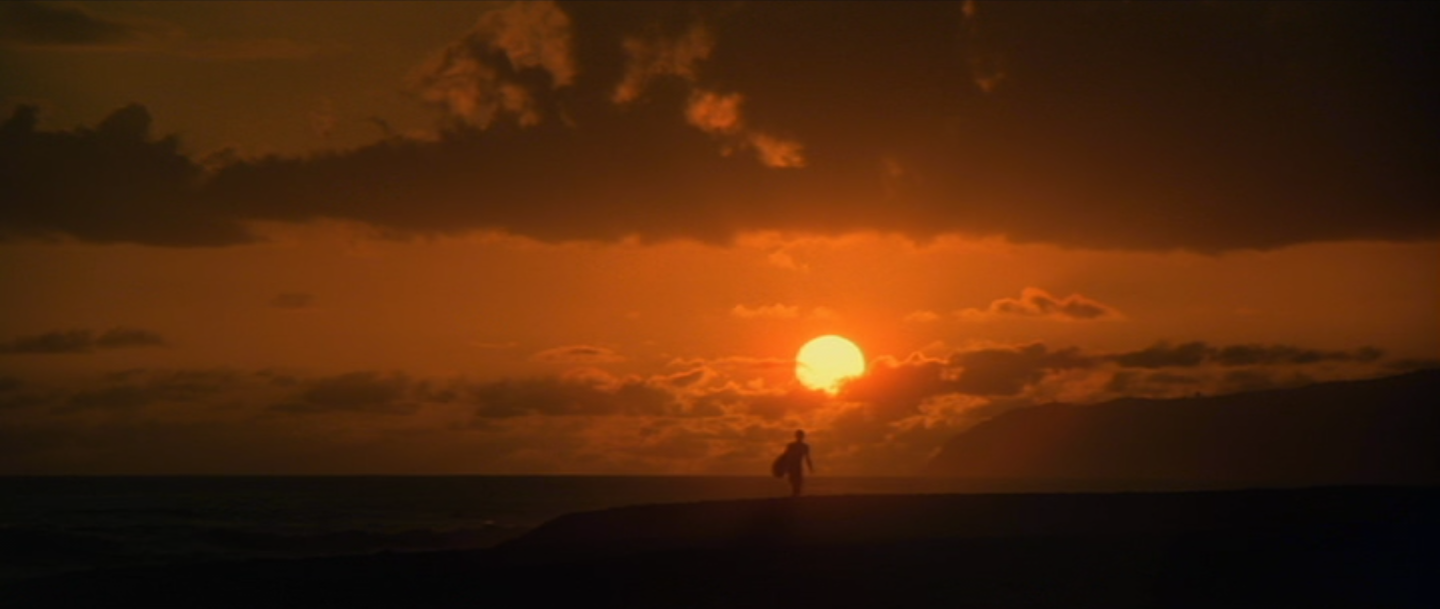
In the end, the three friends are on the beach again having faced their reckoning. The reverence with which the kid on the beach returns Matt’s board to him is striking. Here Johnson is confirmed somewhat. After all these years and with Gerry Lopez out in the water, the kid’s attention is elsewhere and he knows who this is. “Aren’t you Matt Johnson?”, he asks. As the kid hands the board back he says with awe “I tell you, that was the hottest ride I’ve ever seen. I just wanted to tell you that“. Does this one exchange with the kid make all of Matt Johnson’s life worthwhile? No but it serves as something of a capper on this part of his life. Remember we said that John Milius wanted to hit the water one more time before that part of his life was gone? Well, that is what Matt Johnson has done here. And he sees it has been noticed by the next generation and that has some value. Matt is then able to pass the torch.
The statement seems innocuous but it is huge – “we drew the line”. While in a way we were just goofy kids chasing girls and mindless kicks, that in itself was substantial. That was our life, our coming of age. Additionally, we spent our time communing with nature as well as with each other. We were living life and navigating the pivot to adulthood. We asked for little and demanded nothing. We said we’d always be friends and that we would always be there for each other when it really mattered. When this big day – this Big Wednesday – came we were together again. Consider here that Matt could not get in touch with Jack and Leroy. He never raised them on the phone to say “meet me at the beach”. But a summons was not necessary between these three. Matt went down the steps alone – and his buds were waiting. They knew to be there. And then when it was over, the pressure, so to speak, was off. This friendship had been tested and it had passed. Not only that but the passion that consumed these kids had been validated – by Lopez, by the kid on the beach, by the spectators. Now that they had answered the call, they could “draw the line”. Nobody surfs forever, Bear had said. Maybe these three will surf again – when it is necessary – but they are now free to fully embrace adulthood with all of its rules and restrictions. While we may not all be surfers, this is something that we all can relate to. Milius himself has said that the film is less about surfing than it is about the value of friendship and navigating life’s changes.
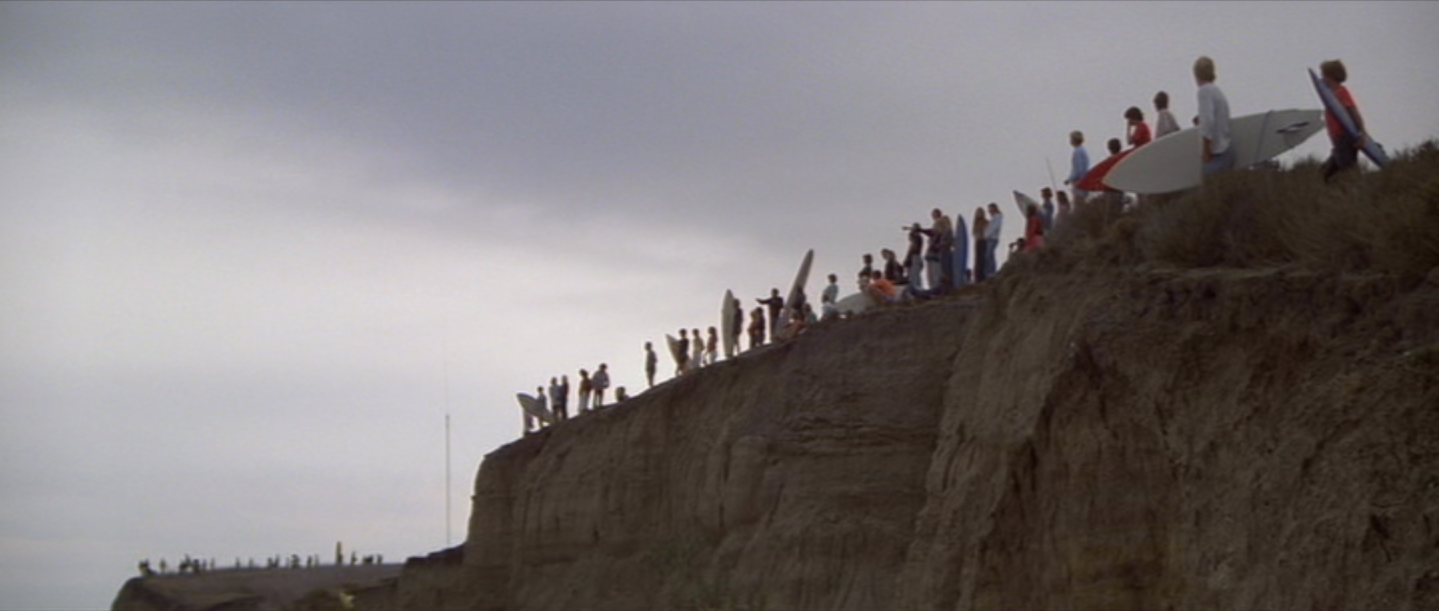
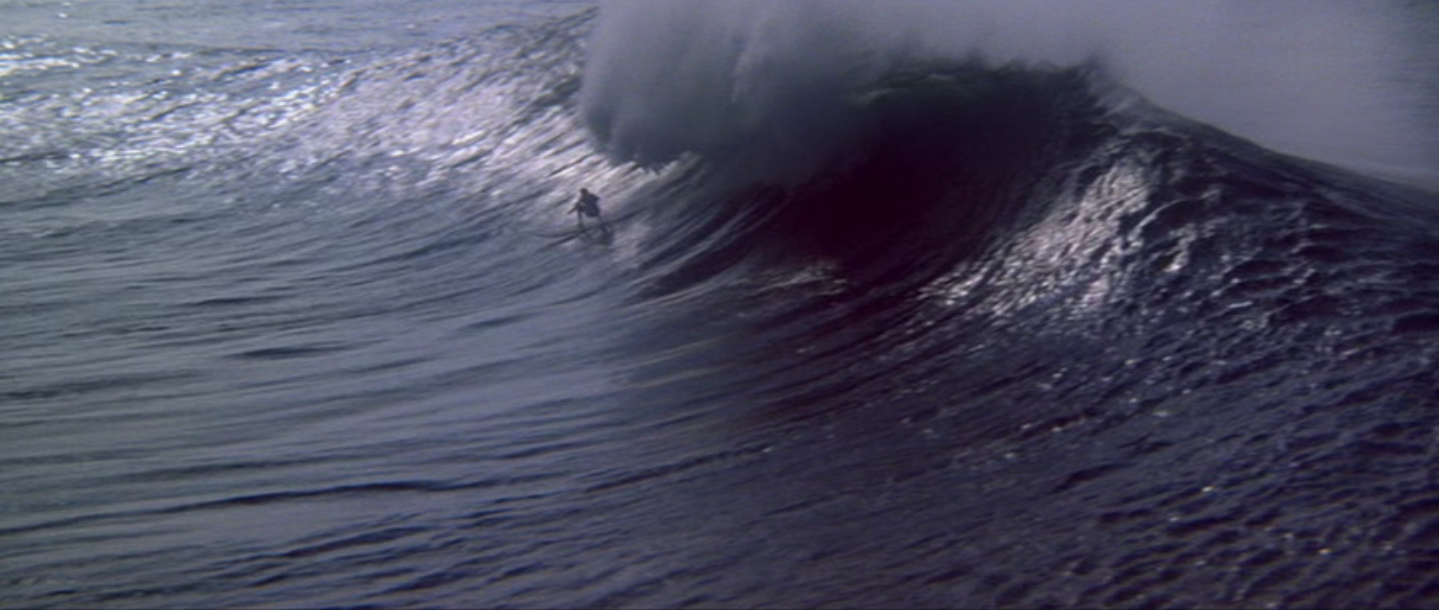
As the credits roll, we hear the “Three Friends Theme” featuring the great Keola & Kapono Beamer, two Hawaiian legends of the slack key guitar. Based on this theme, I looked them up years after first watching this film and discovered their revered LP Honolulu City Lights, a record that “became the all-time bestselling Hawaiian album”. These brothers then are something else I’ve been gifted through this movie. “There’re no regrets, only good times. We were friends in younger days although we went our separate ways you were my friend, you never turned away. In time we will grow, we will change, as free as the wind and the waves. Live your life the way you choose, find the ones who laugh with you. As the sun sinks from the sky, live your life and you will find there’re no regrets, only good times”
It is a story we know well; the studio versus the filmmaker. Warners had hassled John Milius while making Big Wednesday, wanting it to be a film it wasn’t and one that John was never going to make. Then, sadly, no one “got it” when it came out and it was considered a flop, the studio pulling it from theatres shortly after release. Critic Janet Maslin was particularly harsh in her review but she was not alone in her evisceration of this personal movie, this masterpiece. Eventually of course the movie achieved mythic proportions and today it is revered as it should be (it also has received the Tarantino Stamp, something that always matters greatly to me).
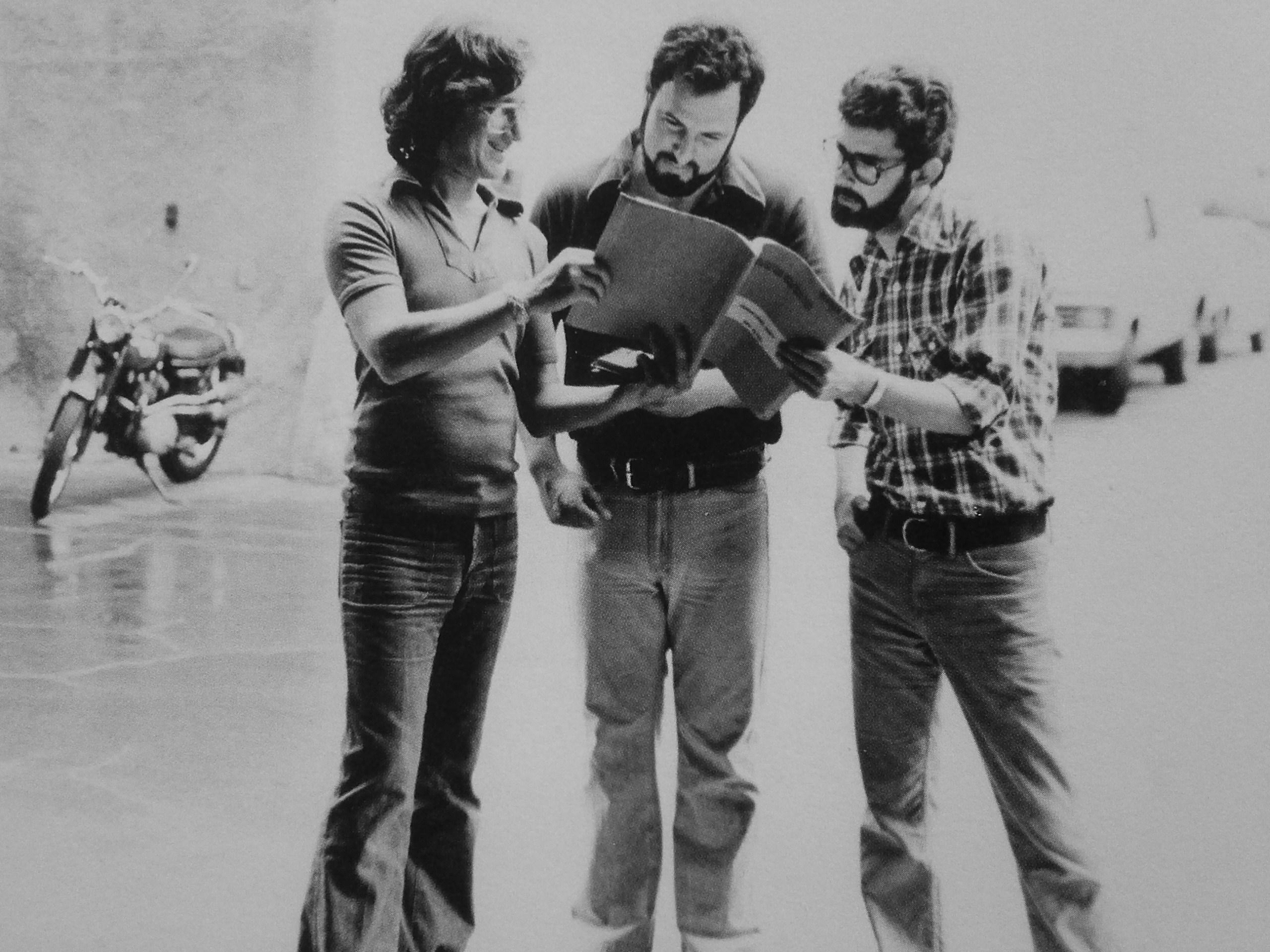
Interestingly, John entered into an agreement prior to the film’s release with two of his filmmaker buddies. George Lucas and Steven Spielberg were certain that Big Wednesday would be a huge success and resonate with people in the same way George’s American Graffiti had. George and Steve were so sure that they proposed a deal. They decided that each man would share in a percentage of the profits of the films the three were set to release. Lucas had some space opera coming out and Steve had made a movie about aliens. John Milius would make millions from his percentage of Star Wars and Close Encounters of the Third Kind and Lucas and Spielberg would earn a somewhat smaller payout from the box office failure of John’s surf movie.
All that we have talked about – all of these great scenes and cool lines and significant moments – serve to reinforce a major theme of Big Wednesday and indeed a major theme of life – what have I spent my life doing? Does it have any value? How does it inform who I am as a person? Is it something that will sustain me until the end? When and how will I have to “draw the line” and move on? Is this “life” or simply what I do to avoid life? And what of my friendships? And the film answers all these questions and presents an inward look and an inner confirmation. What you’ll get in Big Wednesday is a comical and fun look at teenage beach life in the Sixties. But you’ll also get a finely tuned statement on friendship and on life itself.
If you ever had a group of friends who did stuff together, you’ll find this film has a lot of depth and soul. As Matt says after riding Big Wednesday “we drew the line”. The three friends have validated the thing that consumed them as young men, that is riding waves and promising to be together when the big one hit. But they also acknowledge the need to embrace adulthood and put surfing where it should be. “Nobody surfs forever” Sad but true. It applies to all of us, no matter what we do.
 SoulRide