Child Bride: The Untold Story of Priscilla Beaulieu Presley
by Suzanne Finstad (1997)
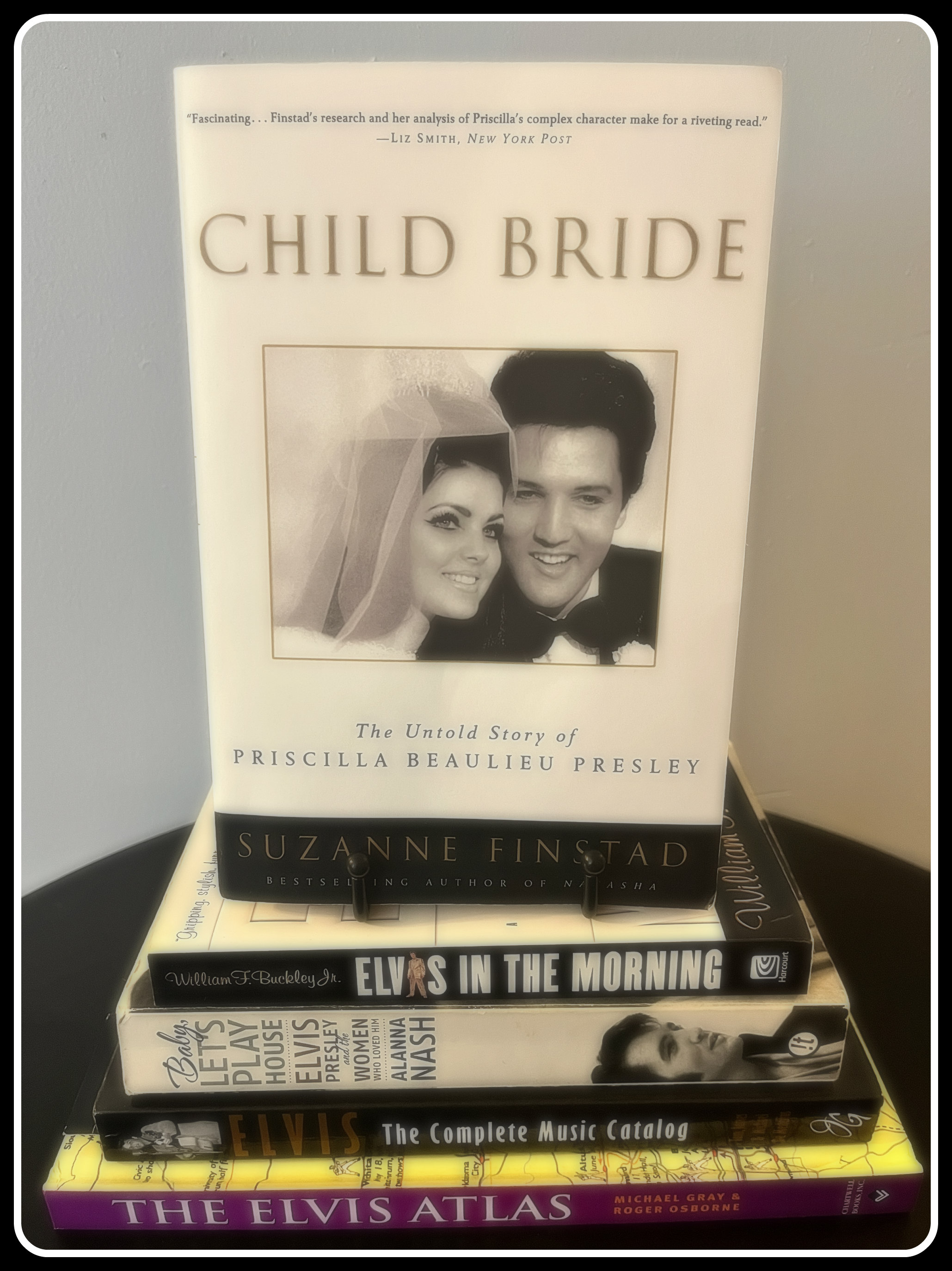
Though she did not write this one, I can thank Alanna Nash for another great Elvis book. If I’m honest, Ms. Nash may give Peter Guralnick a run for his money when it comes to who is my favourite Elvis World chronicler. In her stunning book Baby, Let’s Play House, Nash makes reference to and much use of the book we are talking about today by Suzanne Finstad, an author and lawyer who has also issued significant works on Natalie Wood and Warren Beatty. What makes Child Bride so significant is the fact that it is indeed the only true biographical work on Priscilla Presley and this is substantiated by the fact that Ms. Finstad was actually granted an interview with the ever guarded and private Priscilla. In addition, Finstad has sat down with virtually every single living (as of 1996) person who could shed any light on Cilla’s inner thoughts and maneuverings. She did not interview Lisa or Vernon – but that’s about it. Before we get started then, consider this; Priscilla wrote her life story in 1985. Elvis and Me was co-written (or more accurately “written by”) Sandra Harmon, a middling writer of little consequence who interviewed no one for her book. Harmon simply wrote what Priscilla told her. Finstad on the other hand spoke with a wide variety of players in Elvis World. She actually sat with Priscilla, she talked with Joe Esposito, Jerry Schilling, George Klein, Lamar Fike and famously close-mouthed Red West. She also talked to “Priscilla People” like her early neighbours, boyfriends and friends from her various schools, all of her serious companions including Mike Stone, Michael Edwards and even current-as-of-1996 Marco Garibaldi. The list of contributors in the book takes up almost three full pages and also includes Hollywood reporters and lawyers who worked alongside Priscilla at various points. It is difficult, then, to consider the things you will learn in Child Bride to be not factual. The evidence presented is substantial – but that is not to say that there is no room left for the reader’s – or this commentator’s – perception of the case that is put forth. The Truth About Priscilla is the most read article at this website and this King Reader review will continue the discussion of the legacy of Priscilla Presley. The truth is one thing; your perception, though, may be another.
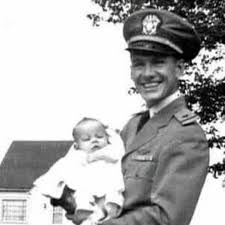
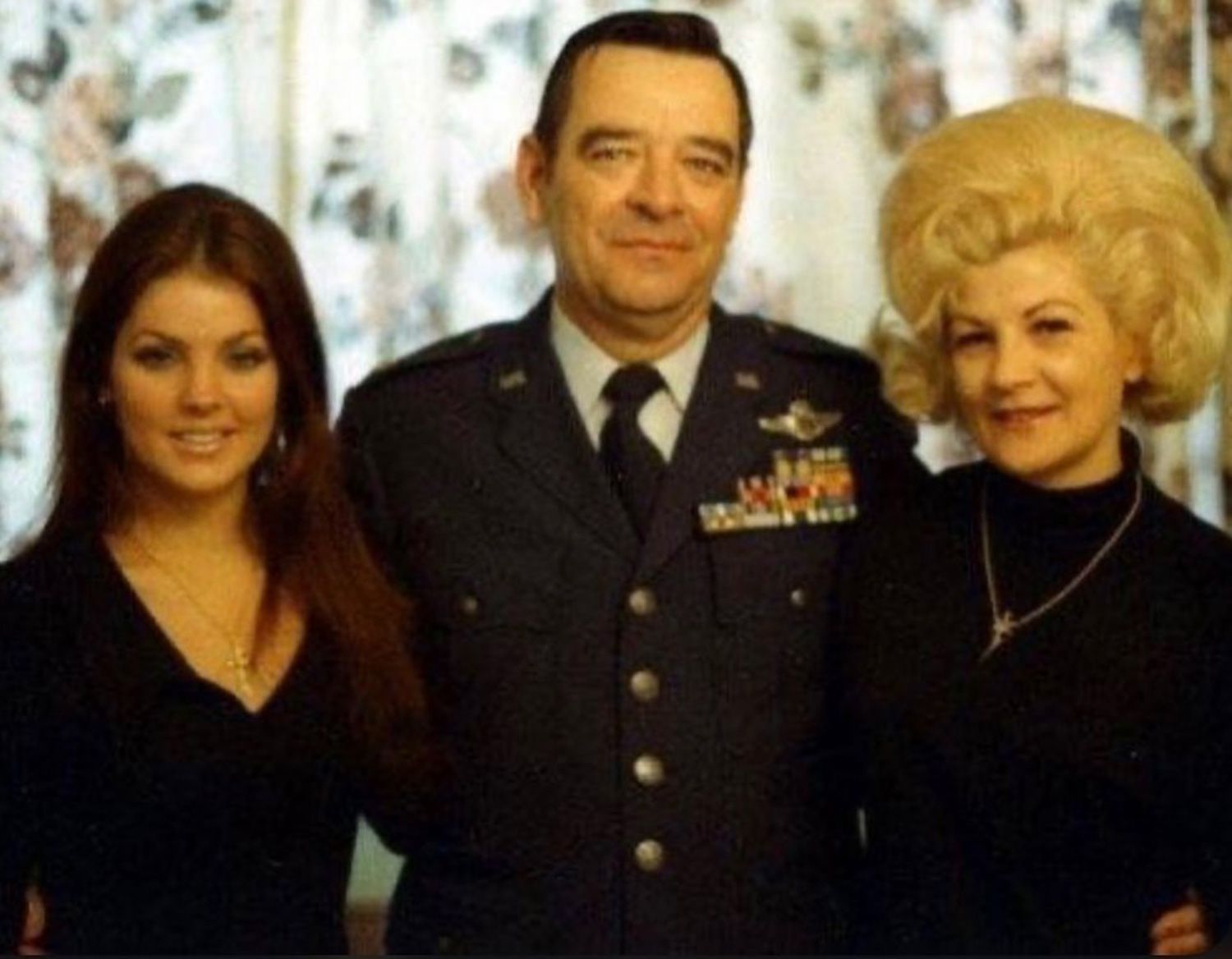
Finstad forms as the spine of her book Priscilla’s commitment to artifice and this all begins even before she was born with her mother, Ann. In Child Bride, you’ll get the story of Anna Iversen (Norwegian) and her marriage to handsome James Wagner, a navy flyer. After a sudden marriage, Anna and Jimmy welcomed a baby girl into the world and named her for Anna’s favourite actress, Priscilla Lane but, sadly, James Wagner was killed in a plane crash when Cilla was still a baby. Finstad makes much of the fact that the art of subterfuge began then for Priscilla when she was but a child. Her mother remarried, a Canadian Air Force officer Paul Beaulieu, a jealous man who did not want James Wagner’s name uttered in his house. Subsequently, Priscilla’s origins were kept from her until the fateful day she stumbled on some pictures in a closet. A pivotal moment came when Priscilla was shocked into the realization that the man in her home was not her father but instead her father had been a handsome flyer who had died a tragic death. This point needs to be talked about as these generational factors should be considered when analyzing the remainder of Priscilla Presley’s life.
“It was Ann Beaulieu, her mother, who was obsessed with the idea of Priscilla moving to Graceland to become Elvis Presley’s de facto child bride.”
Ann Beaulieu became the very essence of the stage mother. Priscilla is described as her mother’s “salvation” and she became “completely absorbed” in her daughter, particularly in her daughter’s appearance that is described as “supernatural beauty”. But it is reiterated time and again by Finstad that the core of this story is Priscilla’s feeling of displacement, of looking like her father and not like anyone in her home, leading to her closed “sphinx-like” nature and we see the origins of secrecy and subterfuge are cast in stone early in life.
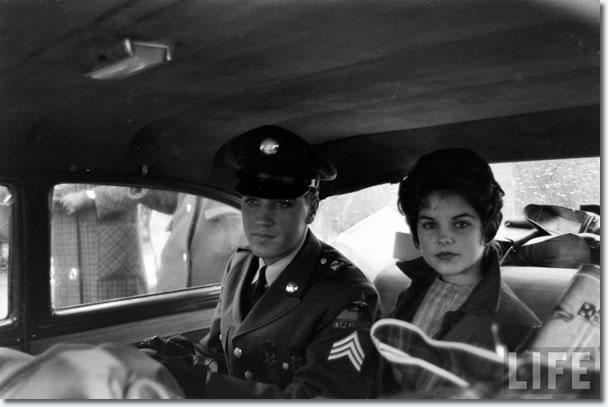
Another pillar of Finstad’s book is refuting many of Cilla’s claims regarding her first knowledge and meeting of Elvis Presley. The story on this has always been that Priscilla and her parents had been indifferent to his music but Finstad can trot out many people who knew the Beaulieus at this time that can relate that mother Ann was “crazy about Elvis” and “a big Elvis fan”. More and significant refutations come in the relationship between Priscilla and Currie Grant, a sordid tale I expounded on in my piece on Priscilla. Currie and his acute memory – and the fact that he lives on still, as of this writing – are quite fascinating. When comparing the two stories I’ve had to ask myself why would Currie claim such things if they were not true? Conversely, I ask myself why would Cilla deny them? Who has more motivation to take the stand and make the claims they did? Currie’s claims make him look bad as a statutory rapist. Priscilla, though, has been forced to apply the spin – or flat-out lies – she always has to avoid having the world think she was an opportunist and to think ill of her parents. There is so much room for speculation and the reader must look at the facts presented and decide what seems most feasible. Consider this passage from the book –
“Contrary to legend, neither Ann nor Paul Beaulieu exhibited the slightest hesitation about sending their not-quite-ninth-grade daughter to meet Elvis Presley…why would the parents of a fourteen-year-old girl allow their daughter to meet a twenty-four-year-old sex symbol at his home? Priscilla later created the fiction, perpetuated in nearly all Elvis folklore, that her father and mother were extremely strict and opposed the meeting with Elvis – perhaps partly because she was embarrassed (what kind of parents would consent?) and partly because her parents’ enthusiasm about the meeting and their consent were not consistent with the proper image she would present once her association with Elvis made her famous…Paul and Ann Beaulieu were seduced by the glamour and glory of Elvis. Priscilla’s teenage boyfriends didn’t stand a chance.”
It is put forth by Finstad with corroboration from many who knew the family at the time that there was a secret darkness at play in the Beaulieu household and it is suggested that Elvis presented Priscilla with a way out. Paul Beaulieu bullied his family into perpetuating the charade that Cilla was his blood daughter which had a detrimental affect on Ann Beaulieu and all the while Priscilla is struggling with having to hide truths from the world and dealing with the oppressive atmosphere in her home. This all needs to be discussed as we try to pinpoint the precise motivations that lead Cilla to leave her parents for Presley in Memphis. Finstad bluntly states that both Paul and Ann Beaulieu were starstruck with the idea that their daughter should be desired by one so popular as Elvis and basically brokered the deal that sent their teenage daughter to the king’s bedroom.
“He was literally her fantasy come true…every teenage girl’s paradise found. She was his dream girl, the perfect child-woman Elvis had created in his mind. She represented the beloved mother he had just lost; he was the dead father she had just found – a beautiful, black-haired soldier who could remove her from reality, who would be her guardian angel and protector. Priscilla’s resemblance to Debra Paget linked her with Elvis’s mother in his mind, Elvis considered Debra’s face strongly similar to that of Gladys Presley. Of course, the person Priscilla Beaulieu really resembled was Elvis himself; they were mirror images of each other.”
“Elvis naturally assumed, since she was barely fourteen, that Priscilla was a virgin, and she affirmed this while they were talking and making out in his bedroom. According to Currie, however, Priscilla had had intercourse with him a few weeks earlier…Elvis’s old-fashioned southern insistence on a virgin bride was the quintessential Catch-22 for Priscilla Beaulieu. She had made the ultimate sacrifice – her virginity – in order to actualize her dream of meeting Elvis, only to discover that in doing so she had effectively disqualified herself from ever becoming his wife. If Elvis ever found out…“
Elvis Presley dallied with many women. With Priscilla it was different because of her mystical connection to Gladys Presley and Debra Paget, Elvis’ ideal. He was bowled over by what Priscilla represented and he could not be without her – at least in some capacity, she had to remain a part of his life. Maintaining her presence necessitated much negotiation with the Beaulieus who were captivated by the thought that their daughter should one day be the bride of the king of rock & roll. This negotiation was always inevitably leading to marriage, without which Elvis risked a scandal that could rock his career. Elvis and Priscilla then had both began a journey that turned into a runaway freight; neither necessarily wanted to get married but neither really had any choice. All this is presented as undeniable in the pages of Child Bride. And to this Elvis Chronicler, it seems to make sense.
“Elvis Presley and Priscilla Beaulieu’s marriage was a tragic misalliance of two strikingly incompatible people. They wed because they were both bound by dreams they had outgrown – he to an obligation undertaken on impulse four years earlier, she to the fantasies of a 10-year-old girl.”
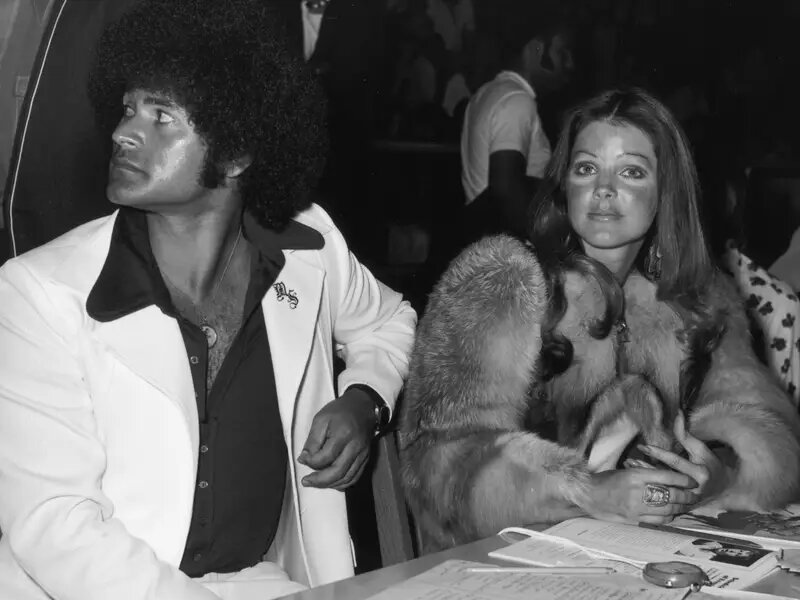
The post-Elvis segments of the book paint Priscilla as someone who sadly could never really be herself. Someone who had put forth a fiction posing as fact and one who had to carefully live by that fiction the rest of her life. Her relationship with karate expert Mike Stone is detailed as a time when Priscilla finally became an actual person, one who had to deal with the slings and arrows of life somewhat on her own. The particulars of her divorce from Elvis are explained and the reader learns just how little conception of money both Elvis and Priscilla had. There is discussion in the book that the divorce precipitated his decline but I don’t think it is that simple. Some interviewed for the book declare that Priscilla killed Elvis by leaving him but the failure of his marriage was but one more element of Presley’s life that proved unfulfilling and all these things together sucked the joy out of his existence. The reader must consider that by divorcing Elvis, Priscilla became an even bigger villain than Col. Tom Parker and that is simply not fair to Cilla.
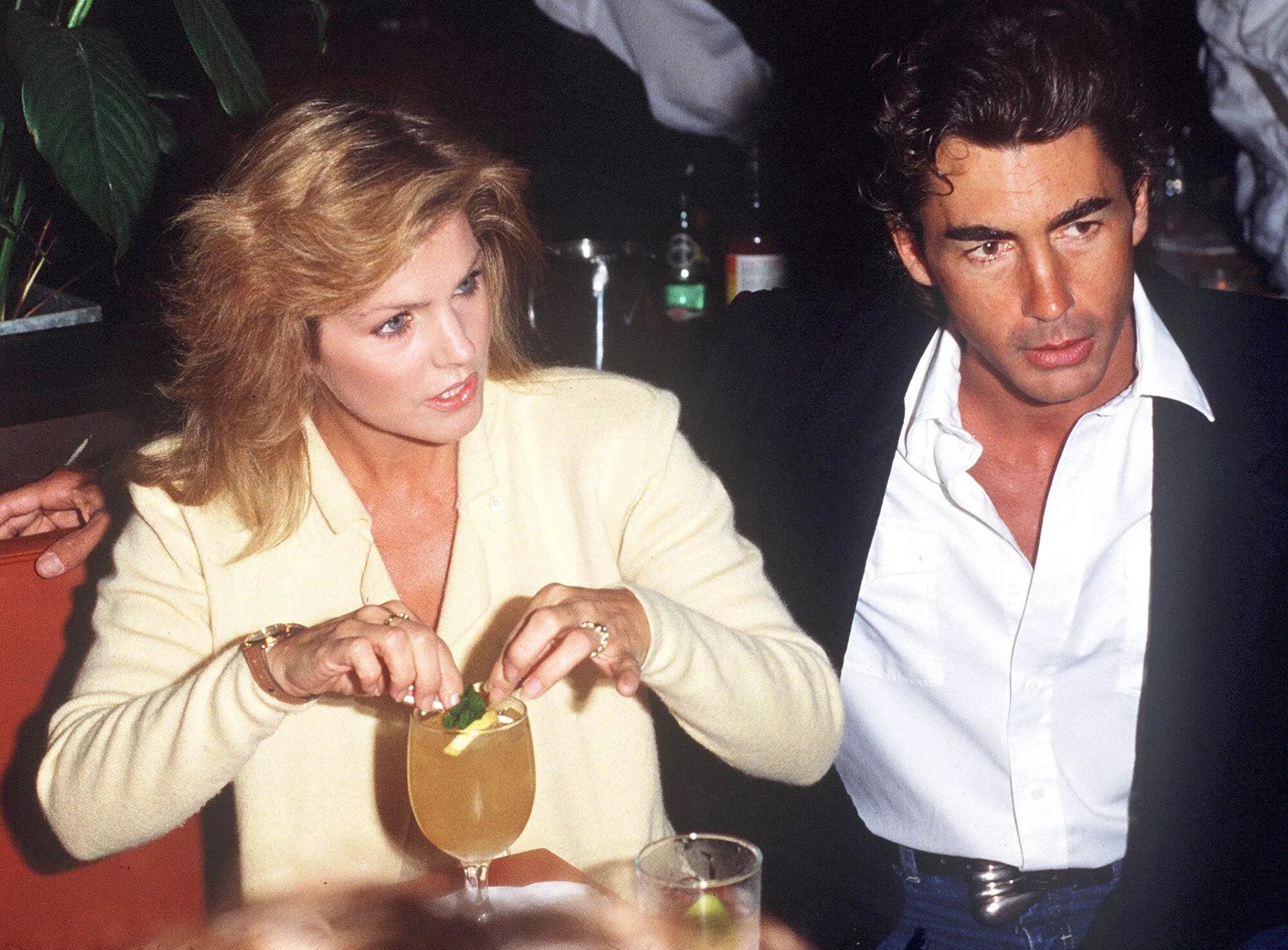
Here may be the only place extant for the full story of Priscilla’s life post-Elvis. In Child Bride, her ventures into fashion and acting are detailed and the case is made that while Cilla wanted to stand on her own two feet, she also realized that her future lay in the Presley name; this is at one point in the book poignantly referred to as “the tyranny of forever being linked to Elvis”. It is pointed out that at one time Priscilla had many in her circle actively pursuing money-making possibilities and the story of Priscilla Presley as a business woman is laid out plainly. There is much pertinent discussion concerning Elvis’ estate and the fact that Vernon left Cilla in charge when the Presley pater died in 1979. Priscilla was not Elvis’ widow nor was she named in his final will. So, why Priscilla? In legal jargon, she was a “stranger to the estate” so why her? To me, this question is a ludicrosity. Who else is it gonna be if not Cilla? Finstad takes pains to explain to the reader that Lisa Marie was key to Vernon’s decision. Well, of course she was. The fact that Priscilla took charge after Vernon’s death enrages many rabid Elvis fans but really – who else was it gonna be? Of course it was the mother of Elvis’ descendant, Lisa. And it is not like Priscilla ever did anything egregiously wrong with the estate. Today, it is a behemoth and my family and I have enjoyed many trips to Graceland. If this is down to Cilla’s work, then she has my gratitude.
“Elvis Presley was making more money dead than he ever did while he was alive, and the instigator was Priscilla. How much, really, did Priscilla have to do with the estate’s dramatic success story? Less, probably, than the hype would suggest but more than her critics would give her credit for.”
So, is Priscilla Presley a survivor or an opportunist? A liar or a victim? Basically all the info you need to make your decision is presented here but I will say that the slant is at least slightly against Cilla. Child Bride tends to dump on her but at the same time presents a family history that suggests absolution for her, at least somewhat. Her being with Elvis is a topic that invites endless debate. Theirs is a sad story of smoke and mirrors. Priscilla and Elvis were cosmically linked, yes, but she was simply not what he wanted. She pretended to be but she was not and this is not really her fault. He projected onto her his desires and preferences and she of course wanted to live up to that and to be accepted by him; who wouldn’t? Priscilla created a character and then was stuck playing that role for all eternity. The fact that many particulars regarding their union are largely myth is neither here nor there, actually. The truth behind the myth just needs to be accepted and then we move on. Who really cares if she wasn’t a virgin when they met? Just give us some truth.
“This image of Priscilla as the demure innocent was perpetuated by Elvis and ingrained in the public perception of Elvis and Priscilla. How could she reveal to millions of Elvis fans, faithful to the myth, that she had never really loved Elvis in the way they believed, that she was not his mama’s virginal reincarnation, that in fact she hadn’t wanted to move to Memphis at all, that she was in love with someone else?”
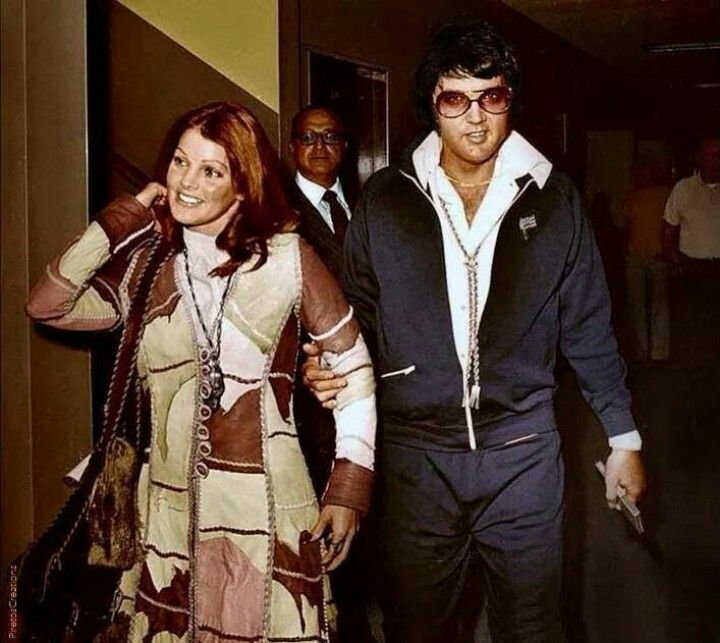
The fact that she wasn’t what he thought she was when they met became a prison for Priscilla. And it turned out that it was “Elvis Presley” Cilla loved, not Elvis Presley. The relationship was illusory on both sides and both would have probably loved to have severed the relationship before marriage but Cilla’s folks and the potential scandal put them on a path to the altar. This is not to say that love never entered the equation but the feelings and the affection were built on illusion and were more akin to a father-daughter dynamic. No one is to blame but the canonical story of Elvis and Priscilla is simply not factual. As a teenager in an oppressive, secretive home, she wanted out and was transfixed by a potential lifestyle and goaded by her parents’ insistence. He thought she was the virginal innocence he so desired, thought she was Gladys reincarnated and Debra attained. At points, the reader might be mad at Priscilla – “you lied to us!” – but sensible folk will plainly see that she was caught up in the maelstrom. Really, she comes out as yet another victim in Elvis World; Child Bride posits that she was “coerced”, “made to go” to Elvis, and “got sold” into an arranged marriage. Then again, while she may have been a victim, she certainly seems to have understandably made the most of her situation, wielding the Presley name and her beauty as clubs, dual weapons that have served her well.
“Priscilla, beyond anything else, was the consummate survivor. She had endured the torment of her confused identity and childhood; the discovery of the secret in her mother’s trunk; the trauma of her sexual experience with Currie Grant; her indoctrination, at fourteen, into sex, drugs, and rock and roll; her parents’ dictate separating her from the boy she loved and forcing her to move to Memphis to live with a complex rock star she no longer desired; the scandal and embarrassment of her years in sequestration at Graceland…the hard-earned achievement of her childhood goal to marry Elvis; her years of sexual rejection by her husband; and betrayal by three lovers in succession, one of whom lusted after her daughter. She had submerged, sublimated, and suppressed the person inside her and played the role necessary to realize the obsessive dream she fantasized for herself as a child: to marry Elvis Presley.”

Be sure to check out The Truth About Priscilla
 SoulRide