“I say many things”
Sometimes when I’m “on” or really animated and running my mouth I will pause and say comically “I say many things”. There’s one thing I always like to say when I am hearing a song or a band for the first time; “I’ve never heard this band before”, I will say, “they must not exist” as if to say I’ve heard of every band and every song in existence. Its funny – I often am – but its by no means the truth. Even though I eat, sleep and breathe this stuff many songs and movies have simply gotten by me. I will say that I have a deep and intimate knowledge of the popular music that was made from the 1940s right up until 1992. I understand the timeline, I am well aware of anything that happened in music between those years and I am more than ready to discourse with you. But some specific things I simply have not discovered yet or have not dialled into deeply to see what’s there for me. Some things I’m not interested in (Frank Zappa) and some things I know are significant but I just haven’t got there yet (Highway 61 Revisited). This doesn’t bother me, though. Not having heard the record or seen the movie just means there are still more worlds to conquer and I like that.
Many of us grew up with a father or older sibling who turned us on to a certain band or style of music. I have an older brother who hipped me to Led Zeppelin at an early age but I never really had a childhood experience with Pink Floyd. My brother and his friends actually liked them, too but I think I was simply too young and Pink Floyd’s music has not ever been exactly accessible or easily understood. They were over my head. I also grew up with the impression that they were not much more than a “drug band” as evidenced by all the stoners I knew who were heavy into “Floyd”.
A lot of life is timing. Some movies I revisit and only now as an older person do I understand what the director was saying or the import of that scene. And I have to wonder if I had explored Pink Floyd as a teenager if I would’ve really been able to pick up what they were putting down. Maybe, but… Fast forward to recent times. It is only lately – in the 2020’s when I’m in my early 50s – that I bought Dark Side of the Moon; once on CD and twice on LP (I upgraded to a brand new copy). I feel like I understand that album pretty well now but there was still the “other one” that I had yet to really explore.
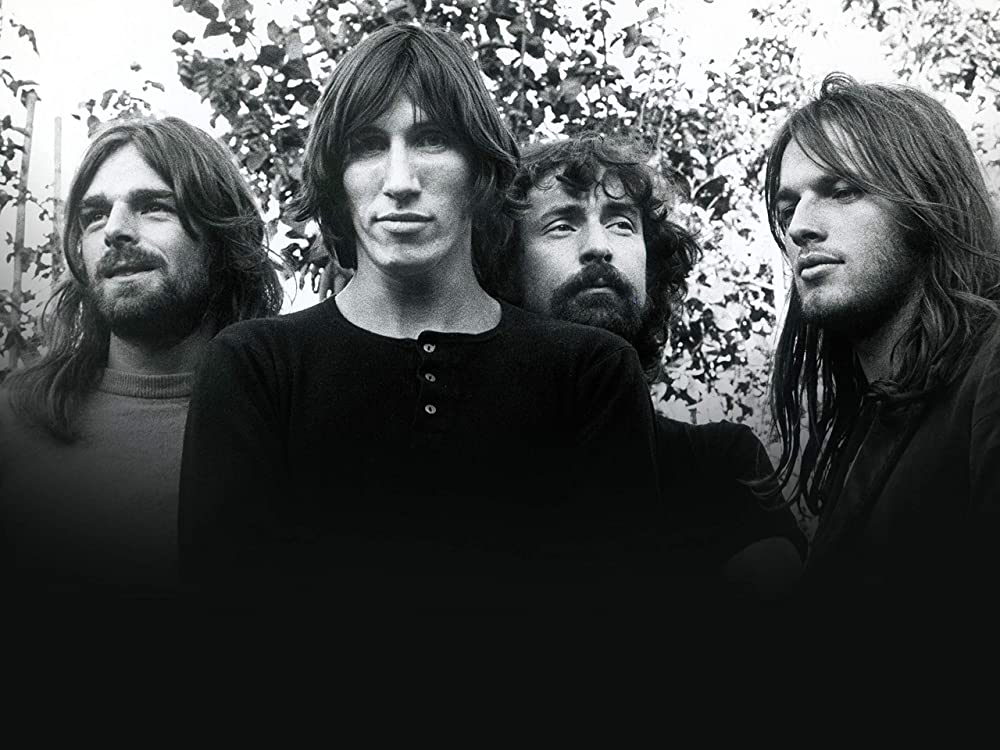
The Wall is Pink Floyd’s 11th album and was released in late 1979, almost two years after their previous record, Animals, came out. I bought the album on 180 gram vinyl during a months-long record shopping spree that saw me buying brand new records for a change and paying much more than I usually do. It sat in my Up Next section slowly working its way up to the turntable and seeing it there would always excite me. Then I got to thinking about the film. The album inspired a movie version that was released in 1982, directed by the late Briton Sir Alan Parker (Angel Heart) and starring Bob Geldof of Boomtown Rats and Live Aid fame. When adding it to my Letterboxd Watchlist I looked to see where it could be viewed and, wouldn’t you know it, its not streaming anywhere. Of course it isn’t. But these things often look after themselves for me. On vacation in central Florida, just about when it was time to listen to the album, I went into a Restore of all places with my stepfather. Guess what was sitting there among the DVDs for a buck. Once back home I looked at The Wall LP and over at the Pink Floyd – The Wall DVD. Back to the record, over to the movie. It was obvious what I must do. I would make it an event; I would pick a weekend and listen to the album for the first time and watch the film for the first time. Maybe I could knock out some thoughts reporting my findings. Let’s take it from the top.
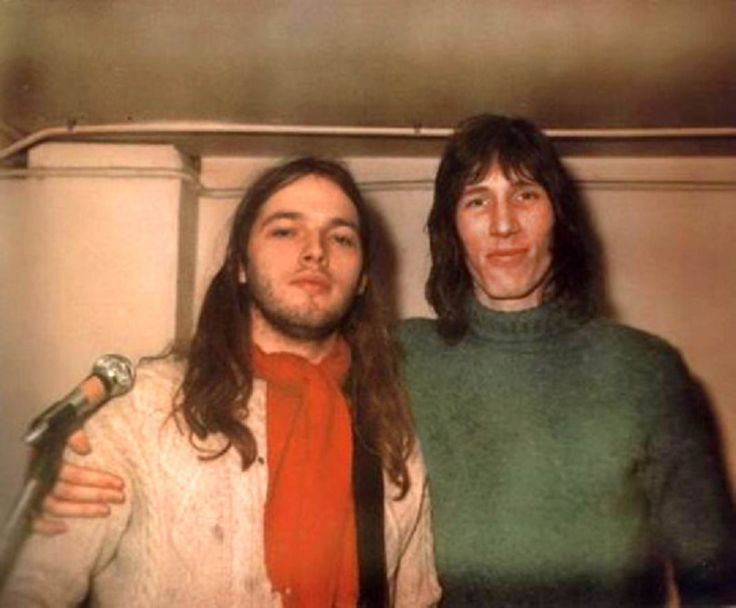
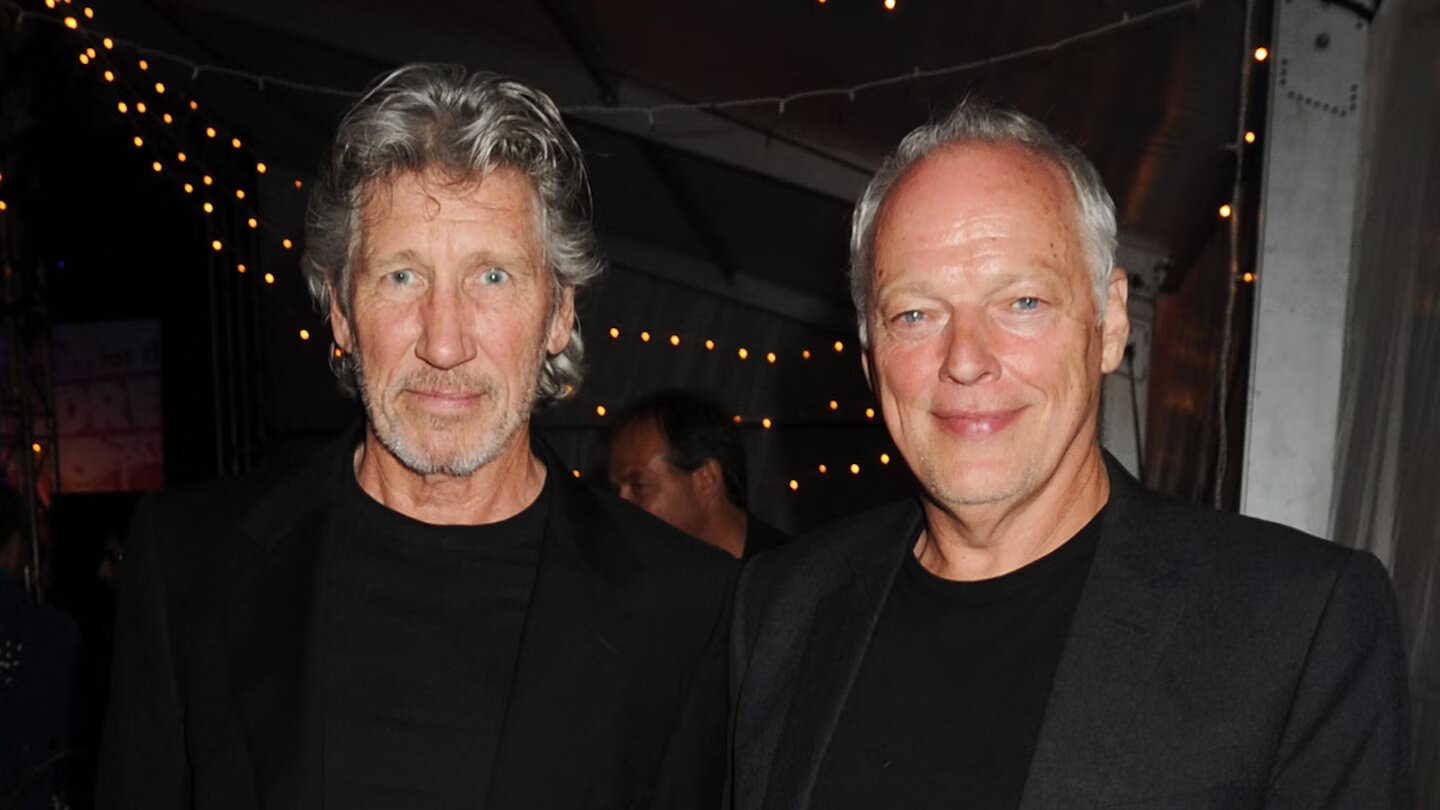
It is a common story in rock music that a band will have two musical forces, two people who each have a high level of artistry and who come together to make an incredible product. Lennon and McCartney is the obvious one but also Jagger and Richards and Hodgson and Davies of Supertramp. So often these acts will eventually splinter when each of the two men want to go their own way and pursue their unique vision. We can certainly add Pink Floyd to that list but with a slight difference. We can argue and compare the contributions of bassist Roger Waters and guitarist David Gilmour another time but there are some truths we must accept about their roles in the band. Pink Floyd’s early identity was set by original leader Syd Barrett but heavy use of psychedelics and erratic behaviour lead to his ouster. With Barrett’s release, Waters took over the artistic vision of the band. Quickly I would say that these two leaders – Waters and Gilmour – are not exactly equal. So much of an artist’s identity comes from what they sing about – and this always makes me think of Elton John who has had basically every word of every hit written for him by someone else, Bernie Taupin. It was Waters who took charge of the band and decided what their songs would be about, writing the lyrics for two of the greatest and most influential rock albums ever, Dark Side of the Moon and The Wall. Consider that Waters conceived the concept for the former and the band approved it and the same would happen with the latter. Yes, after Waters left in 1985, Gilmour took charge of the band. Without Waters, Pink Floyd released three studio albums, all fine sellers but all receiving mixed reviews and ambivalence from critics but through the Gilmour era the band were a touring juggernaut and they released successful live albums. So, you could argue that Roger Waters has had much more to do with the success of Pink Floyd than has David Gilmour. Having said that, Gilmour’s rep as a guitarist is unimpeachable and I have heard it said that he is the missing link between Jimi Hendrix and Eddie Van Halen and, for many, “the only 1970s guitarist that matters”.
I went into my exploration of The Wall – album and film – with a lot of thought. I had to ask myself if I wanted to do a lot of research first and I had to decide about the timing and the setting of my venture and things like should I have the lyrics with me? My sons are chips off the old block and the oldest will often avoid reading anything about a highly-anticipated film before he sees it, not wanting to be influenced in any way. I considered just putting the record on and seeing where it took me. I decided in the end to read up, though not wanting any of the import to pass me by but there is something to be said for how you go into these things.
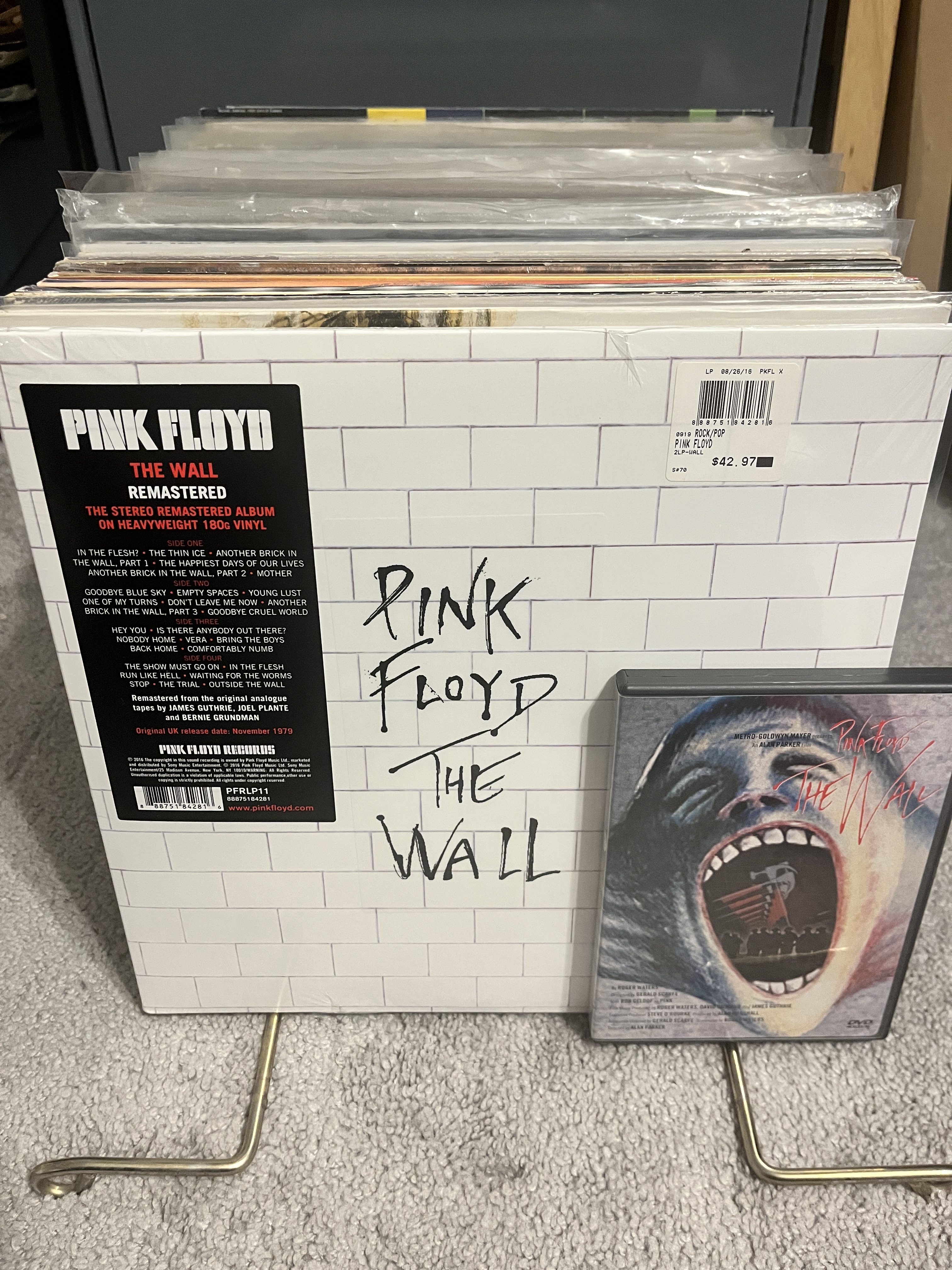
I spoke into this magic box I always carry around with me and asked it which I should consume first; the album or the movie. Through the wonder of this pocket-sized bit of artificial intelligence I was quickly informed that one must listen to the album first. The boys at Reddit are unanimous stating the obvious that it was an album first; it was originally conceived as a record and told a linear story that had to be tweaked for the visual medium of film. And an “AI Overview” suggested that listening first will give you the total breadth of the tale and allow you to better understand the themes presented in The Wall. And the themes are substantial.
Roger Waters’ creation of The Wall was borne out of severe frustration, alienation and despair. Touring in 1977 for the band’s previous album, Animals, was a traumatic experience for Roger and he consulted a psychiatrist. Waters talked about a desire to construct a wall between himself and the audience. When the band reconvened in the summer of 1978, Waters presented two concepts to the boys and the band chose the story of a man and his self-imposed exile from the world.

The Album
Here’s what I learned. The Wall tells the story of Pink, a fictional rock star whom Waters based on himself and Syd Barrett. As the record opens, Pink is giving a performance and is about to share his life story with the audience. In a flashback then, we see that the anguish of Pink losing his father in World War 2 begins his building of a metaphorical wall around himself. Additional bricks come through his experiences with tyrannical and abusive teachers and an overprotective mother. As an adult, though married and a popular musician, the emptiness of casual sex, his wife’s infidelities and his violent outbursts resulting in trashed hotel rooms all add to his traumas. Finally, depressed and feeling trapped, he shuts down, completes his wall and cuts himself off from the world.
Pink then finds that isolation has not healed his hurt and is not the answer for him. Locked in his hotel room, he hopes his material wealth will soothe him but to no avail. Eventually, roadies and his manager have to break the door down and prop him up with drugs to perform. The drugs, though, send Pink over the edge and he skirts the edge of madness suffering hallucinations of Fascism and violence. Eventually Pink emerges from this netherworld riddled with guilt, placing himself on trial before his inner self. The verdict he receives is to tear down his wall and re-enter humankind. The ambiguous ending of the record suggests, though, that this existential crisis is cyclical and will never truly end.
I found The Wall to be an eerie drama and somberly transfixing, a mood aided no doubt by the garish graphics of artist Gerald Scarfe used on the album and later on tour and in the film. I heard in “The Thin Ice” a warning, a suggestion right from the start that things – in this story and in life itself – are not going to be easy and “Another Brick in the Wall, Part 1” sets a theme of abandonment. The production – supervised by Canadian Bob Ezrin – sparkles and the songs blend into each other seamlessly.
I hate to be common and it is common of me to single out “Another Brick in the Wall, Part 2” but I will as I have always liked the song. I remember hearing it at the “listening station” in my grade three classroom. I have always considered it to have the structure of a blues song at its core but it is also interesting to hear the hissing of drummer Nick Mason’s hi-hat, a sound that was one of the hallmarks of disco. Mostly though the appeal for me is down to David Gilmour’s crisply perfect solo, one I have counted among my three favourite guitar solos. Gilmour’s electric strumming and Waters’ bass line both sound great on this tune. Speaking of Gilmour, he sounds spectacular throughout the album playing electric and acoustic guitars and often bass and just putting on a clinic of restraint while also letting loose on some great spotlight moments.
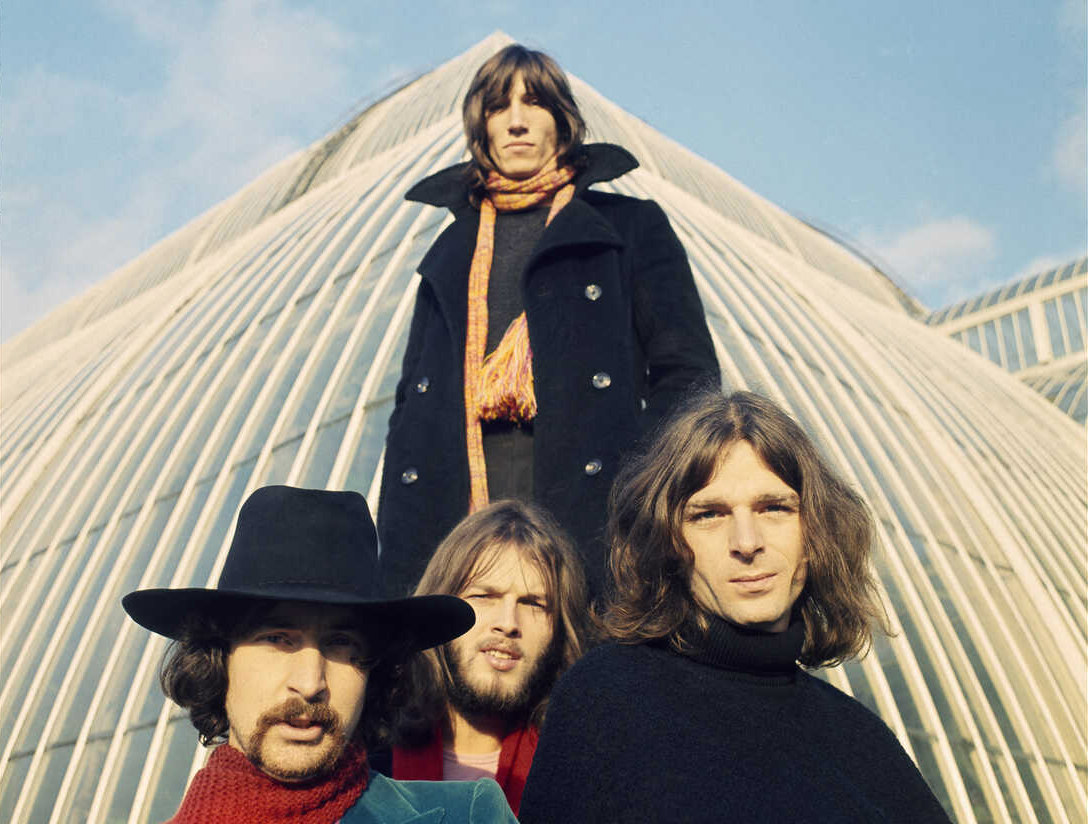
Roger Waters is not endowed with a fantastic voice but he uses it well throughout the record sometimes singing at the top of his range when he thinks the sound of strain is called for and sometimes employing various accents as he portrays many characters in these songs, particularly on “The Trial” which comes off as a real show tune. There is canny use of synthesizers throughout and I noticed that most of the songs are sparse lyrically with the exception of some like “Comfortably Numb”, “Mother” and “Run Like Hell”. I was stunned to hear that Beach Boy Bruce Johnston and one-time Beach Boys touring vocalist Toni Tennille were used on a few songs on the album. I did, however, read at one site that while their vocals were recorded they were not ultimately used but, adding to the uncertainty of it all, both Johnston’s and Tennille’s names appear in the end credits of the film as performers. The voice of the American groupie is provided by Canadian actress Trudy Young who apparently now is retired and lives near Oshawa, Ontario, only some 130 kilometres from where I sit now. Also a welcomed sound was the orchestral work of the prolific Michael Kamen.
In terms of the narrative as a whole I noticed there were few sustained moments on the record as instead there are many brief statements and shorter songs with Gilmour’s killer work on “Another Brick in the Wall, Part 2” and “Comfortably Numb” two exceptions. But the main point that challenged me was Waters’ decision to take the story into Fascism with the hallucination of the Neo-Nazi rally. Frankly, considering how the story had started, this was jarring to me. I struggled to understand the direction the story took from a broken man – a victim, essentially – who’s life has injured him and who desires isolation from the world to a brownshirt rally and chasing minorities down the street.
And as I listened to the end of the album I was asking myself “why guilt?” – what was Pink on trial for? What was he guilty of? Has he been guilty of something all this time? But in “The Trial”, he is only accused of having shown feelings of a human nature. But what is he guilty of? I felt like the wall coming down should have been for his own good and for his welfare. Instead the lyrics say it is to expose him; but as what? As a perpetrator of what? I hoped – and I shouldn’t have set expectations beforehand, I know – that Pink would find healing. He has been victimized but then it seems he gets in trouble for dreaming of being a Nazi and then somehow the sentence is for him to tear down his wall. I hoped that the tearing down of the wall would be to free him, to release him, to save him from his torment. Undoubtedly, Roger Waters likely never meant for this work to be analyzed so literally but instead to allow its ambiguity to invite discussion and for the listener to draw their own conclusions.
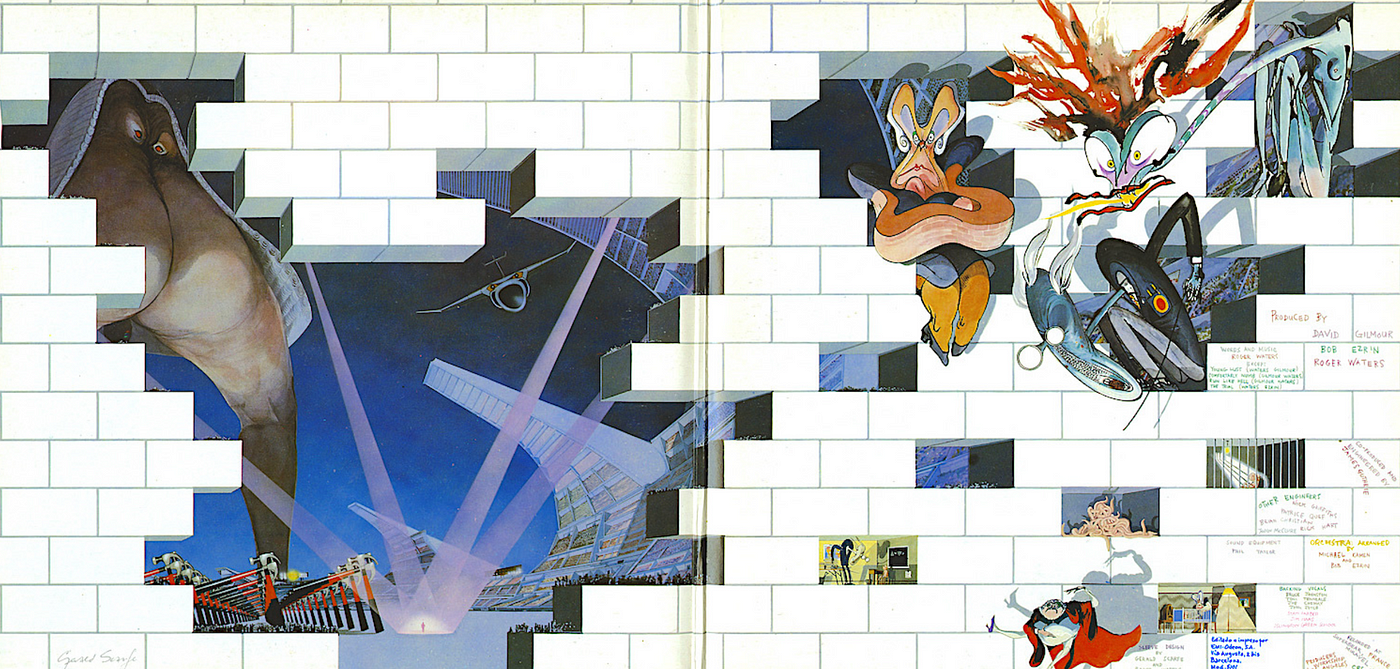
Then I discovered some resources on the internet that made me think of it another way. The story is of Pink who suffers through life and recedes, building a wall between him and the outside world. Then when drugs make him hallucinate images of Nazism he feels guilty, he feels terrible – he is feeling again – which is a sign that he is willing and capable and desiring to deal with people again, to engage with them through empathy and other emotions. I still thought it was a harsh way for Waters to get the wall torn down. Or was it? Nazism is one extreme example of what happens when people build a wall of ignorance and intolerance around themselves. Instead, people, I read, have a “personal, communal and social responsibility”. Makes sense to me.
The Wall with its brief chapters is maybe less accessible than Dark Side of the Moon as only a handful of the 26 tracks can really live outside of the album. And if you’re going to engage with this you basically have to be in for the whole 80 minutes. I found it darkly compelling.
Its amazing when such significant things emerge out of acute pain and hardship. When someone can turn personal torment into an artistic expression that resonates with literally millions of people. Many diamonds are made under the most extreme pressure and intense circumstances and that’s what happened with Roger Waters and The Wall.
The Film
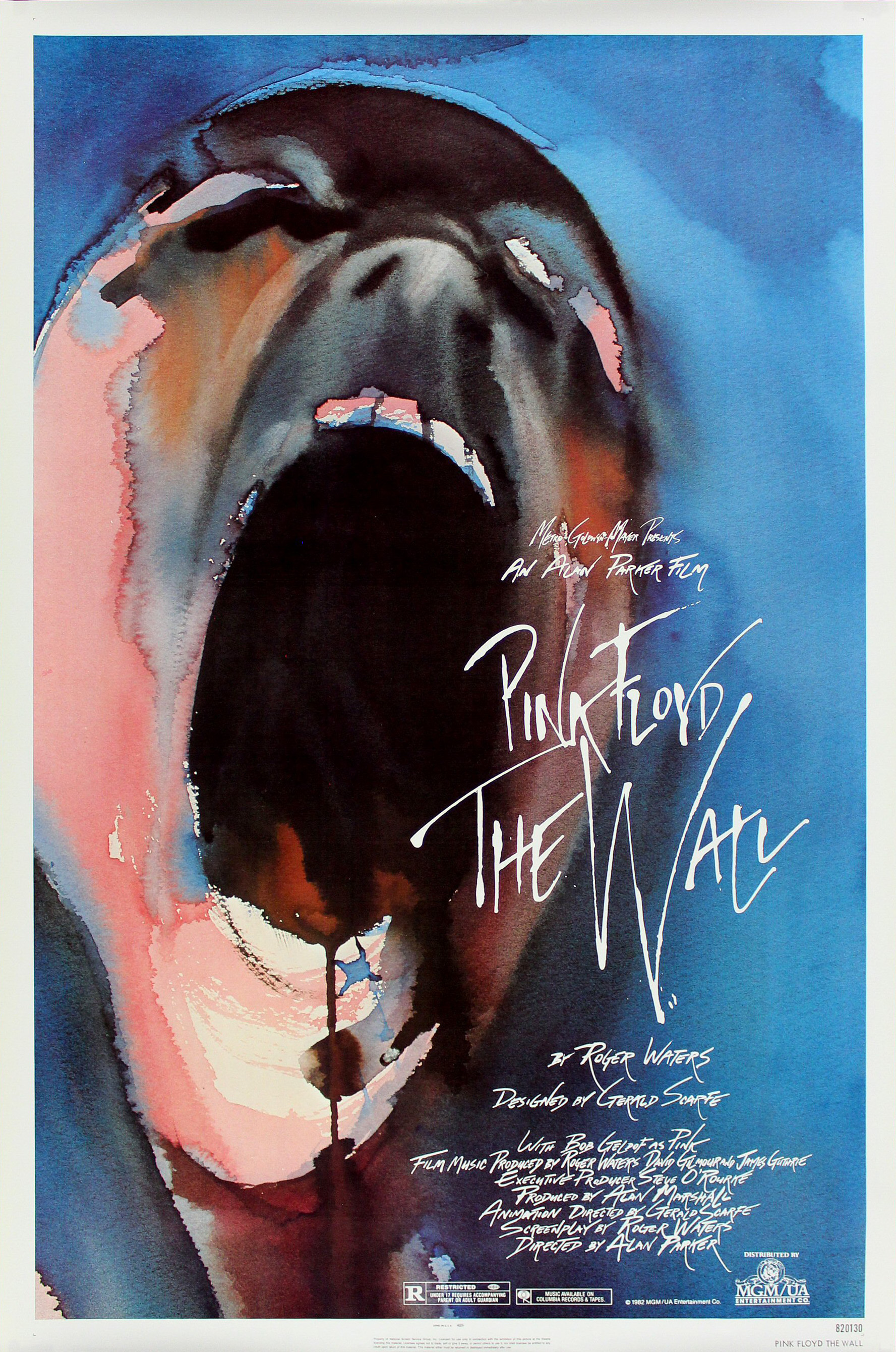
Even before the album was recorded, the intention was to make a film. But the idea was to make a concert film with additional scenes and animations and Roger Waters starring. But – and its an old story – EMI didn’t “get it” so plans were scrapped. Director Sir Alan Parker I know from the excellent Mickey Rourke film Angel Heart and he also directed Midnight Express (1978), Fame (1980), Mississippi Burning (1988), The Commitments (1991) and Evita (1996). Parker was a Pink Floyd fan and approached EMI about directing a film with the band and EMI suggested he get in touch with Waters. For his part, Waters read a book on screenwriting and penned the screenplay himself. Sadly, the production was filled with strife; Parker said the filming was “one of the most miserable experiences of my creative life” with Waters commenting that it was “a very unnerving and unpleasant experience”.
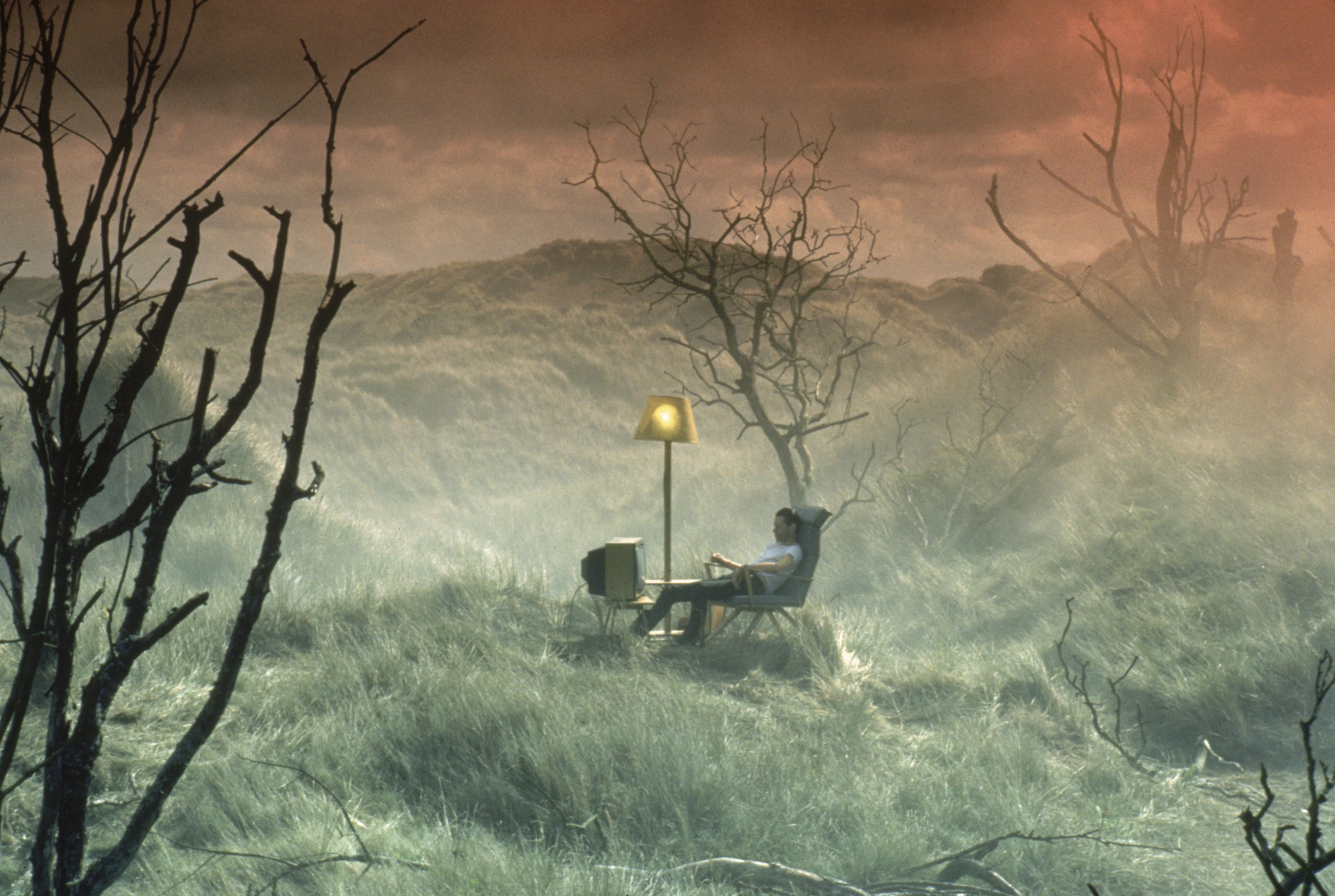
Somehow, musician Bob Geldof – not an actor – was cast as Pink. I’ve often come across this film due to the fact that the American groupie is played by Jenny Wright. Jenny I’ve basically grown up with due to her appearance in a couple of my favourites, St. Elmo’s Fire (1985) and – in a starring turn – Valentino Returns from 1989. Speaking of my favourite films, can’t believe Michael Ensign is in The Wall as the hotel manager. He played the driver’s ed instructor and the evil bus driver in License to Drive (1988).
The film basically follows the same narrative of the record with differences that perhaps will only matter to hardcore Pink Floyd fans. For me, the most signifiant story points of the film deal with the autobiographical depiction of young Waters having lost his father in the Second World War. The first note I made while watching the film came in the earliest moments when I wrote “the various casualties of war include those left at home”. Some soldiers came home shellshocked and if they didn’t come home the family was shellshocked. This is depicted poignantly in the movie by the two young lads playing Pink in his youth. At a park, Pink gravitates to a man and his son and tries twice to hold the man’s hand as the three of them walk along and twice he is sent away. As a boy a bit older, Pink navigates school and home life. He discovers his father’s things from the war in a dresser drawer, runs to his mother’s bed in the dead of night and generally is seen trying to cope with the absence of the father figure.
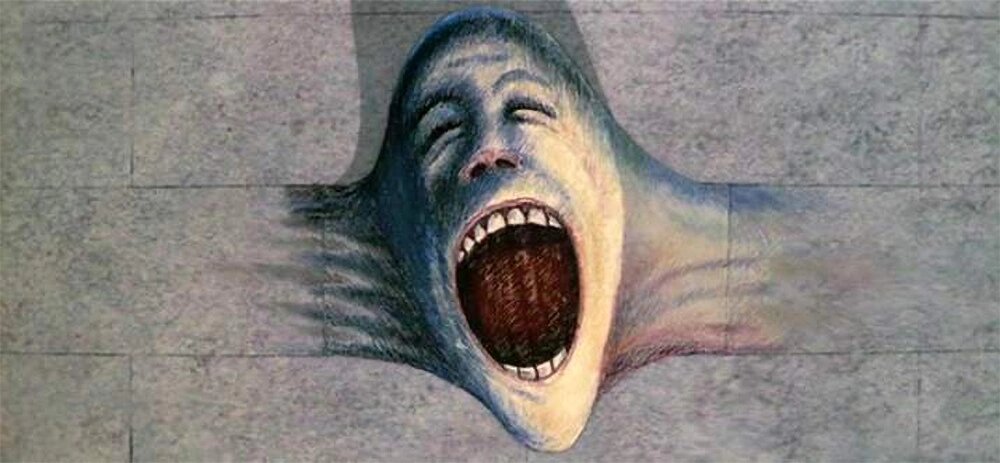
Alan Parker employs deliberate camera movements and drifts deftly from deafening violence to stone cold silence. There is much significant imagery including the juxtaposition of soldiers running in battle with kids running outside a concert auditorium and the kids at their school being shepherded through a maze and into a meat grinder making a specific statement of the worst elements of the education system at the time. Parker has said that the film depicts “Roger’s madness” and it does so competently with Gerald Scarfe’s fluid and bizarrely beautiful graphics. It’s tone is dark and quiet with very little spoken dialogue, some eccentric and unsettling scenes with some sad statements on the results of family trauma. Waters calls the film “extremely flawed” and cites the lack of humour as the reason. The story as told on record does, he says, contain a thread of levity but the film is devoid of that. And that’s a point well taken. Pink Floyd – The Wall is considered an “adult musical surrealist drama” and its tone is one of a certain horror. In the film a man is killed in combat, a child is left abandoned and eventually victimized and grows to an adult who is hounded by a creeping loss of sanity and an inability to cope with life. Added to this are animations that are sinister and macabre. The movie is a collaboration that is quite substantial.
The Wall was initially received with some disdain from music critics – some found it “overblown and pretentious” – but it was quickly embraced by the public. It went to Number One in the US and stayed there for 15 weeks. It has sold a staggering 30 million copies worldwide but it is still not the band’s biggest-seller; amazing to think that Pink Floyd is responsible also for Dark Side of the Moon and these two albums account for some 75 million units moved. The Wall though is still on the list of biggest-sellers of all-time and it bears the distinction of being the best-selling double album ever.
Never a singles band, the group did score a major worldwide hit when “Another Brick in the Wall, Part 2” was released and went to Number 1 in multiple countries. It is of course a statement of sorts against corporal punishment and society’s rigidity in general and school systems specifically. It may be the single most recognizable Pink Floyd song to the general listening public.
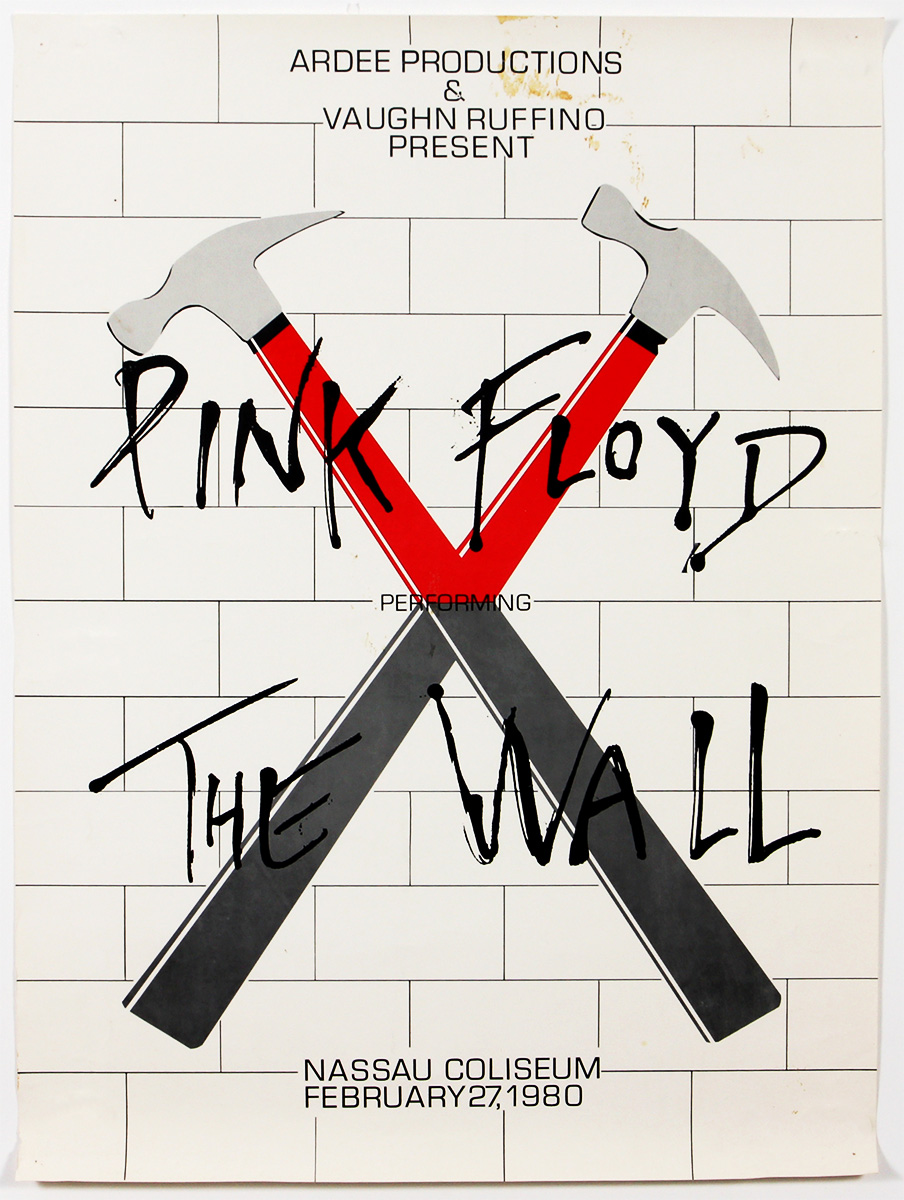
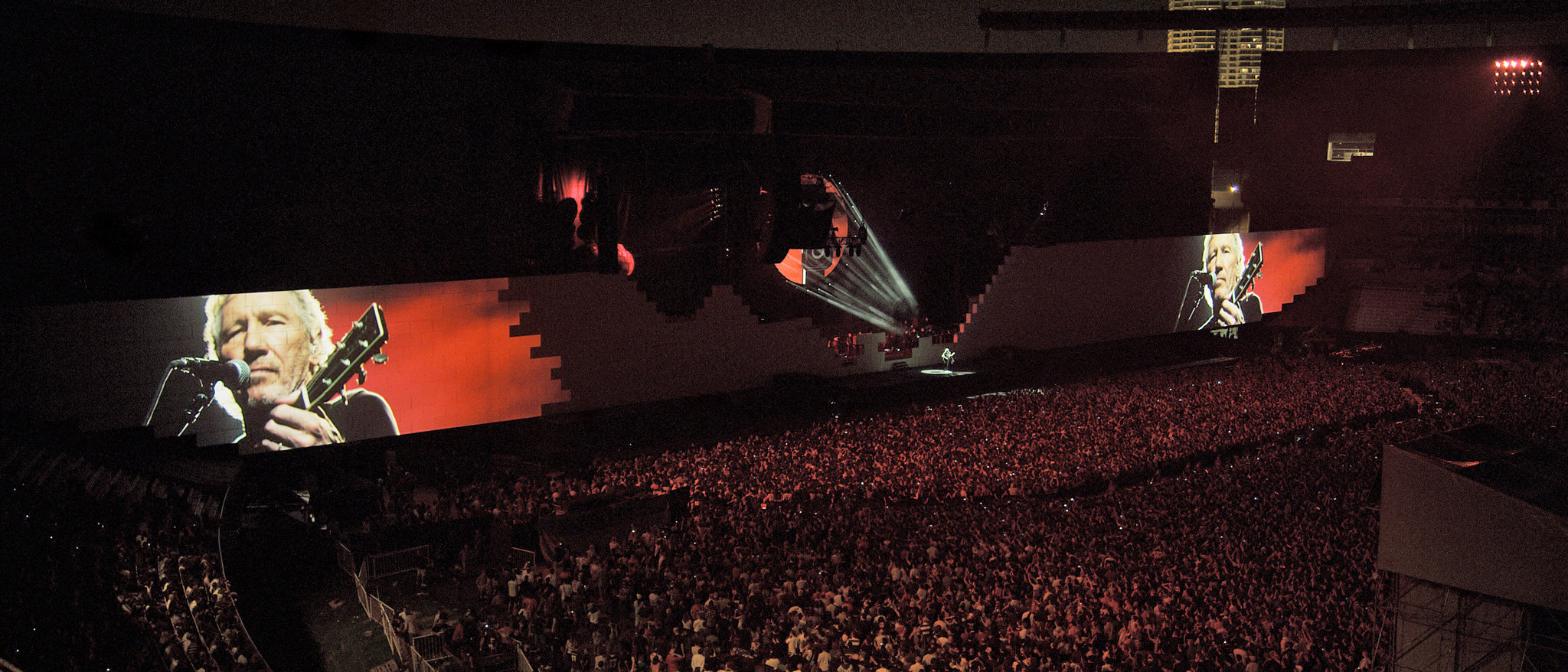
The band toured behind the record and it was extremely elaborate as visual theatre and of course it featured the construction of a 40-foot wall gradually built between the band and the audience. Massive inflatables were used as were Gerald Scarfe’s nightmarish visuals which were projected onto a giant screen. But tensions were terrible within the band at the time. During recording of the album, Waters actually fired keyboardist Richard Wright – always the handsomest in the band – and he was retained as a salaried musician. But when the tour proved so costly and the rest of the band lost money as a corporate entity, employee Wright came out ahead profiting from the tour. At one point the four band members would travel separately to shows in four Winnebagos. The RVs would be parked in a circle with the doors facing outward.
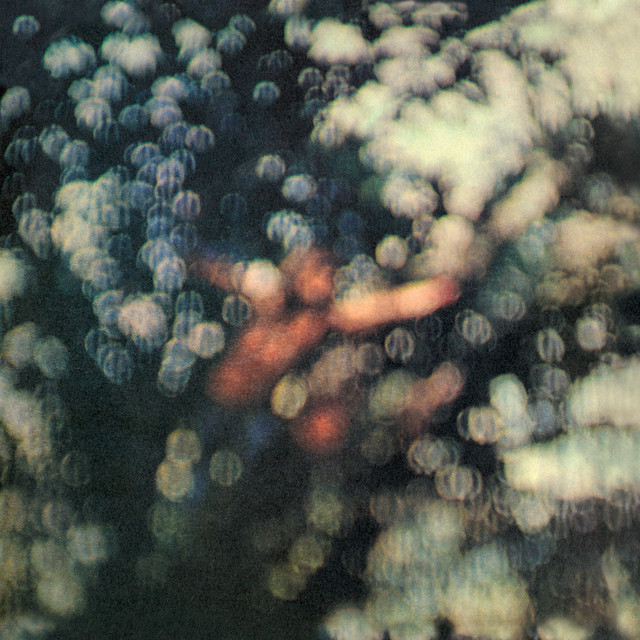
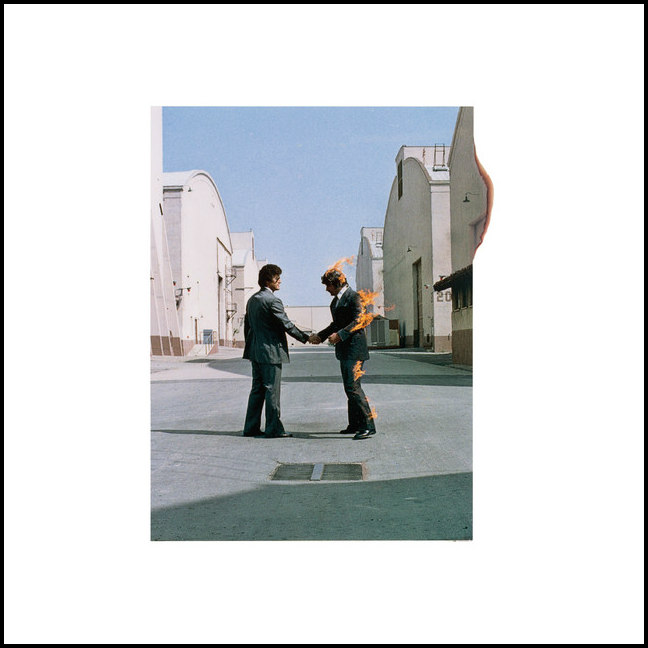
So, its been an interesting journey for me, exploring a new world, the world of Pink Floyd. I’ve always had enormous respect for them but it was the opinions of the people I’ve known that I’ve had to shake, people who have considered them little more than a backdrop for drug use or what psychedelics sound like. There is so much more going on with them. In the wake of this research I listened to the albums released before and after Dark Side of the Moon – Obscured By Clouds and Wish You Were Here – and really enjoyed them. I’ll be looking for them in the record stores but I know they are going to be hard to find and pricey. I did also hit Abebooks and picked up a copy of drummer Nick Mason’s memoir Inside Out: A Personal History of Pink Floyd.
I learned some hard things too like the depths to which relations between band members can sink. And I was challenged to maintain respect for Waters in particular. It seems he has been a machine of sorts when it comes to protecting the pursuit of his visions and bending the rest of the group to his will while seemingly being unable to compromise in any way, shape or form. And some of the opinions he has unleashed on the world may be problematic to many. Aside from reactions to what he believes when it comes to world politics and religion, I am often and here again left to think that I like it better when musicians stay in their lanes and refrain from bludgeoning us with their politics.
The tale Roger Waters told in The Wall is one of alienation. This rock opera is partly an autobiographical story of a child losing the anchor of his father and being cast adrift, ill-equipped to handle his existence. I feel like the scope of the story makes the album one that is not consumed lightly. The Wall is not background music or radio music as it is simply too substantial to be listened to casually. This can be seen as a positive or a negative. It is what I call an Event Record; I feel like one must plan to listen to it all the way through and do so in a controlled setting, one that is conducive to digesting it properly which may make it seem too cumbersome or like too much work to some. When you do sit down to listen to it or to explore it for the first time as I have here you will find open to you a sprawling and intriguing world of much substance – and a lot of great music.
Sources
- The Wall Analysis – FAQ
- PinkFloyd.net – The Wall lyrics
 SoulRide
We say more than one thing in a day
Brings back fond memories of a local FM station where I grew up – Tracks from Dark Side of the Moon and The Wall seemed to be on heavy rotation constantly. There would have been a big hole in their playlist without Pink Floyd and Dire Straits. 🙂
I’ve always been fascinated by Alan Parker, more about him personally than his films – a working class boy from Islington, North London, who entered the business by way of pioneering UK television advertising in the 60s (Ridley and Tony Scott, Hugh Hudson, also David Puttnam came up the same way), then wrote and directed Bugsy Malone out of frustration at being unable to get any British story commissioned. Many of Alan Parker’s interview’s over the years have been fascinating, if a little grumpy; he was very outspoken on how to fix the British film industry which didn’t always endear him to his peers. He also never held back about how much he despised critics, especially Pauline Kael. I think he might have been a bit of a tricky customer to work with at times.
I was interested in AP’s comments about The Wall, I’m trying to imagine the relationship with Roger Waters in particular…Alan Parker said something interesting when he made the decision to stop making movies, which I think gives a clue as to his way of working and perhaps has some resonance in terms of his experience on The Wall;
“I’ve been directing since I was 24, and every day was a battle, every day it was difficult, whether you’re fighting the producer who has opinions that you don’t agree with, the studios or whoever it is, because film, unlike art, pure art, film is hugely expensive, and the moment it gets expensive, you have people you have to serve…I’ve been punching out, all my life…to fight for the work…for our right to make our movie, the way we want to do it, and that’s hugely difficult, because it seems that you’re forever punching out.” He also said, “If someone likes my art, fine, if they don’t, fine…If they don’t like my movies, I want to kill ‘em…”
Some great insights as usual, sorry about being a little long winded in the comment…
Never apologize for going in depth. Writing the article, every time I thought of Alan Parker I thought of you as I know you have many thoughts on him.
Thanks for reading and your comment, as always.