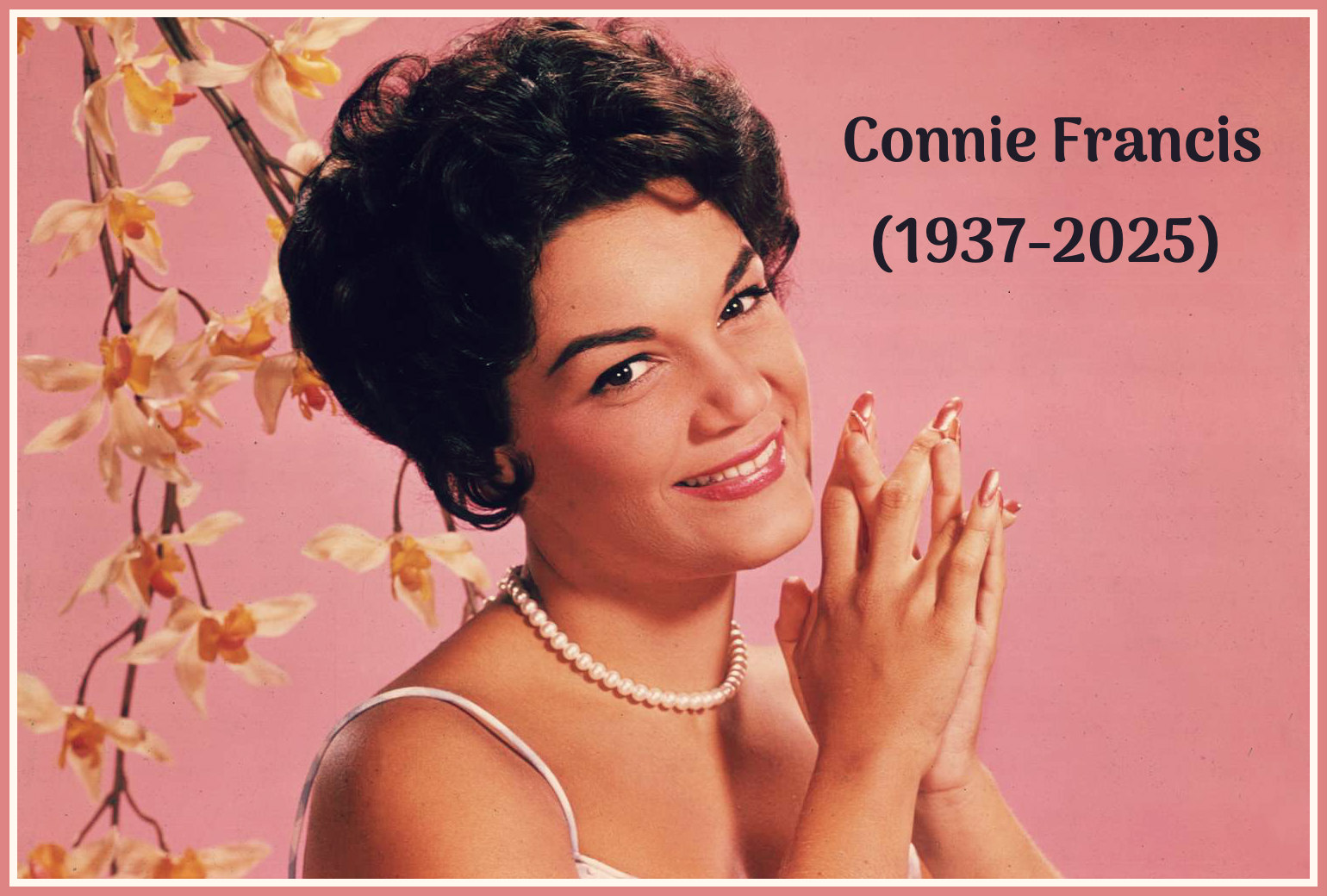
Connie Francis was cool.
I have a few artists that cause me to say that I think I may like them more than I like their music and Connie may be among these. And this is less a comment on her catalogue and more a statement of affection for Ms. Francis herself.
But don’t get me wrong; her recording career is substantial. Born Concetta Rosa Maria Franconero in Newark on Frank Sinatra’s 22nd birthday, she signed with MGM Records in 1955 and though her first 10 singles were duds she finally hit pay dirt. And once she did, she proceeded to release some of the most indelible songs of the golden era.
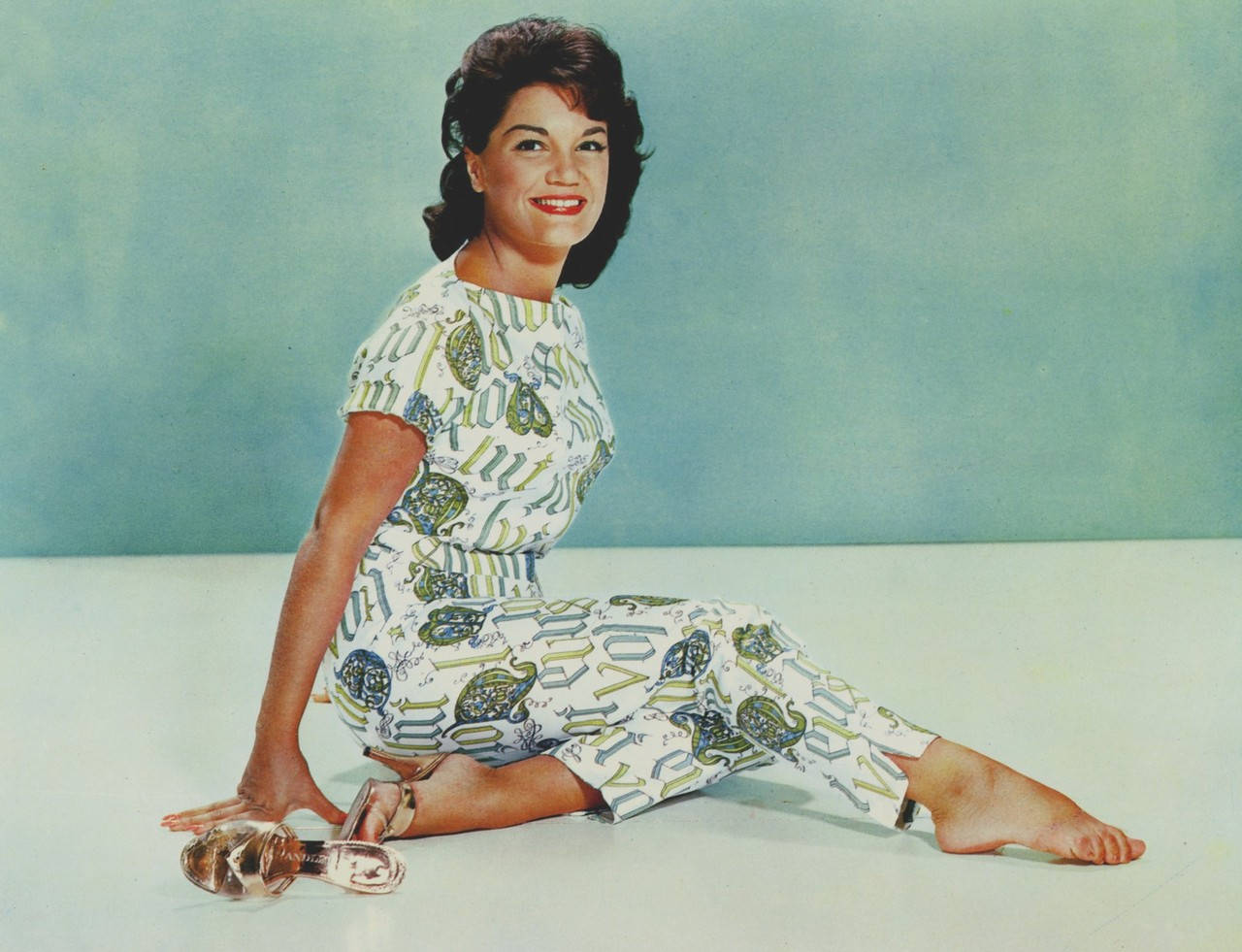
“Who’s Sorry Now” got the run started when it became a hit in March of ’58 and became Connie’s signature, the tune peaking at Number Four. She followed that with “Stupid Cupid” written by Neil Sedaka and his longtime songwriting partner Howard Greenfield. Neil was embarrassed to present Connie wth such an inane tune but Francis liked it and took it to #14. “Lipstick on Your Collar” and “Among My Souvenirs” were Top Ten hits from ’59 and then Connie scored with “Everybody’s Somebody’s Fool”. This recording landed atop the Billboard Hot 100 in the summer of 1960 and Connie Francis became the first woman to score a Number One song. It was actually the B side of an Italian ditty, “Jealous of You”, but the jocks flipped the platter over. Her very next release, “My Heart Has a Mind of It’s Own”, gave Connie her second Number One song and “Where the Boys Are” was among her next four singles all of which hit the Top 10. Connie made history when she started 1962 with “Don’t Break the Heart That Loves You”, a song that hit Number One and made Connie the first woman to top the charts 3 times.

So many times I have to say the same thing; “then, the Beatles”. Once the Fab Four came on the scene, pop and rock music changed and singers like Connie Francis had to look elsewhere other than the charts for their popularity and success. But previous to February of ’64 – when the Beatles landed Stateside – there was a golden era of pop and rock & roll and Connie Francis is nothing less than a symbol of this era, her hit recordings and her resonant voice are emblematic of this time just as much as any other artist. Between “Who’s Sorry Now” recorded in 1957 and “Be Anything (But Be Mine)” released in the spring of 1964, Francis placed 35 songs in the Top 40 – 6 of them being B sides – and 16 in the Top 10. Incredibly, 27 of these Top 40 hits came consecutively meaning that from 1957 until 1963, every one of Connie’s singles was a hit; with the odd exception of her 1958 version of the old tune “Heartaches” which failed to chart at all. So, think about; 35 hit songs in 7 calendar years. This means that during this time Connie Francis was on the radio all the time.

Connie Francis is also a prime example of an artist who benefited by the emergence of the Easy Listening or Adult Contemporary chart that debuted in 1961. That year, her Top Ten Pop hit, “Together”, was her first AC Number One song and she would go on to regularly place songs on this listing throughout the 1960s including 12 Top Tens.

Much affection is afforded Connie every Christmas due to her lovely 1959 LP Christmas in My Heart that was recorded at Abbey Road Studios before it was called Abbey Road. Connie delivers this gentle program wonderfully and her voice is well suited to the sounds of the season. She does particularly well on “I’ll Be Home for Christmas” and as the season winds down there are two other seasonal gems we can enjoy, “I’m Gonna Be Warm This Winter” and “Blue Winter” which were both Top 40 hits.
And then there was Bobby Darin. Bobby was an aspiring songwriter and Connie’s singing career had gotten underway when Bobby brought Connie a song and Connie made some changes which angered Darin and he stormed out. Running in the same circles, the two then tiptoed around each other – until they fell in love. One problem, though; Connie’s papa. George Franconero was a “stage father” and more. He managed his daughter’s career with a tight fist and for some reason he took a violent dislike to Bobby. One wonders why. Both Connie and Bob – born Walden Robert Cassotto – were of Italian stock and from the same neck of the woods and only a year apart in age but Franconero considered Bobby “the scum of the earth”. Once Bob and Connie came home from a date to find he had put all of Connie’s clothes in suitcases out on the porch. Once at a Connie rehearsal, George ran Bobby off at gunpoint. “He even tried to shoot him”, Connie has said, “he came with a gun in his pocket”.
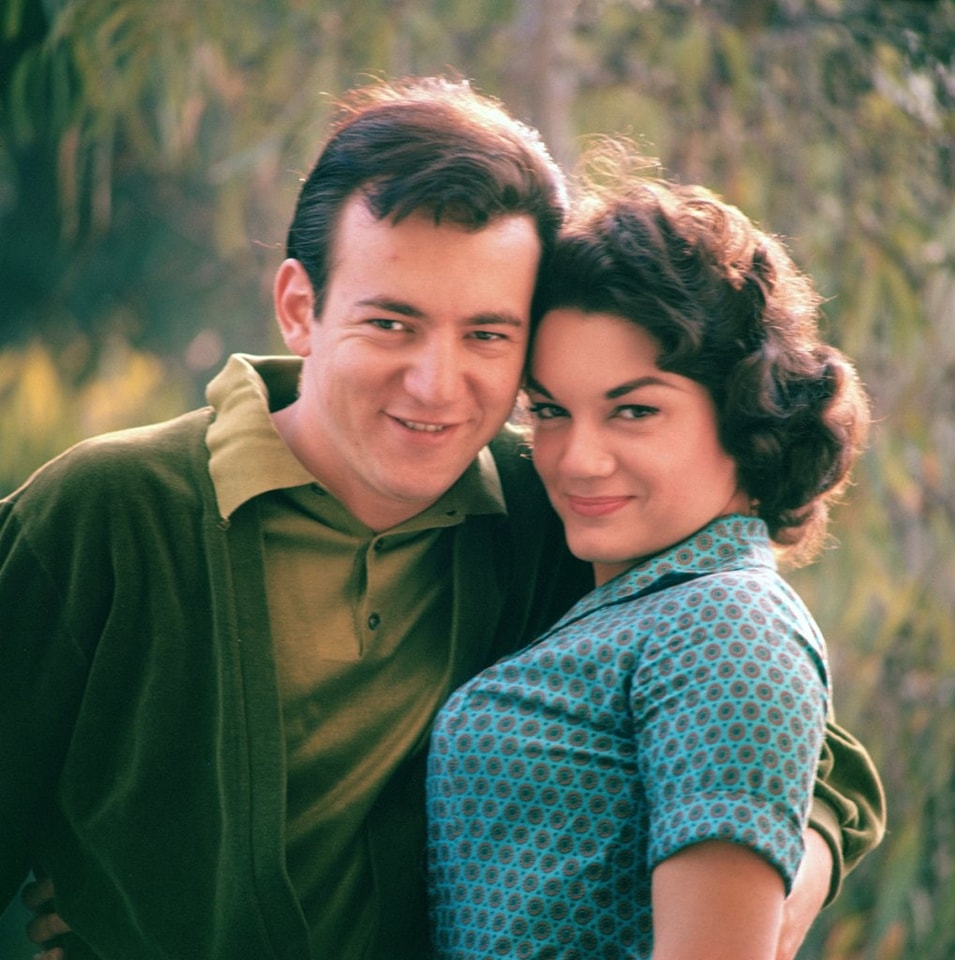
Connie knew full well that Bobby Darin had a bad heart and not long to live so she despaired at her father precipitating his decline and the two lovers resorted to letter-writing. In fact, these letters came up for auction after Darin’s death and though she tried to buy them, Connie was outbid. Kindly, the person who bought them gave them to Connie. Eventually the two had to part. Connie has said that if they had eloped she truly believes that her father would have killed them both. When Bobby Darin married Sandra Dee, Connie heard about it on the radio driving with her dad through the Lincoln Tunnel. She later related that, when she heard, she wished the tunnel would suddenly fill with water and trap both her and her father. “I have mixed feelings (about my father),” Connie said much later in life, “although he was the architect of my brilliant career, he was also the source of my greatest personal pain”. Connie Francis said it plainly in her autobiography; not marrying Bobby Darin, she said, was the biggest mistake of her life.

Perhaps even more so than her music, when I think of Connie Francis I think of Where the Boys Are. Connie made her feature film debut in this quintessential spring break movie that is one of my absolute favourites. Francis acquits herself well as Angie, a hockey-playing chick from Chicago who winds up dating hilarious Frank Gorshin playing blind-as-a-bat jazzbo, Basil. When the producers of the movie told Connie she would have her pick of songwriters they had chosen to write the title track, she politely told them I’m sorry but I have a couple of fellas who write songs for me. She called up her friend Neil Sedaka and he and Howard Greenfield wrote two different theme songs for the movie. All three knew which one they preferred but they delivered both to the producers. The movie men chose the other version and for once it was the producer who got it right and not the artist. “Where the Boys Are” is one of Connie’s most indelible recordings and it reached Number 4. Get the full story of this marvellous movie here.

Like many artists of the golden era, Connie saw her chart success and record sales wane in the late 1960s but – also like many – she was making a go of it with live performances. Late in 1974, she was playing the Westbury Music Fair up on the North Shore of Long Island and staying at the local Howard Johnson’s. While in her room, Connie was set upon by an assailant, raped at knifepoint, beaten and tied to a chair. A 19-year-old guest at the hotel was arrested as a suspect but ultimately no one was ever charged with this horrific crime. Imagine that there was someone walking around out there living with the knowledge that they had done this to Connie Francis. Connie successfully sued the hotel chain and won $2.5 million or $14.6 in today’s money and this lead to a nationwide reform on security for hotel guests.
The incident sent Connie off the rails and into the depths of depression, chemical dependancy and seclusion. After some health issues, she faced another tragedy when her brother, George Franconero, Jr., with whom she was close, was murdered. George, Jr. was a lawyer who had testified against organized crime, refused witness protection and suffered the wrath of Mafia hitmen. This of course sent Connie deeper into despair. After several misdiagnoses, it was determined that she suffered from post-traumatic stress syndrome from her sexual assault. She survived and rallied to the extent that she began again to record and to perform and she told the riveting story of the highest highs and lowest lows in her best-selling autobiography Who’s Sorry Now?. Once when my mother-in-law was purging some of her books, I was sure to muscle my way to the head of the line. One of the books I took was Connie’s memoir. I shrugged when I did not thinking too much of it. Of course today I am quite glad I own it.
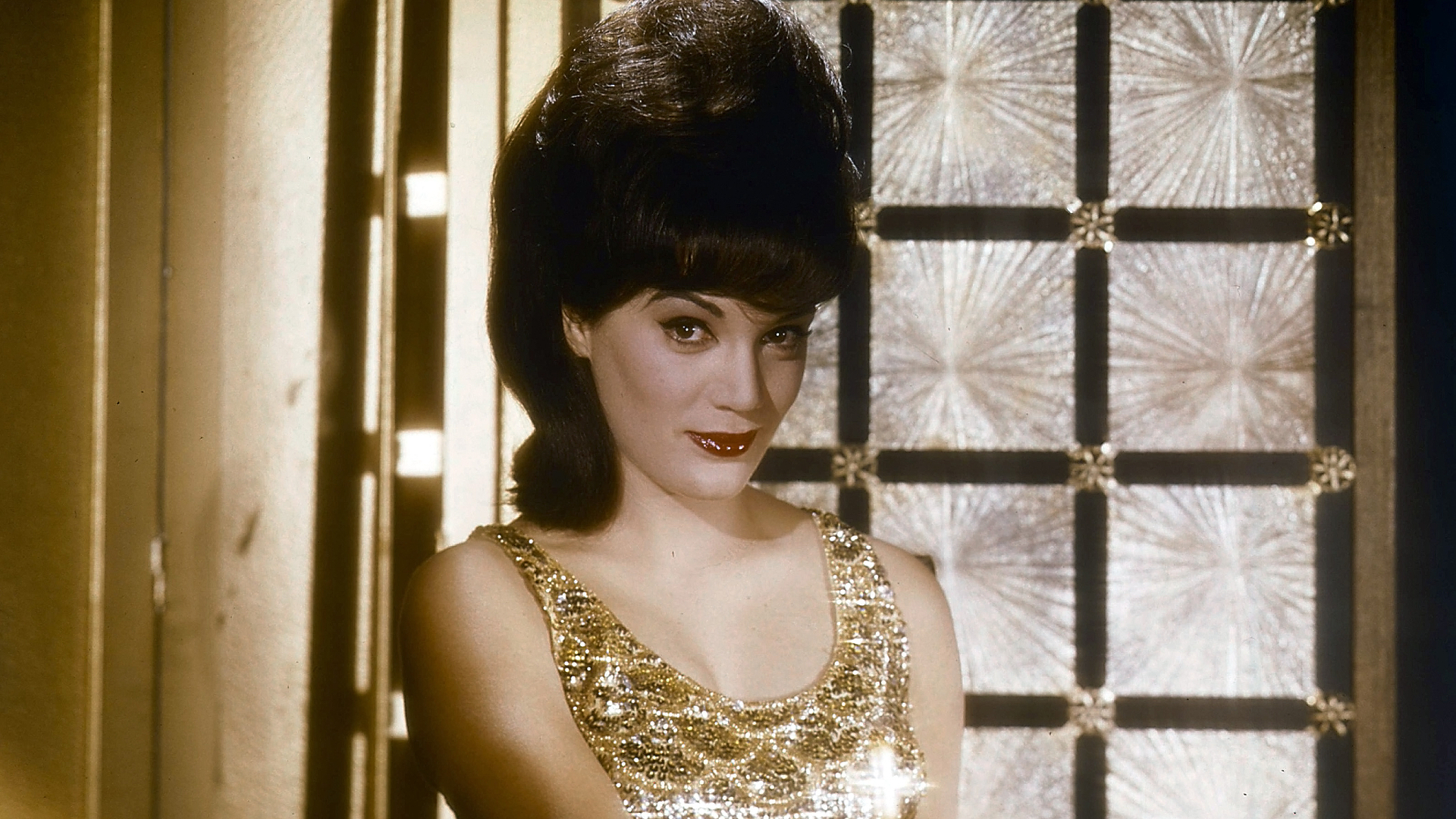
The main takeaway here is that Connie Francis deserves respect. It must be understood that her finest songs are the very epitome of the music many of us love from that golden era. The term I often use is “malt shop melodies” and that is just what they are. The are definitively representative. Additionally of course many of her songs are just wonderful and her success is unmatched by any female recording artist of the time. By way of example, I’ll quickly reiterate Connie’s chart success in relation to her closest competitor, Brenda Lee; Connie put 35 songs in the Top 40 to Brenda’s 23, 16 in the Top 10 to Lee’s 13 and Connie topped the charts three times while Lee did the same but twice. Francis also ranks in the top ten of all recording artists of the 60s; I have seen her listed as Number 8 and Number 10 for the decade ahead of acts like Roy Orbison, the Rolling Stones, Stevie Wonder and others. An impressive standing when you consider the significant artists who were working through the 1960s.
In May of 2025, “Pretty Little Baby”, a goofy little nothing song that Connie recorded in 1962, suddenly made appearances on various charts due to it having gone viral by use in videos on social media, TikTok, in particular. 87-year-old Connie had to have the whole thing explained to her and only recalled having recorded the song after hearing it again. While it is an achievement of sorts to have a song be so popular so long after it’s recording, it did result in some odd obituaries when Connie Francis passed away in July of ’25. For many of us who loved Connie, seeing headlines declaring her the “‘Pretty Little Baby’ singer” were a little ridiculous. She was so much more than that.

She was supremely talented, endowed with a voice marked by a clear, crisp, bell-like tone and a striking resonance and character. She enjoyed international fame, singing in many different languages, she broke ground as a pioneering woman solo vocalist and her music is symbolic of an era. She was staggeringly successful on the charts, becoming the woman all those who followed her were measured against. Like all of us at one time or another, she was a victim and she suffered terribly. But she endured, standing as an inspiration to anyone who’s been knocked around. She was tough.
Connie Francis was cool.

Ten from Francis
- Who’s Sorry Now
- Lipstick on Your Collar
- Frankie
- I’ll Be Home for Christmas
- My Heart Has a Mind of It’s Own
- Many Tears Ago
- Where the Boys Are
- Breakin’ in a Brand New Broken Heart
- Vacation
- Blue Winter
Sources
- Connie Francis reflects on her romance with Bobby Darin before his untimely death – Stephanie Nolasco (2018) FoxNews.com
- Connie Francis Early Career
- Billboard’s Top 25 Artists of the 1960s
 SoulRide
An incredible life, it’s also fascinating how much the entertainment ‘business’ has changed, in that MGM stuck with her even after a string of chart failures, clearly seeing her talent and potential. I wonder if this was one positive aspect of LB Mayer’s philosophy and legacy, in that his attitude was that making money on an individual movie was not as important as nurturing talent, with the view that they would ultimately make more money in the longer term if they developed an enduring star. The inability of modern media to craft a decent, well-researched obituary that transcends the desperation for clickbait is endlessly disappointing, this generation of talent deserves much better. Lucky for us we have Mr Vintage Leisure himself to shoulder the burden 🙂
I agree 100%. Connie Francis deserves much more respect than the nightmare of trashy bios i see circulating on the web. The best description of Connie Francis as a singer comes from the lyrics of a song she sang to perfection: AL DI LA
Al di là del bene più prezioso, ci sei tu,
al di là del sogno più ambizioso, ci sei tu!
Al di là delle cose più belle,
al di là delle stelle, ci sei tu,
* * *
Beyond the most valuable asset there is you
beyond the most ambitious dream there is you
Beyond the most beautiful things
beyond the stars there is you
https://www.google.com/search?q=al+di+la+connie&sca_esv=9c902191ca4c03e4&sxsrf=AE3TifOgAQjfBLLIG5vznrbv0_4hclf9FQ%3A1753480862177&ei=nv6DaPfICrLckPIPksLA0Q0&oq=al+di+la+c&gs_lp=Egxnd3Mtd2l6LXNlcnAiCmFsIGRpIGxhIGMqAggAMgQQIxgnMgsQABiABBiRAhiKBTIKEC4YgAQYFBiHAjILEAAYgAQYkQIYigUyCxAAGIAEGJECGIoFMgsQLhiABBjHARivATIFEAAYgAQyCxAuGIAEGMcBGK8BMgsQLhiABBjHARivATIFEAAYgARIgBtQ9AdYhAhwAXgBkAEAmAF_oAHwAaoBAzAuMrgBAcgBAPgBAZgCA6ACjALCAgcQIxiwAxgnwgIKEAAYsAMY1gQYR8ICDRAAGIAEGLADGEMYigXCAg4QABiwAxjkAhjWBNgBAcICExAuGIAEGLADGEMYyAMYigXYAQHCAhkQLhiABBiwAxhDGMcBGMgDGIoFGK8B2AEBwgIKEAAYgAQYQxiKBcICChAAGIAEGBQYhwLCAgUQLhiABJgDAIgGAZAGE7oGBggBEAEYCZIHAzEuMqAH4x6yBwMwLjK4B_4BwgcFMi0xLjLIBxg&sclient=gws-wiz-serp#fpstate=ive&vld=cid:6da7e96e,vid:s4NFn-wVu90,st:0