White Christmas (1954)
Bing Crosby, Danny Kaye, Rosemary Clooney, Vera-Ellen, Dean Jagger and John Brascia
Director – Michael Curtiz
From Paramount Pictures
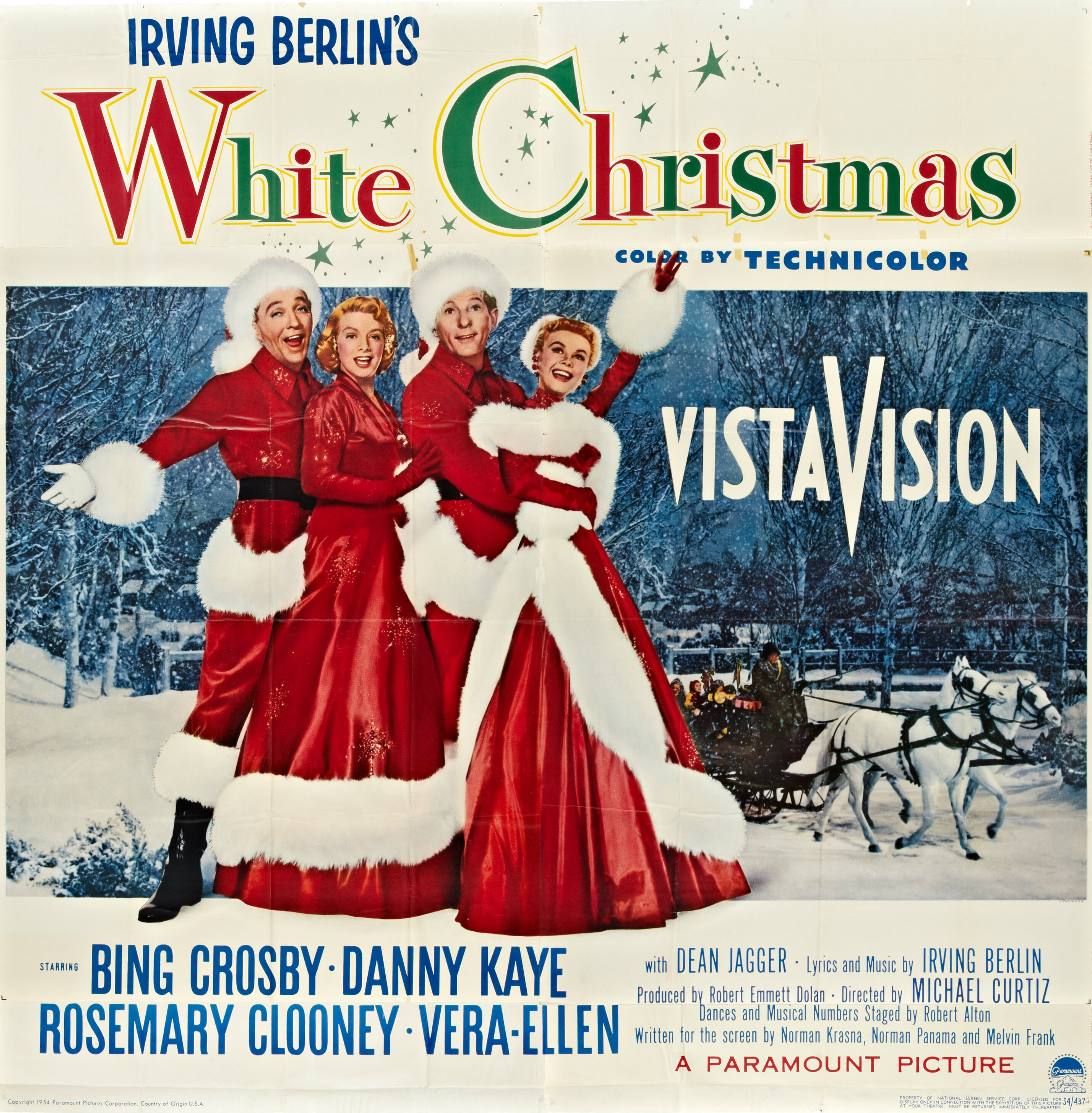
One of the most popular and enduring Christmas movies of all-time, Paramount’s White Christmas stars Bing Crosby and Danny Kaye as Bob Wallace and Phil Davis, a dynamite entertainment tandem who join forces with the Haynes Sisters, a sister act comprised of Betty (Clooney) and Judy (Vera-Ellen) to help inn keeper Tom Waverly (Jagger). Gen. Waverly had been the boys’ commanding officer during the war and now, ten years later, the general’s Columbia Inn in Pine Tree, Vermont is on the verge of bankruptcy due in part to the lack of any snowfall in the area. Bob, Phil and the girls stage a show on Christmas Eve that restores the general’s fortunes and enchants all those in attendance.
As I have done in the past with It’s a Wonderful Life, I wanted to talk about this venerable Christmas treasure without necessarily touching on the aspects that are often discussed but talking instead about the things that have long thrilled me about this Yuletide tradition. The intention was to team Bing Crosby and Fred Astaire for the third time but Fred declined to make the film and even went so far as to ask to be released from his contract with Paramount as he intended to cease working in film. Donald O’Connor was then signed but had to drop out due to illness. Eventually, Danny Kaye was brought on board, asking for $200,000 and 10% of the profits. White Christmas was a partnership deal between Bing and Irving Berlin, composer of the songs for the film, who split half the profits with Paramount pocketing the other half.
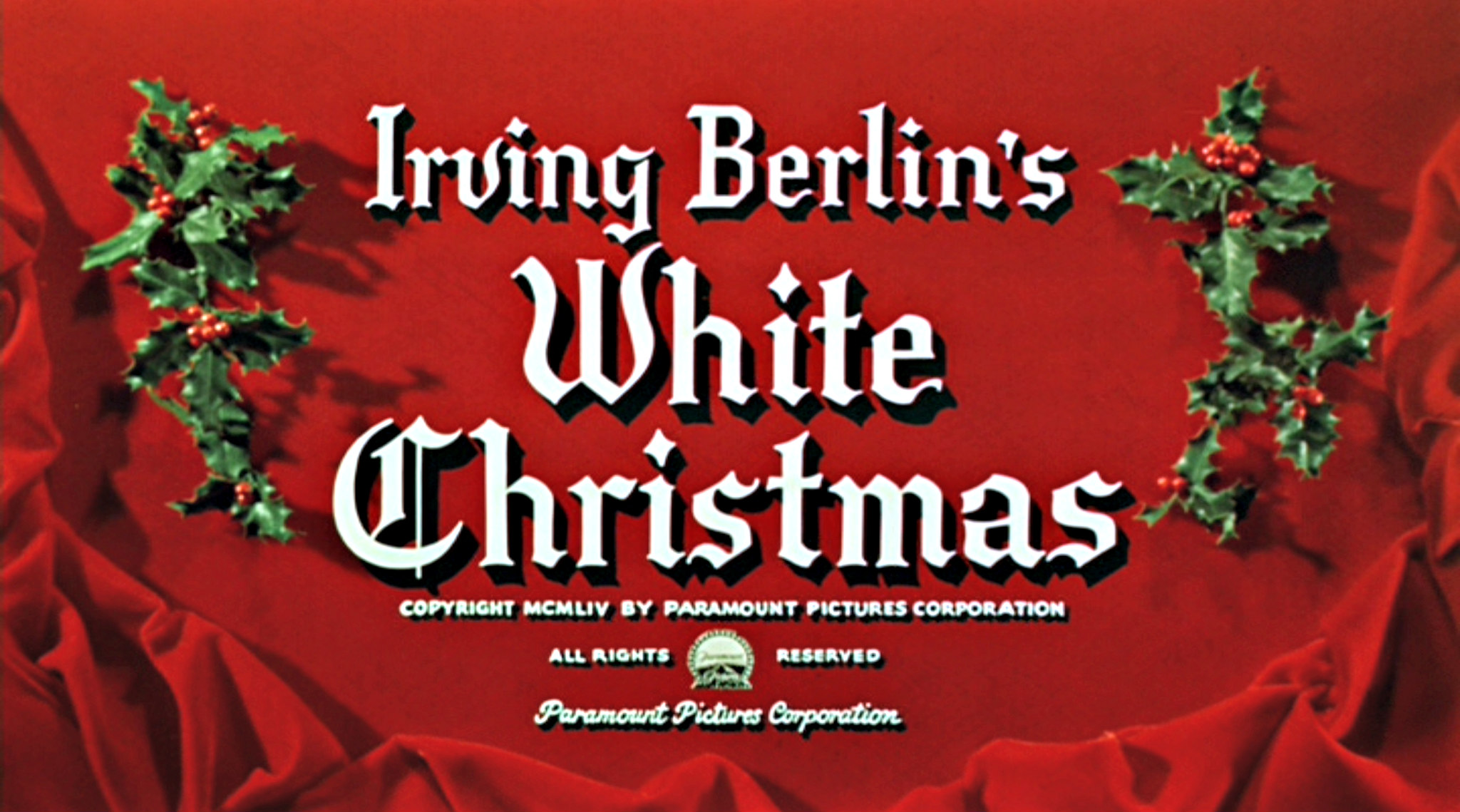
The movie is presented in stunning Technicolor and was the first film shot in VistaVision, “a widescreen process developed by Paramount that entailed using twice the surface area of standard 35mm film; this large-area negative was also used to yield finer-grained standard-sized 35mm prints”. It is a visual feast and it contains an embarrassment of riches in terms of quantities of images of warmth and charm. This filming process adds so much to so many aspects of the film. The hairdressing, the set design, the costume design – all these things benefit from this process and make this an aesthetically gorgeous film. And this is apparent from the outset; lookit that gorgeous title card.
Speaking of aesthetics, here’s a minor quibble I’d like to acknowledge but then put aside. Bing Crosby was 50 years old during filming but – much like Astaire, really – was an old-looking 50. I actually feel like Bing Crosby always looked like an old man. This combined with the fact that he was a rare male Hollywood star who did not regularly play romantic leads makes his romance with the shiny and effervescent – and 25-year-old – Rosemary Clooney a little hard to accept. Your feelings about Bing’s looks aside, this is yet another example of Hollywood’s habit of pairing male stars with females half their age.
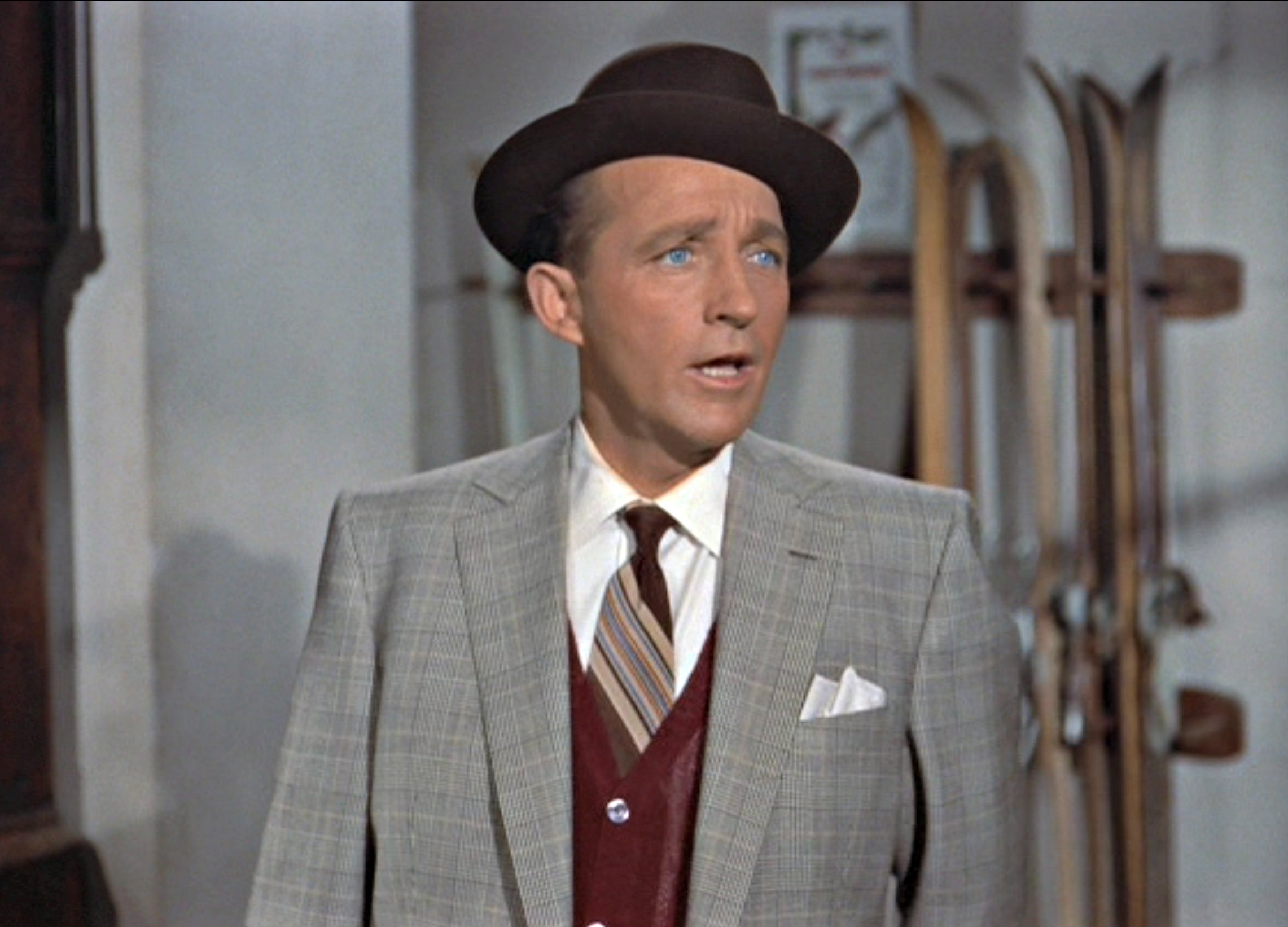
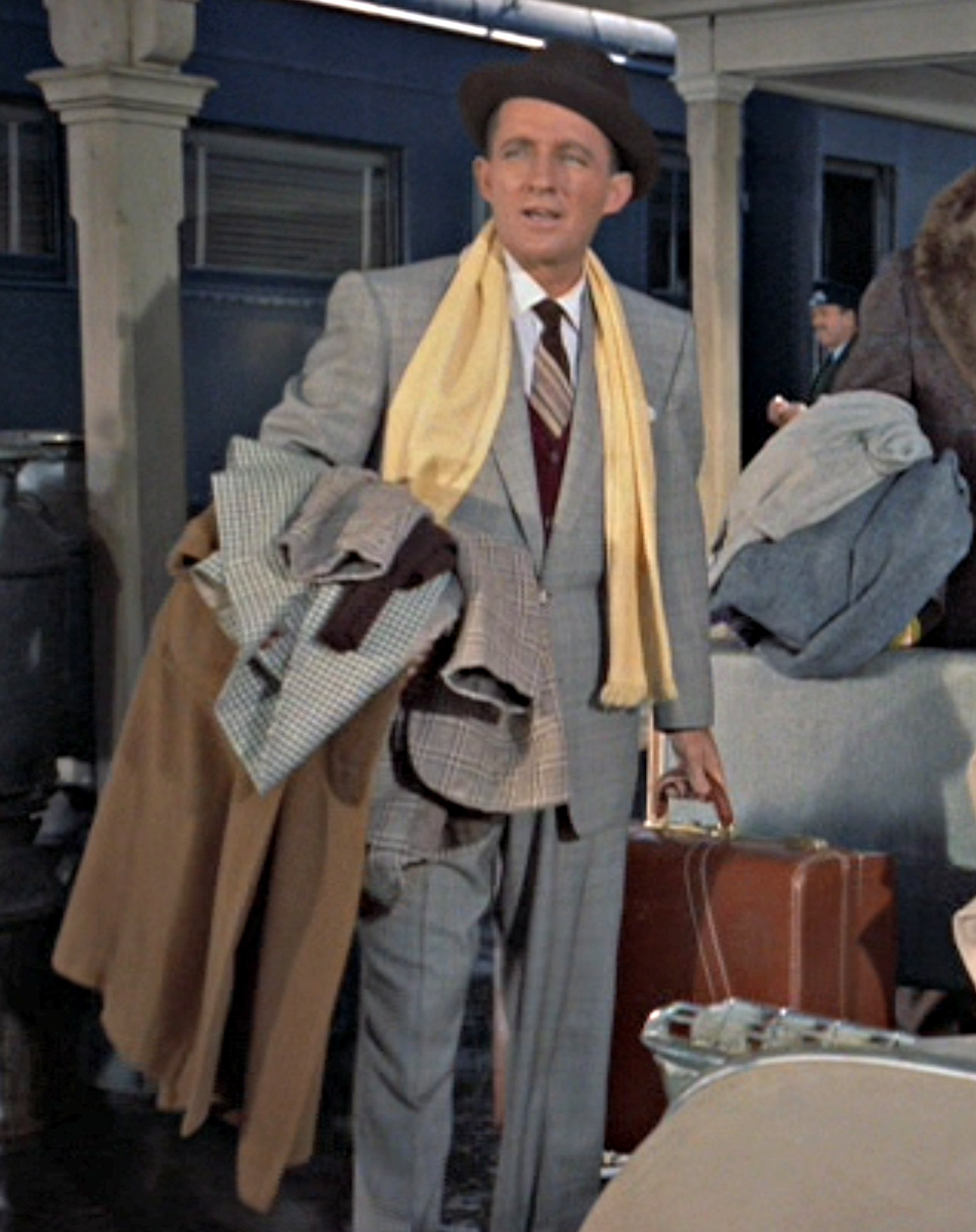
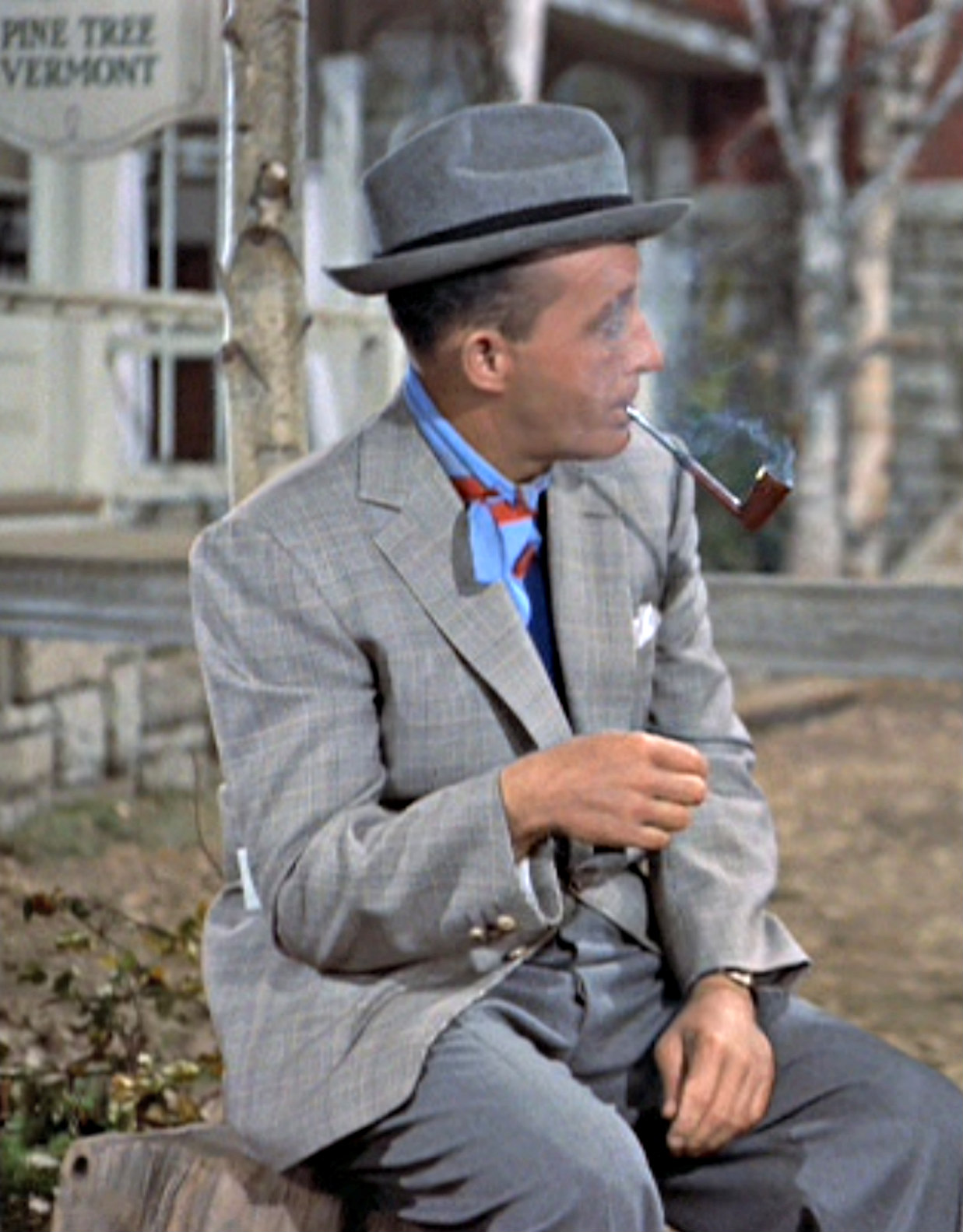
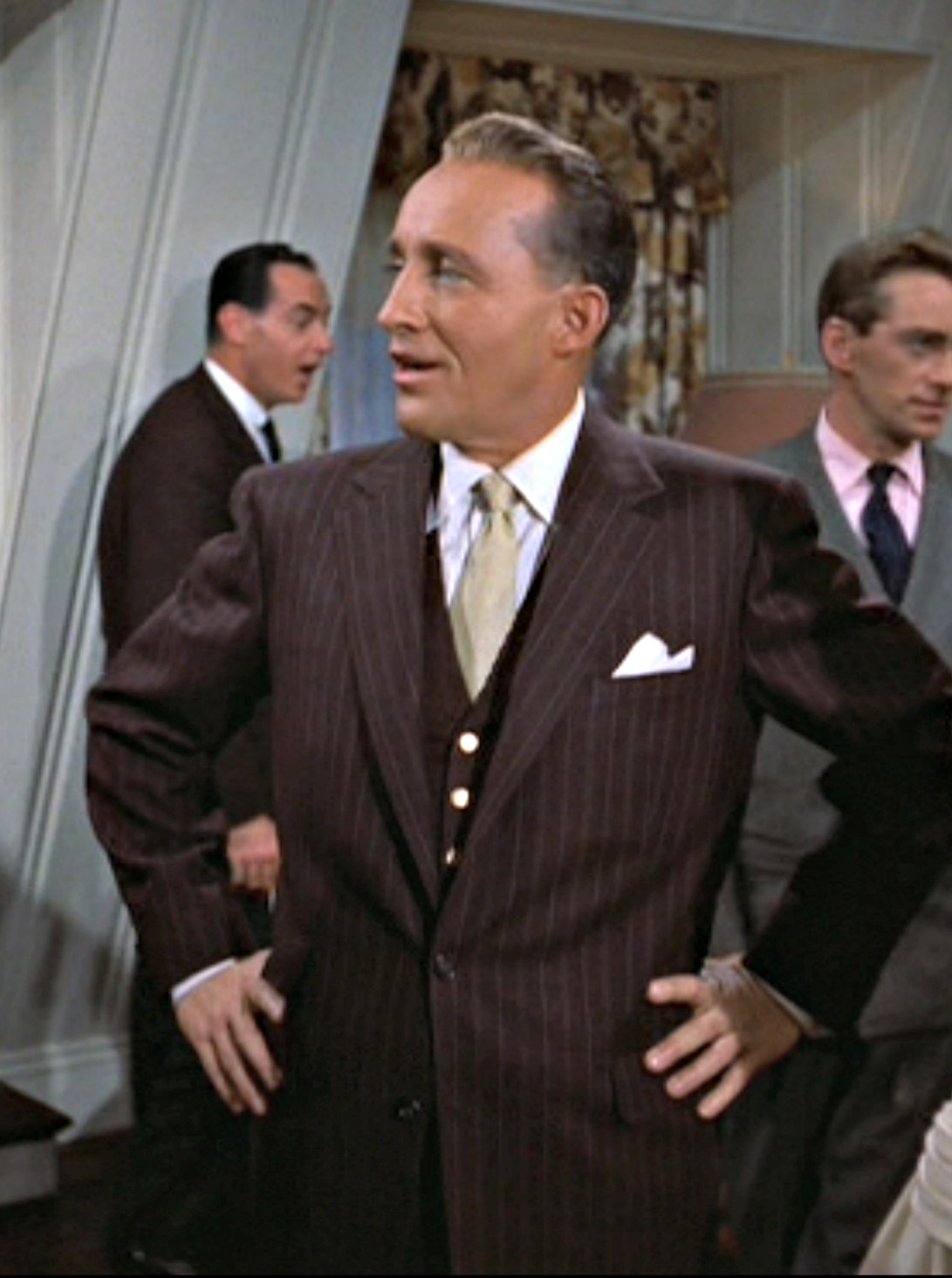
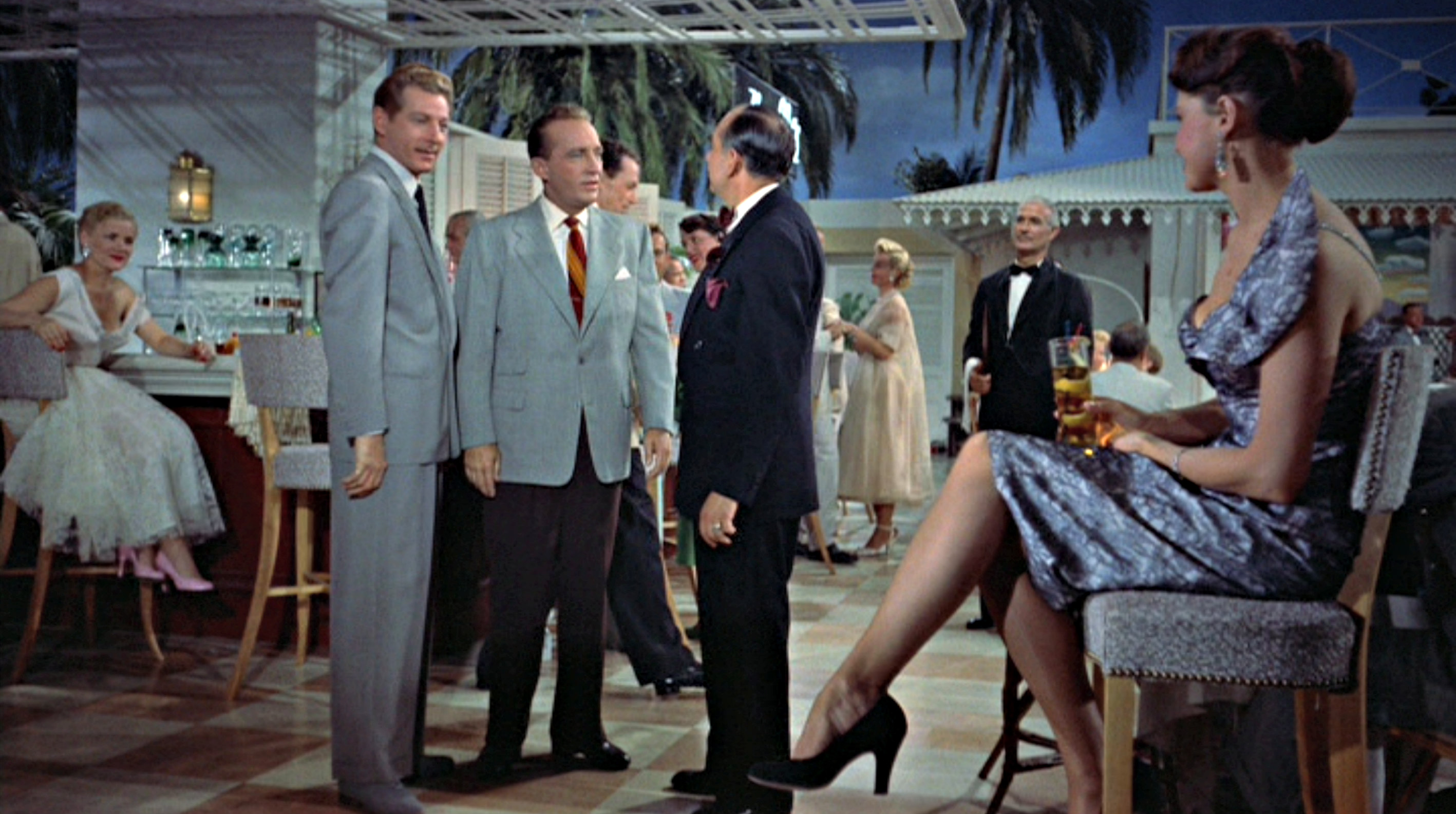
White Christmas could be a silent movie and still be a favourite. Every scene has wonderful visuals; Bing’s old eyes aside. Bing’s outfits are among the finest he has ever sported. This starts with the rich burgundy-and-caramel tie he wears with the grey jacket at Novellos and carries on with a deep burgundy vest and shining yellow scarf with hat perched on the back of his head. I mean…legend. It’s then a full suit of burgundy on the first night at the inn. Later, when he comes back with the mail, note the yellow socks peeking out and the elongated stem on the trademark Crosby pipe. The lovely blue scarf goes great with the grey jacket. Dig, too, when Bob reads the letter he notes that without his glasses he has to resort to “playing trombone” in order to read the letter.
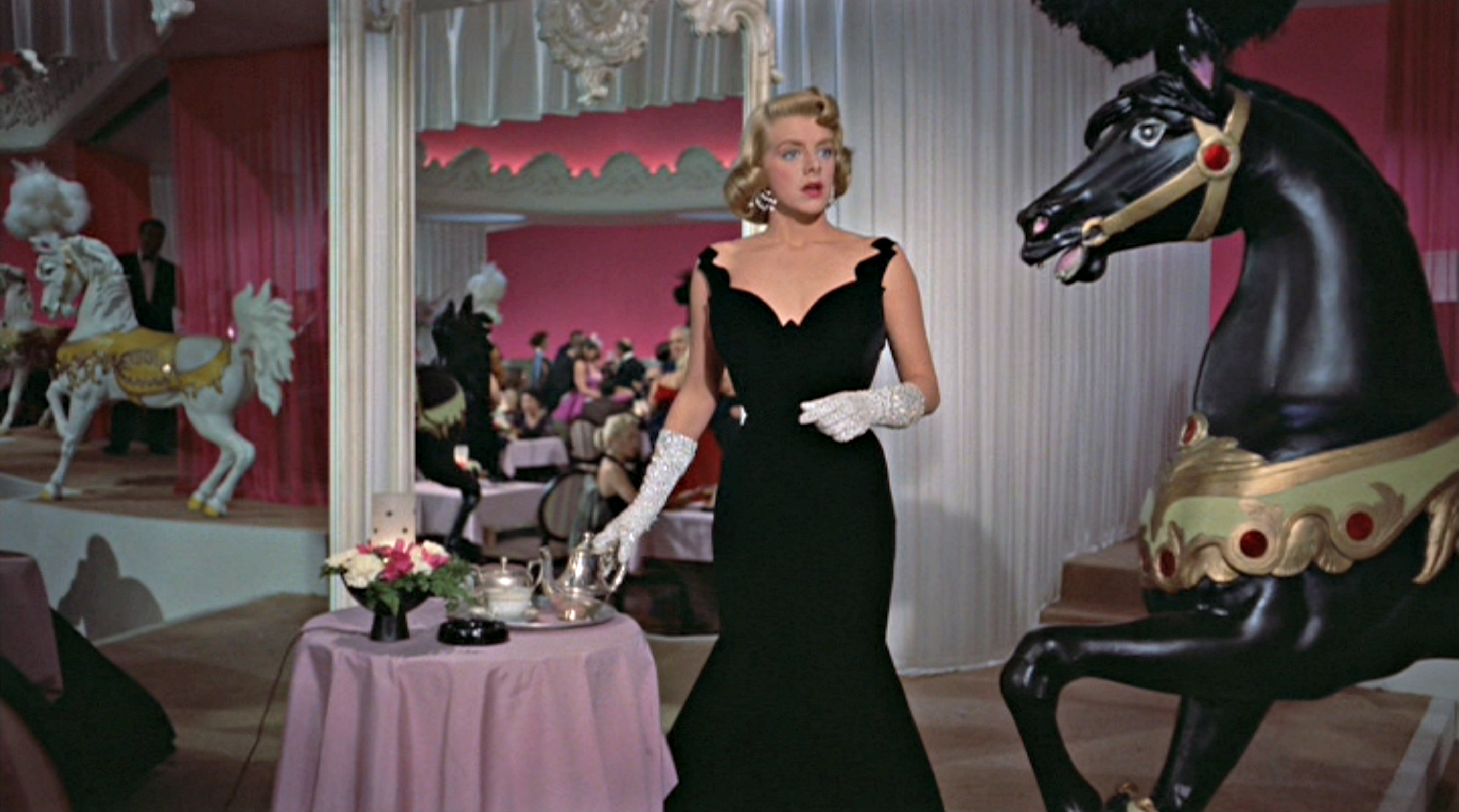
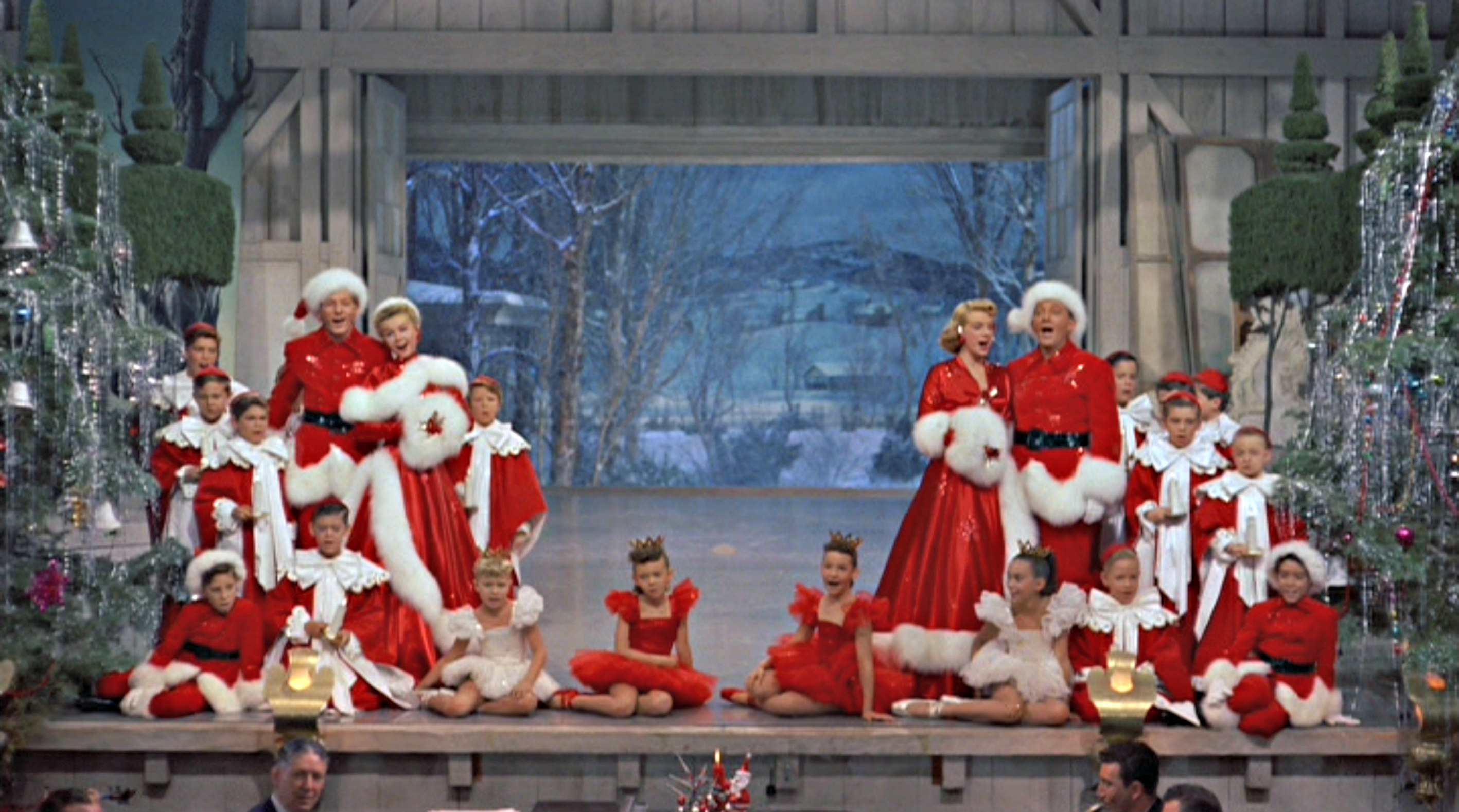
The girls look great, too, Rosie in her black and yellow outfit and the gorgeous gown she wears to sing the excellent “Love, You Didn’t Do Right By Me”, an excellent lesser known song by Berlin. Her rich voice captures the lyric perfectly and, yes, that is future Oscar-winner George Chikaris dancing in this number and earlier in “Mandy”. Vera-Ellen’s best look is her big, thick skirt and white turtleneck with black sweater. Here her hair looks great, too. Danny may play Phil as the comic relief but his desire for a massage and his natty attire betray him as a sharpie and I love that legendary costume designer Edith Head has dyed Phil’s shoes the exact same colour as his suit for his big dance number with Vera. And Edith’s final gifts are the red outfits worn during the finale that pop your eyes right out and we see that VistaVision was to the 50s what Hi-Def was to the early 2000s.
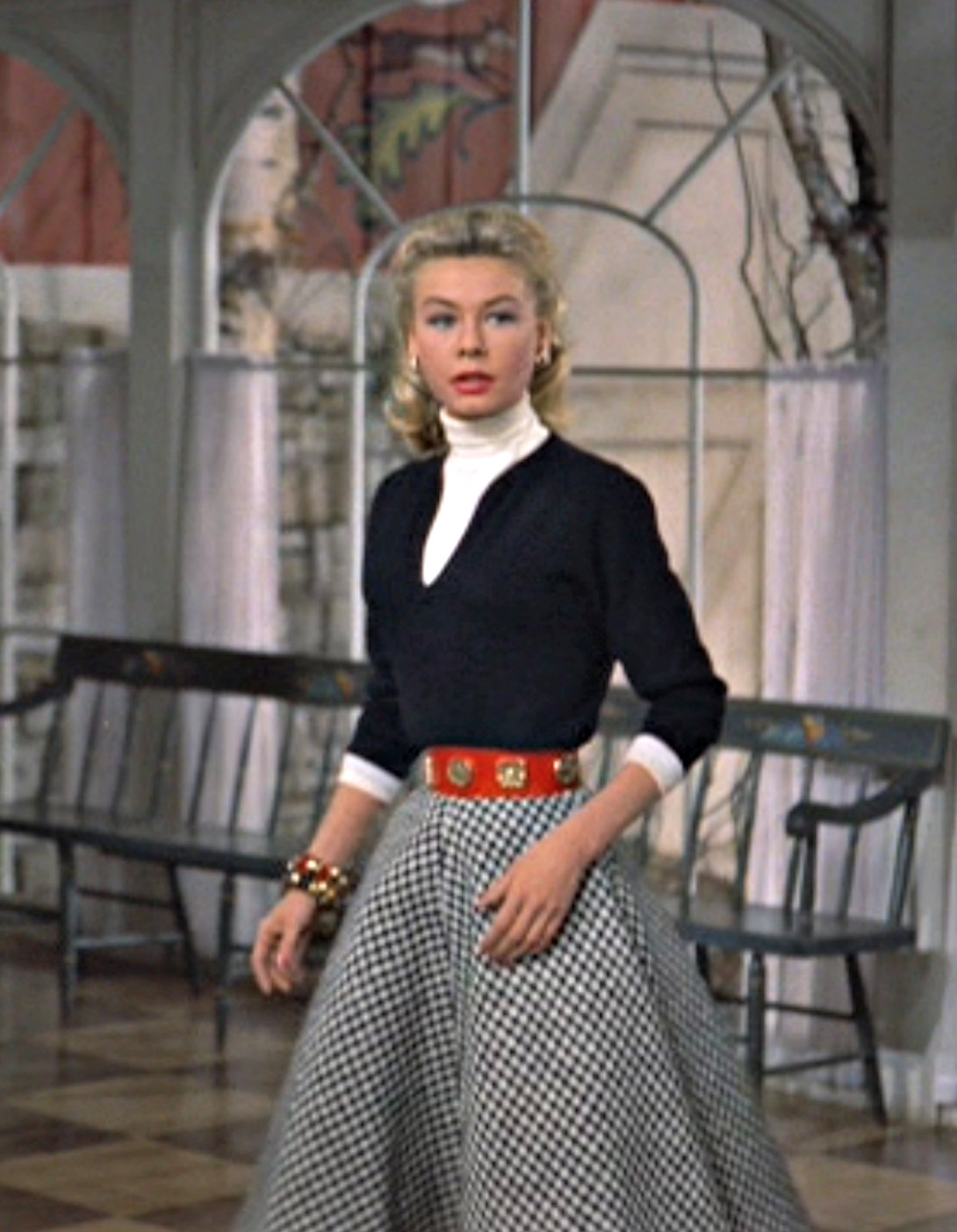
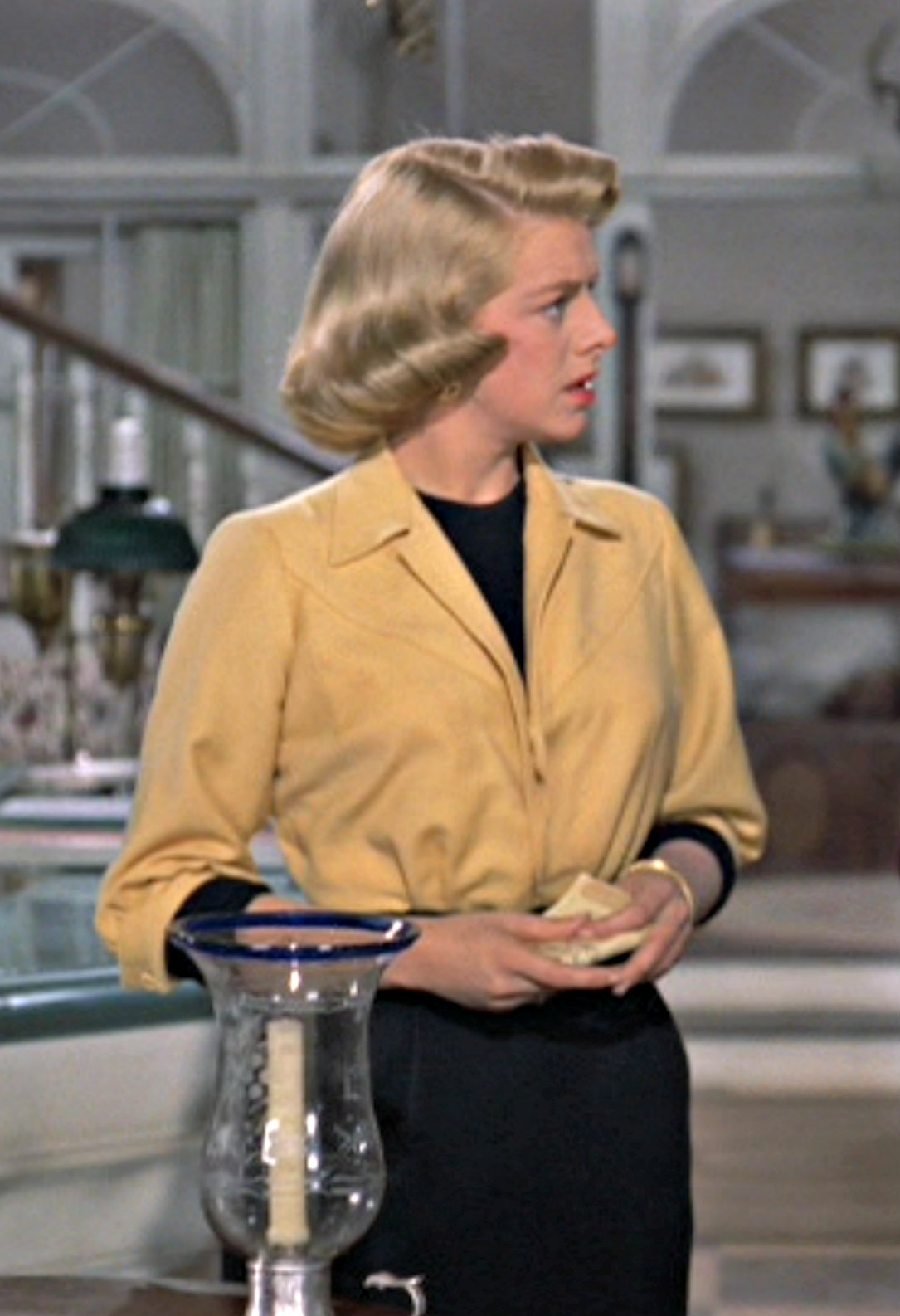
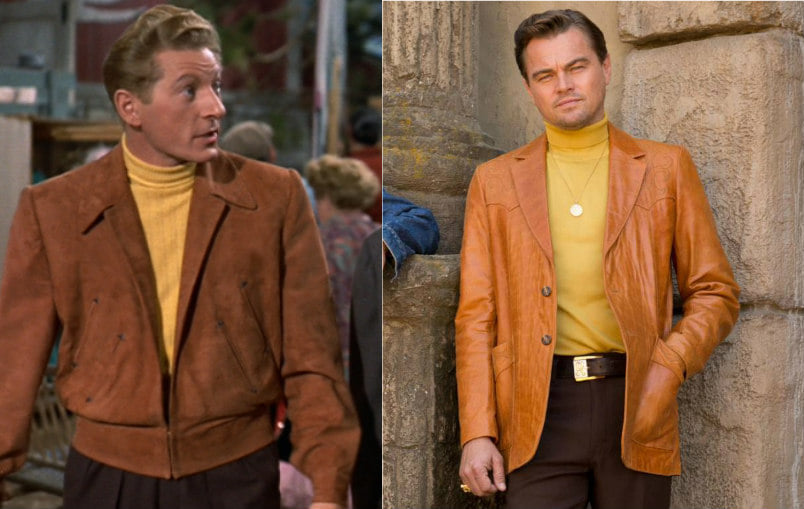
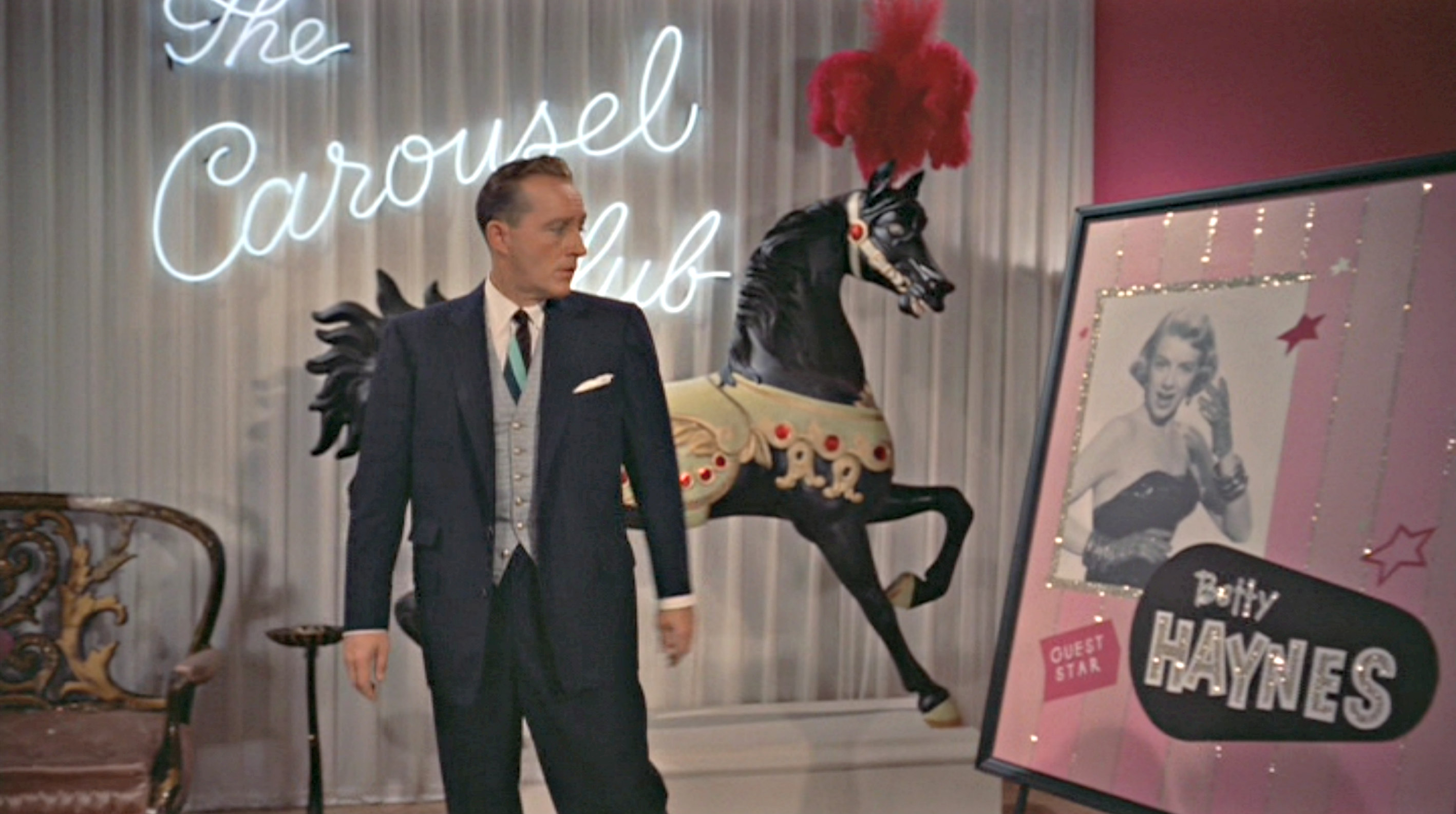
And the set design is equally stunning. The inn set – interior and exterior – is gorgeous with the area around the open hearth fire making it all look particularly cozy. And I can appreciate how many different scenes and angles feature that long sitting area behind the fireplace showing how much use they made of the set. I love Novellos, the open air place in Florida where the boys meet the girls with that unofficial hostess with the nice stems that Phil ogles when he and Bob arrive. The Carousel Club is vibrant and is dressed up nicely by Rosemary’s and Bing’s outfits. Note Betty’s bandleader. That is actual bandleader Dick Stabile who worked with Dean Martin and Martin & Lewis for years.
Also of the party is Barrie Chase as ditzy dancer Doris. She would take on a much more serious role a few years later as a victim of Bob Mitchum’s savagery in Cape Fear. She would later dance with Fred Astaire on his TV specials and is still among us as of this writing. Michael Curtiz would later direct Oscar-winner Dean Jagger as Presley’s defeated dad in King Creole. Actually, also appearing in that greatest of all King Movies is Gavin Gordon who plays Jagger’s mean boss, the pharmacist. In White Christmas, Gordon portrays Gen. Waverly’s successor, General Harold G. Carlton. Anne Whitfield plays the Waverly granddaughter, Susan. Whitfield went on to become a warrior activist who championed a number of causes. Sadly, she died in February of 2024 at 85 after an “unexpected accident” while walking in her neighbourhood in Yakima, Washington. Her obit thanked the neighbours “who provided expert medical support” so that family could say goodbye. One wonders what could have happened.
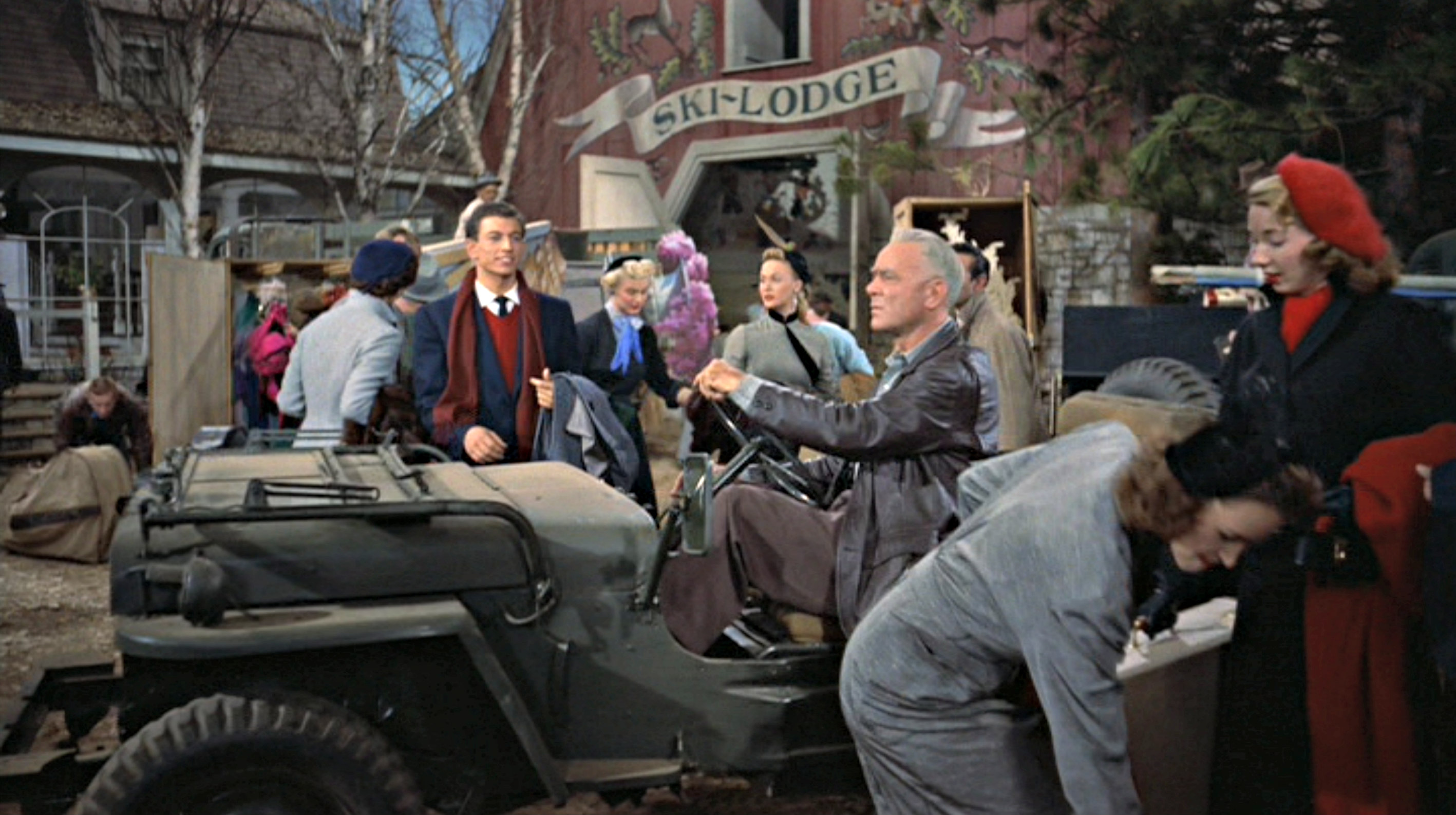
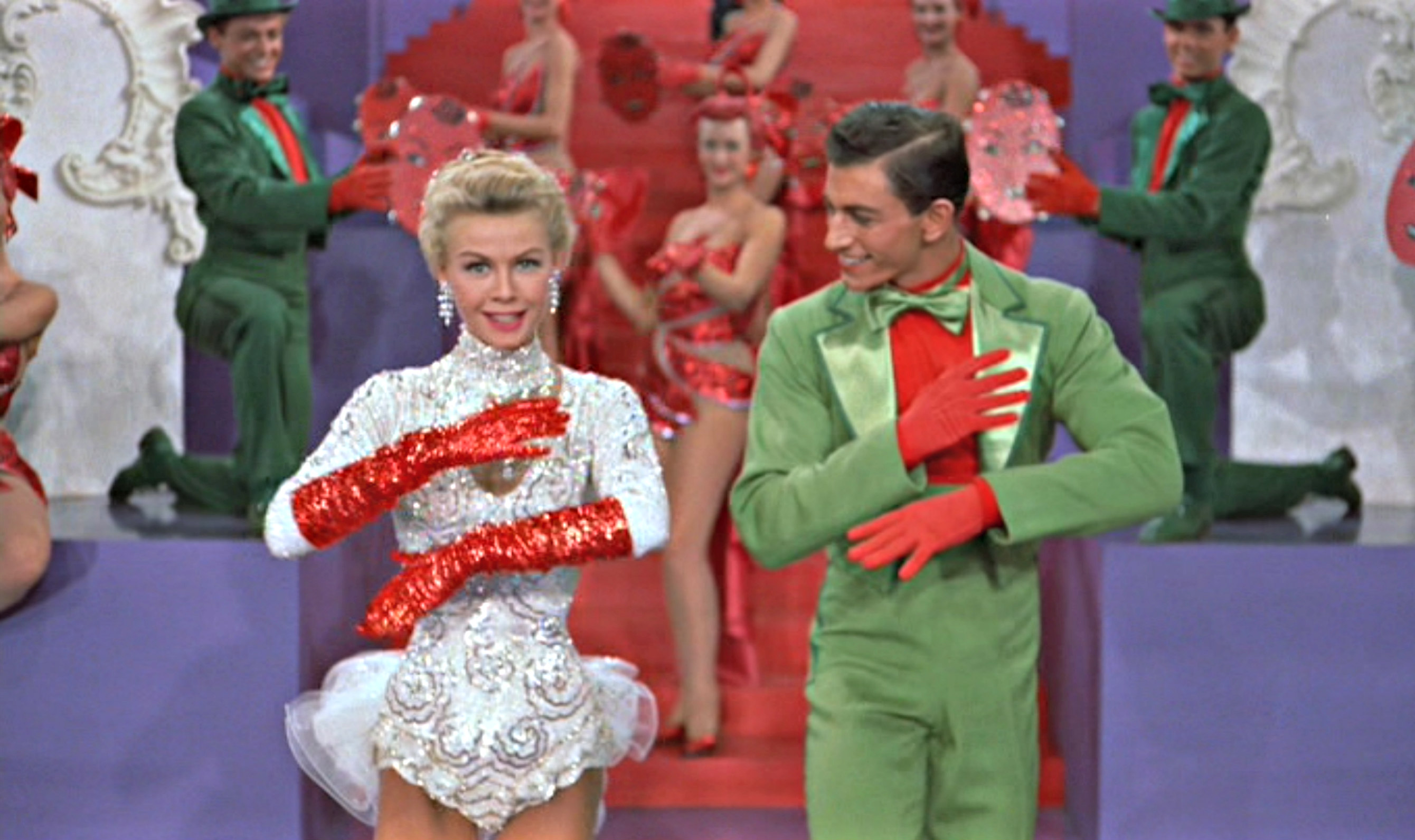
Ladies and gentlemen, it thrills me to get to a major part of why I wanted to discuss White Christmas with you today. His name is John Brascia and he plays hoofer John in our movie. Big John was born in Fresno in the spring of ’32 to Italian immigrants. He started dancing on screen while still a teenager and our film was his fourth. A strapping, handsome young man, John is paired up with Vera-Ellen here and his athletic, vigorous technique is a sight to behold. Employing my famed Daddy Commentary when my boys were young and we would watch this as a family, I would note Brascia’s athleticism. I would mention how easy it looked but how difficult it must’ve been for John to dance up the stairs backwards during “Mandy” and I would also joke that Johnny probably had to be careful not to throw little Vera-Ellen up through the roof during their numbers; she being so light and he so strong. And I just love how he springs up out of the floor during “Choreography”.
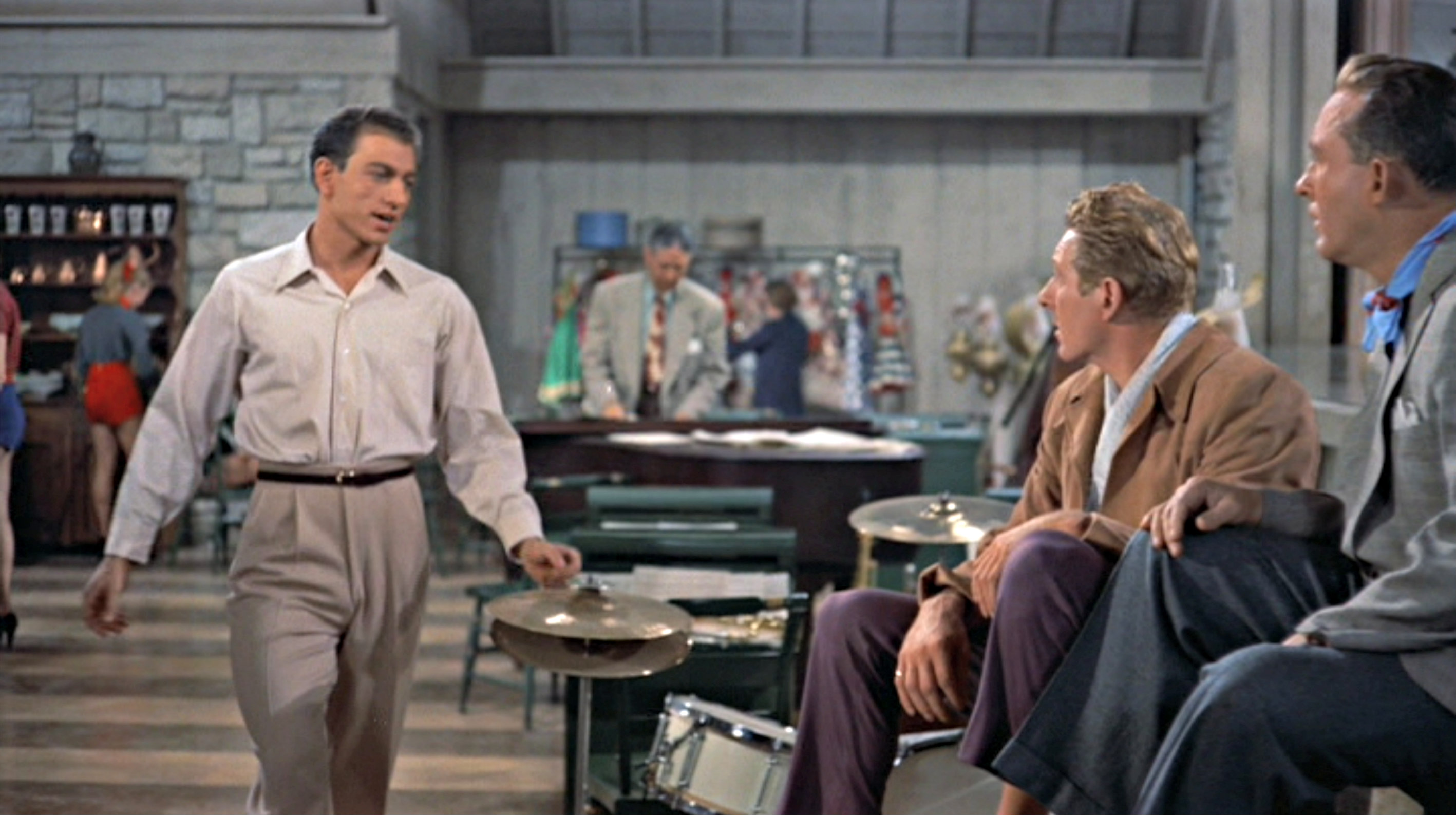
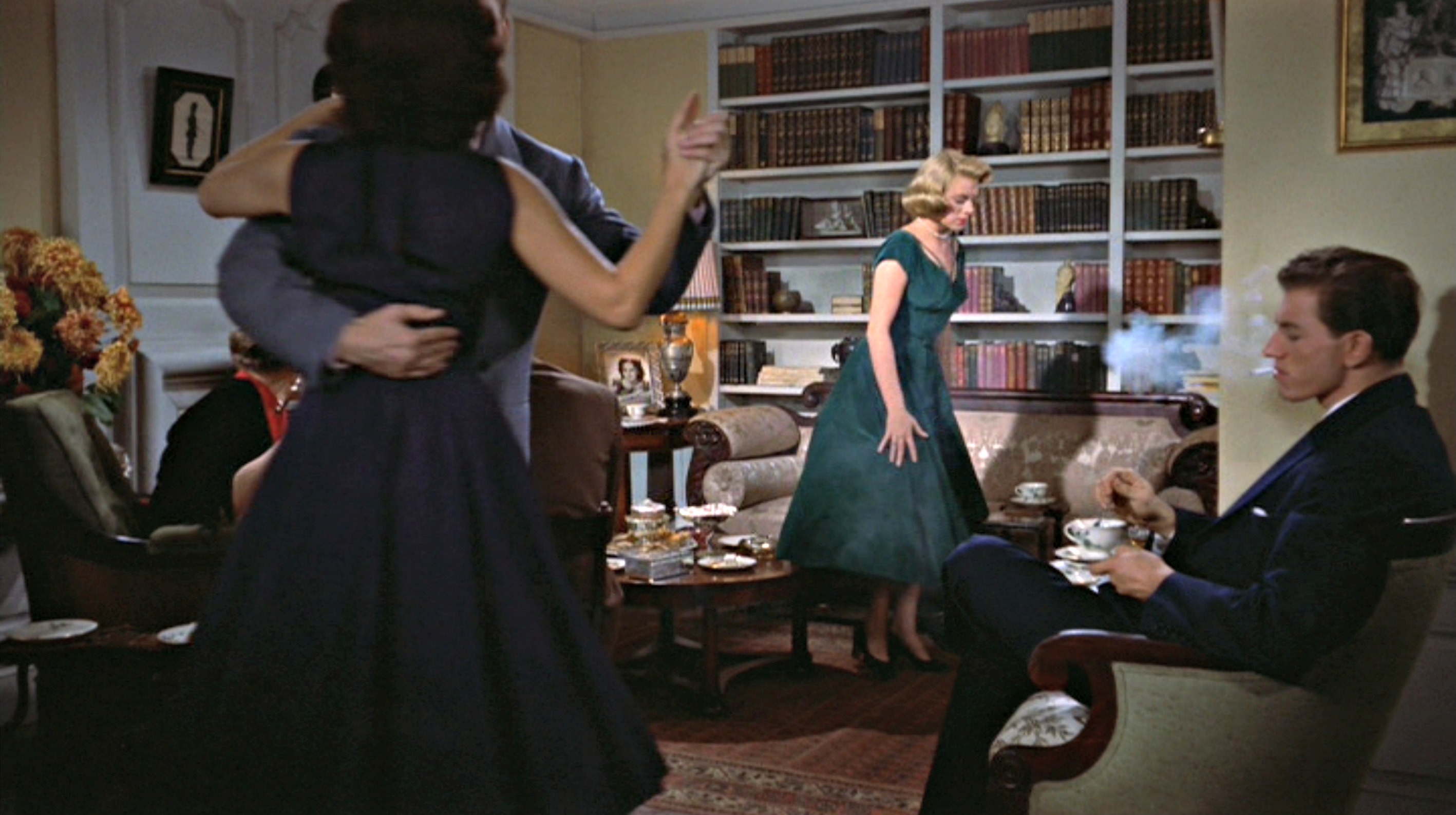
But the clincher, the scene during which he cements himself in my pantheon, is at the cast party. Again with my family – but when my boys were a little older – I would run the commentary and point out John in the background. The man steals the scene in a few short seconds. Bob and Betty have had a falling out and Phil and Judy try to get them to dance with each other. Betty walks away from Bob, though, and goes back to her seat. She walks by John who sits on the extreme right. I would point out to the boys how cool he looks stirring his coffee and smoking his cigarette. He is tough enough to draw and exhale with the cigarette in his mouth the whole time. I would joke that he is deciding which woman at the party to make a play for. After Phil and Judy announce their engagement, everyone is celebrating and milling around and Betty gets up to go to her sister; again she walks by Johnny who you can see has chosen his prey. This scene that John silently steals, though, is almost stolen from him by that super smooth, finger-snappin’, hepcat version of “The Best Things Happen While You’re Dancing” the small combo is swingin’ through. And then there’s Bing’s suit. Y’see? There is so much to look at in almost every scene.
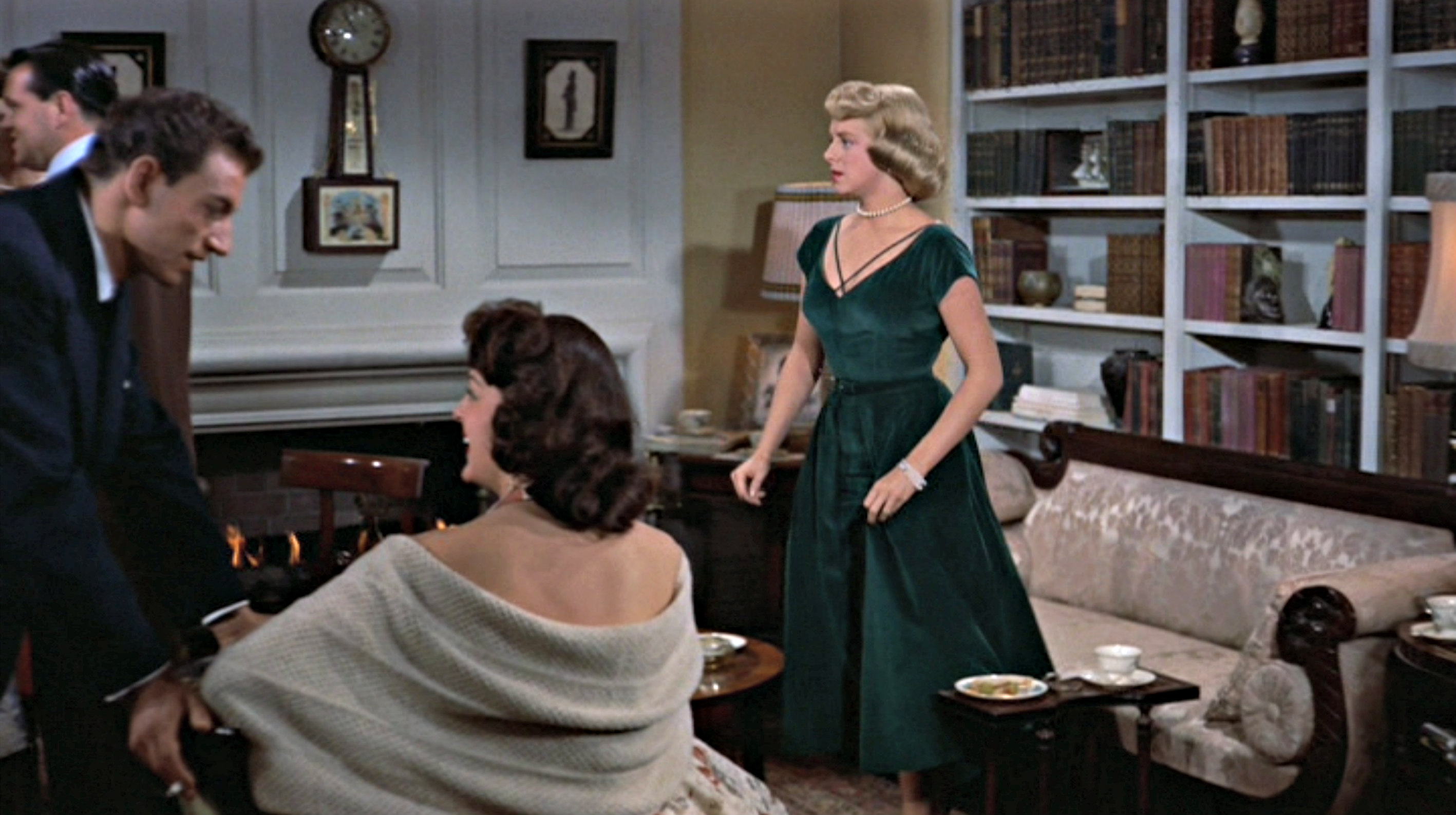
Afterwards, John and Vera run through the energetic “Abraham” number. When I’m watching him dance, I’m thinking that here is popular dancer and movie star Vera-Ellen, doing what she is famous for and what she does so well and here is John Brascia matching her step for step. Brascia also danced in shows in Las Vegas opening for acts like Sinatra, Dino and George Burns again with Vera-Ellen and with his partner who would become his first of three wives, Tybee Arfa. Tybee was billed as Brascia when she appeared as an uncredited dancer in The Godfather and the remake of Lost Horizon. I was pleasantly surprised to see John Brascia show up in not one but two Matt Helm movies playing a henchman-type and another hood four years afterward in Walking Tall. Brascia loved to shoot pool and he wrote and produced the 1980 film The Baltimore Bullet, a comedy about two pool hustlers played by James Coburn and Omar Sharif. John was good friends with Tony Bennett, who served as John’s best man when he married for a second time in 1970. Another interesting note, John was sued by Xavier Cugat because the legendary bandleader claimed John had “stolen” his young wife, Abbe Lane. Sounds like our boy. Sadly, John Brascia battled Parkinson’s for 20 years, finally succumbing at age 80 in 2013.
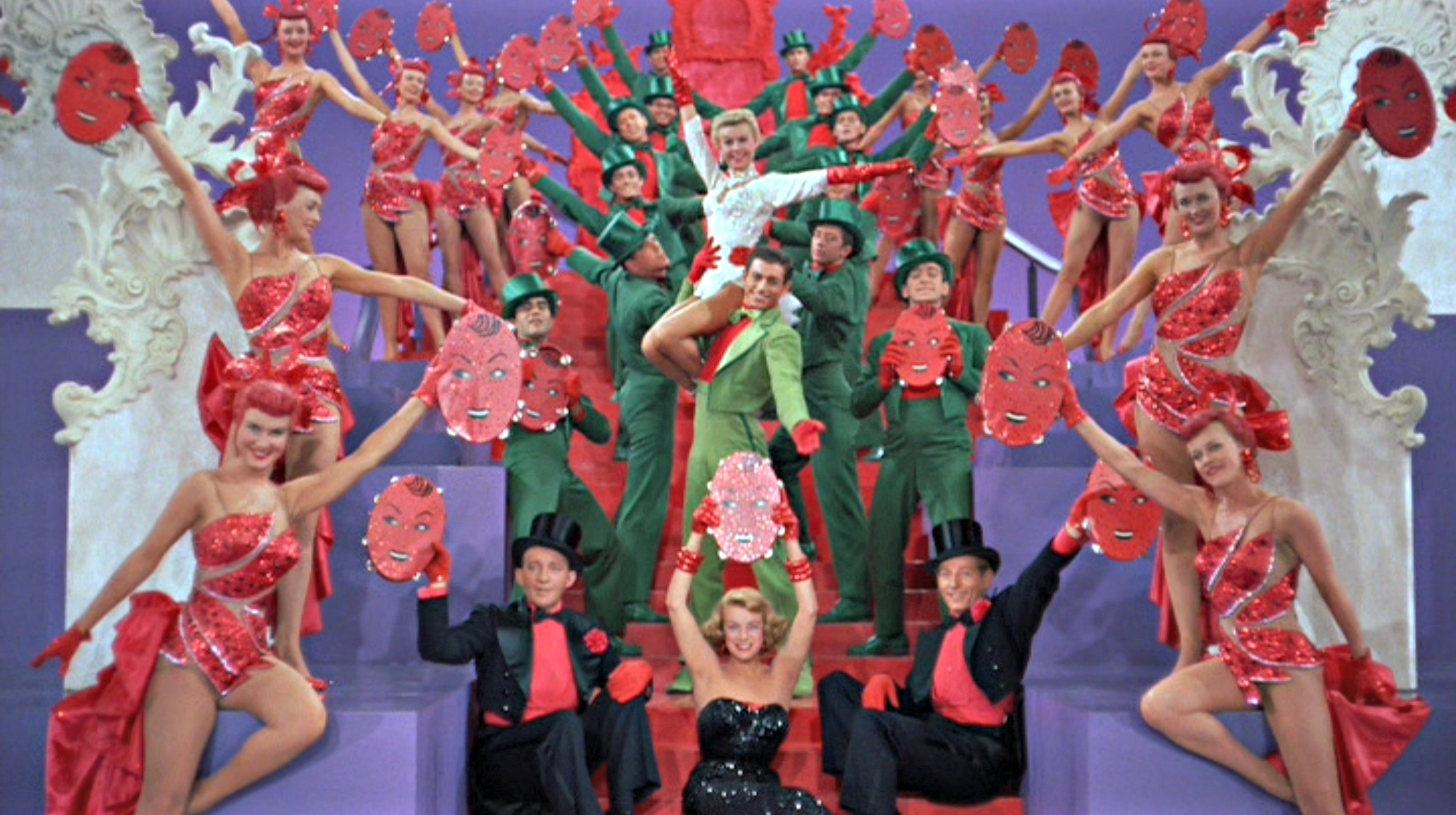
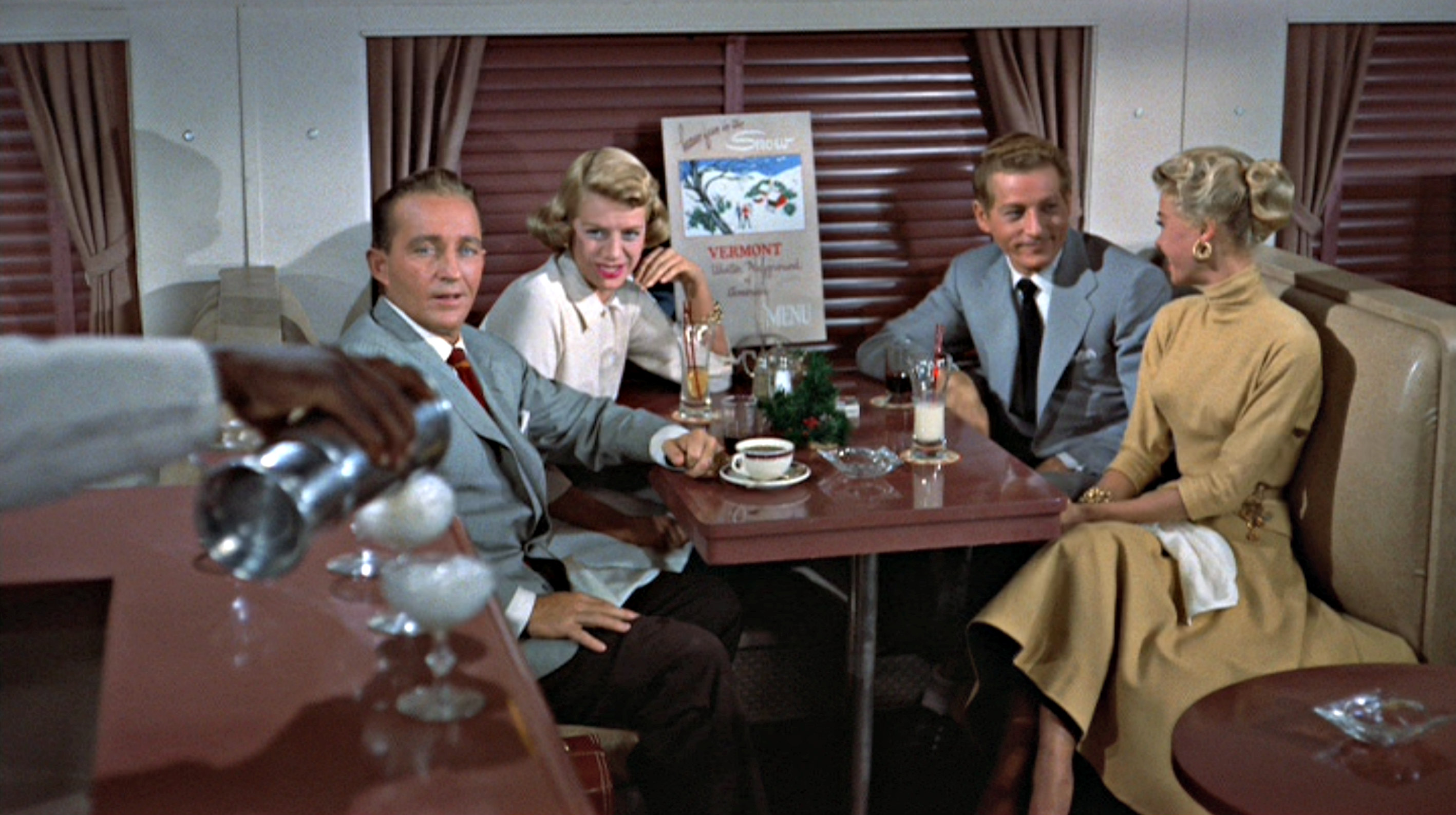
The scene earlier in the film in the train club car when the guys and gals are traveling – boy-girl, boy-girl – to Vermont from Florida is enchanting. Bing’s still sporting that great tie and Rosie is positively glowing. I respect the guy who’s stuck there working in the middle of the night and he sets the quartet up with club sandwiches and malteds. Anytime the state of Vermont has ever come up in conversation in my family one of us will inevitably say “very Vermont-y” and look at Phil’s face as he rubs his arm trying to guilt Bob into letting them go to the Columbia Inn with the girls. “Snow” is a number that is near and dear to my heart. Speaking again of visuals, the composition of Bing and Rosie sitting beside each other in the booth somehow just looks wonderful. Irving Berlin’s composition has lovely undulations as if it is mimicking a ride down the slopes. Bing’s voice has never sounded so like honey pouring out of a jar and Clooney at this point in her career had the clearest and purest of tones; they sound wonderful singing together. Watch while my man behind the counter deftly pours out “snow” into champagne glasses. But the payoff is a combination of sound and visual.
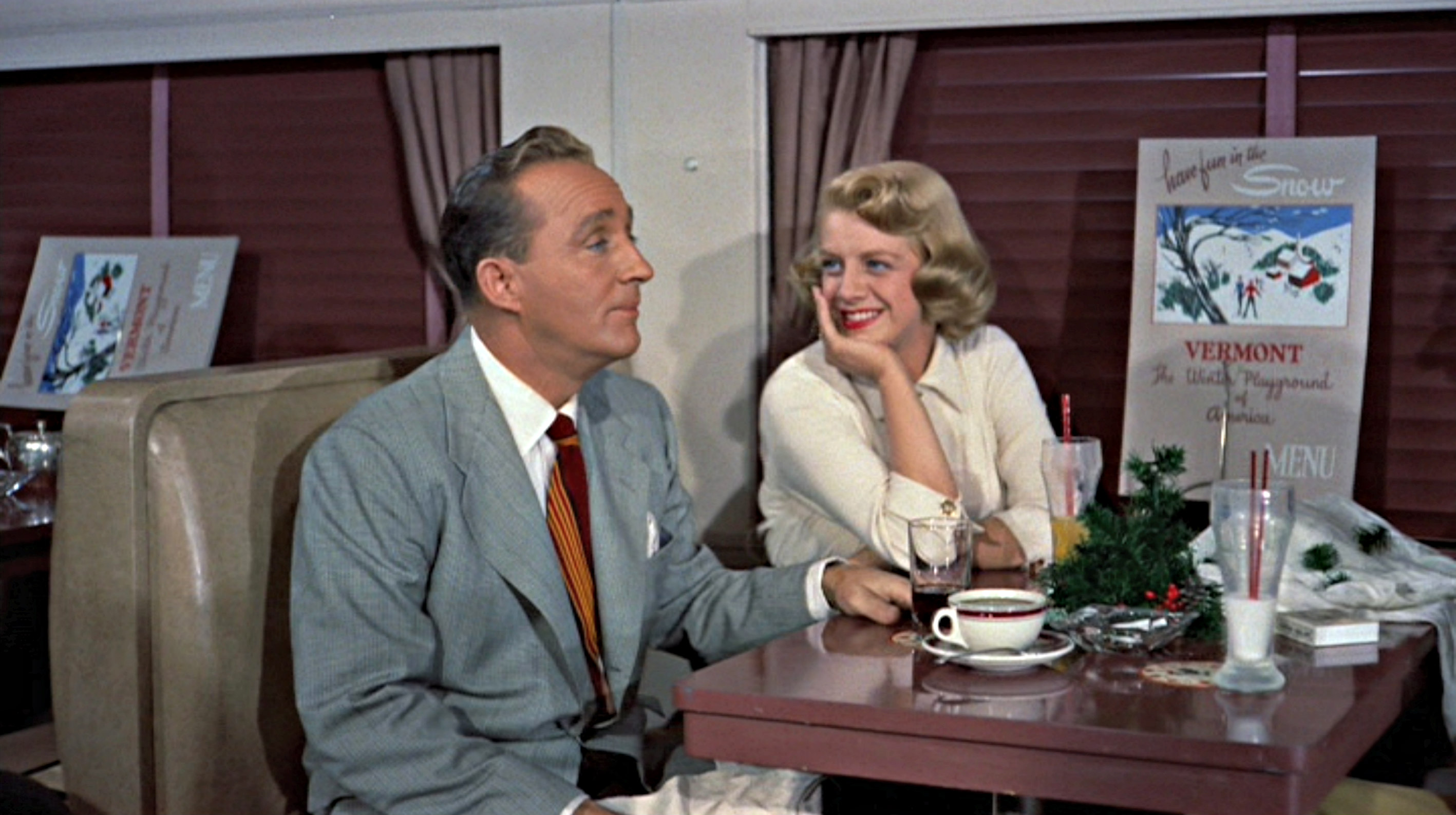
Rosemary Clooney was not different from any other singer of the time in that she understood, appreciated and loved Bing Crosby’s singing and his influence. Now, I understand that Clooney is acting here but I cannot help but think that she was just as enamoured of him as we all our when he sings his parts of this number. Particularly, I often will actually get emotional watching Rosemary beam at Bing when he warmly intones “I’d like to stay up with you but I recommend a little shut-eye. Go to sleep…and dream…of snow”. With that one line sung by that man and with that young woman adoring that pioneer – a giant – all of us are acknowledging all that Crosby gifted us with for so many years. May seem innocuous but there is so much warm significance to those few moments.
Get ready for what might be an unpopular opinion. I have always disliked Mary Wickes because of her role as Emma, the housekeeper. People, I’m sure, chuckle at her work here and love this character actress because of this and other of her film appearances (The Man Who Came to Dinner). But I cannot abide someone who “gets away with it”. Let’s think of another Christmas classic, Frank Capra’s It’s a Wonderful Life. In that movie, the villainous Mr. Potter, that warped, frustrated old man, causes George Bailey’s downfall and pays no penance for it; save the sentence he serves by continuing to have to live with himself. Well, here’s me putting housekeeper Emma on the same level as evil Mr. Potter. Hear me out. She brags about being a busybody and butting into other people’s business and reading their mail – right off the bat, that’s not cool. And I know it’s all in fun but then she violates Bob’s privacy by listening in to his phone conversation with Ed Harrison but only hears part of it. Based on that, she makes an erroneous assumption and tells Betty that Bob and Phil plan to exploit the general. This causes a major rift. Once Betty learns the truth, she returns to Pine Tree and is greeted warmly at the inn by Emma – who caused all this trouble. Nothing is ever said about that and it irks me. But that’s just me.
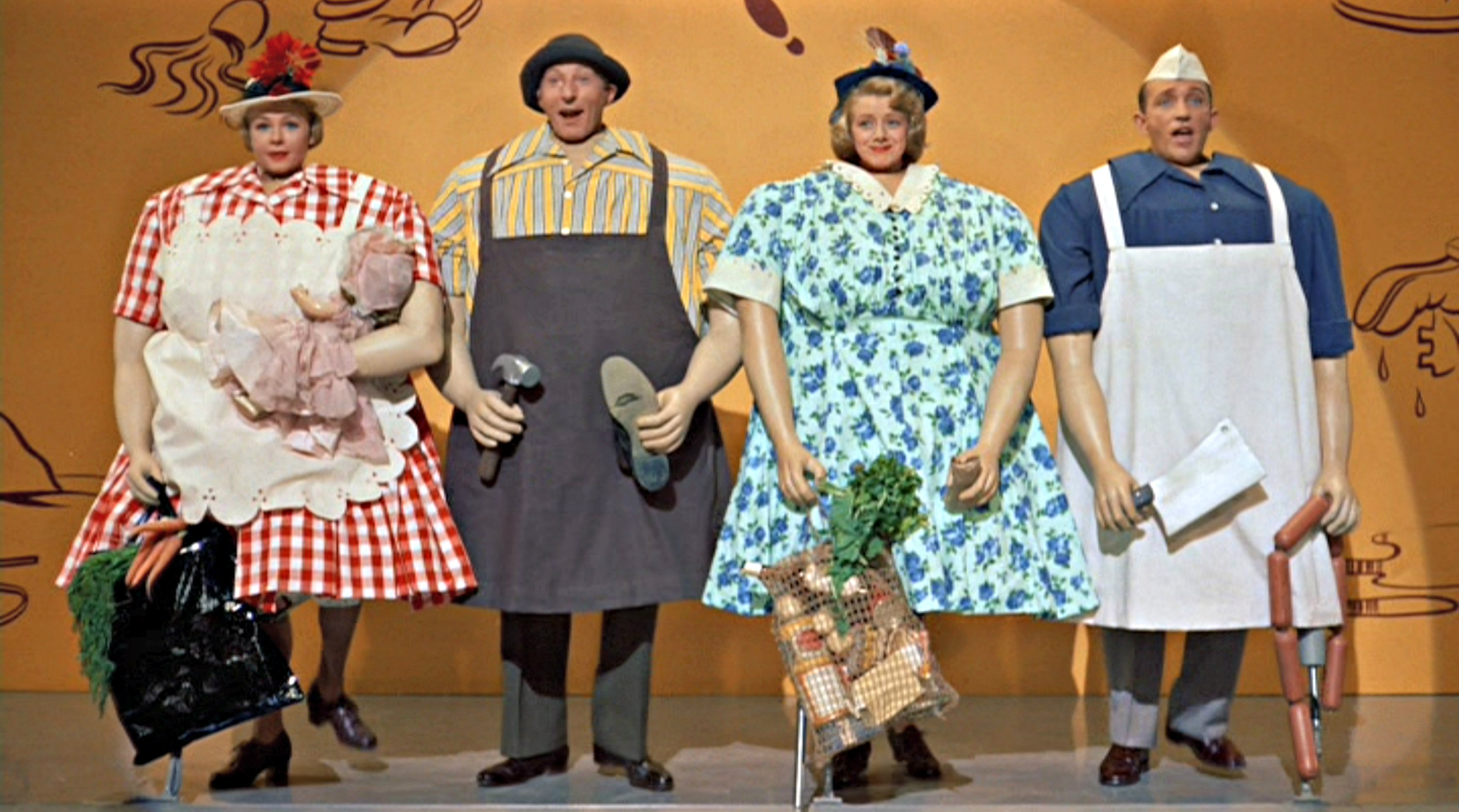
The finale is delightful. It starts with a granddaughter’s pride and Dean Jagger’s fine emoting. And his aide, Joe, is right there yet again. I must mention unknown Richard Shannon who plays Gen. Waverly’s assistant – his adjutant captain – Joe. During wartime, Joe was there for the general, facilitating and administering for him. When the division reunites 10 years later at the Columbia Inn, good, ol’ Joe goes right back into his role. He’s there again for the general and there is something quite touching about his saying that this troop inspection is “just routine” when it is anything but. And consider that he obviously knows how important the weather is to Gen. Waverly as, when it starts to snow, Joe comes and whispers into the general’s ear to come take a look. A nice touch.
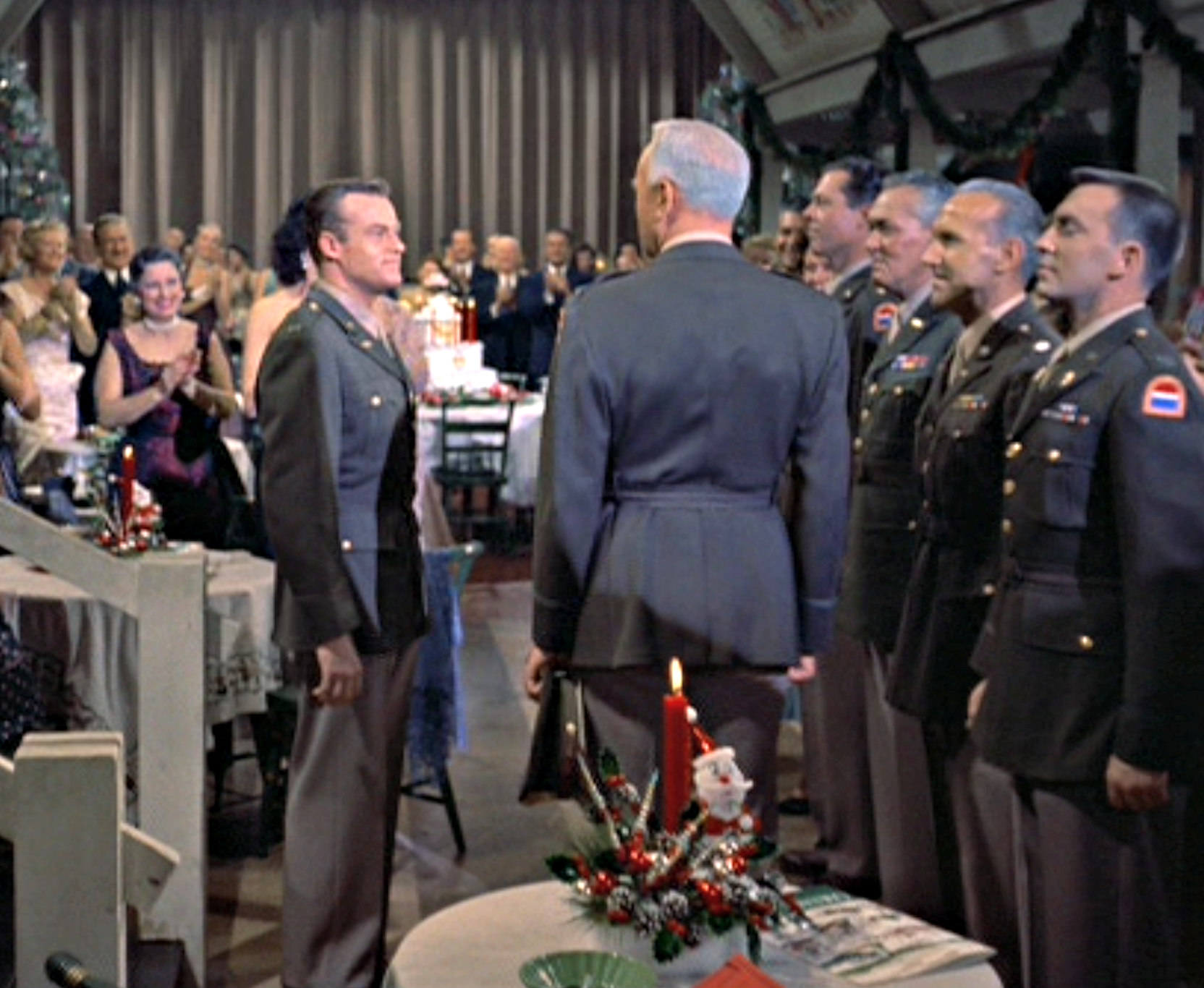
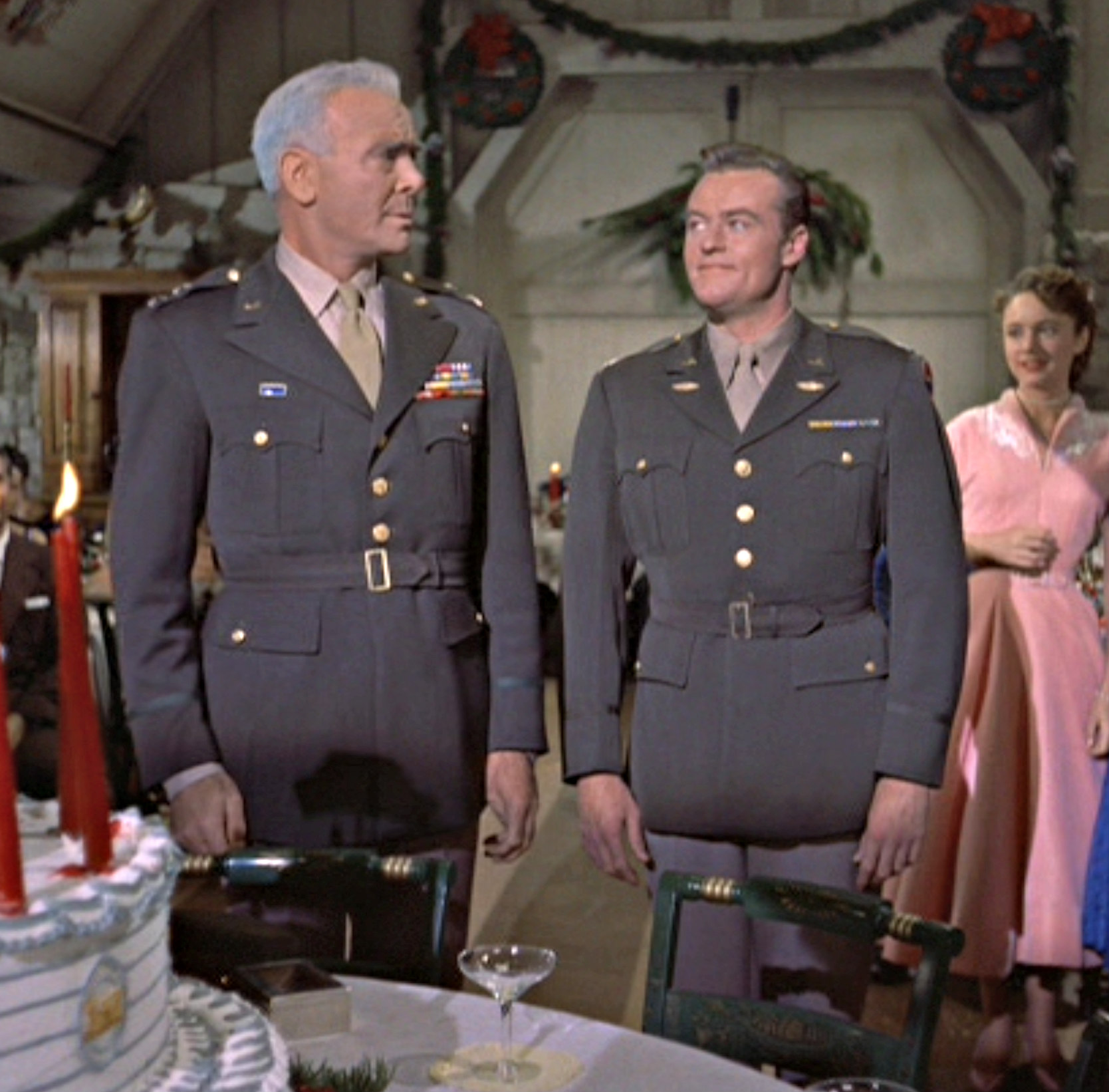
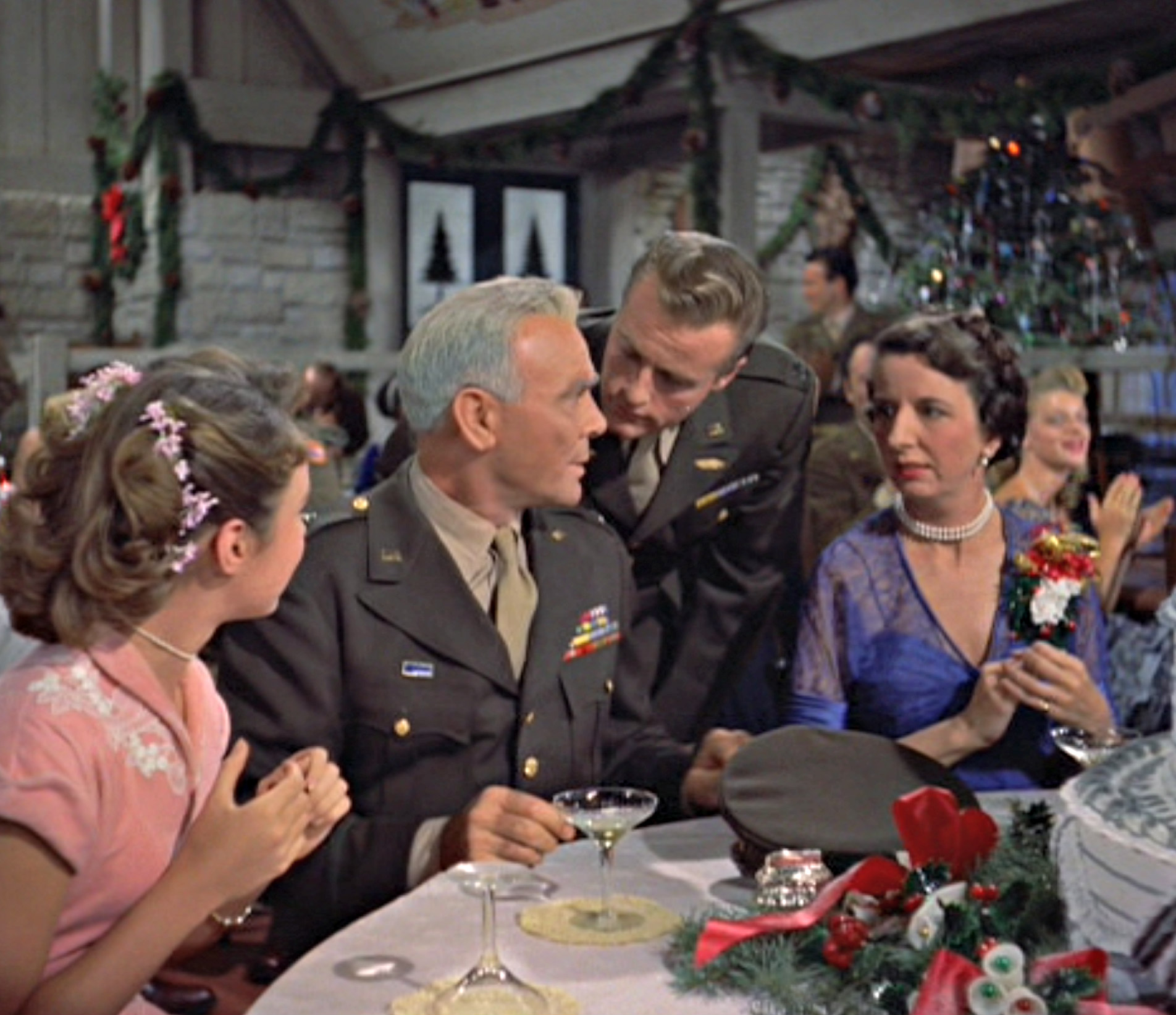
It’s also nice how Joe’s hint that its just routine gives Waverly the idea to facetiously go into one of his trademark tirades against his men – wrapping by expressing his sincere affection for them all. It’s then pleasant to watch the soldiers join their loved ones to watch the show. Imagine the men having done this that Christmas, having brought their families with them to join their old unit and to honour their CO. Charming. The warmth of the final scene comes from the idea that these people are sharing this time together. These war buddies have reunited and instead of being at home with extended family and neighbours they have come to Vermont for this special purpose and to spend Christmas Eve together and away from home. The camera tracking back catches various tables raising a glass and singing together.
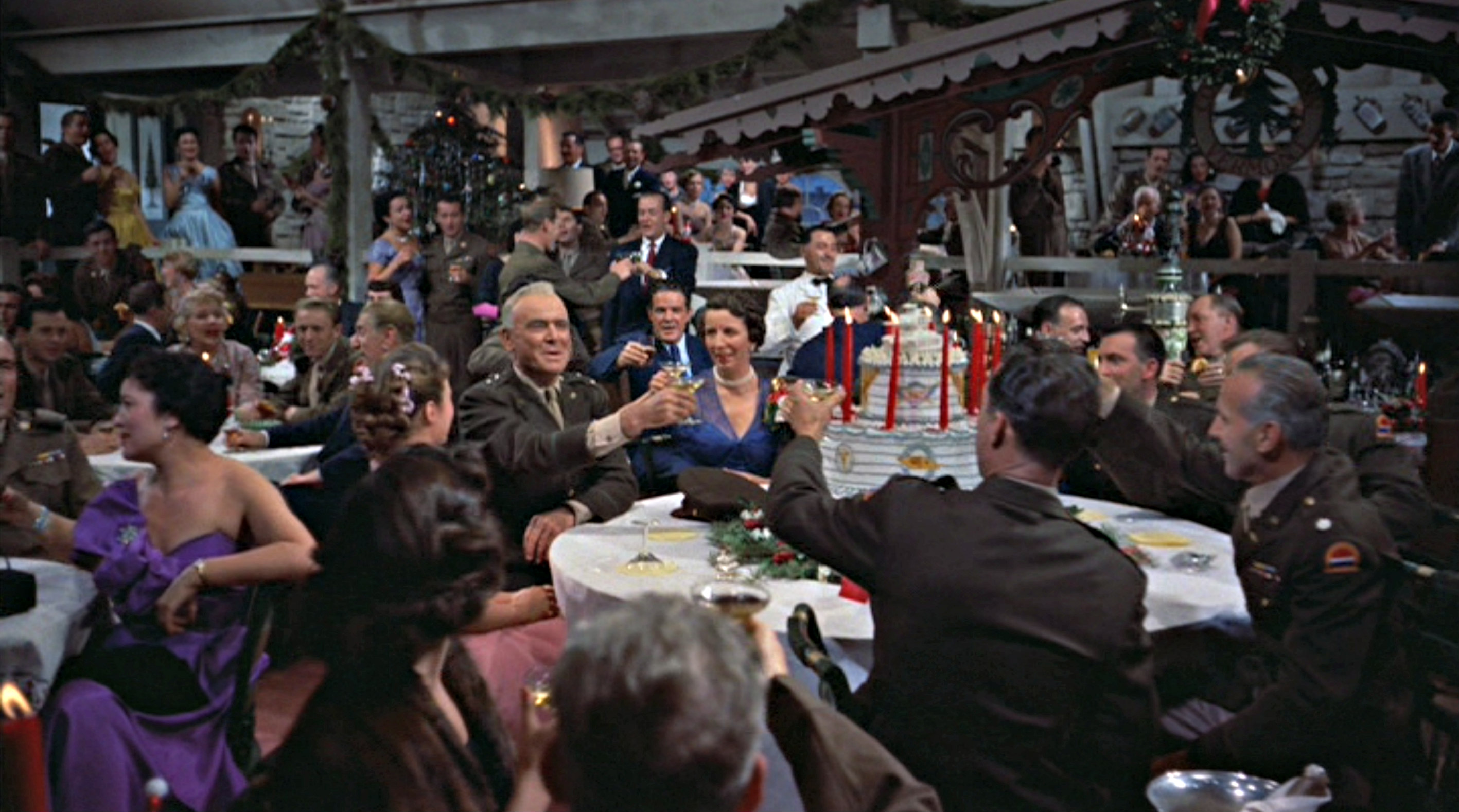
White Christmas is a perennial staple and the reasons why are clear. From the cherished title song, one of the most venerable and durable songs in history, to the equally cherished, venerable and durable Bing Crosby taking the lead. From the contributions of each cast member, well chosen to the costume designer Edith Head, all the set designers and last but by no means least to our director, Michael Curtiz. With all of these special ingredients, it is easy to see that White Christmas will continue to delight audiences as the years roll on.
Sources
- Dancer John Brascia Dies at 80 – Michael Palumbo, Variety (February 22, 2013)
- OBITUARY: Anne Langham Whitfield Phillips passed away on Feb. 15 – Staff, B-Townblog.com (February 24, 2024)
 SoulRide