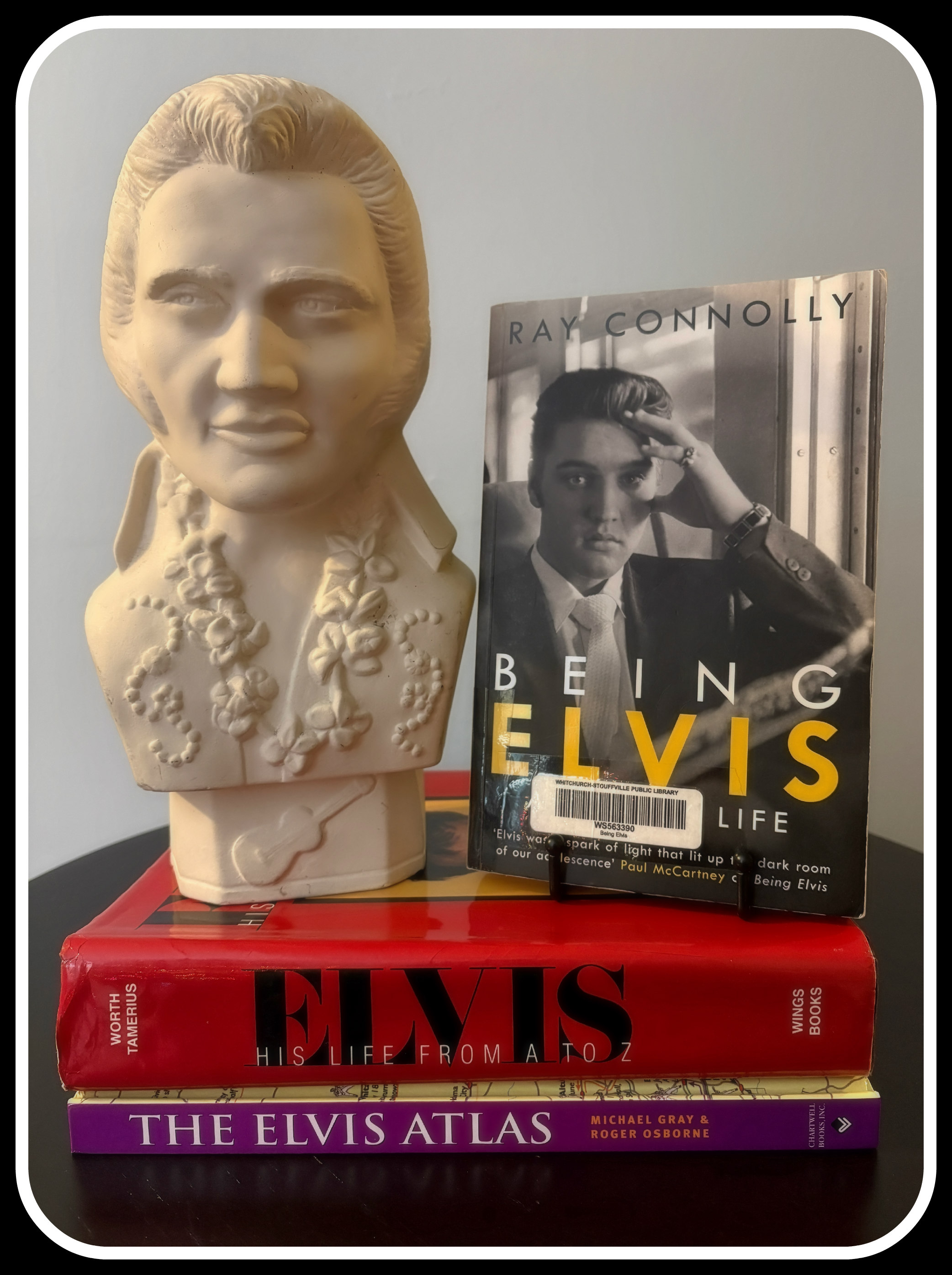
I gotta hand it to my sister-in-law. Her years spent working in a library has netted me a pretty good haul of books. The last two she gave me (she’s retired now; what a rip-off) were Elvis books, both I really looked forward to. One was called Elvis in Vegas and that one is still to be discovered. The other is the one we’re looking at today.
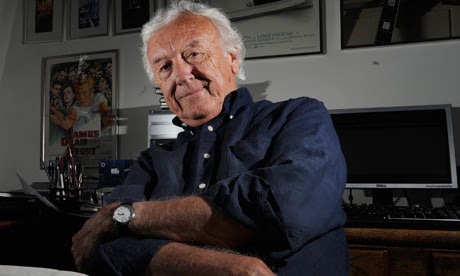
Being Elvis: A Lonely Life is a 2016 book by English author Ray Connolly. The journalist from Lancashire also penned the screenplays for That’ll Be the Day (1973) starring Ringo Starr and it’s 1974 sequel, Stardust. Writing for the London Evening Standard, Connolly had the opportunity to interview many popular artists including the Beatles, Muhammad Ali and Elvis Presley. He was scheduled to interview John Lennon on the day the former Beatle was murdered.
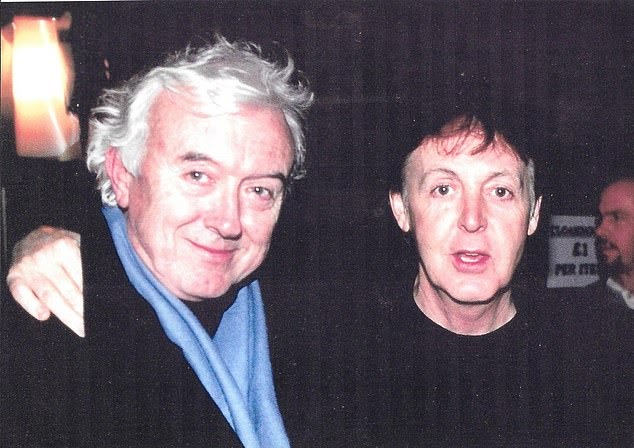
Connolly’s Elvis book offers very little unique insight. Books on the king will either be very thorough and extensive like those by Peter Guralnick or Alanna Nash or they are throwaway paperbacks. Being Elvis falls somewhere in between. It seems that Ray has gathered info from various books on Elvis and has used them to tell the Presley tale and tell it from the standpoint of being Elvis was an incredible hardship. The book is honest and it is also very sympathetic.
Connolly’s whole premise is the simplicity of Elvis’ early life and budding fame was slipping away by the month as he gained popularity and the walls began to close in. The author does make many good points, such as by the late 1950s, nearly every decision concerning Presley’s career going forward would be made based on its moneymaking potential as opposed to artistic possibilities. Another sad but perhaps accurate perception is that Elvis was in fact employed by the Colonel and Connolly states that Presley “trusted Parker’s business skills more than he believed in his own talent”. A further thought-provoking take is that Elvis had been living in a safe cocoon and then suddenly found himself on his own in the army. He also makes note of the visuals of Blue Hawaii making it clear that Elvis had gone from howling rebel to middle-of-the-road, bland entertainer.
It should come as no surprise that most of what there is to be gotten from Being Elvis has to do with the Beatles. Connolly starts by making another good point, this time about Elvis’ publishing companies making it harder for themselves by demanding a good chunk of royalties from songwriters; any songsmith worth a damn was never going to capitulate which left…well, not hacks but a certain “type” or level of songwriter who was willing to play ball. Perhaps the most compelling idea put forth is that someone on Presley’s team should have commissioned any of the popular artists of the day to contribute songs for Elvis to sing. Connolly suggests someone should have reached out to Lennon and McCartney who he says would likely have jumped at the chance to write for Elvis. And here is another look at the insularity of Elvis World. Hard for us to imagine Col. Parker being OK with two of the competition providing a song for Elvis to sing at all, let alone one that would not have netted Parker and his concerns a cash windfall. As if we Elvis People needed one more thing to lament having lost. Think about that; what would that song have sounded like, one that Lennon and McCartney would have written for Presley? Imagine further Elvis Presley having a songwriting alter ego (say Jerry Reed?) to provide him with hip material throughout the late Sixties. We are left again to imagine the scenarios that never came to fruition.
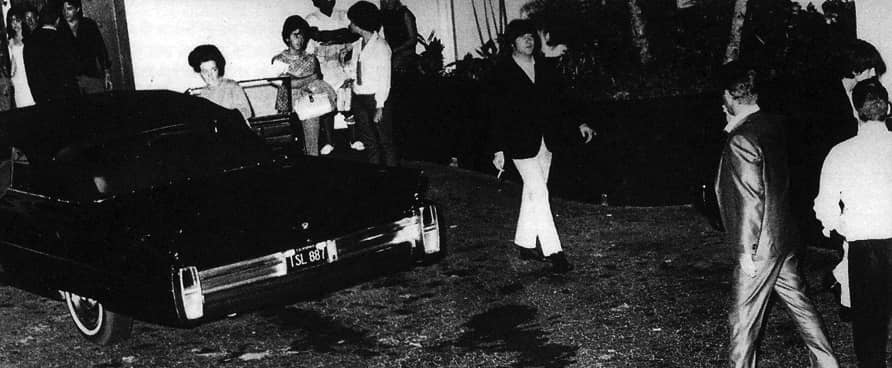
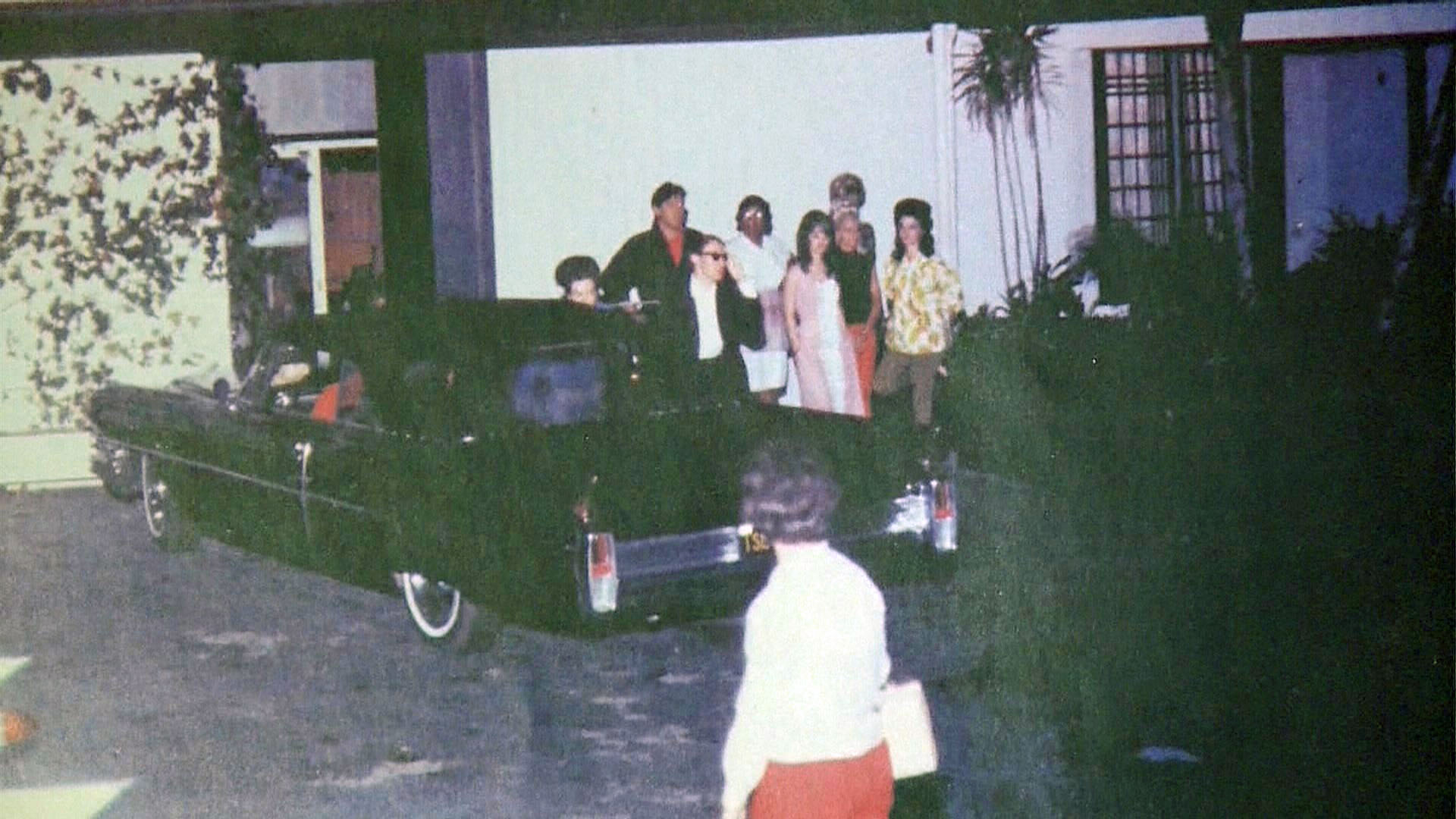
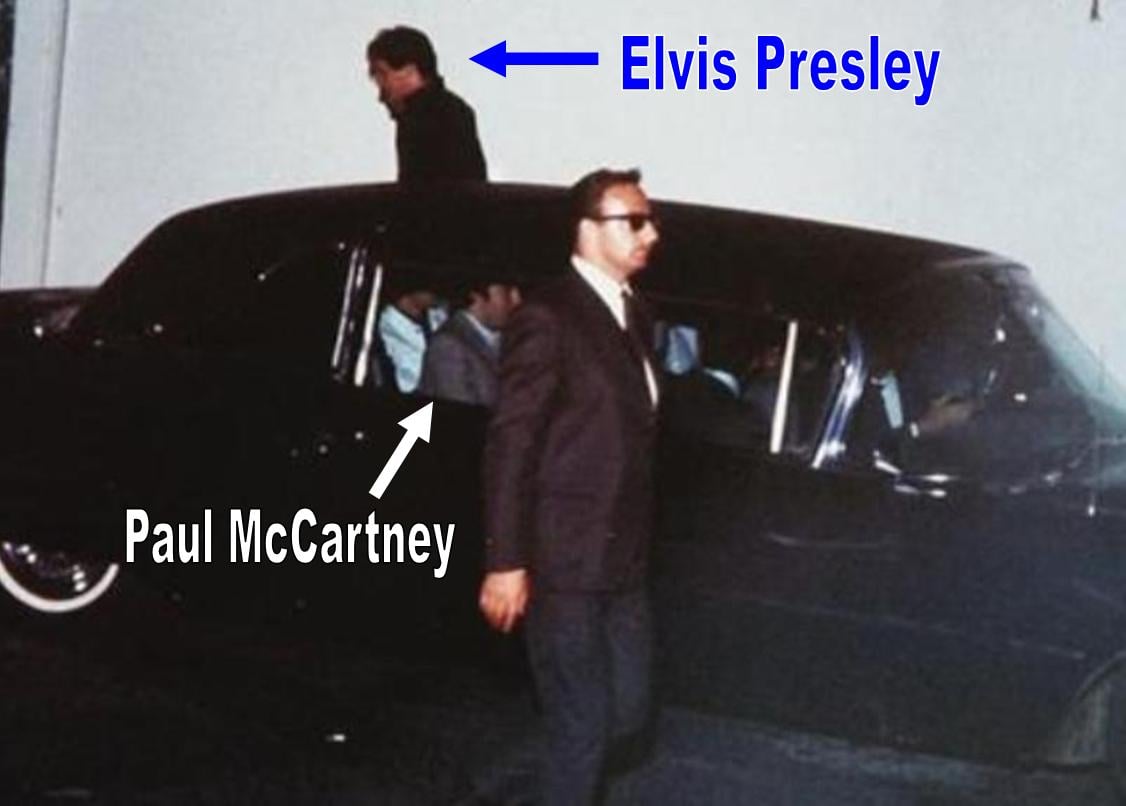
Here also is a pretty thorough account of Presley meeting the Beatles. While this summit actually boggles the mind when one considers that Elvis really did have the Beatles over to his house to hang out, aside from the historical ramifications of the meeting, it is yet another sad part of this downer book. While I guess no one was going to be very comfortable during this meeting, it is described as extremely disappointing for the Beatles and demoralizing for Elvis. I can imagine it would have been shattering for John and Paul particularly as Elvis had been a hero to them and his early recordings had set them free as musicians and as young men. But by the time of the audience, Elvis had been neutralized as a musical force and that fact must have permeated the air, must have been the elephant in the room. Elvis was embarrassed and the Beatles were disillusioned.
Now for the bad news. This book was written mostly by using existing sources and with few first person interviews with the result being that it has little of its own insight, little of its own to say. It never sits well with me when a biographical book offers passages of dialogue as verbatim accounts without first noting the quotation as such. It seems disingenuous and amateurish. Then there are passages like “later he would sometimes feel as though he blinked and those early teen years passed by without him noticing”. Did he really feel like that? Says who?
Some more of the good and bad of Being Elvis; Connolly says that Jerry Reed’s presence at the session for “Guitar Man” is a “breath of fresh air” for Reed’s good-ol’-boy demeanour, for his incredible chops and for his refusal to give up his publishing, going toe-to-toe with the EP publishers. This helps to confirm my contention that my main man Reed did play a substantial part in Elvis World, particularly in EP’s return from his celluloid grave. The author does well to note that the songs Presley recorded at American Sound in 1969 had adult themes and helped to return Elvis to relatable and contemporary times as opposed to singing the bogus movie songs that existed in a vacuum. Ray rightly says that Vernon was in awe of Parker, Elvis didn’t read contracts and he had to continually work to generate income and notes that “packhorses had it easier”. He is also right to point out the insanity of the Colonel selling the back catalogue back to RCA. Interesting that Connolly notes his sit-down interview with Col. Parker at the International Hotel in Las Vegas when Elvis returned to public performance. Ray says that when he asked Colonel about Presley appearing in England, Parker replied that was unlikely to happen “any time soon” and gave as a ridiculous excuse the fact that “Mrs. Parker” hadn’t been feeling too well lately, couldn’t travel and Parker would feel bad leaving her behind. What an absolutely ludicrous thing for Parker to say.
Speaking of ludicrous, Connolly says that Presley’s version of “You’ve Lost That Lovin’ Feelin'” “wasn’t anywhere near as good as the original” – such foolish talk – and derides the King Movies by saying they have “mercifully…been all but wiped from the public memory” and that they “might just as well have never been made”. This last point alone relegates Ray Connolly to the dust bin of Elvis “biographers”. This is an incredibly incognizant observation lacking in discernment. What is almost as bad though is the fact that Being Elvis – while it tells the story basically accurately – tells it in an unadorned, prosaic style making this a book strictly for Elvis beginners. If this is the third or fourth Elvis book you’ve ever read, you will realize early on that it doesn’t have much of its own to say or much that you haven’t already heard.
What it does have to say is pretty depressing. Which actually brings up another interesting point. I have always said that the story of Elvis Presley is essentially a sad one. That for all of the good things, it is also a lot about what could have been. But I still think that you can tell the story in such a way that the negatives don’t pervade the telling. What about the grandeur? What about the glory? What about the good? This presents an opportunity to assess how we look at Elvis Presley. We must have balance; we should acknowledge the sad truths but also the happiness he gave.
Part of me wants to say that, if you are new to the Elvis story and want a place to start, this may be a good book for you. But I’m not sure about that. I think that, of all the books on Presley that I have read, this has the least to say of any of them.
 SoulRide