Dispatches from the Pursuit of This Vintage Life

Here in the Great White North we have Rogers, a cable, television, phone and internet provider. I’ve been a customer for years and while we often have not seen eye to eye I will give them one thing. Offered as a perk among my services is Stingray Music, an audio service that provides streaming music on multiple channels. I have a discerning ear for such channels and I must say most of them pass the test more often than not, playing favourites often but also deeper cuts and little repetition. One channel that is on my regular rotation is Classic R&B and Soul and often a song or a band will catch my ear and I will check them out and this has lead to some great discoveries.
Most men with sons will know the feeling of wanting to see some of your influence in the way they live their lives whether its traditions they carry on in their own homes or media they consume. Once when my youngest son was older and home for a visit, I had the R&B channel playing and a song really caught my ear and I went to turn it up. It was William Bell singing “Everybody Loves a Winner” from 1967. I was struck by it and, as a bonus, my son was, too. My son is a filmmaker and, fast forward a bit, I was thrilled to hear it used in one of his films. That’s how much he liked it. I sure took some credit there, let me tell you.
This incident always kept William Bell in my mind and fast forward again and I finally dug into his music. I was pleasantly surprised to find out a lot of cool things about Bell, not the least of which is the fact that – as of this writing – he is still alive and well, aged 86. Cool Thing Number Two is that my man was born in Memphis, Tennessee and he began his career – of course – by singing in church and considered himself a student of Sam Cooke and his gospel group The Soul Stirrers. Also like Cooke, Bell started writing songs early and his work caught the ear of Stax Records and he was soon asked to join the label as a writer and as a singer – in fact, William Bell was the first male solo act to be signed by Stax. Cat’s killing it in my book already and he ain’t even cut any sides yet.
After a stint in the military, Bell released his debut LP, The Soul of a Bell, that featured “Everybody Loves a Winner”, a song that charted on both the Pop and R&B charts in the States. Bell was a good friend of Stax label mate Otis Redding and suffered the loss when Otis was killed in a plane crash in 1967. Bell was scheduled to be on the same plane but had his show in Chicago had been cancelled due to weather. In the aftermath, Bell wrote “A Tribute to a King” that charted in the US and was Bell’s first to chart in the UK. Before the year was out, Bell added one more jewel to his career, his backdoor Christmas song, “Every Day Will Be Like a Holiday”, a great song that today is considered one of the best R&B Christmas songs and one that has been recorded by many others.
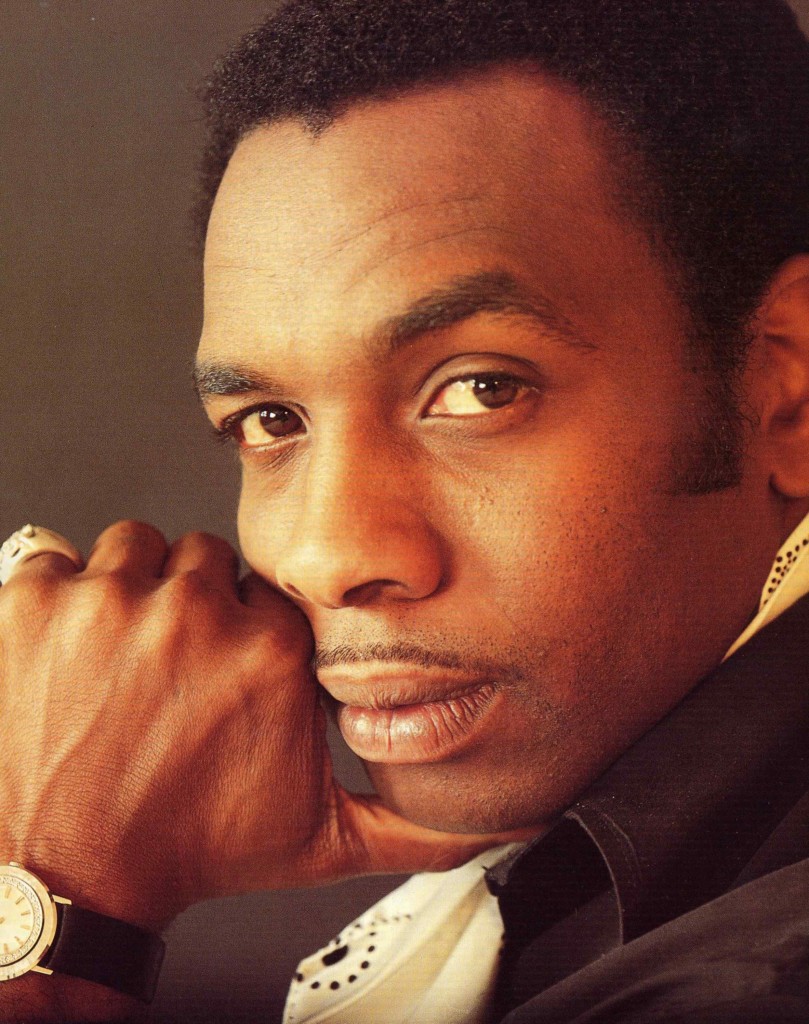
Bell later left Memphis and Stax and continued his recording career in Georgia, starting his own labels and making records for Mercury. In fact, the biggest hit of his career came with his first release for Mercury. “Tryin’ to Love Two” reached the Top Ten US Pop and topped the R&B listings in 1976. William Bell enjoyed a victory lap when he returned to Stax in 2016 to record This is Where I Live, a record that garnered the Grammy for Best Americana Album.
William Bell may fly under the radar a bit but the cat has lots to warrant discussion. Not the least of which are his songwriting credits. I was actually surprised to learn that Bell wrote “Any Other Way”, a hit for Chuck Jackson, “I Forgot to Be Your Lover”, a tune I discovered in my youth under the guise of a Billy Idol version titled “To Be a Lover” and – most amazingly – William Bell wrote the blues standard “Born Under a Bad Sign”, recorded so memorably by Albert King and Cream. “Born Under a Bad Sign” – as if. Never mind that he also wrote his best known songs, “You Don’t Miss Your Water” and “Private Number” (with Booker T. Jones). Well done, William Bell.
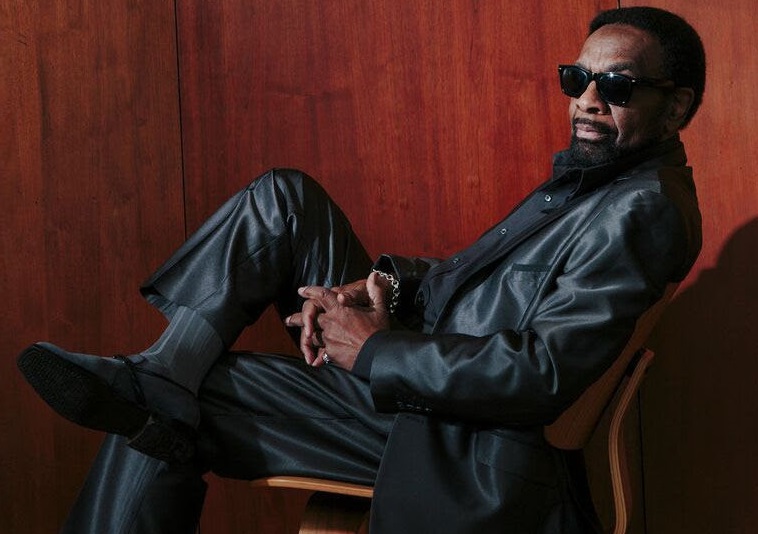
You may have missed William Bell but he is quite well known compared to Darrell Banks. Banks was born Eubanks in Ohio and grew up in Buffalo. He was the son of an unmarried 17-year-old girl and a 27-year-old Kentuckian who soon vacated the scene. Fresh out of high school, Darrell married a white woman named Beverly and the couple had two children, eventually splitting just as Banks was breaking through. Darrell – who had started singing in church, of course – snuck out a single in 1966 on a Detroit label that wasn’t Motown. Co-written by Banks, “Open the Door to Your Heart” went to Number 2 on the R&B charts and it hit the Top 30 Pop. This was the tune that called out to me from the radio one day and I had to go and check who was singing. This excellent tune lead to the release on Atco of Darrell’s first album, Darrell Banks is Here! (1967) but he soon left the label and signed to Stax – as all soul singers should. During his brief stay in Soulsville, Banks released two ineffective singles and another album. Looking back from today, the title of his sophomore LP is fallacious, even eerie; Darrell is Here to Stay.
Darrell Banks had been seeing a girl named Marjorie Bozeman, a barmaid who worked at a North West Detroit lounge, but the relationship had soured, much to Darrell’s dismay. Marjorie was handling the split decidedly better; she had been seeing a man named Aaron Bullock. One night, Darrell was determined to see Marj and went by her house, finding her not at home. He sat in his car and waited. Marjorie soon arrived home, being dropped off by her new boyfriend, Bullock. Banks got out of his car and approached. He took Marjorie by the arm and, leading her away, said “we have to talk”. At this point, Aaron intervened. He identified himself as a Detroit police officer and told Banks to let go of Marjorie. Instead, Darrell Banks drew a gun and pointed it at the officer. Bullock ducked, drew his weapon and fired on Banks – differing reports indicated one or two shots – and hit him in the neck. It was over in a moment and Banks bled out on his way to Detroit’s New Grace Hospital.
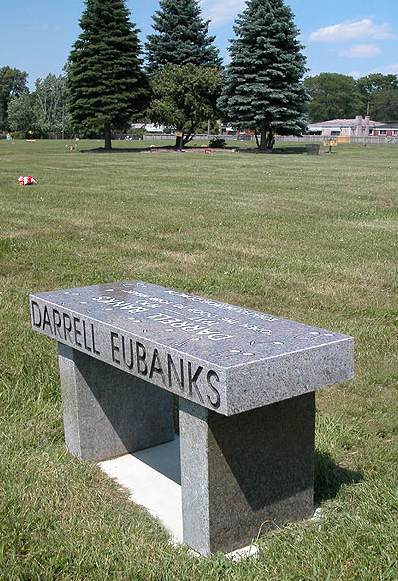
A benefit was held in memory of Darrell at Watts Club Mozambique on Detroit’s west side; Isaac Hayes, the Spinners and Martha Reeves & the Vandellas were there and his children benefitted from monies raised. But there was nothing for a marker and Darrell was buried in an unmarked grave. The Scottish founder of Soufuldetroit.com began a fundraising campaign for a monument, a goal that was reached in 2004 resulting in a marble bench being erected to remember this small but vibrant light in the history of soul music.
From a medium-sized legend who lives on today to a smaller personage cut down in the prime, we light upon a popular and successful performer who lived a full life and passed away in 2020 at the age of 81. From Slab Fork, West Virginia, its Bill Withers. While I like a variety, some tracks you hope are in heavy rotation on any internet radio playlist. I love it when I hear a Bill Withers song coming out of our radio speakers.
Let me quickly mention that Doris Payne was also born in Slab Fork, population today of 202. Payne was a career criminal and jewel thief who – for fifty years – stole diamonds all over the world, from a $500,000 diamond ring in Monte Carlo to $86 worth of merchandise from an Atlanta-area Walmart, this last while she was still wearing an ankle bracelet from a previous arrest. As of today, Payne lives on, aged 95.
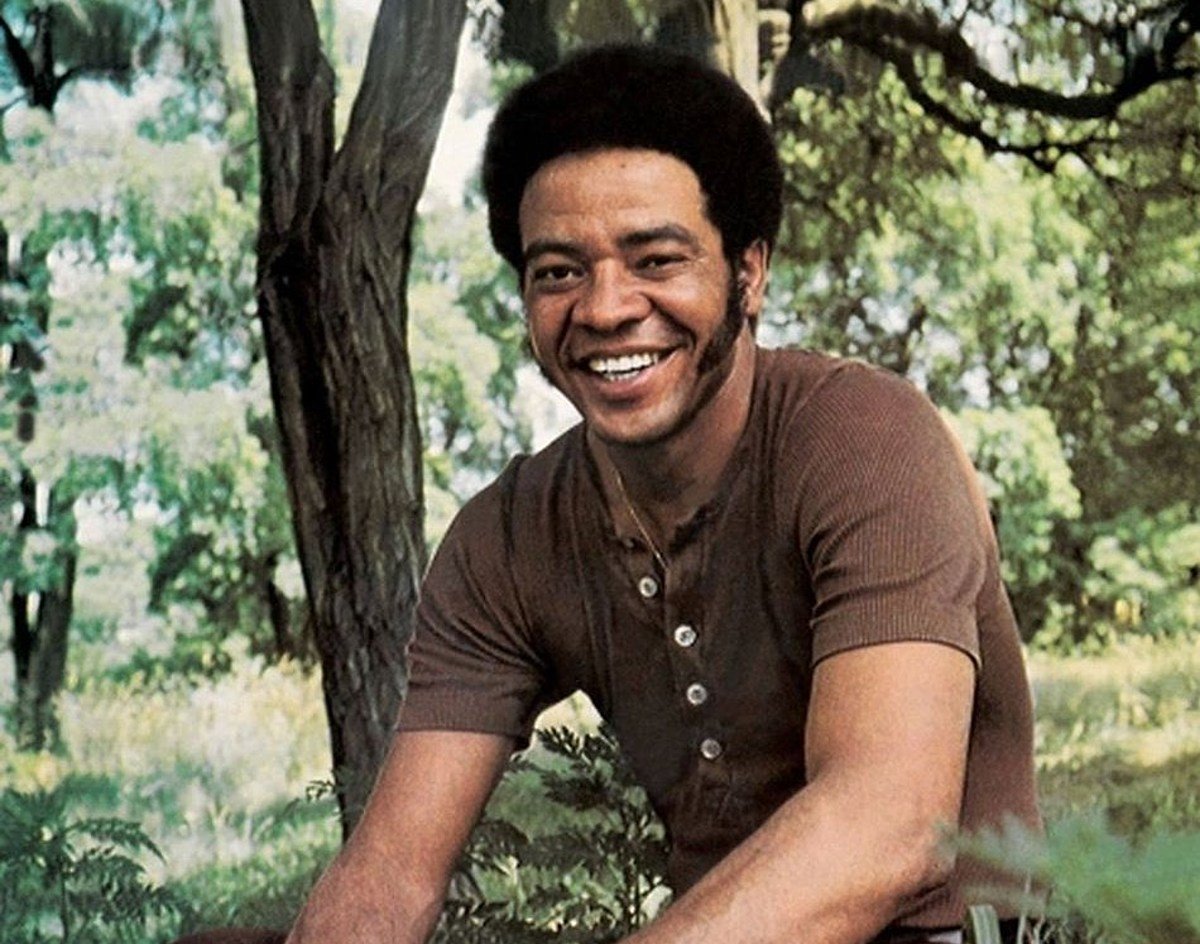
Anyways, Bill’s parents divorced when he was three and he went to live with his mother’s family in nearby Beckley, a city I am well acquainted with. Bill served in the Navy for nine years, mustering out when he was 26 in 1964. With dreams of becoming a singer, he cut some sides that went nowhere until 1971 when he struck with “Ain’t No Sunshine”. While not released on Stax, the single had Soulsville stamped all over it having been produced by Booker T. Jones and featuring MG’s Donald “Duck” Dunn, Al Jackson, Jr. and even Stephen Stills playing on it. For the song’s bridge, Bill – who wrote the song on his own – had wanted to add more lyrics instead of repeating “I know” 26 times. Others thought it was cool, though, and so he left it. The song was a Top 10 hit in the US on both the Pop, R&B and Adult Contemporary listings. Thing that is cool about Bill, though, is that he was still working a day job. Wisely discerning how fickle the music industry was, Bill stayed on at Douglas Aircraft where he was making lavatories for Boeing 747s. The song went gold and dude was still punching the clock; the cover of his first album features a pic of him at work, lunch box in hand. The president of the company presented Bill with a golden toilet seat. This is good stuff. Withers was able to kiss the workforce goodbye when, in October of ’71, he received two letters on the same day. One was from an old employer hoping to coerce him back with the offer of a mechanics job paying $3.50 an hour – and the other was an offer to appear on The Tonight Show with Johnny Carson. It was so long, punch clock.
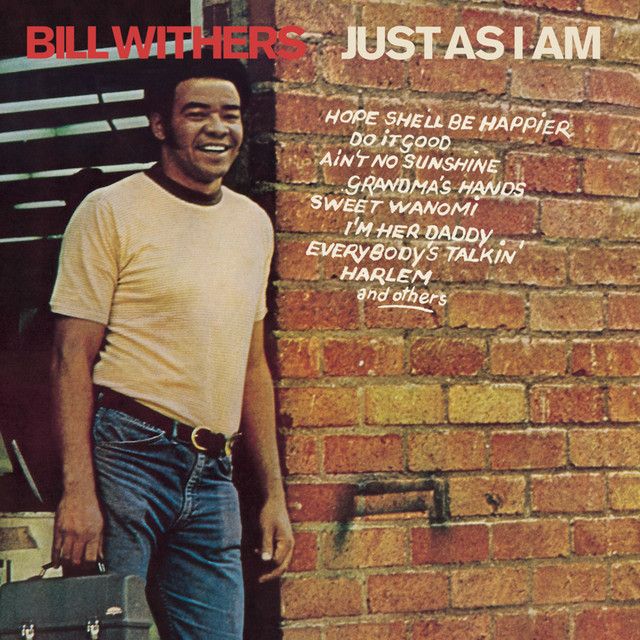
Withers had a killer year in the year of my birth – 1972 – with the release of his album Still Bill and it’s two hit singles. Withers unleashed two legendary recordings – both written by Bill alone – that have stood the test of time and have entered the pop culture lexicon. By far my favourite of the two is “Use Me”, a stone groove that utilizes well my favourite instrument, the clavinet. Number 2 Hot 100 and Number 2 Hot Soul Singles. This one has been covered by scores of artists; from Liza Minnelli and Al Jarreau, to GWAR and Slash’s Blues Ball with Hootie and the Blowfish, Walter “Wolfman” Washington, Mick Jagger and Isaac Hayes in between. Amazing to think that, back-to-back on the album to close out the first side are “Use Me” and “Lean on Me”, the latter being perhaps Bill’s best known song. Withers wrote the gentle tune after he moved to Los Angeles and was reminiscing about the hometown feel and camaraderie he remembered fondly from Slab Fork days. “Lean On Me” was a Top Ten song worldwide and topped both the Pop and R&B charts in America. More than that it has become an inspirational anthem of brotherhood and community. When something called Club Nouveau covered it and it topped the charts, as well, “Lean On Me” became one of only nine songs to reach Number One with two different versions.
Bill then released a few more albums and singles that made decidedly less noise though he maintained regular appearances near the upper reaches of the R&B charts. Then he was back to gift the world with another gem. “Lovely Day” is an absolutely joyous song, one that sends you to the sunshine and makes you want to sing along while running down a hillside with your arms thrown out wide. While it may be the lowest-charting of his hit songs, it may be my favourite. Bill holds a sustaining note, a high E, for 18 seconds, “one of the longest ever recorded on an American pop song” and “the longest of any Top 40 song in the United States”.
Bill’s final contribution was his appearance on an incredibly stylish track recorded by smooth jazzbo Grover Washington, Jr. Bill was asked to add lyrics and his vocal to “Just the Two Of Us”, a track that appeared on Washington’s Winelight album (that I’m proud to own on vinyl). The song was a major hit, reaching Number 2 on the Pop charts, Number 3 R&B and one that went on the win the Grammy for Best R&B Song. The song and Washington’s album helped spark the smooth jazz explosion of the 1980s.
The final thing that makes Bill Withers so cool is that he didn’t need it. In 1985, Withers got fed up and quit the business. He grew tired of the way his record company at the time, Columbia, was attempting to package him and he packed it in. He said that, having come to a career in music much later in life than most, he felt less willing to commit to it after it had lost some of its appeal. And he was always just a regular fella anyways.

Bill Withers always maintained a solid reputation among people who know in the music business. He is the perfect example of a “greatest hits guy” for me and I have a compilation of his best on CD. Also, we all should check out the documentary Still Bill and next time we’re driving through West Virginia, let’s meet up at the Bill Withers statue downtown in Bill Withers Plaza on Neville Street.
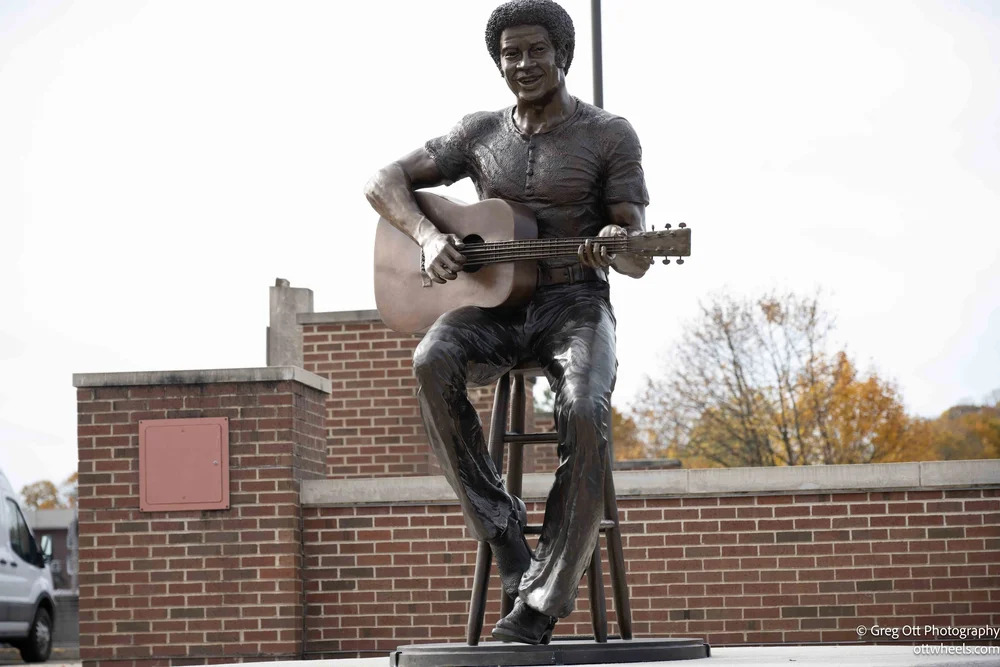
Update: I was thrilled to get the opportunity to visit the Bill Withers statue in Bill Withers Plaza in Beckley. I can confirm that the statue is substantial and the plaza impressive.
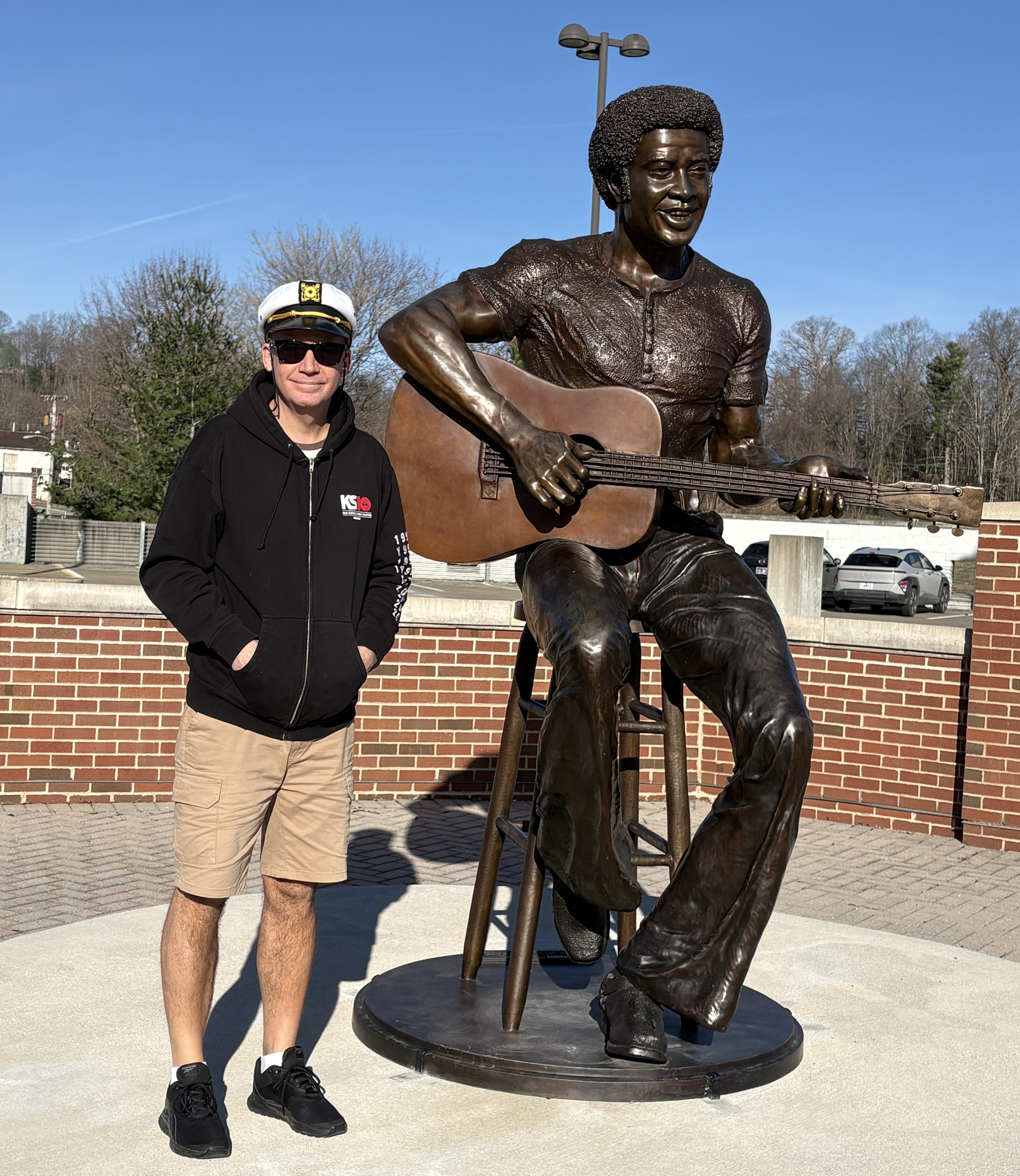
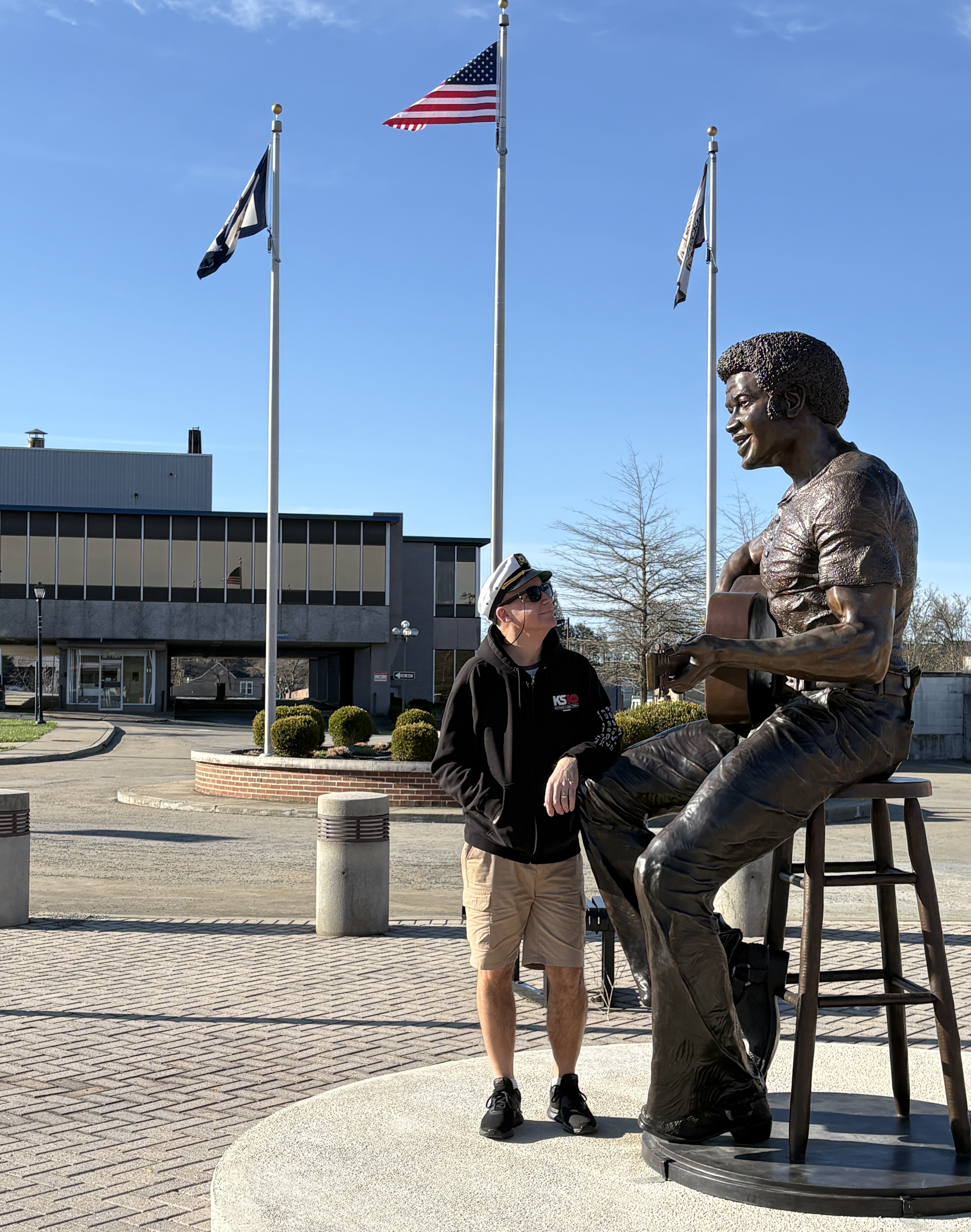
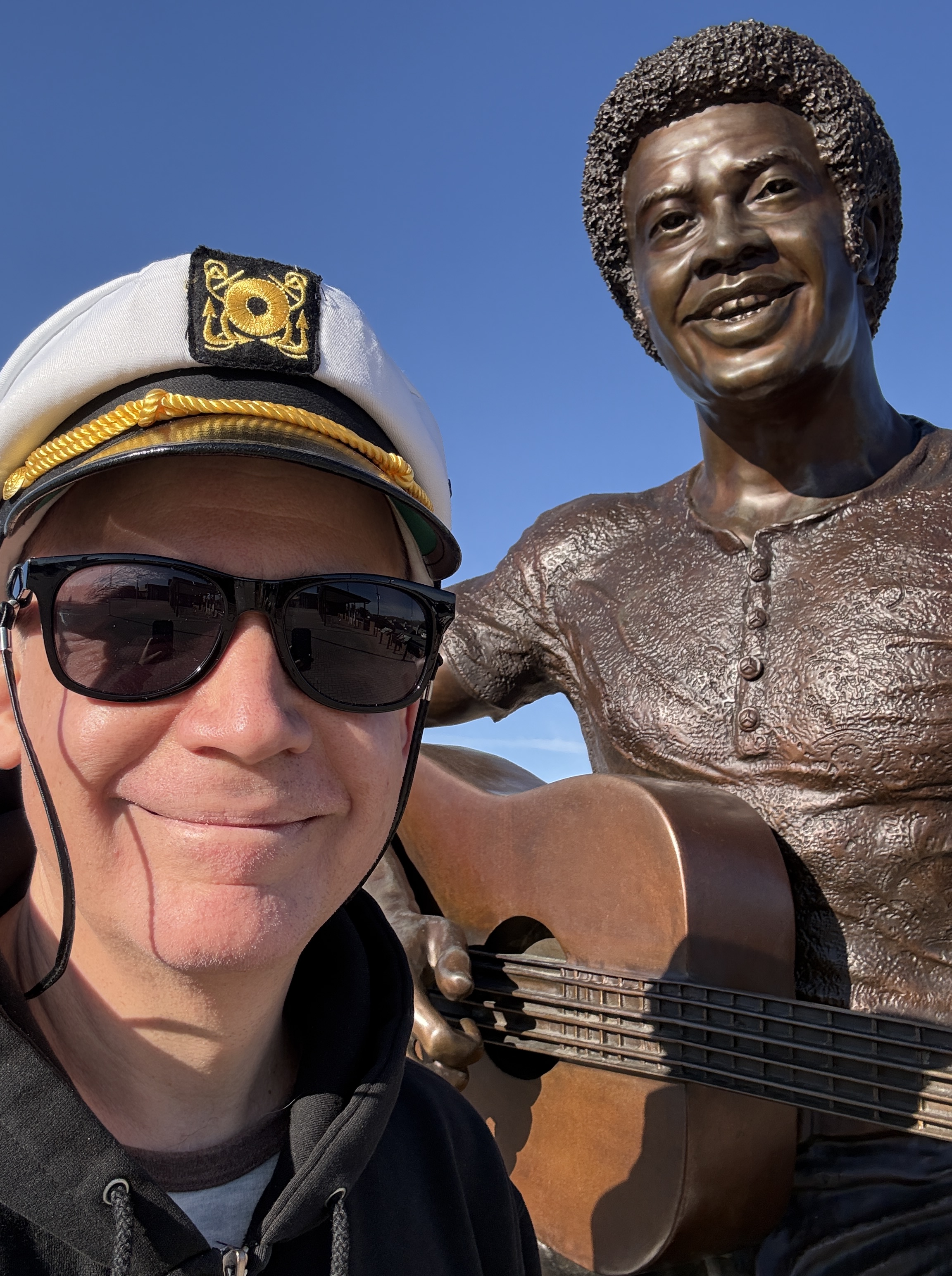
My work here is done. On to the next town, the next yard sale, the next thrift store. Always searching, the journey will never end. Someone must do the vintage archaeology and I suppose…it is I. This is Gary Wells reporting from a lonely street…
 SoulRide