I’ve always been fascinated by what came later. If you study celebrity, you might find that there have been many artists through history who have flamed brightly, making an indelible and lasting mark in a very short period of time. Additional insight is gained from discussing the artist’s work after their time in the spotlight has ended. It can be interesting to look into whether or not that person had what it took to do it again or to keep doing it. And if they were possessed of that intangible talent and ability, what did their later contributions look like? Were they received by the masses or just longtime fans? And what do scholarly criticisms of their later work look like?
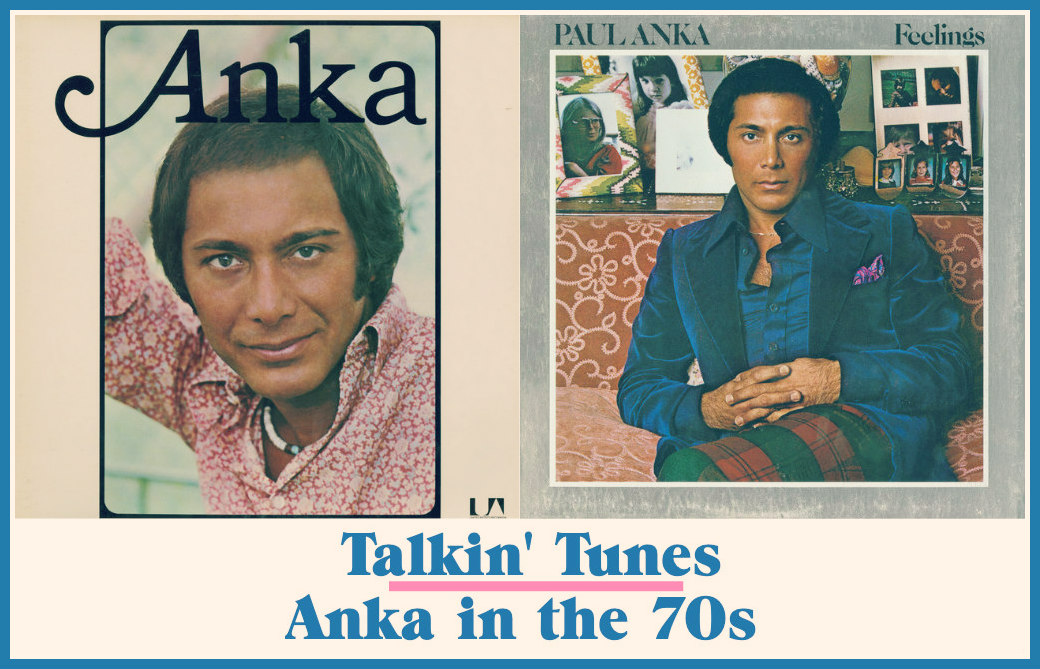
A fine case in point is Canada’s Own Paul Anka. Born of Lebanese Christians from Syria, Anka was born and raised in the nation’s capital of Ottawa, Ontario and started singing in church, natch. In 1957, when he was still 15 years old, Paul released a song he had written about a girl at his church and “Diana” topped charts in his native Canada and Stateside. It was a massive hit and remains one of the biggest selling singles ever by a Canadian. More than this though it is a staple of oldies radio and indicative of an entire era. Anka gained bona fide teen idol status and scored 6 more Top Ten hits into 1960 when he turned all of 19.
And then the Beatles. Anka is a good example of a singer popular before the British Invasion for whom the hits dried up during the reign of the lads from Merseyside. Consider this; during the period 1964 to 1968, Paul placed only one song on the charts and that one – “My Baby’s Comin’ Home” (1964) – stalled at #113. Paul Anka, though, became one of the few artists from the golden era to turn it around and to turn it around while still young. Much of Paul’s ability to do this is down to the fact that he wrote his own songs. It cannot be overstated how unique and how important are Anka’s abilities as a songwriter, a topic worthy of its own discussion.
Frustrated by his lack of chart success over the preceding decade, 34-year-old Paul Anka switched record labels again and landed at United Artists. He then proceeded to release back-to-back albums filled with original compositions, a handful of which scaled the heights of the charts in the US and Canada. These successes provided Paul with a renaissance and made him one of the youngest artists ever to enjoy the “victory lap”.
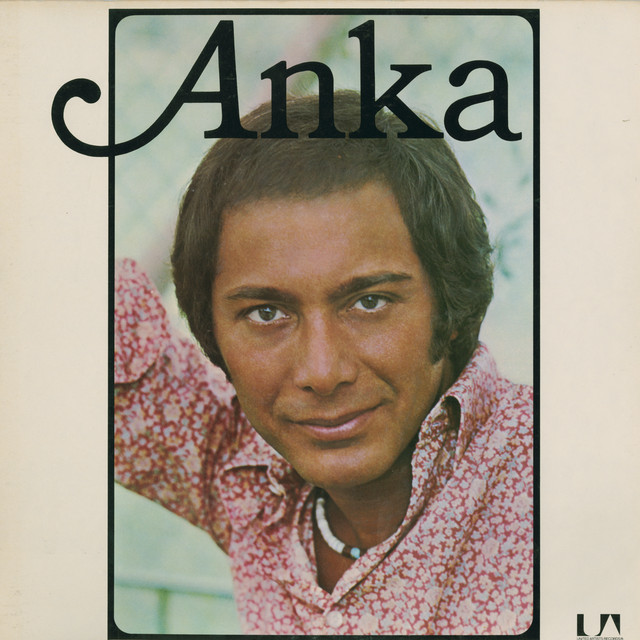
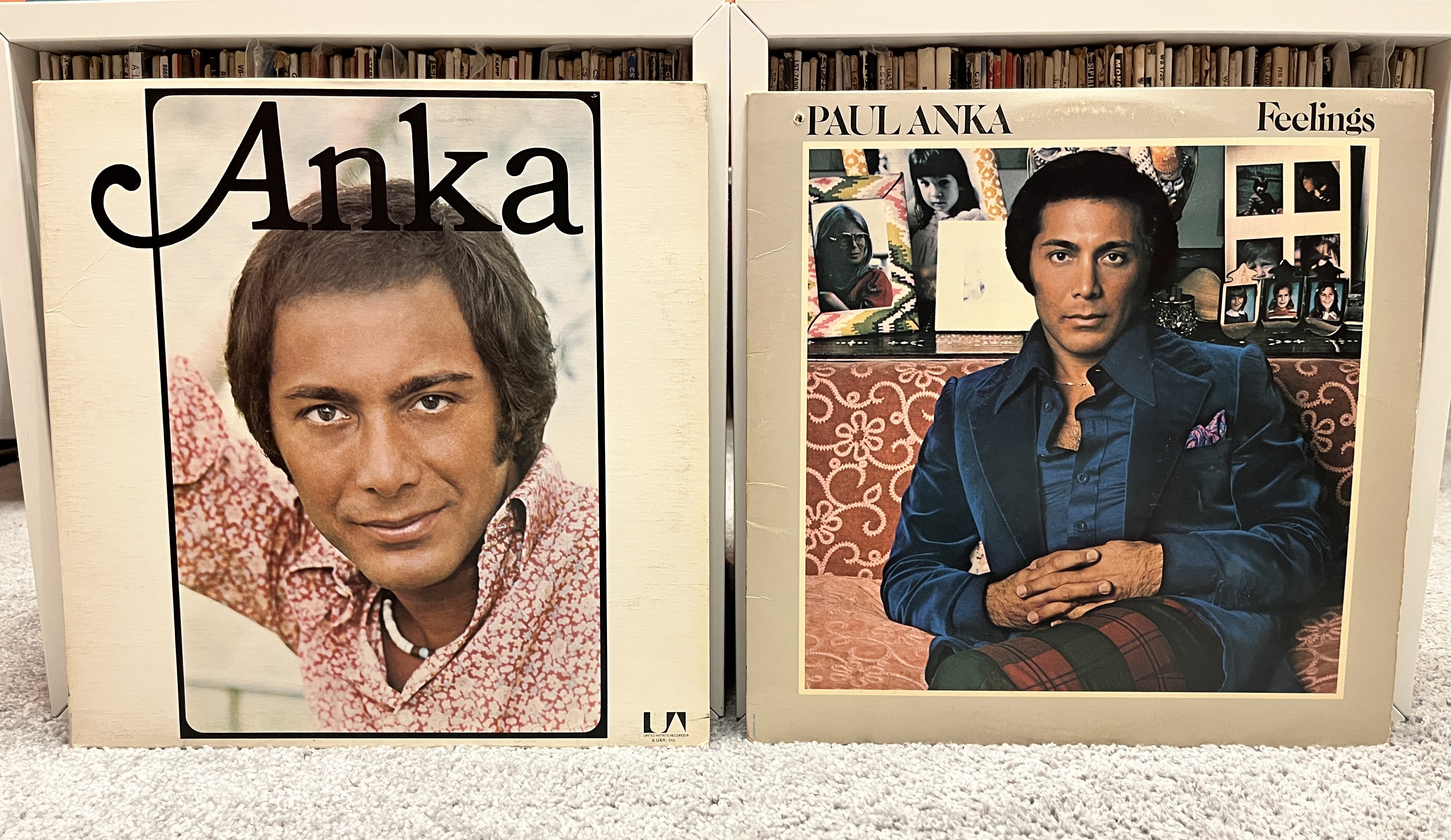
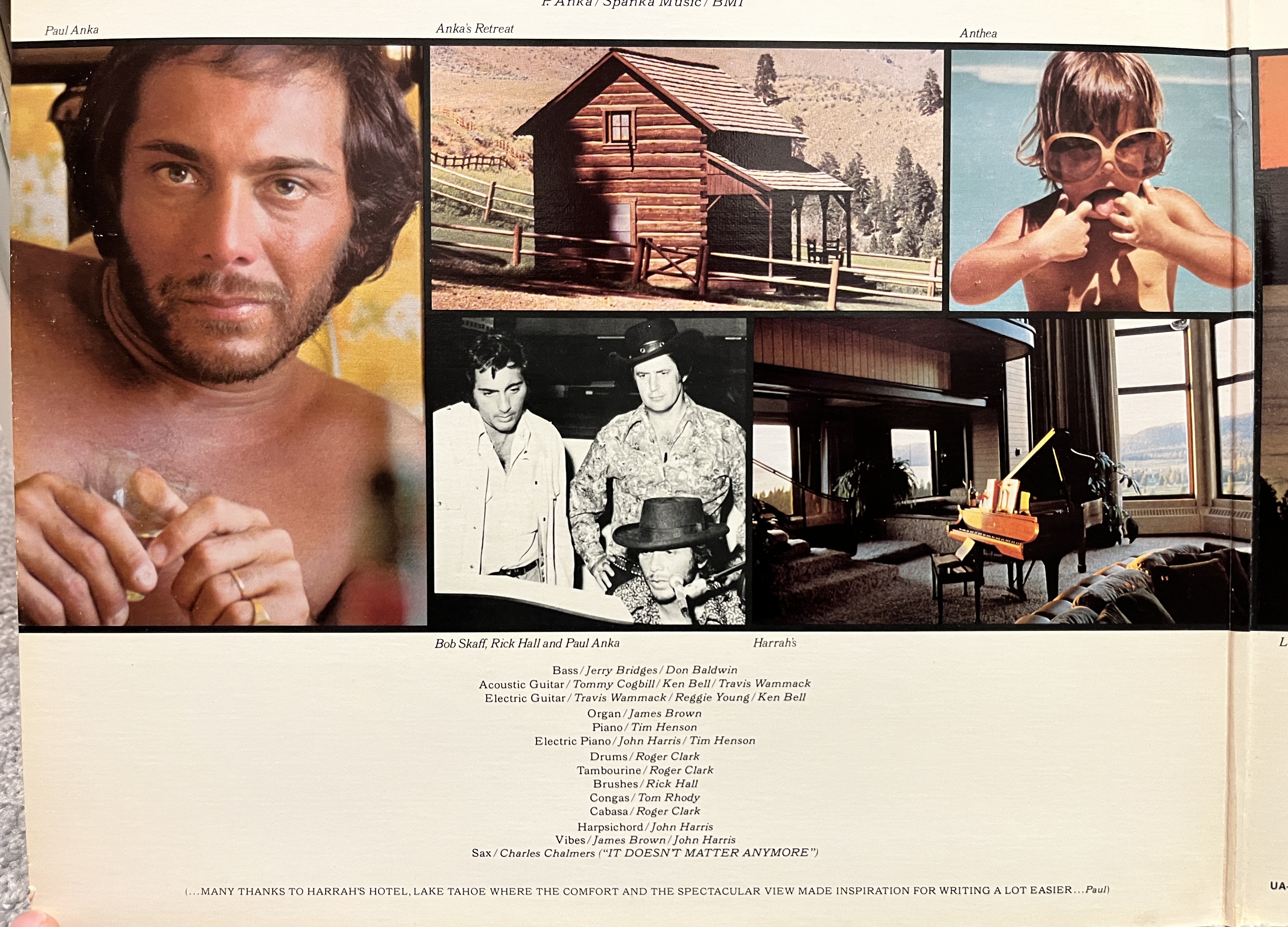
By the early 70s, Anka was a fixture in showrooms throughout Nevada and – as a guaranteed filler of seats and a good earner – he received an invitation from Bill Harrah. Harrah’s Lake Tahoe had opened a brand new structure in November of ’73 and in 1974 Harrah offered Paul a place in which to create. Anka accepted and then was able to write the bulk of his next album in a beautiful space looking out on Lake Tahoe. The record, Paul’s 12th and first for United Artists, would be called simply Anka.
To record this album, Paul traveled over 2100 miles from a freshwater lake in the Sierra Nevada mountain range to Colbert County and the left bank of the Tennessee River to a town called Muscle Shoals. It was here that Rick Hall founded FAME Studios, a legendary recording studio that stands as one of a handful of truly iconic and historic studios in the United States. By the time Anka showed up in ’74, scores of soul and rhythm and blues hits had been recorded by Hall at FAME and the studio and it’s house bands had a reputation for coaxing legendary performances out of the artists that showed up there. Among those session men that were used on Anka are Tommy Cogbill and Reggie Young. Cogbill plays acoustic guitar on this record but made his name as a bassist. He played on seminal Memphis and Nashville recordings including Presley’s career-altering sessions at American Sound. Reggie Young’s rep exceeds even Cogbill’s. Young played on everything from “The Letter” to Herbie Mann’s Memphis Underground, from “Sweet Caroline” to “Son of a Preacher Man”, Willie’s hit version of “Always On My Mind”, B.J.’s “Hooked on a Feeling” (he played the electric sitar) and “Down in the Boondocks”. And – with Cogbill alongside – Young played on every major Presley hit of ’69. These are two heavyweight session men.
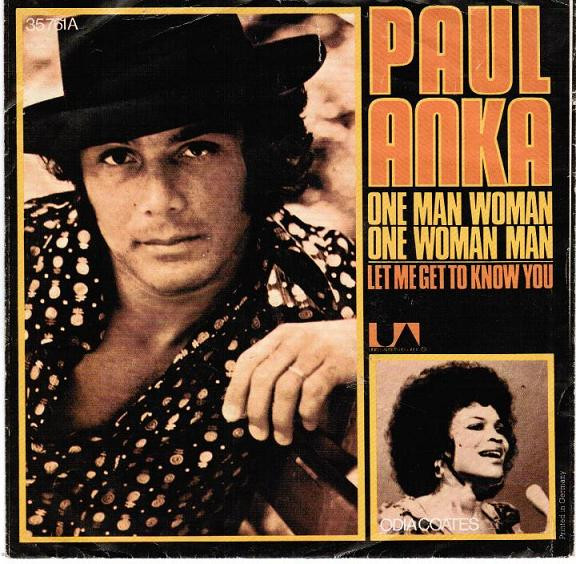
The opener, “Bring the Wine”, is deadly serious and sets the table well for these two records. And the song not only sets the aural tone but also the lyrical; “bring the wine, my lady. Bring the wine my love. It’s the time for loving…and I’m on you, girl, like the evening sun sets up on a hill…” Just a finely crafted song and a harbinger of what’s to come. “One Man Woman/One Woman Man” brings us to the first hit on the record though it was the second hit single released. This song written by Anka was a staple on Canadian oldies radio though it may present one of the “problems” with Paul’s hits from this time. There is an element of dated machismo to some of these lyrics and the tone of some of these songs and this dates them and relegates them somewhat to the hairy-chested, gold chain-adorned Seventies. In this tune, the man, of course, has to spread his love all over the world while the woman is “left” to put up with his philandering as she “would rather forgive than forget you”. But we’ll set aside this commentary for now. “One Man Woman” was an international hit, peaking at #7 on the US Pop charts though the song was re-recorded for the single release. The tune is a duet with Anka discovery Odia Coates.
Coates was a singer out of Vicksburg, Virginia who had been picked out by Paul when she was singing gospel with the choir of Edwin Hawkins. After scoring a handful of hits with Anka, she struck out on her own, releasing a record on United Artists produced by Rick Hall but nothing came of it. Interesting that one of her singles was a cover of ELO’s “Showdown”. Sadly, Coates died of breast cancer in 1991 when she was only 49.
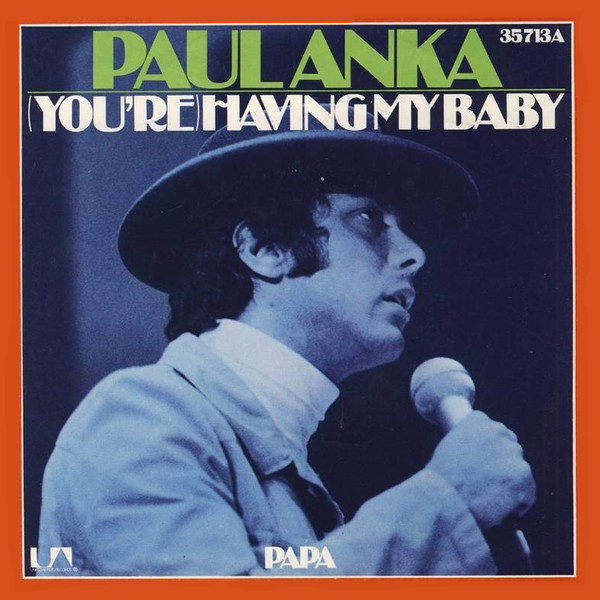
Odia was back at the mic duetting with Paul on “(You’re) Having My Baby”, the first single released from the album. This is one of the songs Paul wrote looking out at that view in Tahoe and he had his wife, Anne de Zogheb, in mind. Anne and Paul share a heritage and she was the daughter of a Lebanese diplomat. Together they had five daughters and were married from 1963 until 2001. The song has stirred up much controversy and much derision. I wonder if maybe part of the “problem” with the song is in the lack of nuance. There is something about the title – that expression – that is too blunt and completely lacking in subtlety. Sadly, it comes off as foolish or even silly today rendering it irrelevant as a listening experience 50 years later but more as an artifact from another time.
And women of the 70s had a point. The claim was that it was sexist and chauvinistic. You are having MY baby. That’s a problem. Is it not “our” baby? “What a lovely way of saying you’re thinking of me” Actually, that’s a very heavy way of saying you are thinking of someone; I can think of many less substantial ways a woman could tell her man she is thinking about him. “I see it growin’…the seed inside you” Too blatant, that lyric. Why not fit in a line about forceps or the placenta? “Didn’t have to keep it….you could have swept it from your life but you wouldn’t do it” Abortion? Touchy subject for a pop song. So, that’s the critical viewpoint and the public’s perception. Perception is one thing but intention is something else altogether.
Paul was thinking about the times his wife had blessed him with a child. And, OK, its their baby together – “our” baby – but maybe Paul is saying he is glad it’s his as opposed to the milkman’s; “you’re having a baby and it’s mine, I’m the father”. Anka has said that “having MY baby” just made more sense lyrically and sounded better to him. Though Ms. magazine harshly awarded Paul their “Male Chauvinist Pig of the Year Award”, Anka countered by saying in an interview “it’s not a male ego trip” and that I think is easy to believe. It’s just a little raw and bare though its really a simple, uncomplicated lyric. I sometimes think of it as maybe a little ditty that Paul would’ve sang around the house to his wife to lighten the mood. Maybe she’s 8 months along and having a bad day. Paul tries to cheer her up and makes up a little song; “you’re having my baby. What a lovely way to say you love me” Including it on the record may have been taking a chance. And yet…sucker went to Number One. The public ate this tune up in the second half of 1974 and it was a major hit for Paul, his first to top the charts in 15 years. But, after all, “Disco Duck” was a Number One song, too and Paul’s tune may join that track as the very definition of “ephemeral” as it dropped from the public’s consciousness and favour as quickly as it had scaled the heights. But strictly from a business standpoint, “(You’re) Having My Baby” was a huge hit, a Number One song that elevated this album’s status and returned Paul Anka to the top.
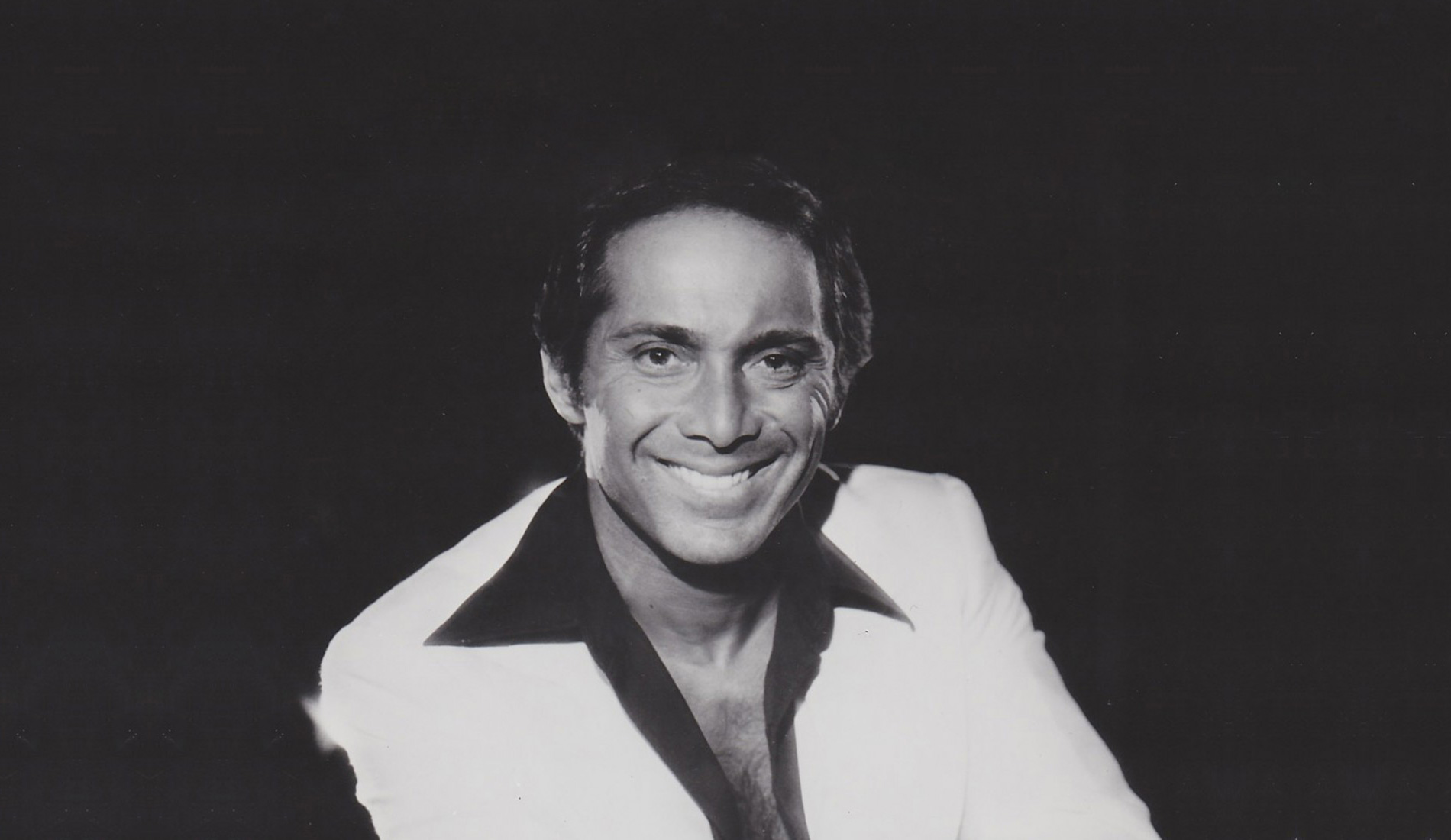
The rest of the album is in a similar vein as these are all ballads. “Let Me Get to Know You” has almost a reggae or ska beat to it and “Love is a Lonely Song” features a spoken word intro. Interesting that a prolific songwriter like Paul Anka included here a song written by another songwriter, Dave Loggins. Kenny’s second cousin wrote and recorded “Augusta”, a lovely song you will hear every year during The Masters telecast and for this record Paul borrowed Dave’s “I Gave a Little and Lost a Lot”. Loggins died in July of 2024.
Sometimes I get frustrated when every, single, last, blessed song is about love or romance. That’s the case with Anka, for sure, except for “Papa”. Paul scores even more points for this heartfelt remembrance of family life back in Ottawa. Anka recalls his father working every day and tucking him in every night. He devotes a verse to the death of his mother when Paul was 18 and it is quite moving. Anka does well recalling his own upbringing in light of his own status as a father; “every time I kiss my children, Papa’s words ring true. Your children live through you. They’ll grow and leave you, too”. Nice acoustic guitar and organ statements.
Often I will be suffering through an album I am not enjoying and I will ask myself out loud why I’m not just cutting my losses and turning it off. Often I will have to remind myself – again, sometimes out loud – that I keep listening because maybe the last song will blow my mind. And that is the case with Anka. Though in this instance I really like the album, the last track is the stand out. Paul wrote “It Really Doesn’t Matter Anymore” in 1959 for Buddy Holly and Buddy released it just before he died. Afterwards, Paul vowed to give all his songwriter royalties to Hollys’ widow. Anyways, Anka ends this record with his own amazing version featuring a sparkling arrangement. I listened to this album for the first time in advance of this article and I had one of those moments when I heard this song. Just that growing lightness in your chest when you realize the song you’re hearing for the first time is something delightful. I saw Paul at Fallsview Casino in late 2023 and he did this song while sitting on a stool playing the acoustic guitar. It was fantastic and so is the version on this album.
Paul Anka worked on the two albums we are talking about today not only with Rick Hall and Odia Coates but also with arranger John Harris. John’s an interesting guy I had never heard of before. Born in Edinburgh in 1932, Harris got his start in England and served as conductor/arranger and producer on albums by Nancy Sinatra (Nancy in London), Petula Clark, Tom Jones, Engelbert Humperdinck and Shirley Bassey. Paul Anka coerced John to move to America where he lead Paul’s band in the showrooms of Las Vegas. There, apparently, Elvis Presley approached Harris asking if he would lead his band, as well. For some reason, Johnny turned him down. Then Red and Sonny beat him up. Just kidding. Harris worked with Anka until ’77 when he took over the role of musical director for Lynda Carter; for her TV specials and recordings. Harris’ biography is titled Johnny Harris – The Man Who Turned Down Elvis Twice, whatever that’s all about. Interesting to note that this book written by his daughter tries to “cash in” on Johnny’s slight Elvis connection while in Elvis World the connection is so slight you never hear Harris mentioned at all. John Harris lived to be 87 and died in 2020. Harris also is credited as co-writer on three of the tracks from these two Anka records.
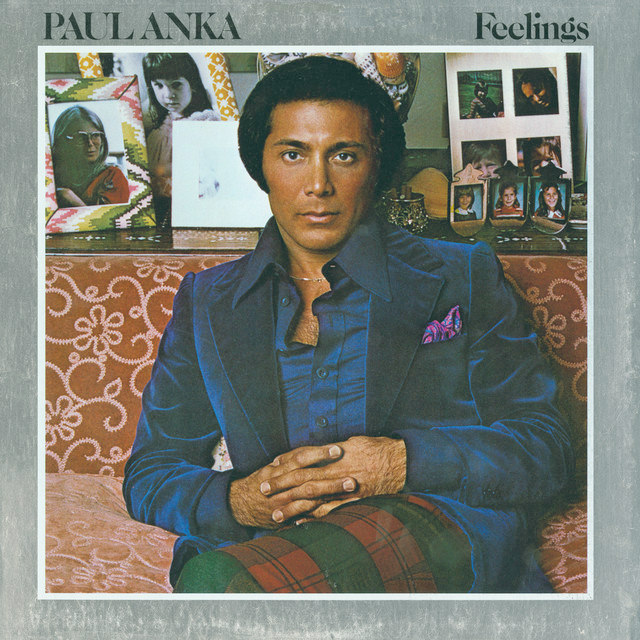
As we’ve seen, Anka returned Anka to the top and he was now almost as hot a property as he was in 1959. The album had reached Number Nine in the US and landed in the fourth spot in Canada and it remains his highest-charting album of original material. As ’74 gave way to ’75, Paul & Co. headed back down south to Rick Hall’s place in Alabama but FAME wasn’t the only studio used to cut tracks. “The Swampers” was the nickname given to the house band at FAME Studios and the Muscle Shoals Rhythm Section as they were officially called were just as prolific and highly-regarded as the Wrecking Crew or the Funk Brothers were. Four of these players left Rick Hall and struck out on their own to found Muscle Shoals Sound Studio at 3614 Jackson Highway in Sheffield, Alabama. Scores of artists recorded there including Cher and its the only record of hers – she called it 3614 Jackson Highway – I really want to own. The Rolling Stones and Traffic traveled across an ocean to record and feed off the funky vibes. In fact, Traffic cribbed the owners of the studio to play with them on tour. These were drummer Roger Hawkins, bassist David Hood, keyboardist Barry Beckett and guitarist Jimmy Johnson.

These four also played on Paul Anka’s 1975 album Feelings that he recorded in part at Muscle Shoals. While some additional recording was later done in Los Angeles and Las Vegas, it is intriguing to note that Anka at this time recorded at both FAME and Muscle Shoals, joining the parade of performers to do so. And Feelings gets off to a great start with Paul’s version of “Anytime (I’ll Be There)” a song he had given to Frank Sinatra who released it as a single in ’75. This song is near and dear to me and I even count it among my all-time favourite Frank Sinatra songs and indeed one of my favourites by any artist. Read my thoughts on this track here. Paul’s single release peaked at #50 US, #33 Canada, Frank’s at #75 in the US.
Next up is another hit single, “I Don’t Like to Sleep Alone”, a tune that features some substantial piano. Another song that features Odia but in a somewhat lesser role, it contains another lyric that just seems a little too blunt for me; “my mouth on yours and yours on mine”. But then Paul pays homage to another legendary songwriter with the line “like the man said in his song help me make it through the night”. Tune was Number One in Canada, Top Ten Stateside. “Out of My Mind in Love” is groovy with a sound akin to the dance music popular at the time; it’s that bass line and the strings. Then comes a real highlight of the record. As I’ve alluded to before, it can be a nice change to hear a song that maybe is about something other than love. “It’s Sad to See the Old Hometown Again” does actually reference a woman, an ex-girlfriend the singer left behind but I hear something different here. Maybe the song is about Ottawa and family life, as well. “Yesterday I ran away. I said that I’ll be coming back again. Kept in touch but not that much…” Big orchestral arrangement from John Harris and a weary, regretful vocal from Paul who sings about the “price I guess you pay for being away” and how he’s been forgotten; “I believe it’s out of sight and out of mind”. Good song but a sad one.
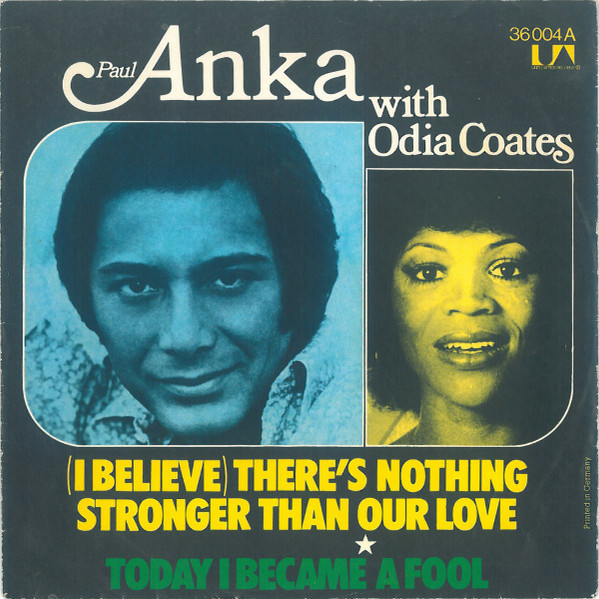
Another Number One song in the Great White North was “(I Believe) There’s Nothing Stronger Than Our Love” with Odia Coates. It’s got a good mid-tempo beat and a swaggering stride to it. In fact, it may be the most listenable of all the hits from these two records. There’s a bit a soul hiding in Paul’s vocal here and of course Odia punches that up with her interpolations. Great string arrangement this time by veteran Jimmie Haskell who had worked with everybody on records or on film – he even played accordion on the G.I. Blues soundtrack. This tune – which also has an odd bracketed title like “(You’re) Having My Baby” – went to Number 15 US Pop.
The second side of Feelings is where this article originated. I owned this record first before Anka and bought it as kind of a flyer. I knew the songs on Side One but something about Side Two really struck me. It’s down to substance. There is a real quality to these songs and they bring to mind a salient point. It is so often about material. A singer needs songs and I often think of other vocalists from this time who were sometimes hard pressed to find good tunes that hadn’t been recorded many times before. But Paul Anka? He just sat down a wrote a wack of them. This is significant and places Paul Anka a couple of notches above. Maybe not in the pipes department but in terms of filling a record with compelling and fresh songs and singular statements. Paul’s own “voice” fills these two albums. Love these songs or feel indifferent to them, Paul deserves credit for always crafting his own musical destiny.
“Wake Up” may be the finest of all the songs on these two records. Very dramatic chord changes and a clever rhyming sequence. And that sound we hear has got to be a sitar (electric?) but there is no credit on the sleeve for the presence of that instrument. No matter; great song. “Walk Away” is gentle and classy with nice marimba (I think) and the only song on the LP that Paul wrote with others. The curtain closes with “Water Runs Deep”. This one starts brightly with some acoustic strumming and what sounds like a flute. Again, Anka’s composition is paired with a robust arrangement – actually credited to both Harris and Haskell – and the result is an impressive tune.
After Anka and Feelings, Paul Anka would score only two more Top 40 singles and he would only once more release a really substantial album (1976’s The Painter) and he’d never score another significant hit. The album directly following these two was Times of Your Life that featured the title track, a song that began life as a Kodak jingle, if you can believe it. The single was released between “There’s Nothing Stronger Than Our Love” and “Anytime” and was a Top Ten US hit. United Artists then issued a sloppy album of the same name that featured that title track and random songs from Anka and Feelings.
But Paul has never really been irrelevant. He has always been ubiquitous on oldies and easy listening radio particularly in this country and he has toured internationally and consistently for decades, his shows being not simply a rehash of the oldies but engineered to properly display Paul’s exemplary career and his stunning body of work. He is engaging with a story on stage or in an interview and has turned his sparkling personality to film and TV roles. Always ready to poke fun at himself and his teen idol and Vegas cat images, he played basically himself on TV’s Las Vegas and was particularly good in the feature film 3000 Miles to Graceland, both roles yielding comical results. And the guy is just a dude. He has done everything with everybody and is ready to tell you about it.
One final word about Paul Anka the songwriter and the proliferation of love songs on these two great records. What do you think of this? Is it maybe easier to write a love song than a song about anything else? Not to strike a negative chord but take “Girl You Turn Me On” from Feelings. “Girl you turn me on and I hope I do the same for you” That is some basic stuff right there. I wrote poetry in high school and I remember it coming easily especially when you were just talking about your feelings for someone else. I wonder if it is not much harder to come up with other subject matter. What else is there to write about? Not much maybe but then Bernie Taupin crafted an enigmatic lyric for Elton John with “Levon” and Harry Chapin told an expansive tale in “Taxi”, just to name two. And then there’s the short stories composed by the likes of Dylan, Springsteen and Tom Waits. Do we respect songs like that more than songs about how we tried to make it but we couldn’t and love is hard? And lyrics are one thing but keep in mind that Paul has been able to for decades write the music for over 900 songs, 130 of them for other artists. For this he deserves major props. Anyways, discuss this among yourselves.
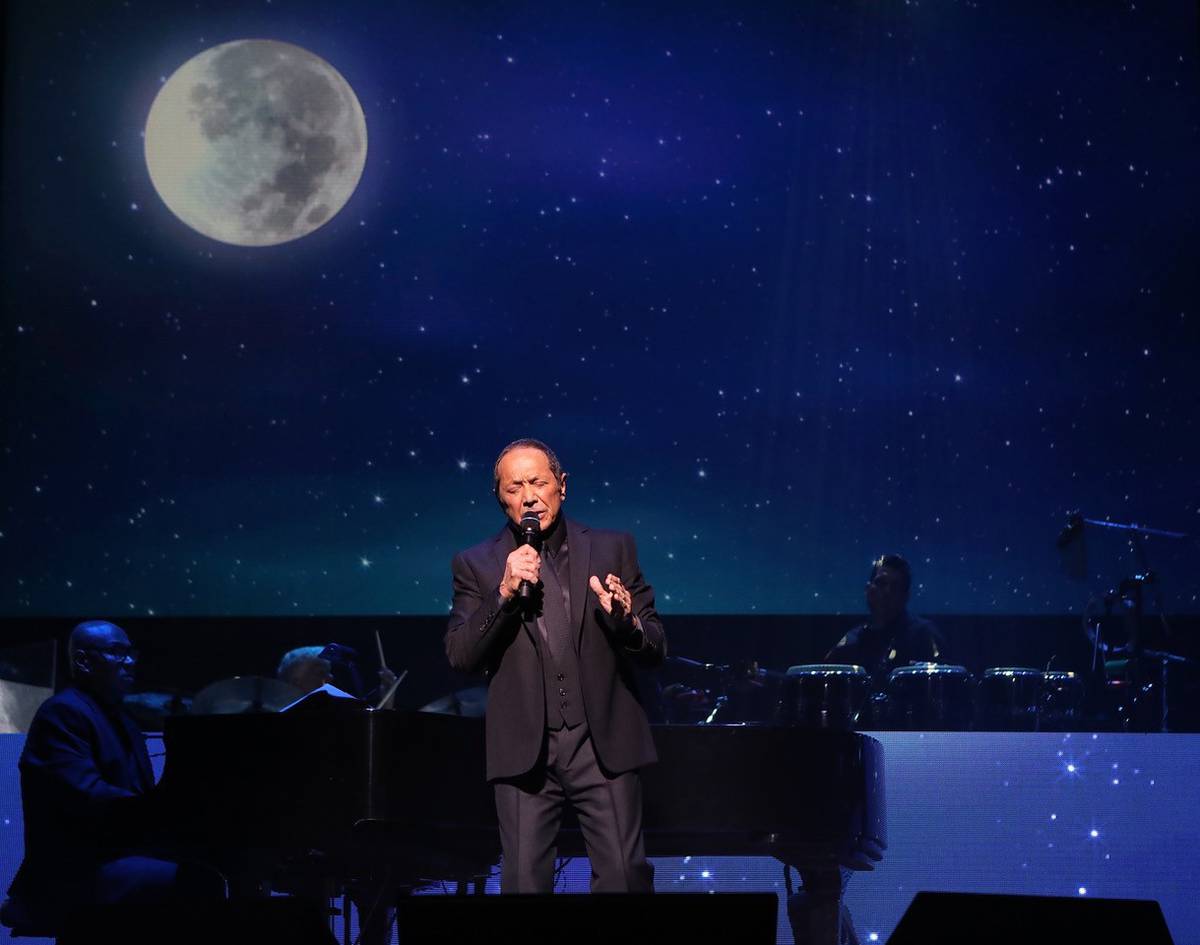
Years after “Diana” and before revisiting his catalogue on his late career albums with a plethora of duet partners, Paul Anka was a recording artist of the highest calibre and in the middle of the Seventies he released these two great albums. These records are always listed under the genres of “Pop” or simply “Vocal” but that doesn’t seem to do them justice. There is more going on here. With Wayne Newton, Paul Anka is one of the last remaining links to the Camelot era of Las Vegas entertainment and he wears that well, with fun and self-awareness. Possessed of an innate ability to create for himself and others no end of interesting music, he is really one of the few heavyweights left standing.
 SoulRide