
Tom Jones has forged a career that has lasted for over 60 years. For all that time he has been a superstar, a vocalist of substance and style as well as immense popularity. He has always had a sense of humour about himself and the grounded nature of a man of the people. I initially came to him at a time when he was experiencing something of a renaissance. It was the dawn of the 1990s and he had just had an unlikely hit singing Prince’s “Kiss” backed by avant garde electronic group Art of Noise and then my buddy, Jacobi, played me a cassette of Tom belting out “If I Only Knew” from Tom’s new electronic funk, rock & soul record with outrageous cover art. I put a pin in that as, for the next several years, I traversed the world of oldies and classic rock. Then in the late Nineties when I fully embraced This Vintage Life, I knew that I would have to explore in more depth the multi-faceted world of this formidable personality. Here is what I think you need to know about Tom Jones.
Thomas John Woodward was born in 1940 in Pontypridd (the “dd” is pronounced “th”), Wales and he came from tough coal miner stock, his father having spent years earning his living in the bowels of the earth. After a bout with tuberculosis that left him in bed for two years when he was 12, Tom began his singing career in the pubs around Wales. Like so many other lads in the UK at this time, Tom’s passion was American rhythm and blues and rock & roll. His loves were Little Richard, Jerry Lee Lewis and Elvis Presley and other soul and R&B performers and when Tom began his singing career this is the material he favoured. He notes in his memoir, Over the Top and Back, that his whole intention as a vocalist was to be a white Wilson Pickett. From early on, Jones had the vocal power to pull it off.
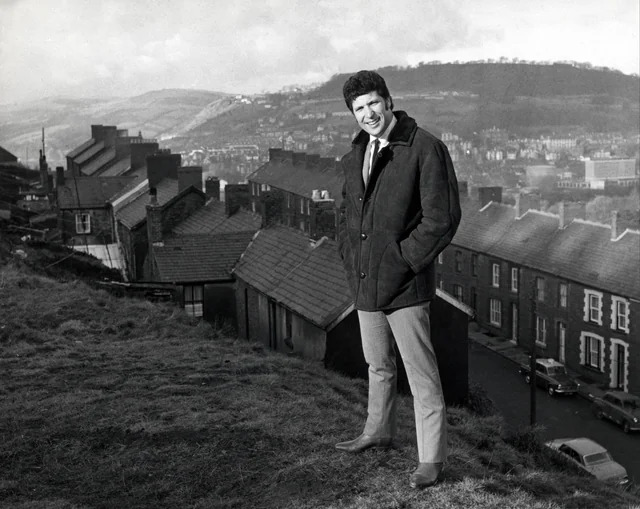
Tom became the front man for Tommy Scott and the Senators, a beat group who soon gained a strong local following in the clubs in Wales. Minor musician and songwriter Gordon Mills happened to hear the group one night and then and there decided to move into management, taking over direction of Tom’s career and moving their base of operations to London from Wales. First order of business? Rechristen his new client Tom Jones, borrowing the name from the popular 1963 film of that name starring Albert Finney. Second was to make use of the contract Tom had already signed with Decca Records. Tom’s first release came in 1964 with the single “Chills and Fever”, a disc that was heard by few and bought by less. Mills had been noodling with a tune, though, that was not much more than a couple of chords and a few words but it was about to become a game-changer.
Tom was in the room when Gordon Mills and his colleague, Les Reed, constructed “It’s Not Unusual” from just a few scraps into a full-fledged song. As the tune took shape, Tom says he began to get excited thinking the tune could be a breakthrough hit for him. The purpose though was for Tom to record the demo and for the songwriters to present the song to English singer Sandie Shaw and though Tom begins to persist it is pointed out that the tune is clearly a pop song and not the type of ballsy material Jones has so far made his name singing. Tom becomes enraged – “If I don’t get this song, I’m f*ucking off back to Wales and I’m not coming back” – but its no dice. Gordon and Les take the song to Sandie’s manager – and she turns them down.

So, the team decides to let Tom record the song and “It’s Not Unusual” was released in early January, 1965 and it was an unmitigated smash, reaching the top of the charts in the UK and the Top Ten Stateside. Tom Jones had arrived. What I have always found so interesting about Tom and many other artists like him is the whole concept of “paying the bills”. All of Jones’ musical life to this point was American R&B and rock & roll but when he heard “It’s Not Unusual” he knew he could make it work and he was right. In his memoir, Tom says that he believed the song could open the door for him and, once he was in the room, he would “throw off my disguise to reveal myself as a rocking blues singer. As far as I’m concerned, I’m the white Wilson Pickett, if only people realized it”. But once paydirt had been hit, his management team began to steer him in the direction of middle-of-the-road pop, as his next few singles would show. A look at the track listings of Tom’s early albums, though, will show that, along with the pop stuff and the ballads, there was a lot of rhythm and blues, songs like “Memphis, Tennessee”, “Spanish Harlem”, Wilson Pickett’s “If You Need Me”, Little Richard covers, etc. The Tom Jones Fever Zone album of 1968 had one side of nothing but soul and R&B. But of course if you continued to have hits with pop sounds, that would inevitably become your identity, your bread and butter.
Gordon Mills, Decca in the UK and Parrot in the US flooded the market with Tom Jones material, releasing fully seven singles in 1965, including Top 40 hits on both sides of the Atlantic. Jones got word that Burt Bacharach wanted him to sing the theme song for a film score Burt was providing Woody Allen. Tom tells the tale of being quite overawed going to meet Bacharach and his wife, Angie Dickinson, to have the song played for him. When Burt played “What’s New Pussycat?” for Tom, he seriously thought Burt was pulling his leg thinking there was no way Burt wanted him to song such a ridiculous song. After some embarrassment, Bacharach insisted that it could work. Once the song was fully constructed and arranged, Tom says that he “got it” – but I’ve always thought that he was being magnanimous – and while it was definitely quirky he decided to record it. The atrocious song, bereft of any merit, rose to Number 3 in the US, if you can believe it, and Tom had another hit – one he would be stuck singing for eternity.
Tom’s next notable release came at the dawn of the new year and this was another movie theme. Jones was honoured with the opportunity to join the ranks of those chosen to sing the title track to a James Bond movie and Tom’s “Thunderball” was a hit in both the US and the UK. Tom has said that the effort he put in to the grand final note almost made him pass out; “when I opened my eyes, the room was spinning”. Following the Bond theme, 1966 saw another glut of Tom Jones singles, bringing the total to 15 in two years, and the final one of 1966 was a huge hit. When Tom appeared on The Ed Sullivan Show in 1965, he visited a record store and asked for the latest Jerry Lee Lewis record. He was handed Country Songs for City Folks with the lead-off tune Curly Putnam’s “Green, Green Grass of Home”. Tom loved it and his version was the Number One song in the UK for seven weeks as 1966 turned to ’67. It was his first true worldwide smash, topping the charts in countries all over Europe (#11 US Pop).
In 1967, Tom Jones settled briefly into the country music vein that Dean Martin, Al Martino and others were having such success with. Carrying on from “Green, Green, Grass of Home”, TJ released his version of Bobby Bare’s “Detroit City” (“By day, I make the cars and by night I make the bars”) and it gave him another Top Ten across the continent. A minor North American hit came next with Tom’s killer version of “Sixteen Tons” and he followed this with one of his most charming recordings, “Funny, Familiar, Forgotten Feelings”, that had the trades praising Tom’s injection of the blues into the gentle country song.
The blue-eyed soul shouter bluesman rocker was becoming very adept at finessing the big ballad, the placid country song and the full-throated pop tune as ’67 turned into ’68. “I’ll Never Fall in Love Again” became one of Jones’ best vocal performances and along the same lines was “I’m Coming Home” both reaching Number 2 UK. In terms of worldwide chart success, the greatest hit of Tom Jones’ career may be the excellent “Delilah”, released at the end of 1967. It went to Number One in five countries, Number Two in the UK and Norway, Number Three in Austria and Number 5 in Canada. Always a highlight of Tom’s live shows, millions of fans over the years have delightedly sang along during the chorus – “My, my, my, Delilah. Why, why, why, Delilah?” – and the lyrics tell a clever tale that ends in violence; “I felt the knife in my hand and she laughed no more”. This was followed by the popping, horn-inflected “Help Yourself”, a buoyant tune that was also Top Ten around the world. Tom wrapped the Sixties with more of the same. The bouncy “Love Me Tonight” and the lung-busting ballad “Without Love (There is Nothing)” were both big hits in the UK and also Stateside. Tom’s hit songs from “Green, Green Grass of Home” up until this point are quintessential Tom Jones songs and display what he did so well at the height of his powers.
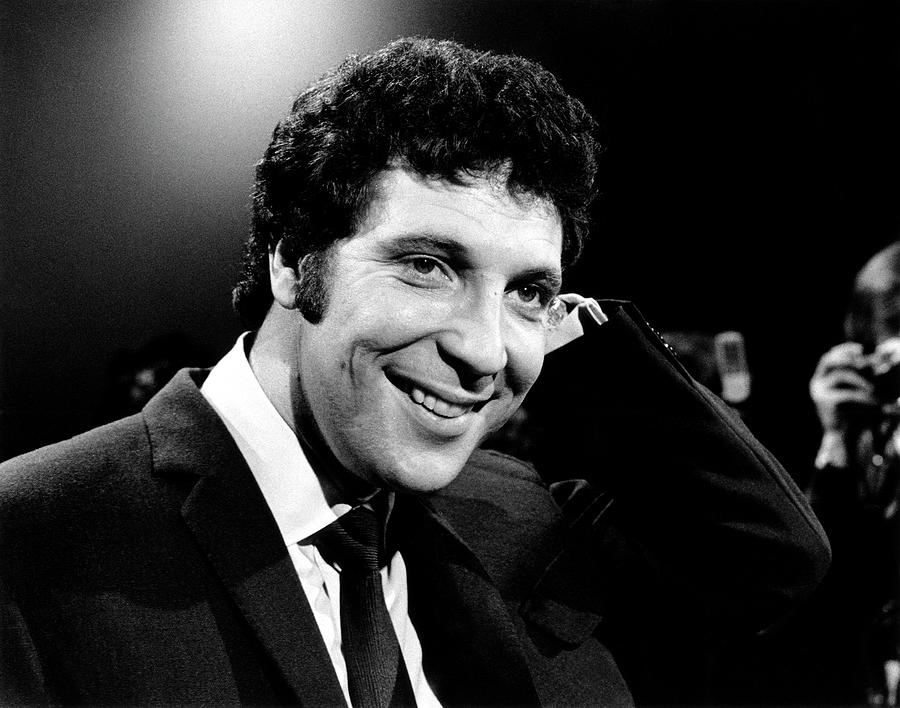
Tom Jones first performed in Las Vegas at the Flamingo in 1968. This was a pivotal time for the entertainment scene in the desert as the original, old guard headliners like Frank, Dean and Sammy were being joined by younger acts and many who were becoming big names were just starting to consider setting up shop at one of the hotels. Much like Branson, Missouri years later, part of the appeal of a residency in a Las Vegas hotel is it provides a break from the rigours of touring. Most entertainers at one point or another have been quoted as saying that tours can be a grind that take you away from home and family for long periods of time. Instead, spending two or three weeks doing a couple shows a night in the showroom provides a measure of stability.
Sadly, somewhere along the way there emerged a stereotypical image of the singers that performed in Las Vegas. Somehow someone decided that it “meant something” if you were “reduced” to performing in a hotel showroom in America’s Playground. I’ve never understood this. Sure, there is such a thing as a “Vegas act” – showgirls, dancers, etc. – and, I suppose, when compared to the singer-songwriters of the early 1970s or the punk rockers of later in the decade, Las Vegas entertainment did have a certain commodified look to it. And it may certainly have sometimes been more about the “show” than the “performance”.
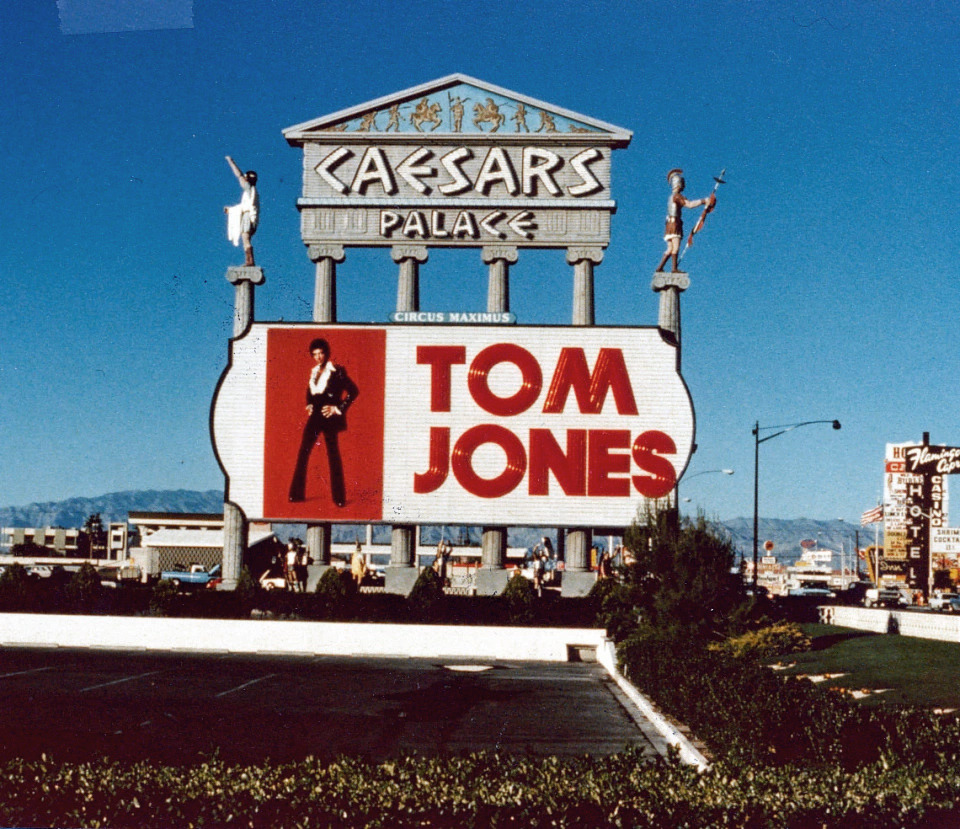
Tom Jones and Wayne Newton are two of the obvious performers to be mentioned when discussing long-time appearances on the stages of Vegas. There’s much to be discussed about the crowds these two men have often encountered – just there for gambling and a show and not even necessarily fans of theirs – and what it takes to succeed in this arena for decades but that may be a topic for another day. Tom has talked often sharing obvious truths about Las Vegas residencies. When he began there, there was a boom starting in the proliferation of hotels and there was a need for entertainers. He says that the sense at the time was that performing in Las Vegas was something you earned or had to qualify for. And it seemed a no-brainer. Hotels would lavish all manner of luxuries on a singer who was basically treated like royalty and given all they wanted. Not only well-appointed dressing rooms but fine homes for the singer and their families to live in during the stay. Never wanting for anything; a tough thing to turn up your nose at. The level of idolatry afforded a performer would have made many of their heads swim, for sure. What a life. Why would you not want to sing there always?
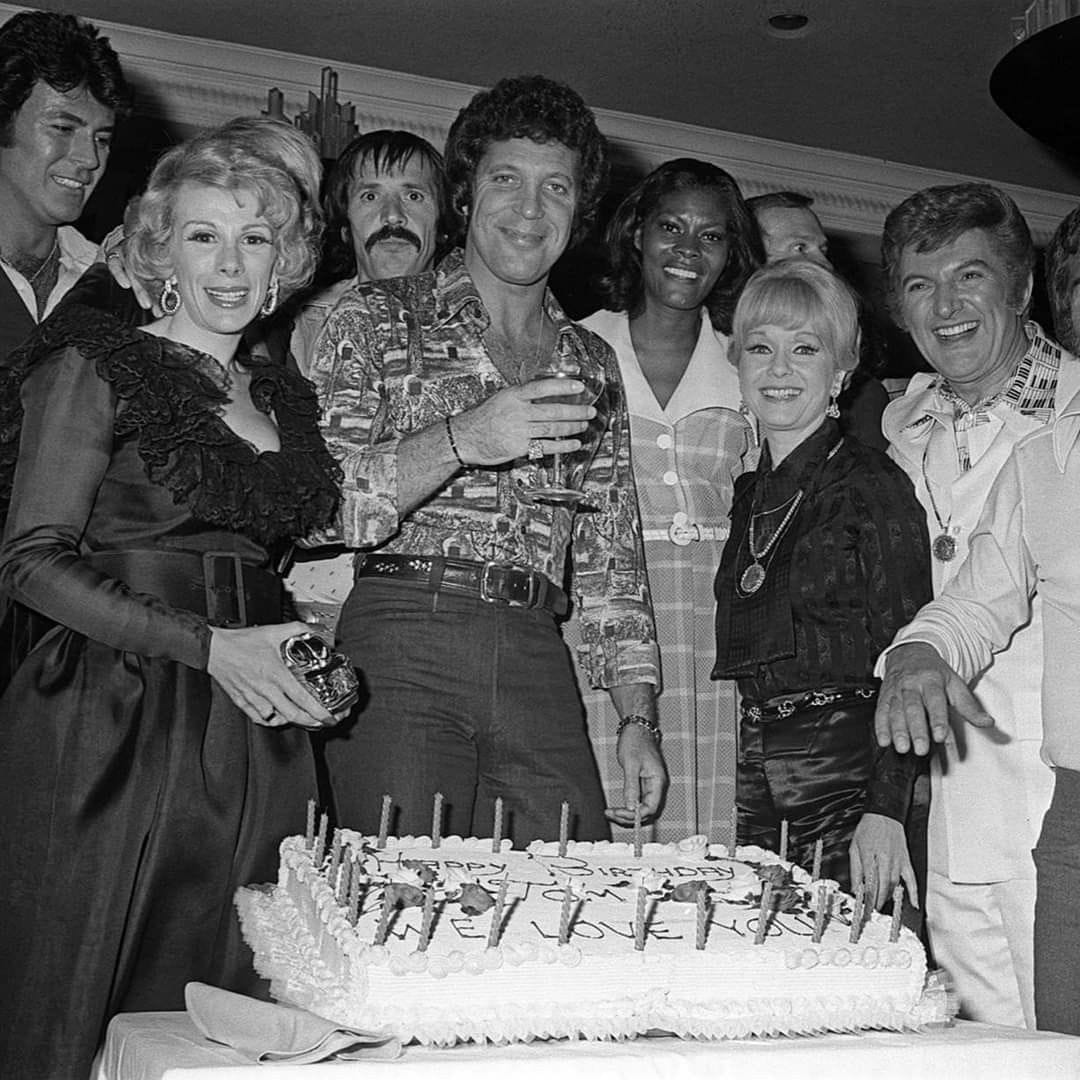
As a quick side note, Jones’ manager, Gordon Mills, reportedly also loved it when Tom was booked in Las Vegas. Tom’s wife, Linda, was out sometimes in a party that included Gordon while Tom was on stage and the excess she saw sickened her. Much like Col. Parker when Elvis played Vegas, Gordon Mills also lived high on the hog while Tom busted his butt on stage.
Now, why would you not want to sing in Las Vegas always? Because you get a stink on you, that’s why. Whether it is fair or not, through the end of the last century, the industry and fans alike looked askance at a singer who spent much of their time on the Las Vegas stages. It was looked upon as a retirement of sorts or a capitulation as if this was all that was left the performer. Tom would bristle when his show was labelled a “Vegas act” as it was the same show he would present in concert in the Midwest and, truth be told, Tom and others like him had to work hard to please crowds that were not necessarily there to see him specifically. Additionally, regular Las Vegas residencies could easily lull an artist to sleep.
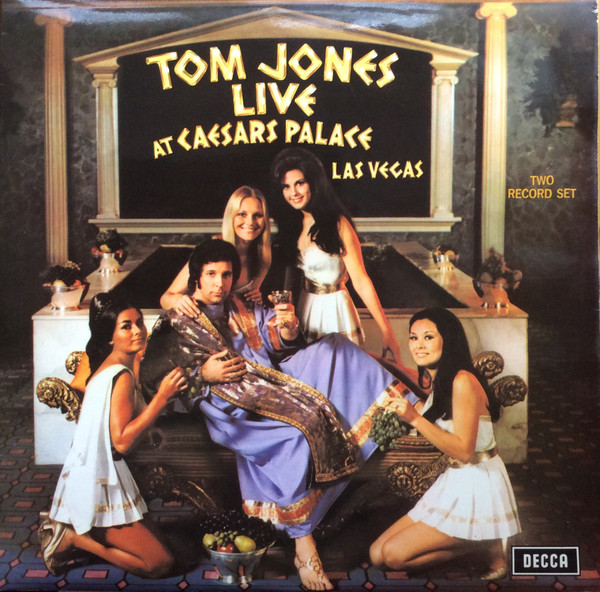
While working in Las Vegas worked in many ways for Jones and his family – it was, after all, a very steady, dependable and sizeable paycheque – his recordings were drying up, as was his rep as a singer. It was taking a toll on his voice as, he says, he over-sang and over-entertained to “make up for” an act lacking garish glitz. It put him in a hole, tainted what the industry and audiences thought of him and, he says, “I was digging my own grave”. Tom was saved in many ways when his son took over his management – the same thing would happen to Tony Bennett – and urged him to leave Sin City in the rear view. Then began the journey of redemption and the long road back to respectability.
Tom Jones was not, however, bereft of hit records through the 1970s. In fact, his biggest hit in America came in 1971 courtesy of fellow Vegas player, Canadian Paul Anka. “She’s a Lady” reached Number 2 Stateside and thirteen in the UK. But never mind that; in 1973, Tom delivered one of my favourite of his songs and indeed one of my favourite songs of all-time by anyone. “Letter to Lucille” reached only #31 in the UK and #60 US Pop by it is an infectious tune written by prolific Tony Macauley and arranged to maximum effect by Tom’s regular guy, Johnnie Spence.
1977’s charming “Say You’ll Stay Until Tomorrow” reached the top 40 in the UK and #15 in the US but from 1973 until the end of the Seventies, Tom Jones released 18 singles and only three of them charted on either side of the Atlantic. Gordon Mills had a plan, though; repackage Tom as a country & western singer. And it worked – I guess. While Tom Jones could sing all kinds, the country period is not one that many fans will regularly revisit. But between ’82 and ’85, Tom put 10 singles on the US Country charts with 1983’s “Touch Me (I’ll Be Your Fool Once More)” reaching Number 4. Soon, though, the saloon doors closed and Tom Jones was ready for another incarnation.
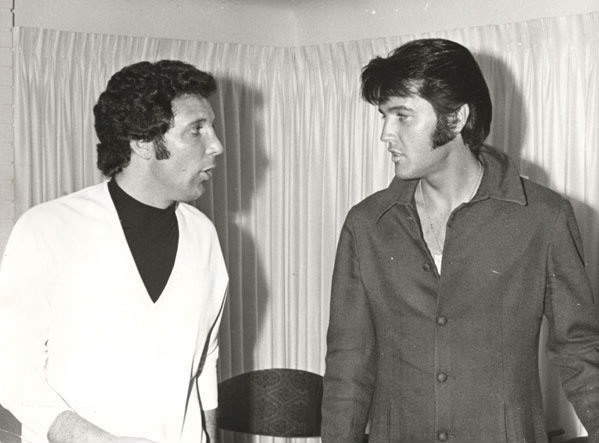
One of the many things that make Tom Jones so cool is his relationship with Elvis Presley. Now, anyone having a “relationship” with King is really open for debate. With Elvis World being such an insulated place, it was almost impossible for anyone to penetrate deeply enough or often enough to be considered a “friend”. The so-called Memphis Mafia, in their book written with Alanna Nash, discuss Tom’s relationship with EP and the idea of a friendship between the two singers is dismissed in no uncertain terms. But I would counter with Tom’s own recollections in his memoir and interviews and with the proliferation of photos of Tom with Elvis taken in many different places and many different times. Truth be told, Tom Jones did set up in Las Vegas before Elvis did and Presley did meet with Tom shortly before King went to make history at the International – perhaps to get Tom’s take? And while no one was really “like” Elvis, you could easily argue that TJ and EP were similar artists. Sexually charged singers who moved provocatively on stage sending women over the edge resulting in undergarments thrown on stage. Singers who enjoyed and who excelled at all different kinds of material and who for long periods of time made the Las Vegas stage their home. Both possessed big, powerful voices. And it is quite telling that Tom never really covered an Elvis song but Presley did do songs that Jones had done before; “Green, Green Grass of Home” and “I’ll Never Fall in Love Again” and both men did “Without Love (There is Nothing)” in the same year.
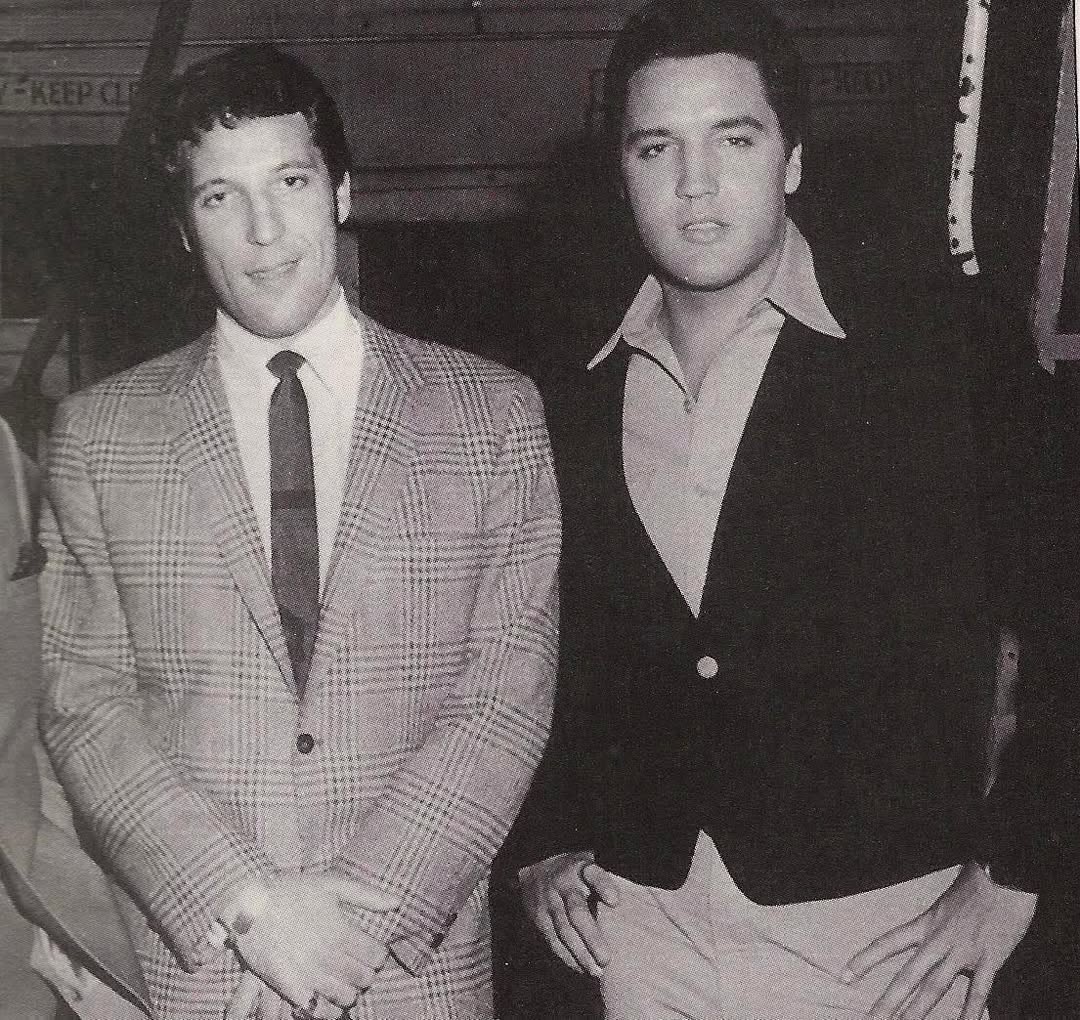
Elvis People who know will likely agree that Elvis genuinely liked Tom as a person and respected him as a singer. Elvis went to see Tom perform in Vegas often, met with him backstage and in dressing rooms and even spent some vacation time with him in Hawaii. At least once, Elvis wandered on stage while Tom was performing to chat and to demonstrate some karate and, most remarkably, when they were together in Hawaii, Tom was invited over and guitars were produced. Elvis and Tom and friends sang together for a time. Imagine.
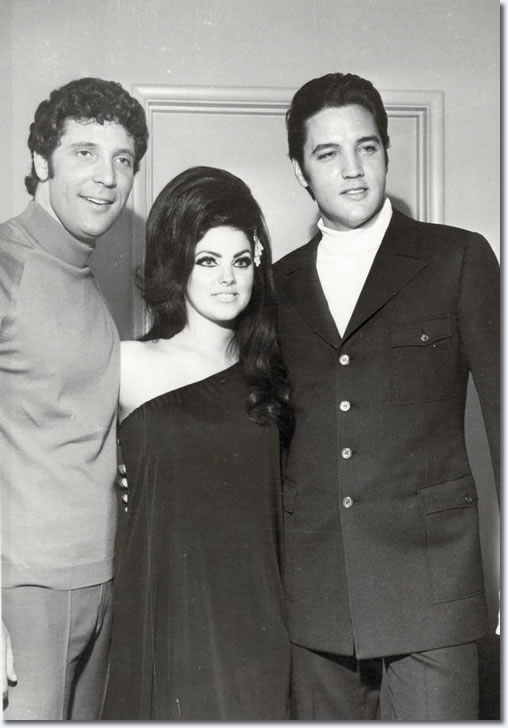
The picture above shows Elvis and Priscilla meeting Tom backstage at the Flamingo on April 6, 1968. There was a writer from the New Musical Express there that night – Chris Hutchins, who also reported on the meeting between Elvis and the Beatles for NME – and his article is quite telling as he relates the conversation between TJ and EP. Particularly interesting was Elvis relating to Tom the time when he and the boys were traveling in the motor home and the radio played Tom’s “Green, Green, Grass of Home” and Elvis became quite emotional, phoning to the radio station to play it again which they did four times. If we can believe Hutchins’ account – and why can’t we? – then Elvis was very impressed with Tom and his style. Something else that helps the case for a friendship between Tom and Elvis is the intro below by Elvis from the stage in Las Vegas in August of ’69; “also my good friend”. And click here for the Hutchins article reproduced at elvis.com.au.
Tom describes a comical moment in Las Vegas when Tom came off stage to find Elvis already hanging out in his dressing room. Someone had been pitching a song to Elvis who was not interested in it for himself but thought it would be good for Tom. Elvis wanted to sing it for him but Tom went off to the shower. Presley was insistent though and came into the bathroom to sing it to Tom while Tom finished bathing and towelling off. King was no doubt comfortable being around TJ.
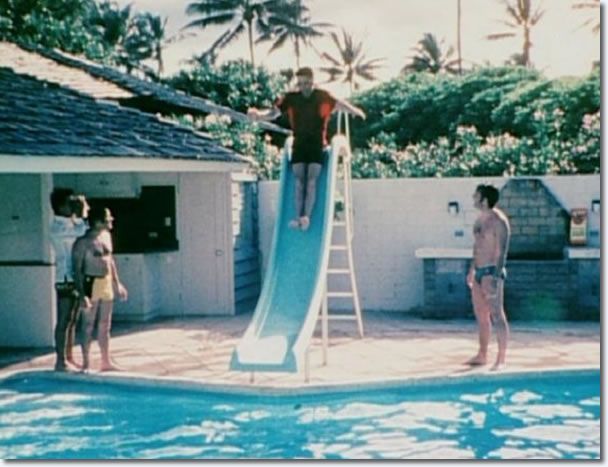
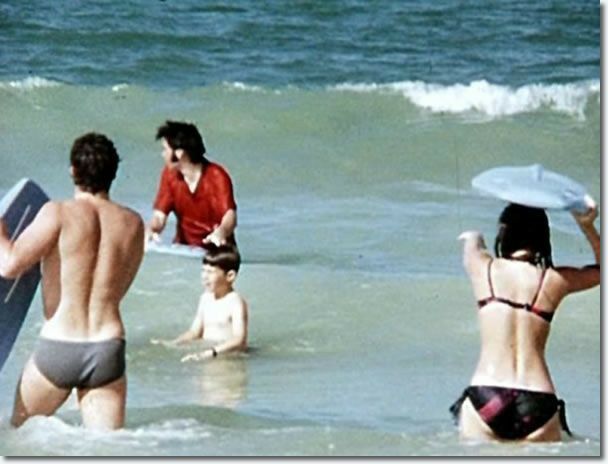
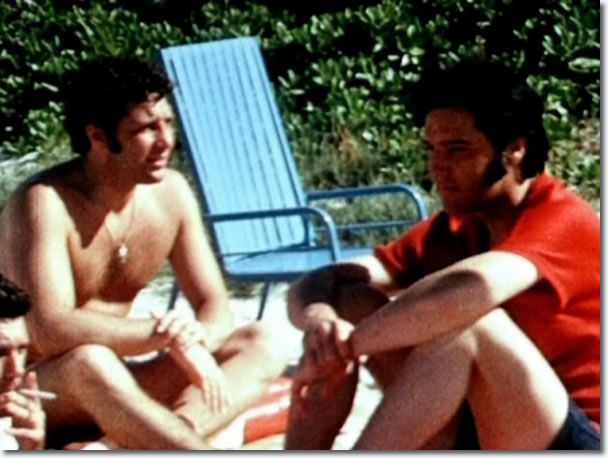
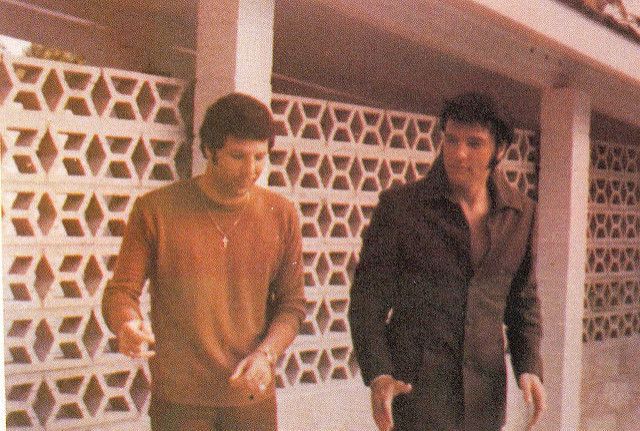
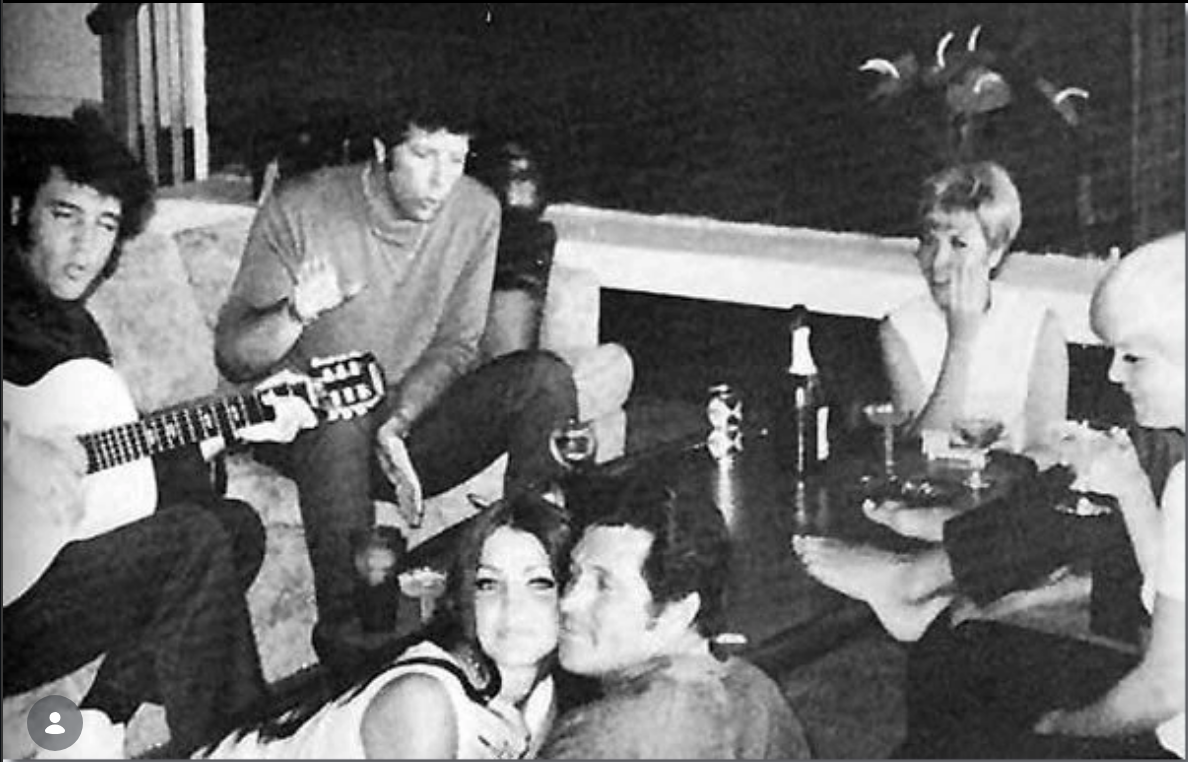
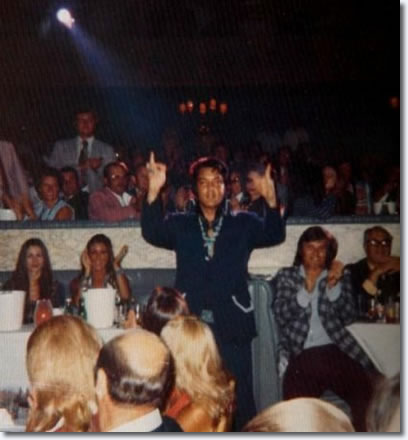
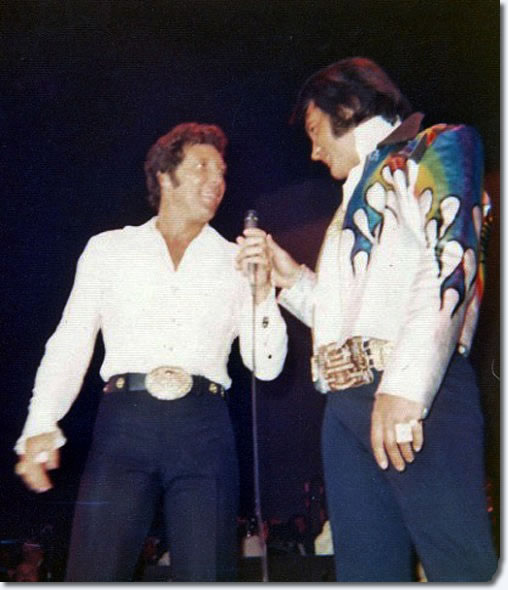
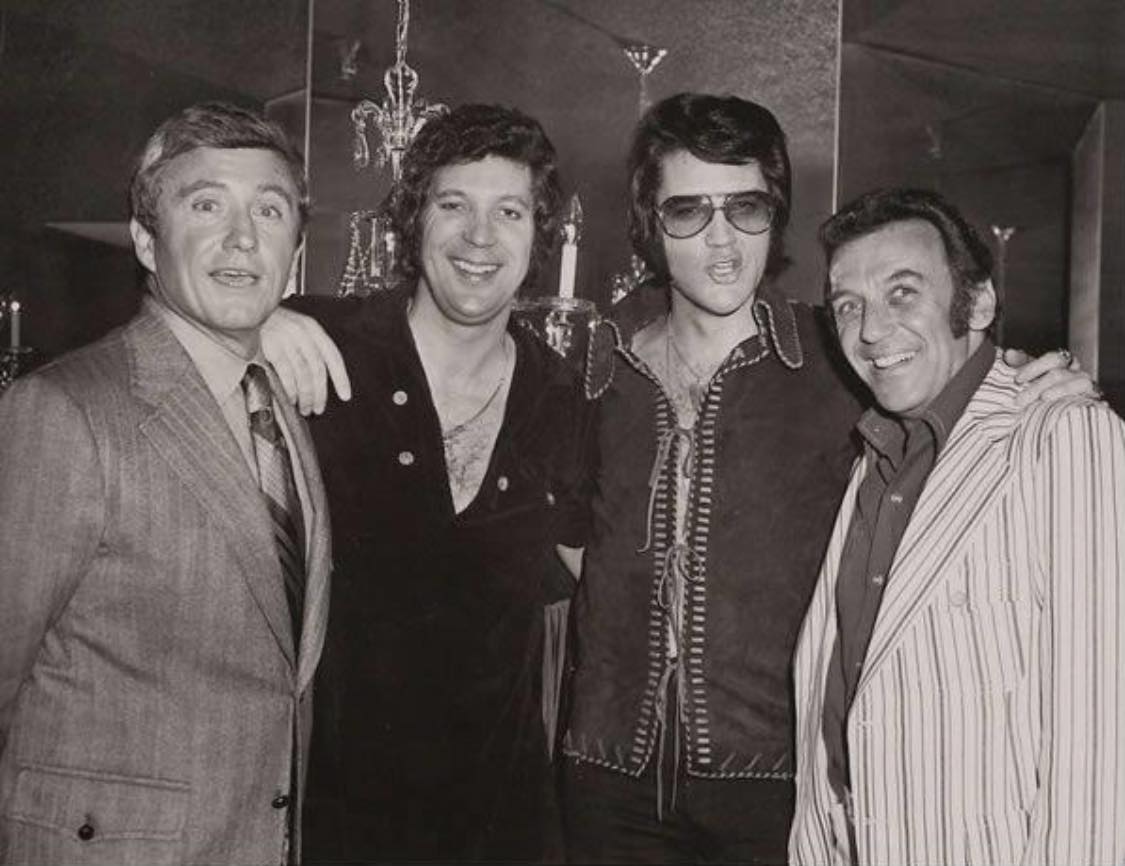
True story: when Tom saw himself in this picture, he was disgusted by his double chin. He soon after had plastic surgery to correct it which left him with a scar – “the mark of Zorro”, he called it – leading him to grow a goatee. The moral of the story? TJ was interviewed about this in 2015 and said “Never have your photo taken with Elvis”.
Interesting to note also that, after Tom’s wife had passed away, he spent some time with Priscilla Presley which sparked some dating rumours that, if they had been true, I would’ve been OK with. I suppose the Memphis Mafia know whereof they speak when it comes to Presley’s personal life but there is too much evidence extant to support a mutual respect and even a friendship between Tom Jones and Elvis Presley. And it must be said that Elvis’ entourage are likely to be protective of their position as the only friends Elvis ever had. After all, that’s about all that many of the boys have. And I just like to believe that, yes, TJ and EP were buds.

Tom Jones had been managed by Gordon Mills for 20 years. Mills created MAM, a corporation that handled not only Jones but also Engelbert Humperdinck (TJ says “Life’s too short to be f*cking about with Engelbert Humperdinck”) and Gilbert O’Sullivan but by the mid-70s, none of MAM’s artists had much a recording career. Eventually, Hump bolted and O’Sullivan sued but TJ looked on Mills as a friend even though things were going bad. Tom’s son, Mark, had began traveling with his dad and advising his father which somehow irked Mills. One night, Gordon and Mark got in a beef and Tom watched, champagne glass in hand, while his son beat up his manager. But Mark was advocating for his dad and Mills had no answers. Then, in 1986, Gordon Mills died of stomach cancer when he was only 51 and Mark Woodward took over the direction of his father’s career.
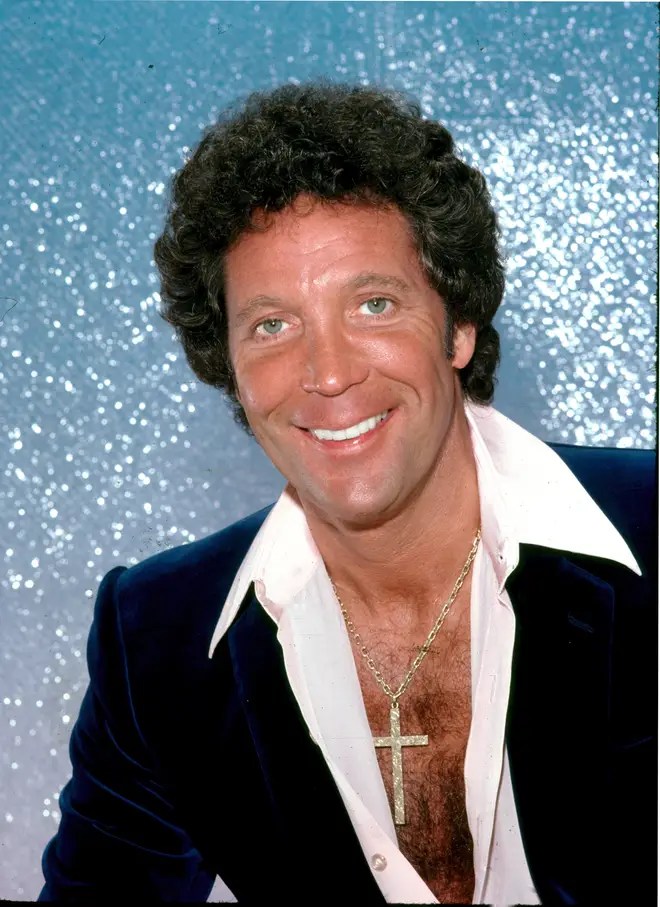
The new arrangement showed results right off the hop. Tom had added Prince’s song “Kiss” to his act and the Art of Noise saw him sing it on TV. They contacted Tom and suggested a collab and the result was a major hit for Tom but more than that it was a modernization of his sound that was picked up by the MTV generation with help from the music video. This showed that Tom could have fun and be loose and also that he still had the chops. Continuing in this vein was another television appearance this time with British rock band EMF doing their song “Unbelievable” and this lead to the electronic rock record I spoke about at the outset, The Lead and How to Swing It. The album featured “If I Only Knew” that reached Number 4 on the US Dance charts and Jeff Lynne’s gorgeous “Lift Me Up”.
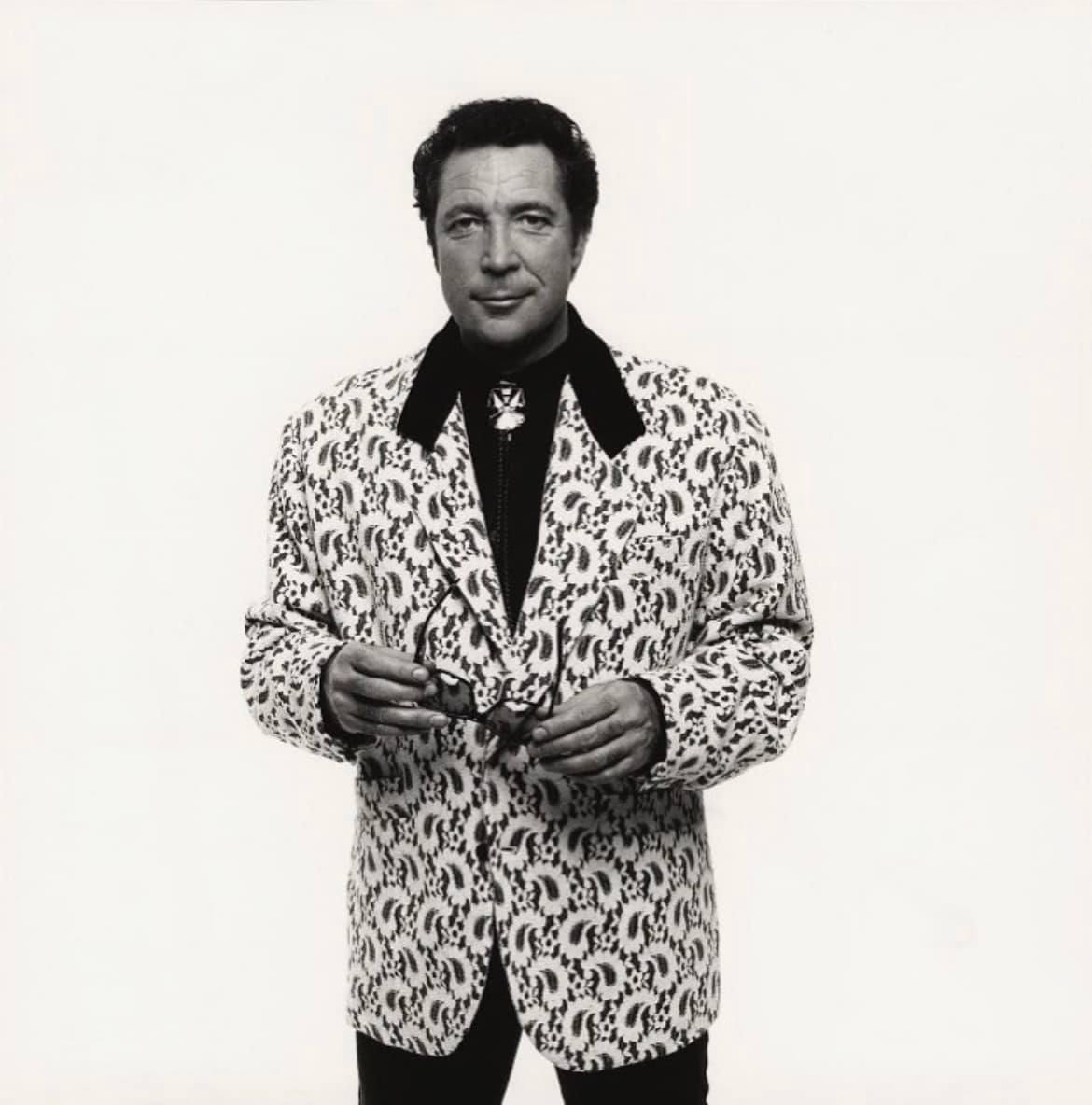
Then came the most successful album of Tom’s career. Reload continued to display to young listeners everywhere a robust and full-throated singer who could more than hold his own when paired with current pop and rock acts. The record did two canny things; it allowed Tom to essay some excellent pop, rock and soul songs and it paired him with hip duet partners. Featured on the album are the Talking Heads’ “Burning Down the House” with the Cardigans (#7 UK), Three Dog Night’s “Mama Told Me Not to Come” with The Stereophonics, Lenny Kravitz’s “Are You Gonna Go My Way” with Robbie Williams and the strutting “Sex Bomb” with something called Mousse T. among other great tracks.
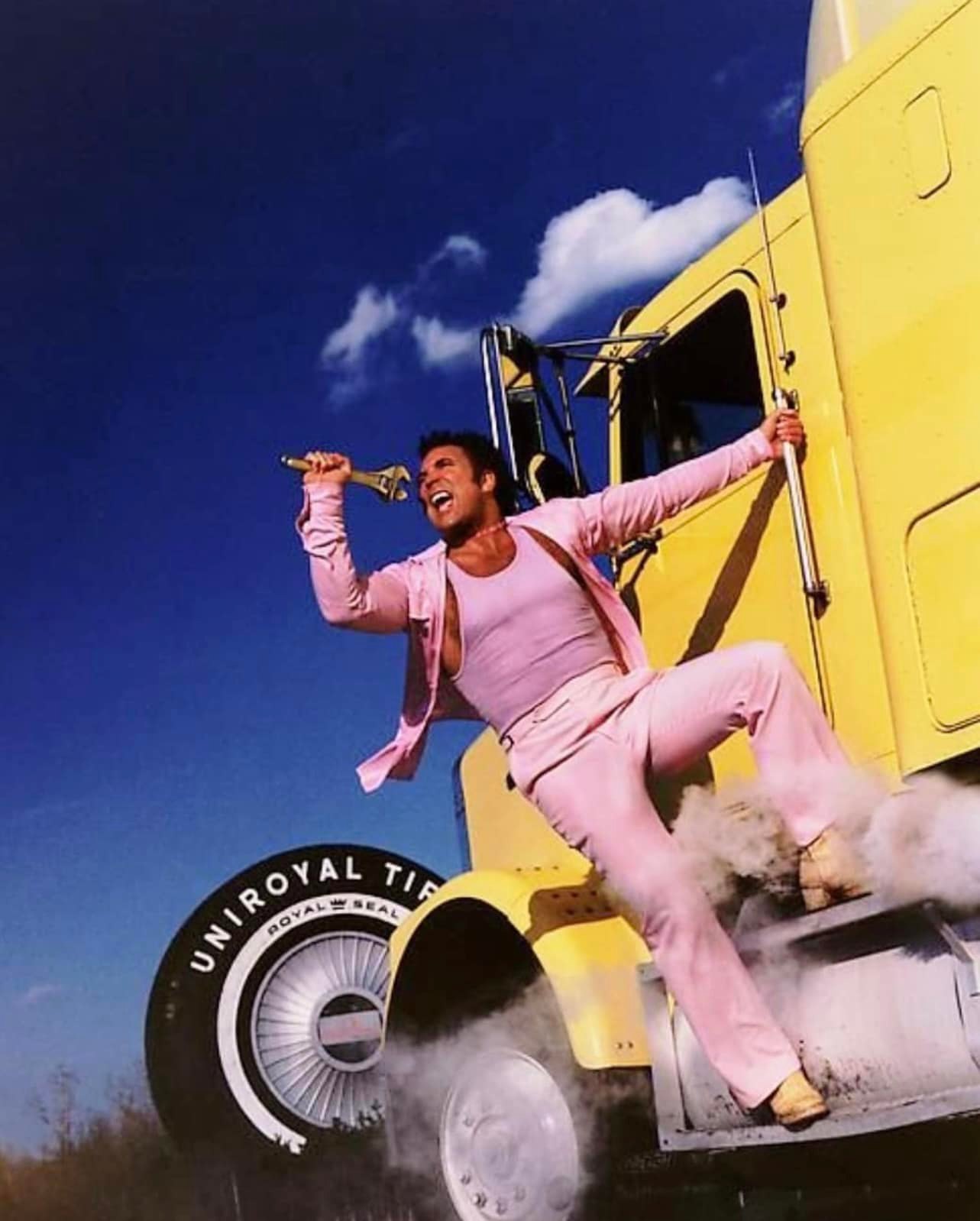
Tom rode this wave with two more records in much the same vein. Mr. Jones paired Tom with producer Wyclef Jean resulting in two jewels of this later era of Jones recordings. Tom and Jean present a killer arrangement of Bob Seger’s “We’ve Got Tonight” and then there is my number one favourite song OF ALL-TIME by anybody, Tom’s cover of Huddie Ledbetter’s “Black Betty”. 24 Hours, released in 2008, featured a robust cover of Tommy James and the Shondells’ punk prototype “I’m Alive” and Springsteen’s dramatic “The Hitter”. Now that Tom had reignited his career and become known by a whole new generation, it was time for yet another reinvention and an embracing of the passage of time as Tom turned 70.
Thomas Woodward met Linda Trenchard when both were still pre-teens. They became a couple and then Linda became pregnant and the two had to marry when they were still both 16; son Mark was born months later. Tom and Linda stayed married for 59 years despite Tom’s reportedly Herculean extra-marital activities, trysts he ignores in his memoir. Sadly, Linda died from cancer in the spring of 2016. In honour of her last wishes, Tom sold the family home in Los Angeles and all it’s contents and moved to a modest apartment in London. In the wake of her death, Tom’s appearances on various talk shows inevitably included emotional remembrances of their long union.
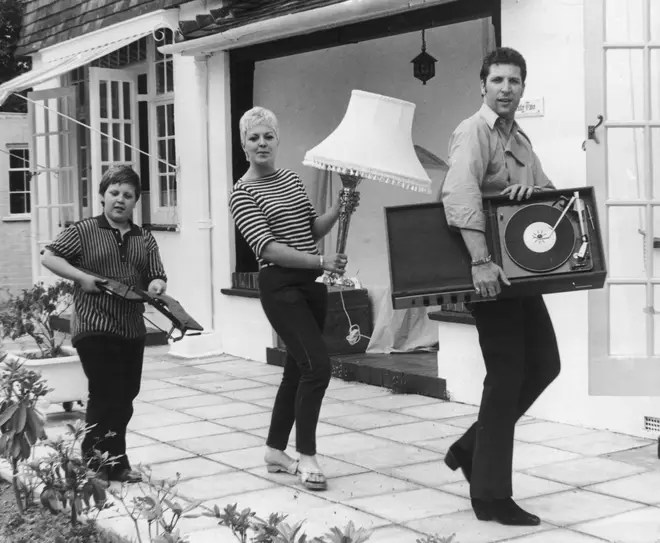
Glyn Johns from Surrey was one of the first recording engineers to work freelance instead of under the employ of a record label. He was in high demand in the late Sixties and throughout the Seventies working on some of the most influential albums of the rock era and in 2012 was inducted into the Rock and Roll Hall of Fame. Glyn’s son is Ethan Johns who has followed in his father’s footsteps producing records by Paul McCartney, Joe Cocker and many other contemporary artists that us retro types have never heard of.
One day, Ethan Johns noticed that Tom Jones had stopped dyeing his hair and had reverted to his natural grey. It was as simple as that. Johns felt that this indicated something about Tom and he became interested in working with Jones and seeing if there was some depths to plumb in much the same way that Rick Rubin had dug down deep with Johnny Cash. The results showed up in 2010 as Praise & Blame, a collection of Americana, gospel, blues and soul that was much like the music that Tom loved in his youth, the music he had to largely set aside in the wake of “It’s Not Unusual”. The album, the material, the live recording and production were all heralded by the critics; “…the all-pervasive sense of artistic rebirth…it’s a revelation”, “…naked and bleeding raw, bereft of showbiz blandishments”, “…the best of Jones’ six decade long career”.

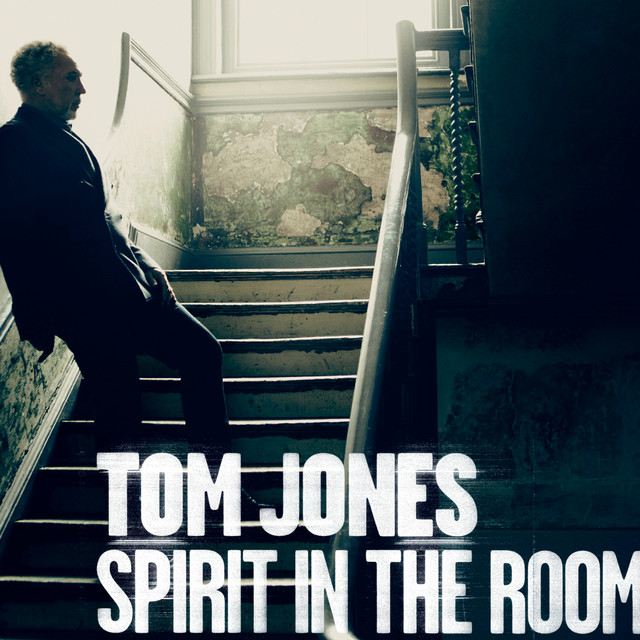

There followed Spirit in the Room and Long Lost Suitcase (with a killer cover of the Stones’ “Factory Girl”). The fourth record made with Johns, 2021’s Surrounded By Time, was a departure in sound from the previous three and my least favourite of the four though it received universal critical acclaim and it does contain the stunning, 7-minute “This is the Sea”. Surrounded By Time debuted at Number One in the UK making Jones “at 80 years and 10 months, both the oldest male to earn a number-one UK album and the oldest artist ever to earn a number-one UK album with an album of newly recorded material”.
Tom Jones has also added much to his rep and status as legend with his position as coach on the long-running talent TV program The Voice UK. Tom regularly sings a song during the broadcast and the performances are always wildly appreciated by the studio audience with many clamouring and yelling for Jones to break into song. And when he does it is something to watch his fellow coaches – all “youngsters” including will.i.am, Jennifer Hudson, Meghan Trainor and Olly Murs – revel in his stellar performances and record them on their phones. The program not only provides Tom Jones with exposure but shows him in an appropriate light – as a music industry veteran, a singer of never-ending vocal ability, a performer beloved by audiences and a true icon respected by much younger peers.

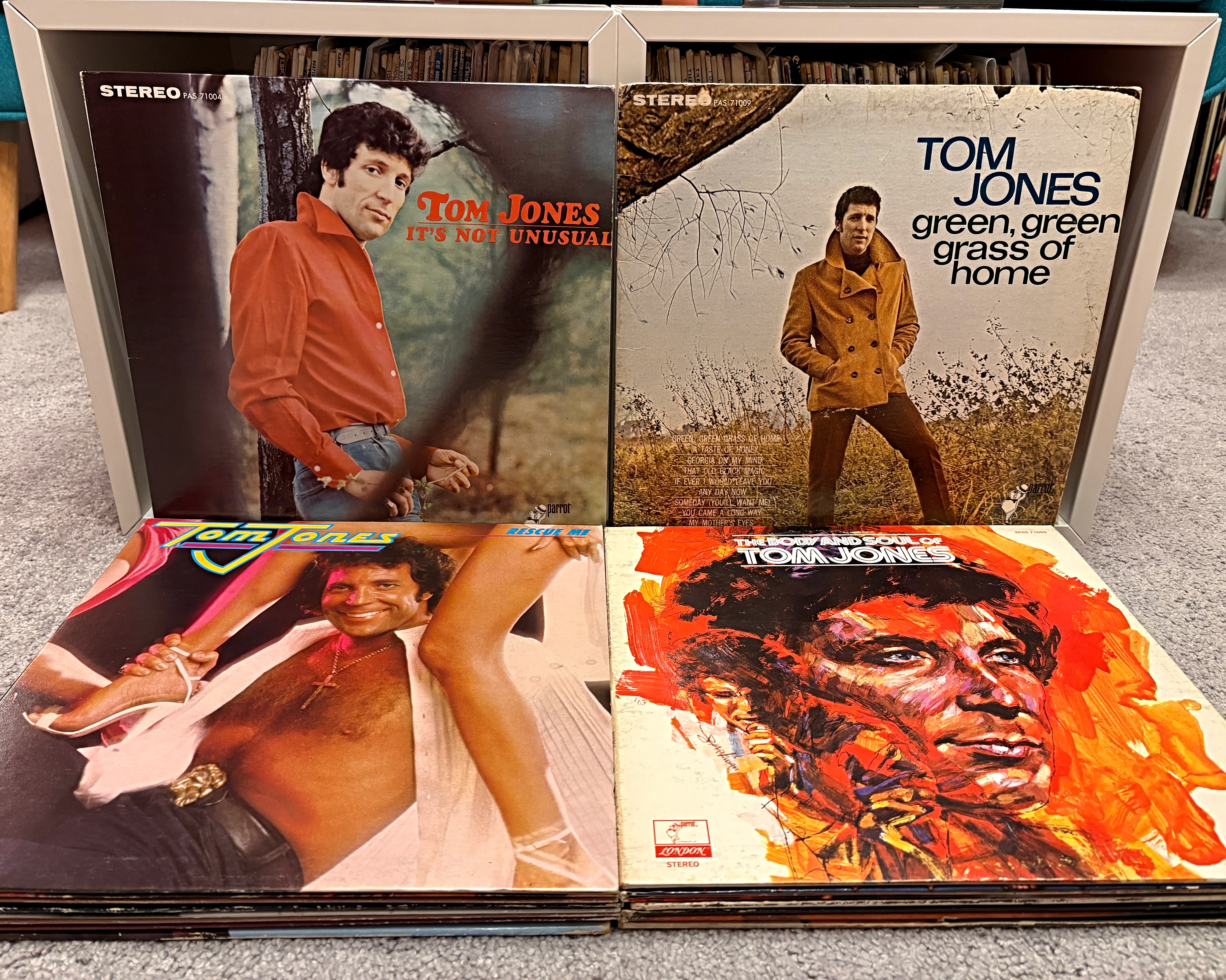
As I mentioned at the outset, I knew that Tom Jones would be a part of my burgeoning exploration of vintage culture when I began the journey. His records were often to be found in thrift stores and I began a collection. As I listened to his classic recordings, it was clear that they had much to recommend them but I was always also pleased when I would run into a compact disc of his work as an older man and/or alongside guest artists. To hear him do “Kiss” or “Lust for Life” or “Stoned in Love” always confirmed that he was ready to thrown down with the kids and to show them how it was done. To bring experience and swagger to songs even into his 80s.
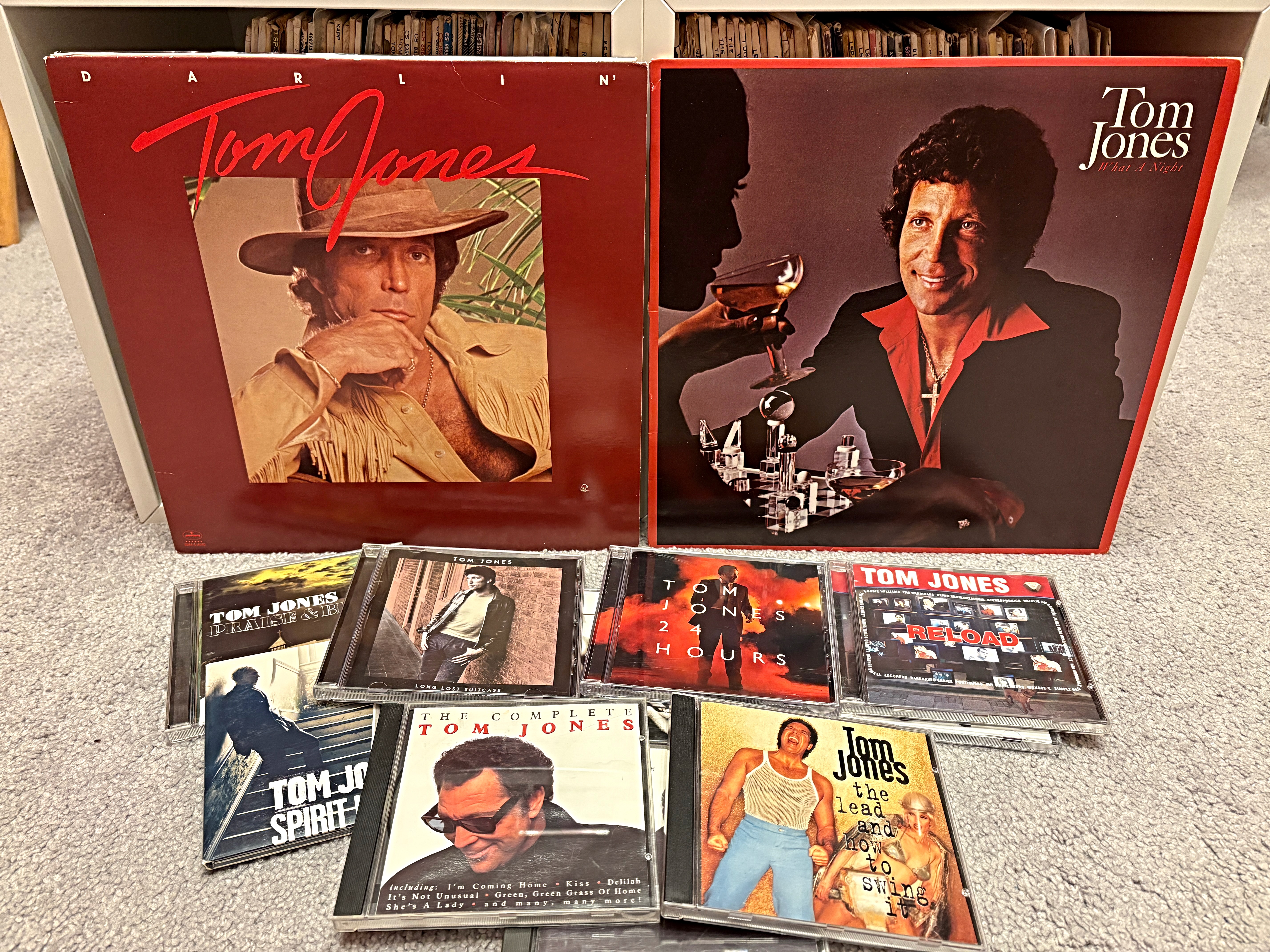
My wife and I have seen Tom Jones live three times in three different venues in three different cities. His concerts were always excellent and featured fine musicianship, Tom’s sparkling personality and robust voice. A couple things stood out to me during these shows. Since we have accepted the appropriateness of comparing Tom to Elvis Presley I will continue to do so. It has always disappointed me that Presley seemed to often discount his songs from the Fifties when he sang them live in the Seventies. He sped them up, running through half the already sparse lyrics of “Hound Dog” in 50 seconds, for example, and seemed to poke fun at them, rarely giving them the gravitas that some of them deserved or could have had in updated arrangements.
But I noticed that when Tom Jones was 75 years old and sang “I’ll Never Fall in Love Again” he was deadly serious, respecting the fine song it was and giving it his all often hitting the same notes and for the same duration as when he was a younger man. He seemed to know that fans had grown up – and old – on these songs and we loved and cherished them. He delivered “Delilah” in much the same form as 1968 allowing us all to sing the chorus with him – all of us together – throatily celebrating the man and his contribution to our lives.

We saw Tom at a casino backed by the Tower of Power horn section, a killer show. I noticed Tom gesturing to someone rows behind us and when I turned around I thought a woman was waving short arms at him. But those were breasts. Tom would jokingly reference the underpants that were still thrown on stage and employed a janitor-type guy to half-jokingly come out during the intermission to sweep them up. And when for the first time I heard him running through his excellent renditions of “We’ve Got Tonight” and “Black Betty” it was truly revelatory to me and I was impressed by the cool, smirking swagger when he did “Sex Bomb” – and sold t-shirts with that title emblazoned on them. Each time I came away with the impression that this was how it should be done. Give the audience what they want by presenting the back catalogue with respect and precision acknowledging what the songs mean to us and run through the newer stuff with all the confidence and cool that only a man with his pedigree can generate. I wasn’t seeing him in his prime but maybe I was getting something better; an entertainer enjoying a victory lap that few others have achieved.
Tom Jones has indeed been over the top and back again. He had an impressive run of hits at the outset of his career and enjoyed a level of celebrity through the Seventies that made him ubiquitous but also aligned him with a type of entertainment that eventually painted him in a negative way. He resurfaced, though, as a resilient performer with a sense of humour and a style that proved timeless as he was able to assimilate himself with artists a generation younger.

His final redemption came when he teamed with a savvy producer who gifted him with the chanced to record music he believed in and that reflected his roots and this sent him to a pinnacle reserved only for those who have persevered and survived. Tom Jones is as cool as they come and he has been able to maintain his cool for 60 years. And that, dear readers, is quite unusual.
“If you’re lucky and you stick around for long enough, you eventually get the chance to sound like yourself. I went all over the place, in my career, and there’s no question I made mistakes, recording-wise. And I played some wrong places—Vegas too long, overstayed my welcome in others, for sure. But somehow I came out the other end. And when I get the right thing, I can still come through real. And when I come through real, I’m quite hard to ignore.”
Sir Thomas John Woodward
Ten from Jones
- Green, Green Grass of Home
- Detroit City
- Funny, Familiar, Forgotten Feelings
- I’ll Never Fall in Love Again
- Help Yourself
- Love Me Tonight
- She’s a Lady
- Letter to Lucille
- Say You’ll Stay Until Tomorrow
- Black Betty
Sources and Further Studies
- Book Talk: Over the Top and Back – Soulrideblog.com (2019)
- Singer Tom Jones – NPR.com (2003)
 SoulRide