Once again on UnEarthed, we are looking at the 11 feature films of a prolific television director. Like our previous look at Toronto’s Harvey Hart, we will see that William A. Graham spent most of his 44-year career directing on the small screen. However – again like Hart – Graham directed eleven features, most of which are fascinating for one reason or another. The comparison continues; neither Harvey Hart nor William Graham have gone down in the annals of Hollywood history as directors bearing a distinctive, unheralded and expert touch. It just so happens that the two men issued films that stand out for their uniqueness and for their stature on the outskirts of mainstream Hollywood A properties. It is films like the 22 directed by these men that we celebrate here, films unburdened by greatness yet entertaining nonetheless.

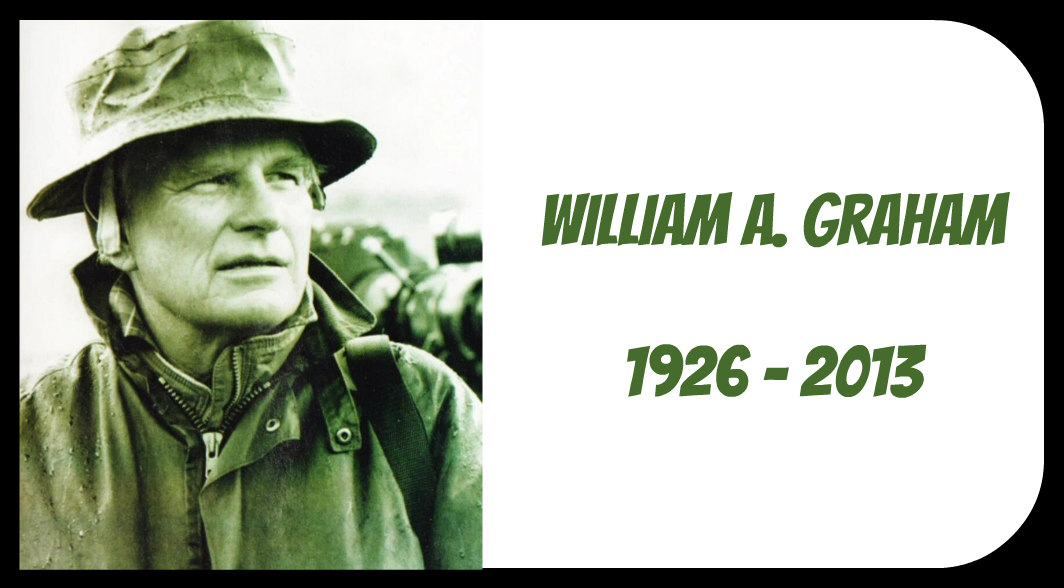
Native New Yorker Graham has a name that leapt out at me when I first heard it; I had heard of Billy Graham the evangelist and Bill Graham the San Francisco rock promoter and now here was a third William Graham. William A. Graham – as he was most often billed – was born in NYC in 1926. He served in the Navy and attended Yale University. Graham’s first significant work came in the late 1950s. The television anthology program Kraft Television Theatre is a show that helped launch the careers of many actors and directors. Graham was the director most often used on this show – he directed 28 episodes of the highly respected series that featured original programs and adaptations of classic literature.
From this prestigious start, Graham made the obvious move into TV movies and continued directing episodic television including multiple episodes of shows like Naked City, 12 O’Clock High and The Fugitive. Finally, Paramount gave him his first job as a director of features.
Waterhole No. 3 (1967)
A Blake Edwards Production, Waterhole No. 3 is considered a comic remake of The Good, the Bad and the Ugly. The film boasts an impressive cast; James Coburn, Carroll O’Connor, Claude Akins, James Whitmore, Bruce Dern, Timothy Carey and Joan Blondell.
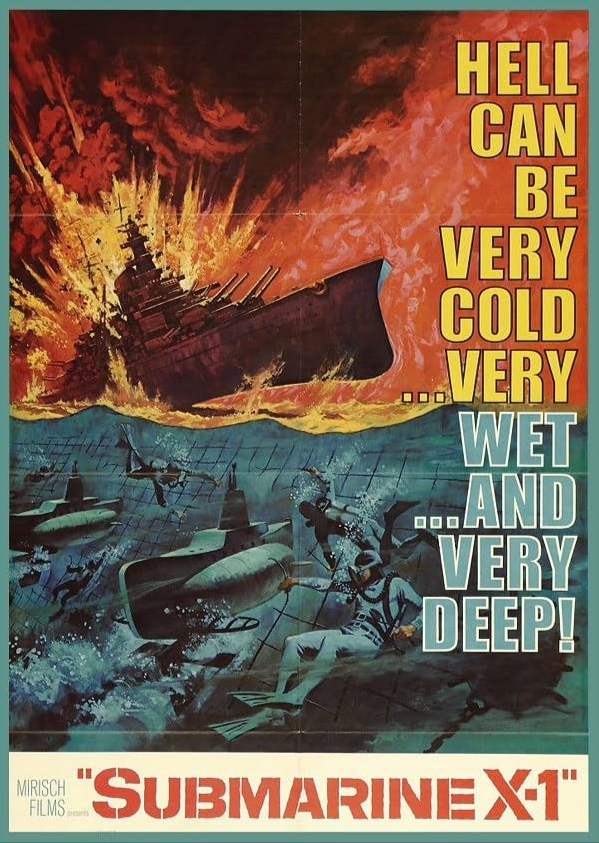
Submarine X-1 (1968)
Little Canadian content here. Jimmy Caan plays a Royal Canadian Navy Volunteer Reserve officer who, with others, survives an unsuccessful attack on a German battleship. This film – one of many at the time made in England with an American in the lead – stars not one person other than Caan that made an impact in North American film. He was already gaining traction and James Caan would achieve stardom four years later with his portrayal of Santino Corleone.
Change of Habit (1969)
And here’s where I came in with William Graham. In an interview1, Bill said that he had been asking Paramount for a feature to direct and this is the assignment he got. Presley had approval over directors so getting the thumbs up pleased Graham. The director claims that he strongly suggested Elvis make changes to his hair for this film, to eschew a lot of product and styling and let it just lay flat like Graham’s own hair, a suggestion that Elvis implemented. Graham also says that Priscilla was “extremely pleased” with this change and that it was a “landmark achievement”. Problem is, Change of Habit may represent the most underwhelming Presley’s hair had ever been.
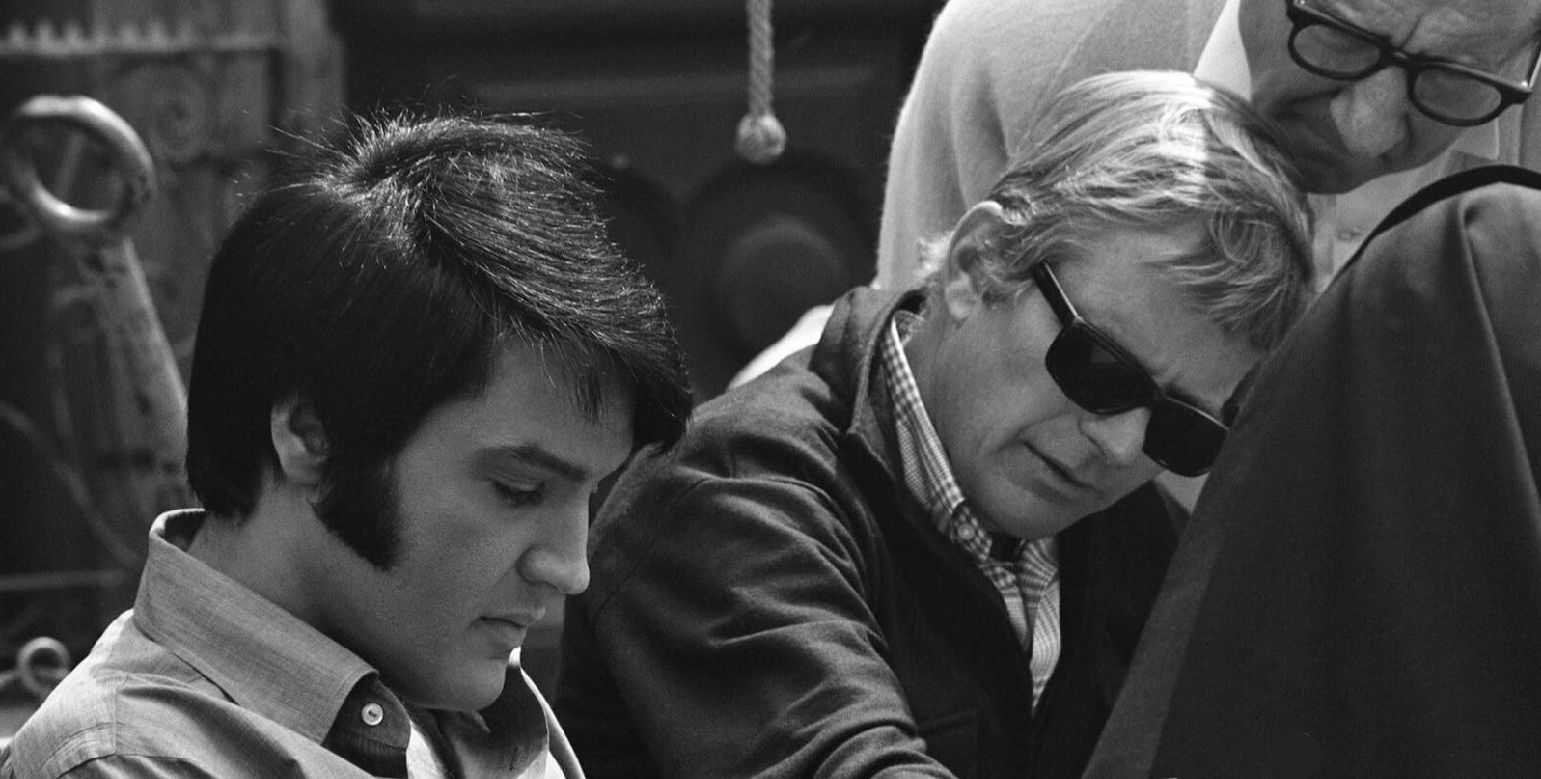
Graham also says that he encouraged Elvis to adopt a Method approach to acting but adds that EP needed little coaching. William Graham has been effusive in his praise of Presley and this is something that us Elvis People are well used to hearing. The director says that King was the nicest and politest man he ever worked with totally lacking in temperament or ego. Later in 1993, Graham would direct the TV movie Elvis and the Colonel: The Untold Story, starring Beau Bridges as Col. Parker and nobody Rob Youngblood as Elvis.
At around this point, William Graham handled the property that really brought him to my attention after growing up seeing his name on the credits of Change of Habit. My regular readers know that I have in the past highlighted one of my favourite Deep Cut Legends, Michael Parks, in these pages. Michael played Jim Bronson in the pilot film for Then Came Bronson, a movie that Graham directed and one that played theatrically in Europe. This film lead to Michael’s one season playing Bronson on television. Then Came Bronson is not considered a “feature” – maybe due to the TV series that followed – though perhaps it should be. This film is one of the latest editions to my list of favourite movies. Read my review here.
The Last Generation (1971)
One of the more fascinating “lost” films I have encountered in my travels is The Last Generation starring Lew Ayres, Pearl Bailey, Lee Grant, Phil Harris, Mercedes McCambridge, Vera Miles, Michael Rennie, Cesar Romero, Connie Stevens and Stuart Whitman – quite a line-up. In a bleak future, over-populated New York is without food and babies born without permission are taken by the state. Whitman engages in a survival game, the winner of which is given a plot of actual land on which the winner’s own food can be grown. Whitman plays the game by making the risky move of crossing the city underwater in the toxic Hudson. The stakes are raised when Miles, playing Whitman’s wife, gets pregnant without government consent. This sounds utterly fascinating but nary a shred of info can be found on The Last Generation and that’s a shame.
Honky (1971)
“A love story…of hate” Honky tells the tale of an interracial romance between Brenda Sykes (Pretty Maids All in a Row, Black Gunn, Cleopatra Jones) and John Neilson (absolutely nothing; 9 total credits). Brenda’s dad is played by substantial William Marshall and Marion Ross plays “Honky”‘s mom. With Sykes and Blacula himself – Marshall – among the cast – and by giving it it’s audacious title – this film actually finds itself listed among the very first blaxploitation films that began this same year with Sweetback and Shaft. William Marshall was in fact yet to play the titular Blacula and Brenda would also wait until the following year to feature alongside Jim Brown in Black Gunn. Brenda’s most visible role would come in 1974 as one of Ozzie’s Girls, Ozzie Nelson’s ambitious sitcom.
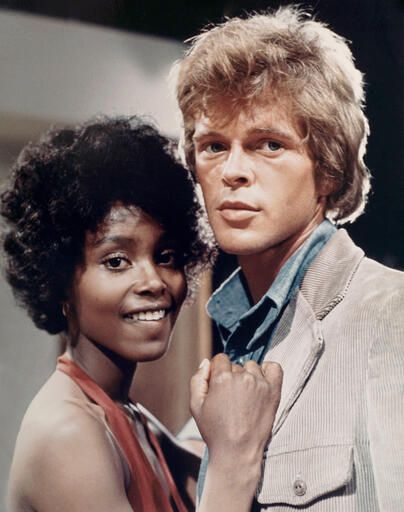
Perhaps most significant here is that the score is by the legend, Quincy Jones. Quincy was at the time on a prolific run of film scoring; between The Pawnbroker in ’65 and Honky, Q scored 26 films. OK? You got that? That’s 26 films in 6 years. The song “Something More” from this film was nominated for a Golden Globe.
Honky lacks a grittiness that distances it from other films of this type from this time. The interracial plot line is actually not given much prominence in the story – Wayne is only called “honky” once – though Graham achieves at least one significant shot. While traveling in a car, Brenda Sykes talks about her father and his guilt over being prosperous and living and working among the white man instead of his own people down south. While she speaks, the sun is setting behind Brenda in a nice visual.
Cry for Me, Billy (1972)
Also known as Count Your Bullets, this western stars husband and wife team Cliff and Maria Potts. Cliff – born Glendale, 1942 – was a minor television actor and Maria was no actor at all; this is her only film and she has but one other credit.
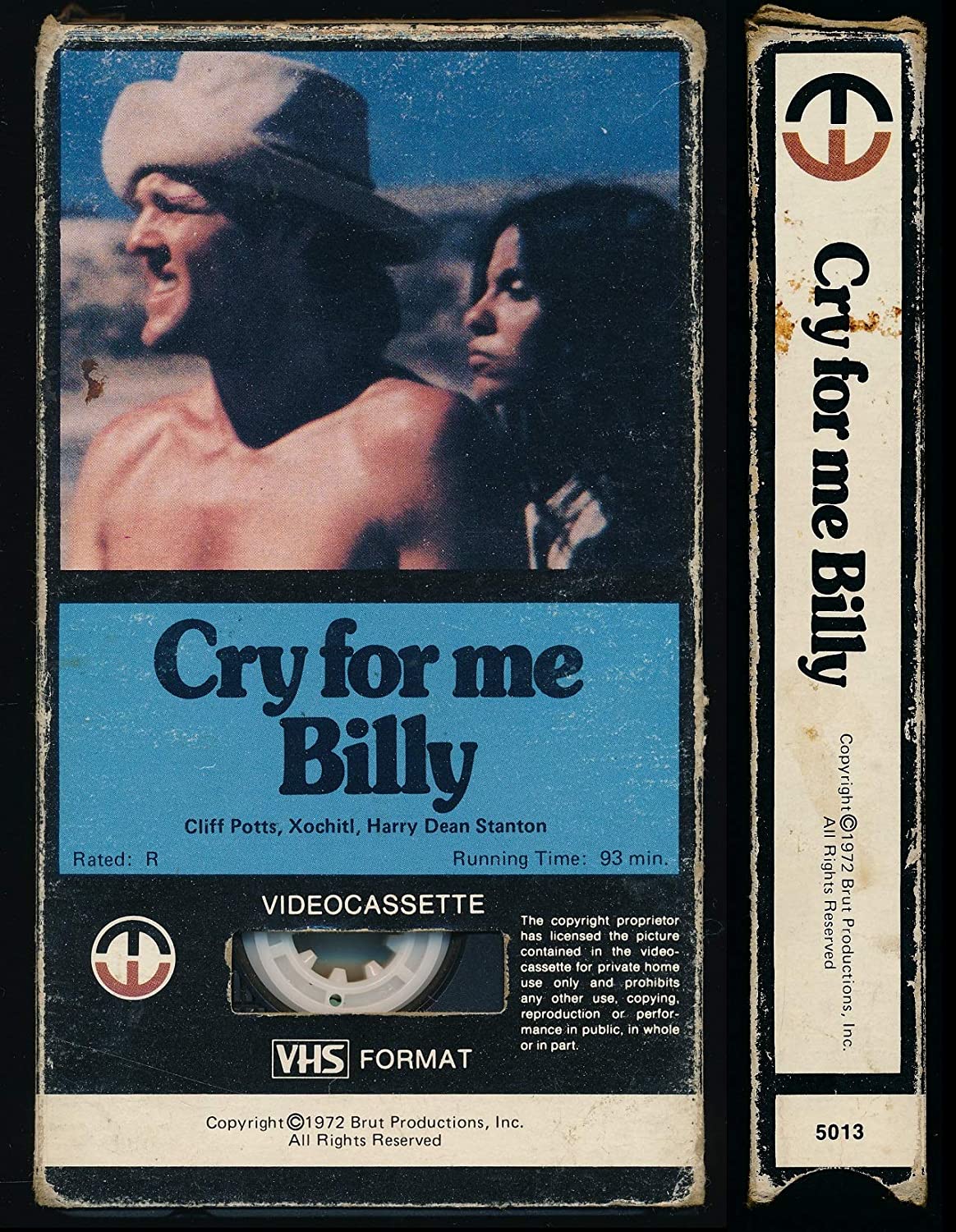
George Barrie (1912-2001) ran Fabergé Inc. for 20 years starting in 1964. His two brain children were extensive use of celebrity endorsement – Cary Grant was on the board and Roger Moore was ambassador at large – and Brut Productions, the film production arm of the cosmetics giant. Cry for Me, Billy was one of the company’s first films and they would later deliver Mean Johnny Barrows (1974), starring my man, Fred Williamson, and the bonkers Fingers (1978) with Harvey Keitel among others.
This film is a capable if quiet western that puts me in mind of Tommy Laughlin’s Billy Jack (1971). Our Billy is a gunslinger but a decent man who extends compassion to a group of captured Indians. Eventually, he even falls in love with one. The two forge first an understanding and then a relationship in tender scenes that Graham handles well, adding some gentle, early Seventies-style ballads. When the tension mounts – first when the two lovers are set upon by a gang of soldiers and secondly when Billy stalks these men, seeking revenge – William and his editor, Jim Benson (who often worked with Graham and also edited Electra Glide in Blue [1973]), achieve some fine compositions and excellent pacing. The final moments are startling though Billy’s vengeance could be more satisfying for the viewer. This is another tale of the white man being more savage than the supposed savages.
Cry for Me, Billy was given the Tarantino Stamp when it was featured on the Video Archives podcast. This is also the first of two consecutive William Graham-directed movies that featured Harry Dean Stanton.
Where the Lilies Bloom (1974)
Here is told the interesting story of four underage siblings living out in Coyote Nowhere in the Appalachian Mountains trying to conceal the fact that their widowed father has died. If it is discovered that the kids have no guardian, they will be dispersed to foster homes. In May of 1970, film producer Robert B. Radnitz formed a partnership with the Mattel toy company to make films marketed towards children. The union yielded 5 features in total, the most significant being 1972’s Sounder. This film is one of the few Mattel Productions.
Where the Lilies Bloom starred the Howard family patriarch, Rance Howard as well as – most significant for me – a 23-year-old Jan Smithers as the eldest child, Devola. Pretty Jan was discovered when Newsweek magazine was doing a cover story on teenagers. Photographer Julian Wasser snapped a photo of her on the back of a friend’s motorcycle and this lead to commercials and eventually to her heart-stealing run as Bailey Quarters on one of my favourite TV shows, WKRP in Cincinnati. Where the Lilies Bloom was her first feature and only three more followed. Her third was Our Winning Season (1978) with Dennis Quaid and then somehow, 9 years later, she made the Canadian film Mr. Nice Guy with music by Canadian rock band Lighthouse. I wonder how that came about.
This movie seems somehow quite genuine in that it featured many unrecognizable actors who were new discoveries and who did not remain in the acting profession. The film gains additional authenticity by being filmed in the sticks in North Carolina.
Together Brothers (1974)
Like Honky, this film from director Graham may be described as “blax-lite”; while it may be filed under “blaxploitation”, it lacks some of the harder edges of that dramatic and explosive genre. A gang of street kids try to expose a cop-killer before he gets to a child who witnessed the crime. Again like the previous film, what stands out here is the total lack of notable names among the cast. Lincoln Kilpatrick (1932-2004) had been in Honky, Soylent Green and The Omega Man and prolific Glynn Turman is still hard at work appearing in Ma Rainey’s Black Bottom (2020) and 2023’s 80 for Brady starring my girl, Sally Field. Music for Together Brothers is by Barry White and his Love Unlimited Orchestra; Barry hails from where this film was shot, in Galveston. The screenplay was co-written by Jack DeWitt, writer of A Man Called Horse (1970).
Provided to YouTube by Universal Music Group
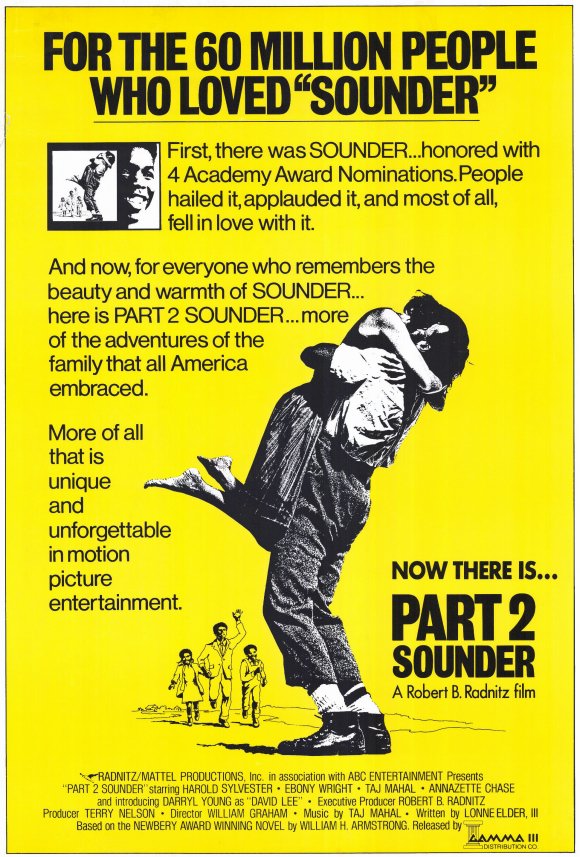
Sounder, Part 2 (1976)
Here along with a film we will look at shortly is certainly one type of feature film that would be given to a director like Graham. The original Sounder remains to this day a seminal film, one that was directed by the venerable Martin Ritt. It received Oscar nominations for Best Picture and for its two lead actors. The sequel was more than “less successful”; today many are not even aware of its existence. The film – titled in many ads Part 2, Sounder – was “barely released” and was described as “unrelievedly didactic” and as containing “a lot of gloominess”. Only Taj Mahal returned from the original movie, as actor and composer. This barely known sequel puts me in mind of another; Christmas Lilies of the Field (1979) with Billy Dee Williams.
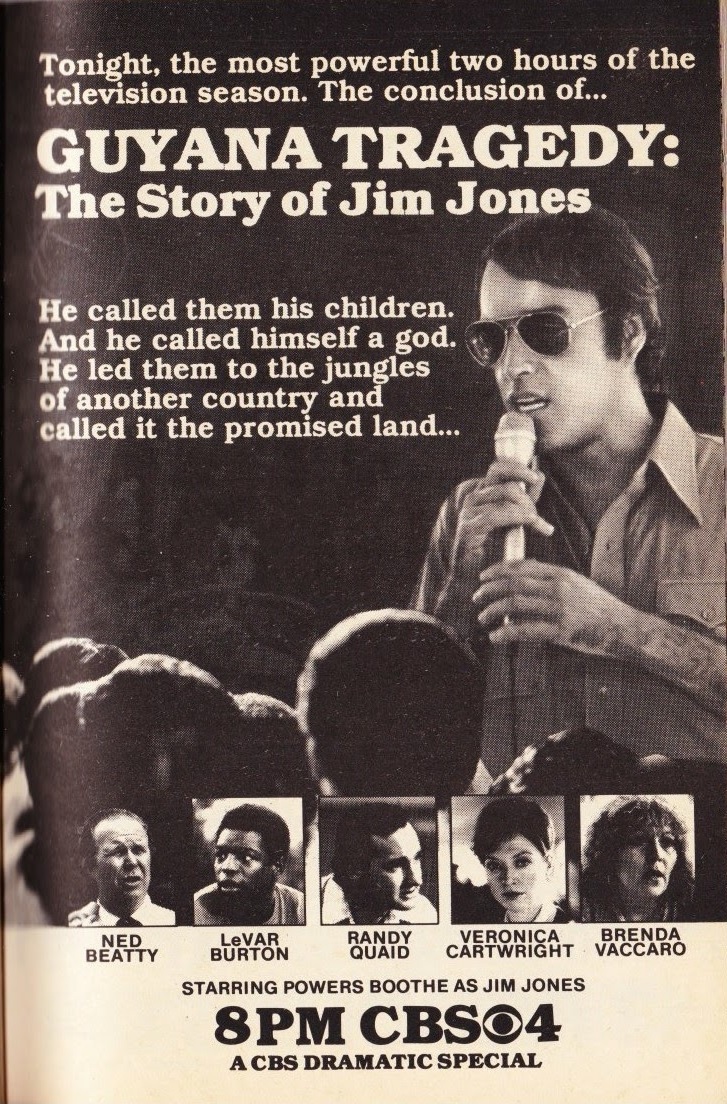
William A. Graham had been directing features steadily since 1967 when, after the Sounder sequel in ’76, he settled into life as a director of TV films, averaging two per year. During that time, he made telefilms that continue to pique my interest in this world of made-for-TV movies, films like 21 Hours at Munich with William Holden, The Amazing Howard Hughes starring Tommy Lee Jones as Hughes, the baseball film One in a Million: The Ron LeFlore Story featuring LeVar Burton, Guyana Tragedy: The Story of Jim Jones for which Graham was nominated for an Emmy and Powers Boothe won for his portrayal of Jones and M.A.D.D.: Mothers Against Drunk Driving, the story of the founder of that organization – launched three years previous in 1980 – that starred Mariette Hartley and Paula Prentiss.
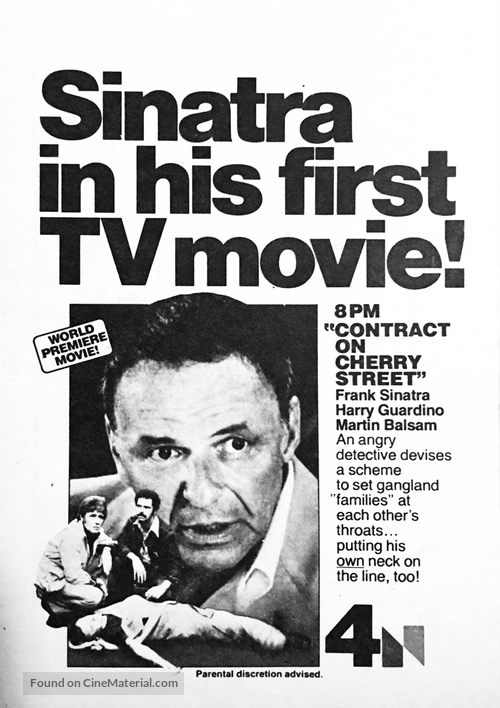
Most significantly from this era is Contract on Cherry Street, the 1977 telefilm that is notable as one of Frank Sinatra’s final film performances. Sinatra produced this movie and appeared in it with his friend, Henry Silva. It was Frank’s first acting role in seven years and he would appear on film playing a character only once more. This makes William A. Graham one of only three men to direct both Elvis Presley and Frank Sinatra. This fact is more than just a footnote in Graham’s career – this is significant.
Harry Tracy: Desperado (1982)
Graham returned to features working up here in Canada with this interesting film that tells the tale of real-life outlaw Harry Tracy. Alternately titled Harry Tracy: The Last of the Wild Bunch, this starred the ever-present and always welcomed Bruce Dern as Tracy and Canadian Helen Shaver (The Color of Money). Perhaps most significantly, Canadian music legend Gordon Lightfoot features as a U.S. Marshall. This more-than-competent film was shot in the woods of Alberta and British Columbia. Explain this to me; Lightfoot’s only other acting role was in a January, 1988 episode of the series Hotel that also featured Tippi Hedren and was directed by series star James Brolin. I’d like to know how that happened.
Here started William’s second hiatus from the big screen during which he was prolific on television. Consider this when evaluating a director like William A. Graham, a man who only helmed eleven features with none of them garnering much notice or audience attendance. During the 1980s, Graham directed telefilms and multi-night events that starred an impressive gallery of stars; Stella Stevens, Sharon Stone, William Shatner, Cybill Shepherd, George C. Scott (in Mussolini: The Untold Story mini series), Johnny Cash, Kris Kristofferson and Willie Nelson (all in The Last Days of Frank and Jesse James), Angie Dickinson (in a Police Story movie that lead to her series), Charlton Heston, Val Kilmer, Gena Rowlands and many, many more.
Return to the Blue Lagoon (1991)
Perhaps the straw that broke Graham’s back. William returned to features with this sequel that he produced and directed. The film carries on the story of a young boy and girl who are marooned together on a tropical isle. The first film, of course, is quite notable for its vilification by critics while still achieving box office success. Return to the Blue Lagoon is based on a novel by the same man who wrote The Blue Lagoon, Henry De Vere Stacpoole and his The Garden of God (1923) so the source is “legit”. Oddly, the screenplay was written by Leslie Stevens, most known for creating TV’s The Outer Limits and the Jack Lord show, Stoney Burke. Tellingly, Stevens would contribute the script for only one more film, one that starred a pig (Gordy, 1994). Return to the Blue Lagoon starred unknown Brian Krause and a 15-year-old Milla Jovovich in her first “adult” or starring role. Unlike Brooke Shields in the first film, Milla did all her own nude scenes.
It should be noted that the vivid scenery in the movie is captured quite well by William and his cinematographer Robert Steadman (Hammer, Good Guys Wear Black) but fine photography was not enough to save this. The movie may have seemed doomed from the start as it was a sequel released fully 11 years after the original, a film that had been savaged by critics. This sequel was a box-office bomb that was made for $11 million and recouped but $3 million. It garnered a handful of Razzie Award nominations and was considered “as ridiculous as its predecessor”. Perhaps all the hard work of a 70-day shoot in the jungle followed by an evisceration in the press helped William A. Graham decide to wrap up his time as a director of feature films. This would be his last.
The lost Last Generation, two sequels – one invisible, one much maligned – a Canadian film… This is the type of property handled by William A. Graham but this is not a comment on the abilities of the man. Quite the contrary; Graham proved himself as a director on the small screen and his feature films may not have been successful but they bear a distinction and an appeal that is not lost on many of us cinephiles.
And “TV movie” not being a pejorative, William A. Graham stands out as a craftsman who was able to steer properties of the small screen through to satisfying completion. And while his name may be unfamiliar to you, I hope I have made the case that Graham was more than up to the task of shepherding some interesting and distinctive casts through some engaging films.
- Adams, David. Interview with William A. Graham Change of Habit Director. Elvis Australia. (2020)

