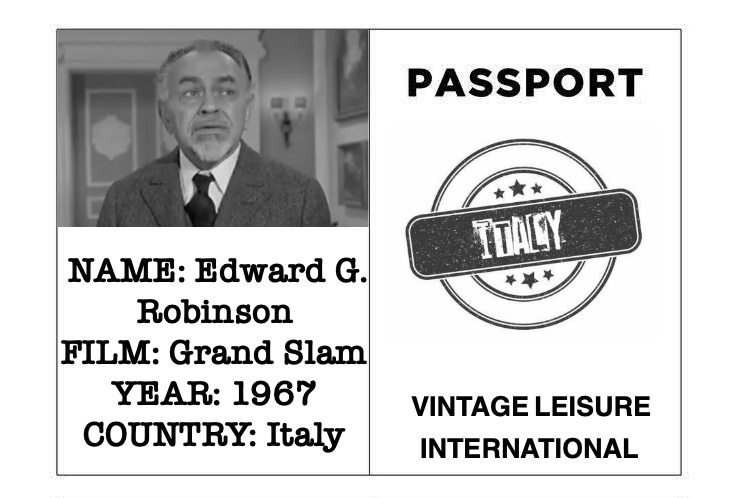
The Golden Age of Hollywood is loaded with American stars who took a break from the bright lights of La La Land to make films overseas. There were undoubtedly a handful of reasons for this but I fear that the main one was money. And also perhaps there was the enticing opportunity for actors to take on the types of roles they were no longer being offered Stateside. Whatever the reason, ExPat Cinema flourished in the late 1960s with many actors leaving their homeland to appear in international films. Some were at the outset of a career that had not yet gained traction while others went for the work – and, yes, the paycheque – in the twilight of careers of incredibly radiant trajectories. Some were straight-up icons like the subject of today’s discussion, Edward G. Robinson.
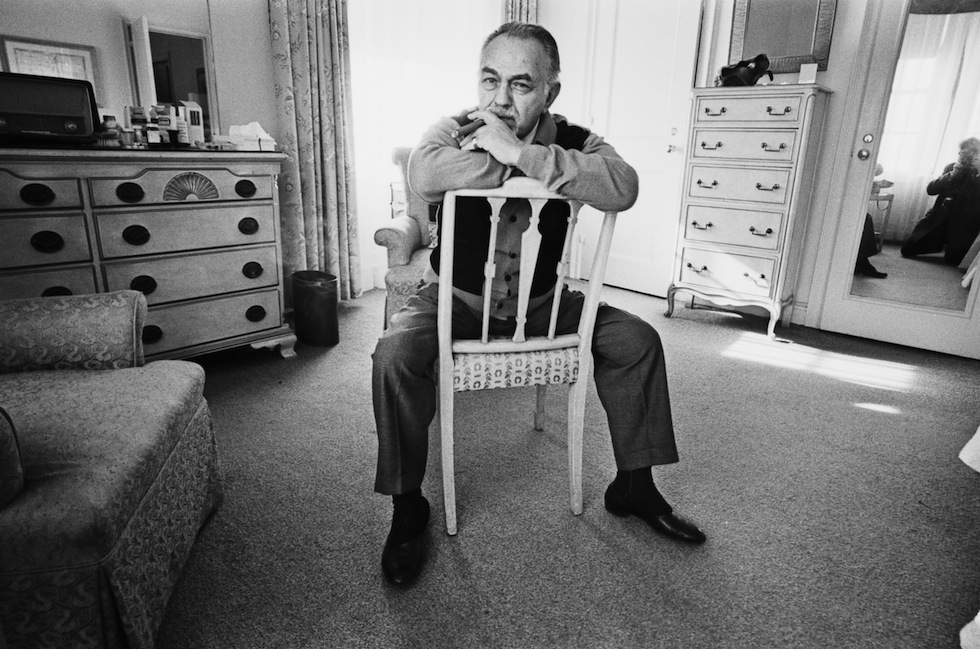
I don’t like to throw a word like “icon” around because terms like that get overused and therefore lose their meaning. Icon describes a “person worthy of veneration”. Veneration? “Great respect or reverence”. Not everybody is an icon; if you call everybody an icon the term suffers diminished significance like a star on the Hollywood Walk of Fame or a spot in the Rock & Roll Hall of Fame. Neither means anything anymore. All you lovers of classic film, though, would likely agree that Eddie G. qualifies for any superlative you want to use. More than just a great actor and engaging star, Robinson had a style that set him apart from basically every other actor in Hollywood through the 1930s and 40s. You would never mistake him for anyone else.
Robinson rose to prominence in 1931 with his legendary portrayal of the title character in Little Caesar and he really didn’t have to do anything else but he did and lots of fine films followed. After 1948’s classic Key Largo, Eddie settled in to good work in many films noir and the odd character role in high profile movies like The Ten Commandments, Robin and the 7 Hoods and Cheyenne Autumn. Then in November of 1966 Robinson traveled to work with the Italians in a film shot in Brazil, Paris, Rome, Barcelona and New York City.
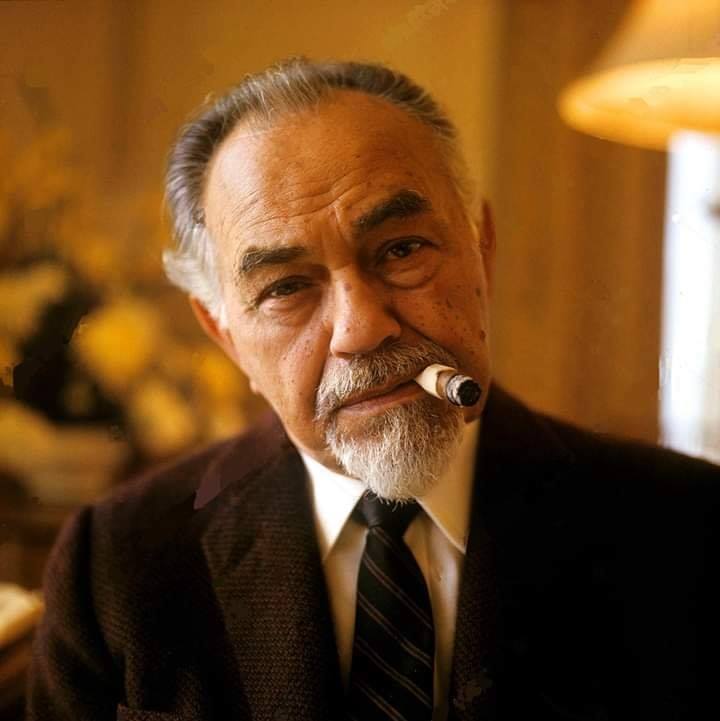
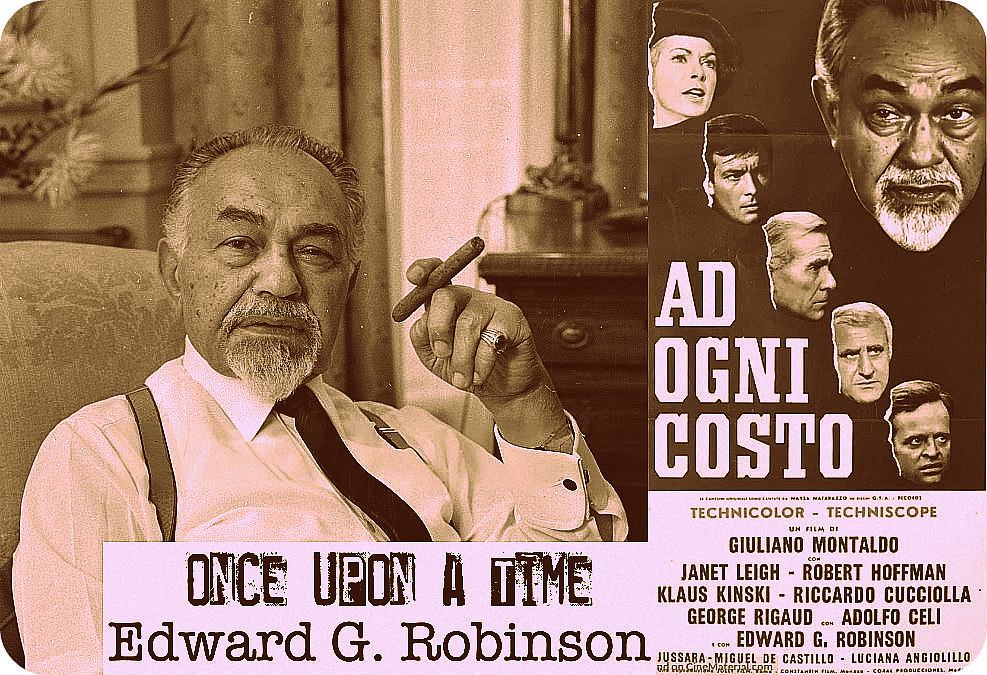
Ad ogni costo or Grand Slam is a 1967 Italian, Spanish, West German film that was written by no less than six Italian men who contributed to scores of films through the Sixties and Seventies and was directed by Giuliano Montaldo, a nondescript Genoese filmmaker who made only a couple dozen films but those stretched over 50 years. The film is noted for Janet Leigh in the starring role, this after she had returned from a brief hiatus from film. She came back with a flurry, making four films in 1966 and then heading to the Continent to make our film. Also of the party is bonkers Klaus Kinski who had already been seen in The Counterfeit Traitor, For a Few Dollars More and Doctor Zhivago. Ad ogni costo was his fifth film of 1967; cat was in over 120 films in his career, over half of them between 1963 and 1971, a stretch when he made 8 a year on average. Rounding out the cast of notables is Sicilian Adolfo Celi who is best known for his portrayal of Emilio Largo in Thunderball but you can also catch him in Frank’s Von Ryan’s Express, Grand Prix, Danger: Diabolik and he was considered for the role of Don Vito Corleone that eventually went to Marlon Brando.
Ad ogni costo is a heist film. Professor James Anders (Robinson) is misty-eyed as he says goodbye to 30 years teaching history in Rio de Janeiro. He waves to the kids seeing him off at the airport and flys directly to New York City to see his old friend, crime boss Mark Milford (Celi). Seems that for years now, Anders has been watching the transactions at the diamond merchants who have a window right across from his classroom’s and he has been hatching a scheme to rob them. He needs a crew and Milford sets him up. One pertinent part of the plan involves a key for the vault that only a diamond company employee, Mary Ann (Leigh), has and so it is one member of the team’s tough job to romance her and somehow get the key out of her purse.
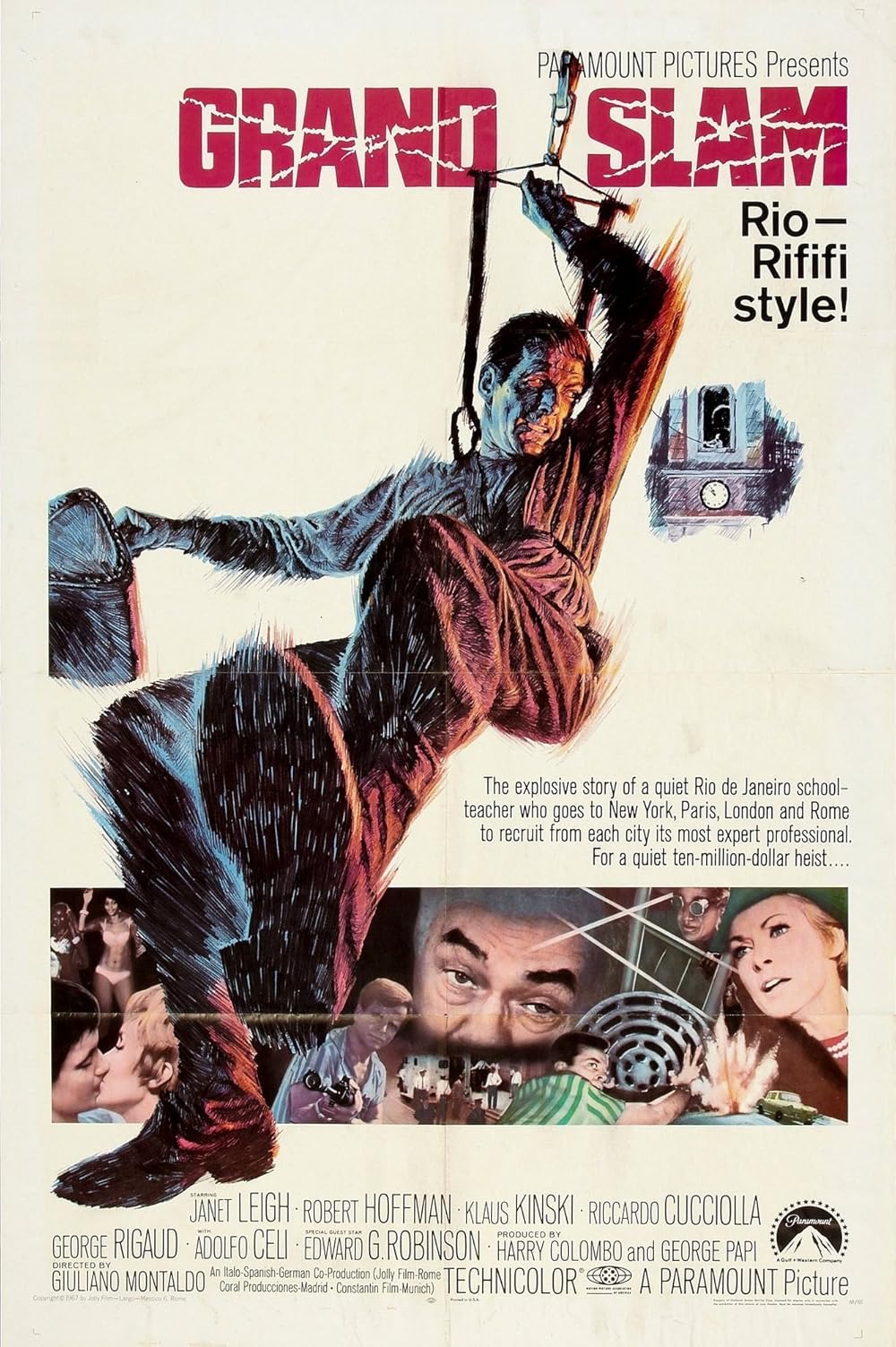
A problem arises when the gang realizes the diamond company has employed the Grand Slam 70, a set of ultra sensitive microphones that will pick up any noise outside the safe, noises like footsteps or drills. Ingenuity wins the day, though, and the crew manage the heist but not without some tense moments. As they attempt to flee Rio with their ill-gotten gains, they run into the inevitable complications until they reach an ending no one could have foreseen.
This is actually a really good movie that features excellent footage of the Rio de Janeiro of the late Sixties. Edward G. Robinson is only in the very beginning of the film and the very end; he’s only along for the set-up and for the wrap-up. Janet Leigh is about to turn 40 years old here and though she looks stunning her character plays it very prudish until exhibiting a complete turnaround when she seems to fall heavy for Jean-Paul, played by Austrian Robert Hoffmann. Jean-Paul cracking the ice queen is essential to the success of the plot and it seems so unlikely to happen; so much so that you will really raise an eyebrow when she succumbs. The heist itself is well plotted with long stretches of silence and there are a few anxious minutes. Speaking of the silence, Ad ogni costo is maybe the only film score by Ennio Morricone that I’ve encountered that is totally without personality and is not worthy of note. Late in the film I remembered he had done the score but realized I had really noticed none.
Unseen Trailers
The ending had me concerned as it is often the case that a film will either live or die with how it is wrapped up. This one seemed to be ending poorly – until a huge, final reveal that I quite enjoyed. But then the final moments were a real gut punch and left me gobsmacked and shaking my head for some time afterwards. Final verdict is that the ending works and the script scores major points for bold choices during the finale.
After Grand Slam, Eddie G. continued working in international films, domestic TV films and US theatrical releases. He saved one more notable film appearance for his last and released after his death was the compelling Soylent Green starring Charlton Heston in which Robinson gives a heartfelt performance as college professor Roth who seeks assisted suicide in a government clinic. Robinson died 3 months after filming his final scene depicting Roth heading off to “the home of God”.
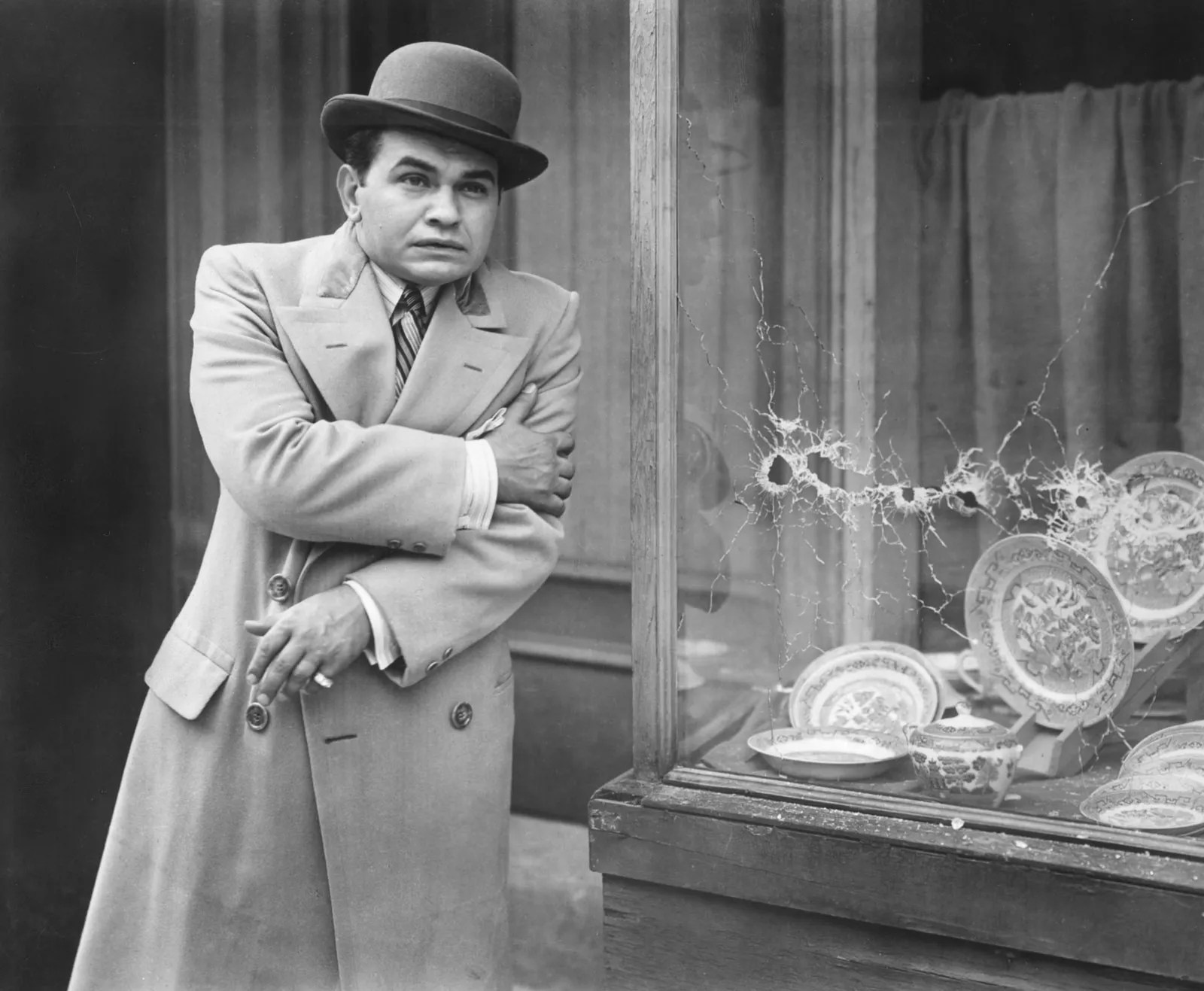
Despite today being a legendary figure from the golden age of Hollywood, Edward G. Robinson was never even nominated for an Academy Award – which supports my stated claim that the Oscars mean nothing anymore and never did mean a whole lot. He was selected for an honorary award near the end of his life and he gratefully embraced the statue that was handed to him as he lay in a hospital bed near death, dying two months before the ceremony that year took place. And in contrast to his granite-hard gangster roles, he was a quiet, cultured man in real life. He was politically active and ran afoul of HUAC because of his political views, often speaking out against discrimination and segregation, fascism and Nazism. It was his charitable nature that got him into hot water; he was surprised to learn that 11 of the 850 charities that he contributed to had been listed as “Communist front organizations by the FBI”. He was called to testify and subsequently “graylisted”, making it hard for him to find decent work through the Fifties. Sad to think that he was marginalized because he had donated to charities; think about that.
He handled the storms with poise and grace and was a class act to the end. Added to the great films made at the height of his extraordinary career are at least one gem he made overseas, a great example of ExPat Cinema, the tidy little heist film, Grand Slam.


Love me some Eddie G! One of the best to ever do it. This was a great read, Gary.
Thank you. I have his memoir and always think it will be a “heavy” read. But after learning more about him I’m excited to crack it open.