Elvis (2022)
Austin Butler and Tom Hanks
Director Baz Luhrmann
Warner Bros. Pictures (159 mins)

In the wake of the highly anticipated release of Baz Luhrmann’s biopic of Elvis Presley in June of 2022, I issued a few thoughts on the movie. I had to rely on notes I had surreptitiously taken on my glowing phone in a darkened theatre but I was able to relate my major takeaways from initial viewings. Fast forward to the following summer and I made the purchase of Elvis on Blu-ray and watched it on the Saturday night of Elvis Week, August 2023. My feelings haven’t changed too much but I thought it was time for a deeper dive.
Firstly, the movie is quite good. It will be entertaining for non-fans and it should be considered “acceptable” to more ardent Elvis People. There are, though, a few things that we will get into that will cause consternation to more discerning students of Elvis World. But, generally speaking, the film comes from an earnest and appropriate place. And it is an eyeful.
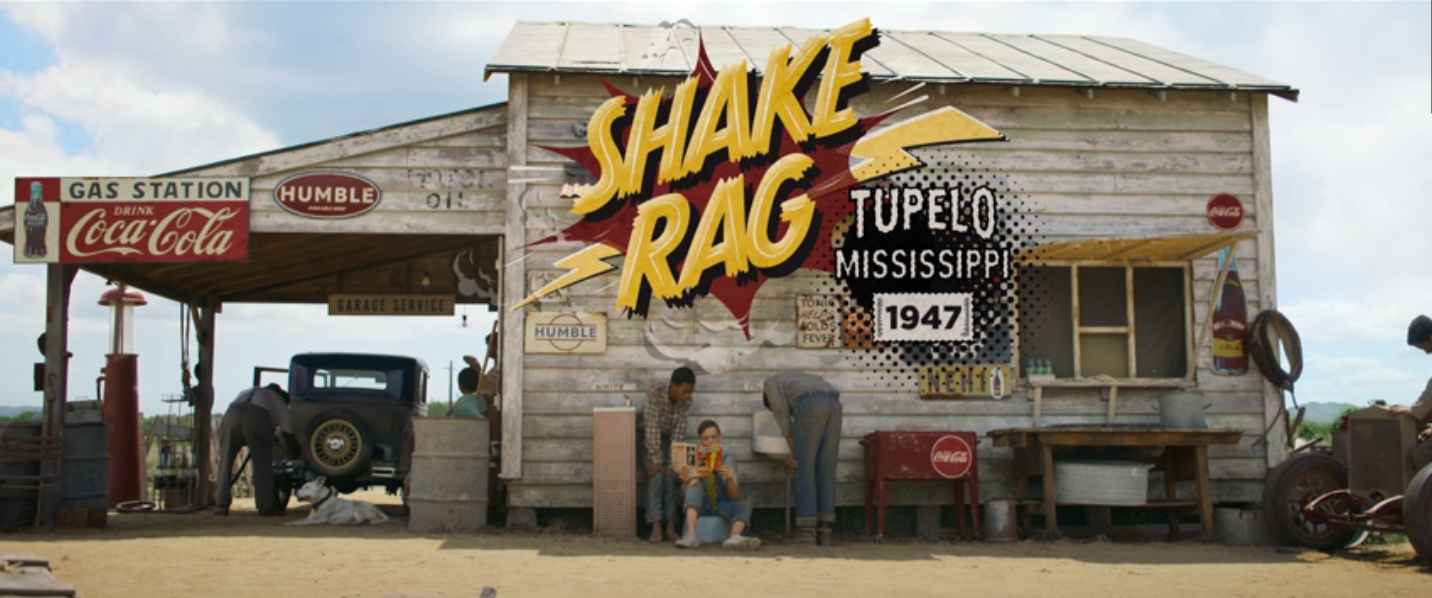
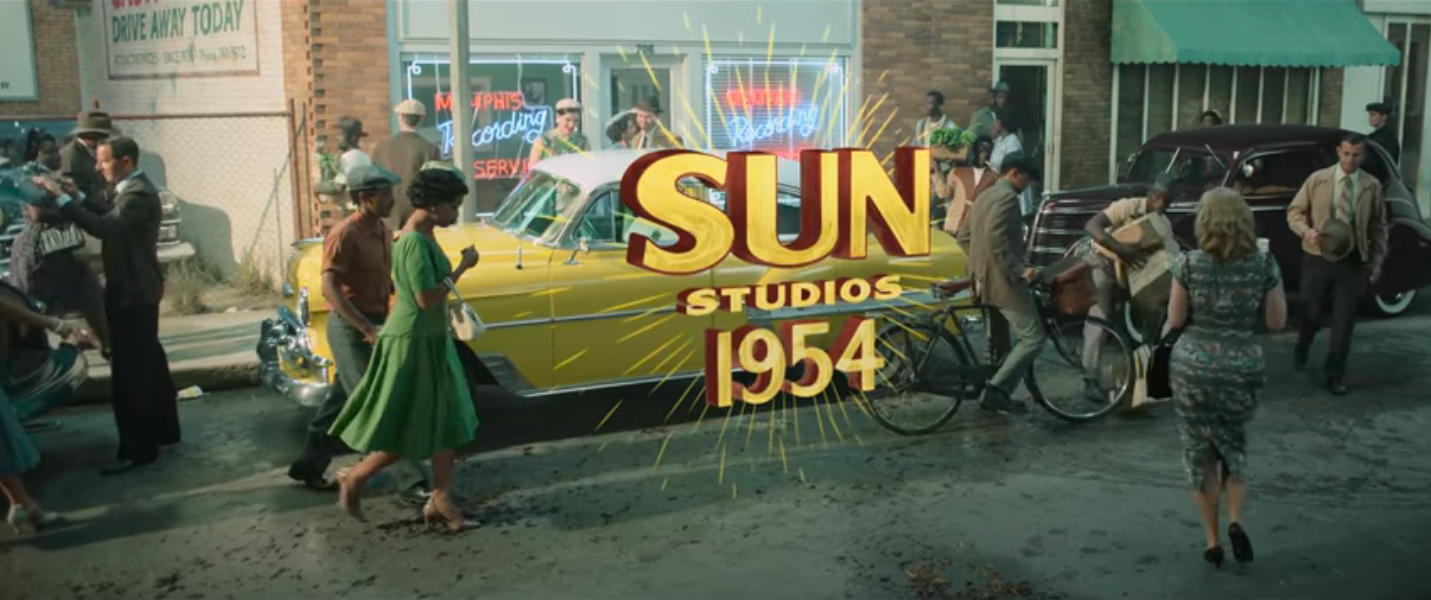
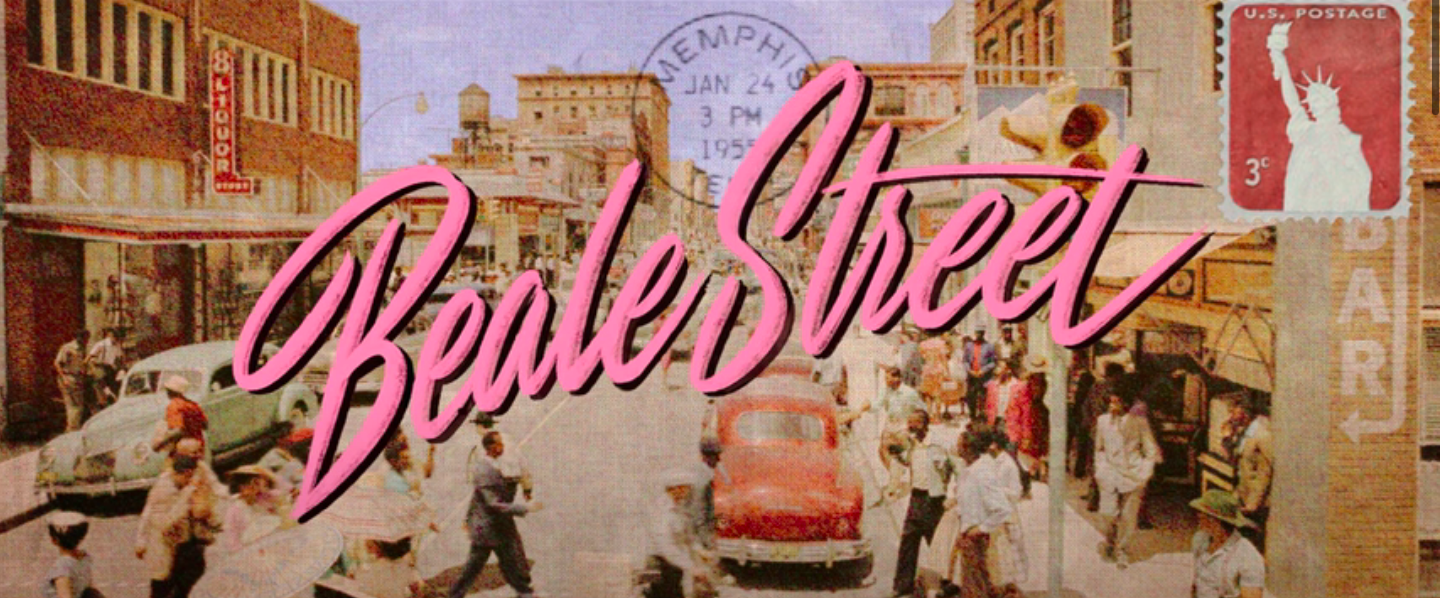
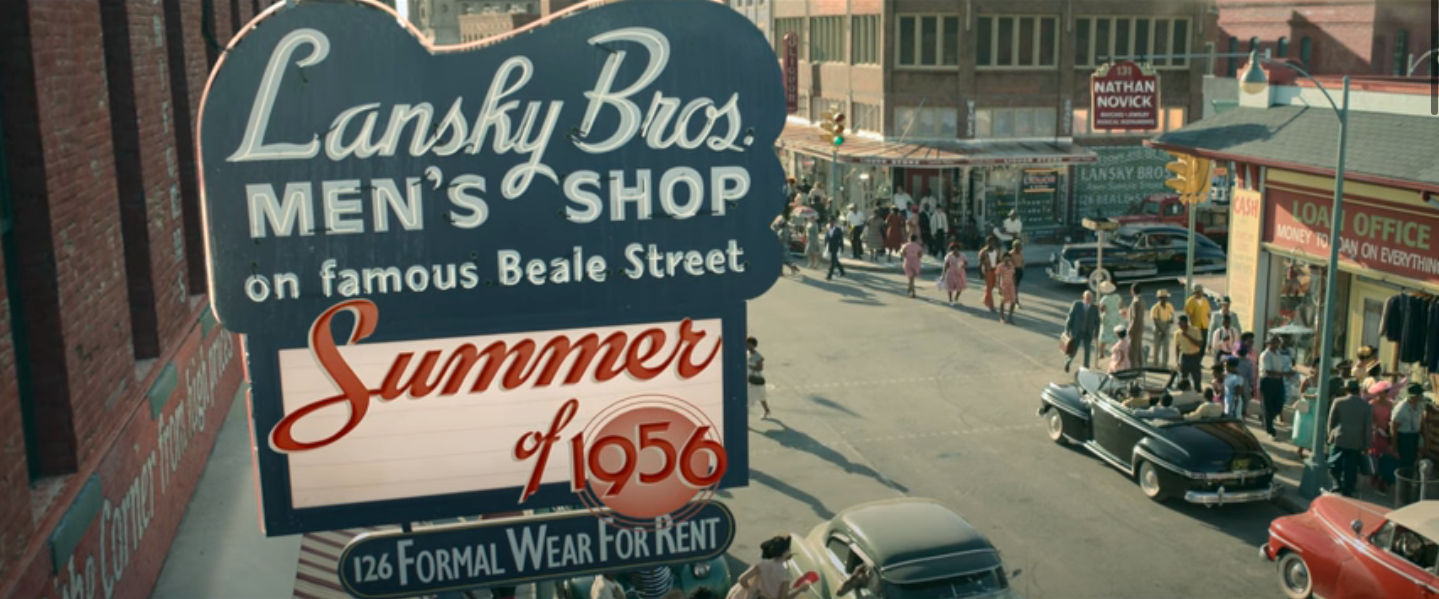
Elvis is nothing if not a visual spectacle. The production design, the sets, the effects and the costume design all sparkle brightly. Lurhmann’s visual techniques include comic book graphics and placing location names in large letters on screen and the recreations of Graceland and Highway 51, the International Hotel, Beale Street and other locations are breathtaking to behold.
There are things that I would consider “wrong” in the movie, though many of them small and understandable when taking a sprawling life story to the big screen. But there are a couple of things that seem egregious that bothered me in the theatre and still bother me now. Presley was a wild man in ’56 and people were taken aback. There was backlash and outrage. Canny Steve Allen did indeed poke at all this by presenting on television a sanitized Elvis in a tuxedo. However, the whole idea of “New Elvis vs. Old Elvis” is not only fabricated for the film but is something I find ridiculous.
Never was it such a thing – fans gathering at Graceland to protest and demanding a return to the old, feral Elvis. Never was this a major conundrum and never did Presley have to consider changing his style to ward off criticism from the establishment. This concoction makes this part of the film hard for Elvis People to take and it’s not simply there and gone in the story. The Elvis of the film takes the weight of this situation into the concert at Russwood Park. In the film, Colonel is pushing him to stand still on stage so that they can appease polite society and get on with making money. This presents Film Elvis with a contrived monumental moment of decision, appropriately exaggerated for the movie. It seems to me to be a device by which the viewer can appreciate Elvis the Warrior, Elvis the Champion over those who were critical of him. Audiences are expected to cheer when he shows people the Real Elvis by tearing into “Trouble”, a song that is lyrically appropriate but incongruous in the Elvis Timeline. Here is the only part in the film when Austin Butler’s moves as Elvis on stage become overwrought and perhaps too violent. But more on that later.
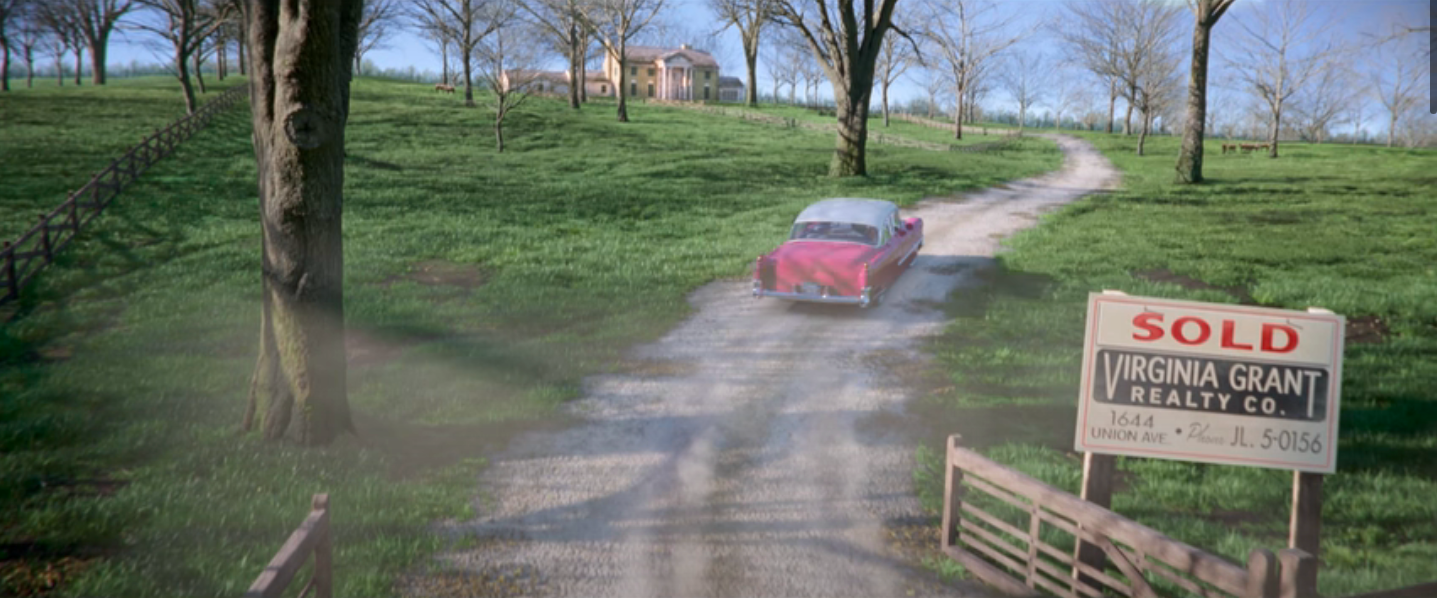
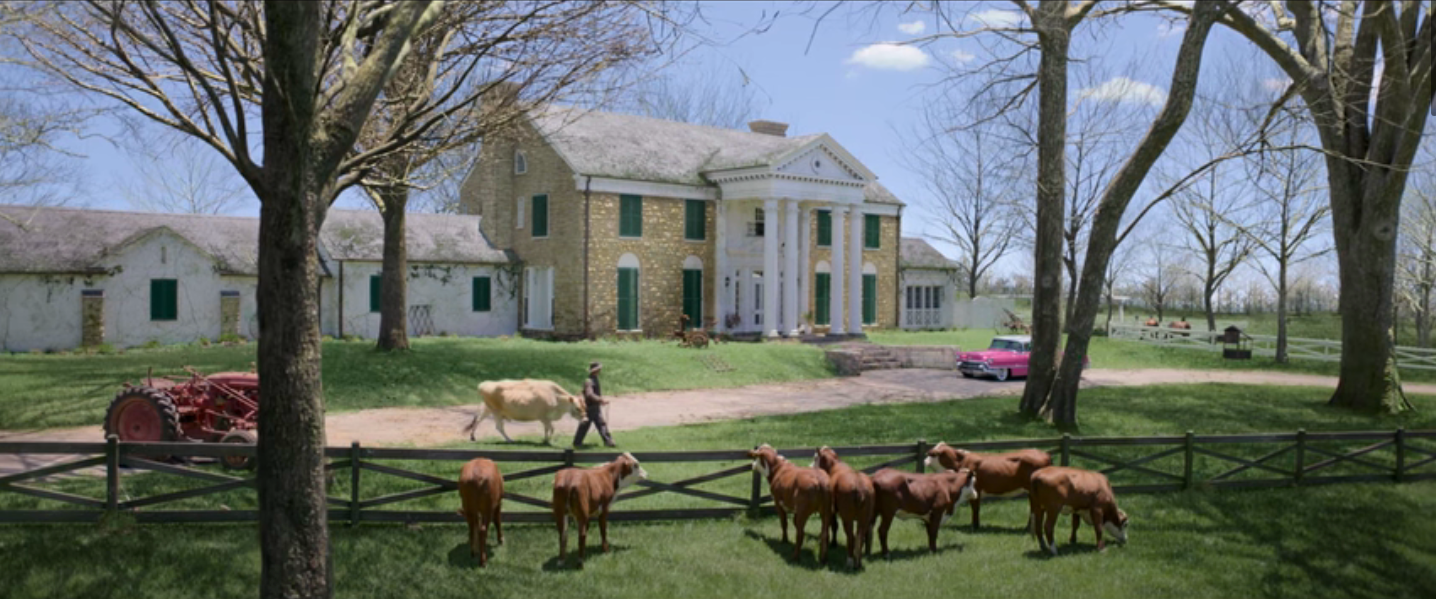
This event in the film may be acceptable if you consider that the filmmakers are condensing events to depict the fact that Elvis was who he was in the 1950s and did not change for anyone, fine. But what makes it worse is that the screenplay uses the outrage of the Russwood Park show to depict Elvis and the Colonel getting in trouble with lawmakers. The idea in the film that Elvis has one foot in a jail cell is preposterous – as the B. B. King of the movie suggests. Tom Hanks as Colonel Tom is faced with the (utterly fictional) prospect of his meal ticket actually going to prison. The Colonel of the film then delivers the line that almost made me leave the theatre upon first viewing; “I had to find a way out. A way to save him”. Cut to Colonel talking to the family in the Graceland living room while Elvis stares at his draft notice. “It’s either the Army or jail”, Parker says. This leaves the viewer no choice but to assume that Parker’s “way out” is Presley becoming an honourable, All-American boy by serving his country. The idea that Col. Tom Parker somehow engineered Presley being drafted is a ludicrosity. So, the first hour and 4 minutes of the film contains this nonsense and, much earlier, Gladys Presley looking up at the full moon and saying “Jesse’s shining bright tonight”, a foolish way to incorporate the family’s memory of their lost son and brother. These things concerned me but the telling of the story got much better. Except for “The Sweater”.
Also not entirely genuine is how strongly Colonel pushes for the “68 Comeback Special” to be a Christmas program. All the winter street scene sets constructed, Parker butchering Christmas song titles while talking to Singer sewing machine execs and his pride and excitement over the Christmas sweater Elvis will wear while singing carols is constructed out of whole cloth by Baz and his writers. What saves this element though is the stunning accuracy with which the special is recreated.
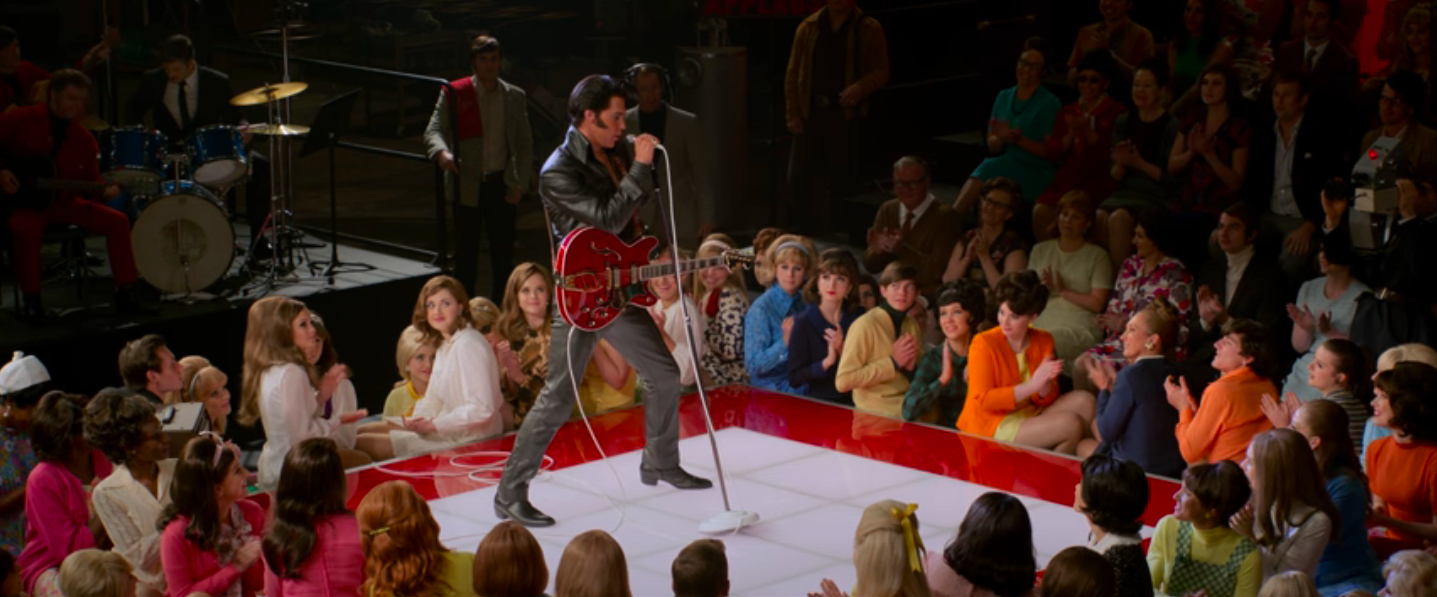
The final complaint ties in with the overall tone of the movie, something we’ll discuss later. In Elvis, Presley is almost completely taken off the hook for his drug use. It is understandable perhaps that Presley’s abuse of pharmaceuticals is not at the forefront of the film. If you told me that the screenplay chose not to get down in the gutter and talk about such things but instead chose to celebrate a man and his art, I’d buy it. But the screenplay is slightly misleading in this respect. In the film, the Colonel at one point says that Dr. Nick – out of his drug bag – will ensure Elvis’ rest. Dr. George Nichopolous was on King’s payroll partly for his ability to prescribe meds. In reality, Parker wanted to distance himself from the true knowledge of Presley’s dependancy and in my opinion would have been loathe to specifically mention Dr. Nick’s administerings; he certainly wouldn’t have mentioned them as an instruction or as a part of any procedure.
And then there is the significant scene depicting Elvis’ collapse in the hallway before a show and a nurse suggesting he should be in the hospital. The Colonel dismisses any health concerns and says that the only thing that matters is Presley getting up on stage – even though he is laying incoherent on the floor. It is then put to Vernon Presley. While the Presley pater’s complicity and reliance on Colonel is accurately depicted, he is also shown to suggest Dr. Nick just drug his son up so he can perform. EVERYONE pumps drugs into Elvis, then – except Elvis himself. This is basically the opposite of real events. Elvis himself is to blame for his use of prescription meds and it is disingenuous to suggest others encouraged the drug use to keep things rolling. Add to this the scene depicting Elvis realizing he has to retain Colonel as his manager. Intriguing that, as he accepts his fate, Elvis closes all the curtains in his suite creating a sort of tomb for himself. But then he says “Tell Colonel to send up Dr. Nick”. This line – delivered just when it is – suggests to the viewer that poor Elvis has no choice, he HAS TO use. There is just so much more to it than that and a lot of what there is to it has to do with poor decisions Elvis himself made regarding his health and how he sought to medicate himself.
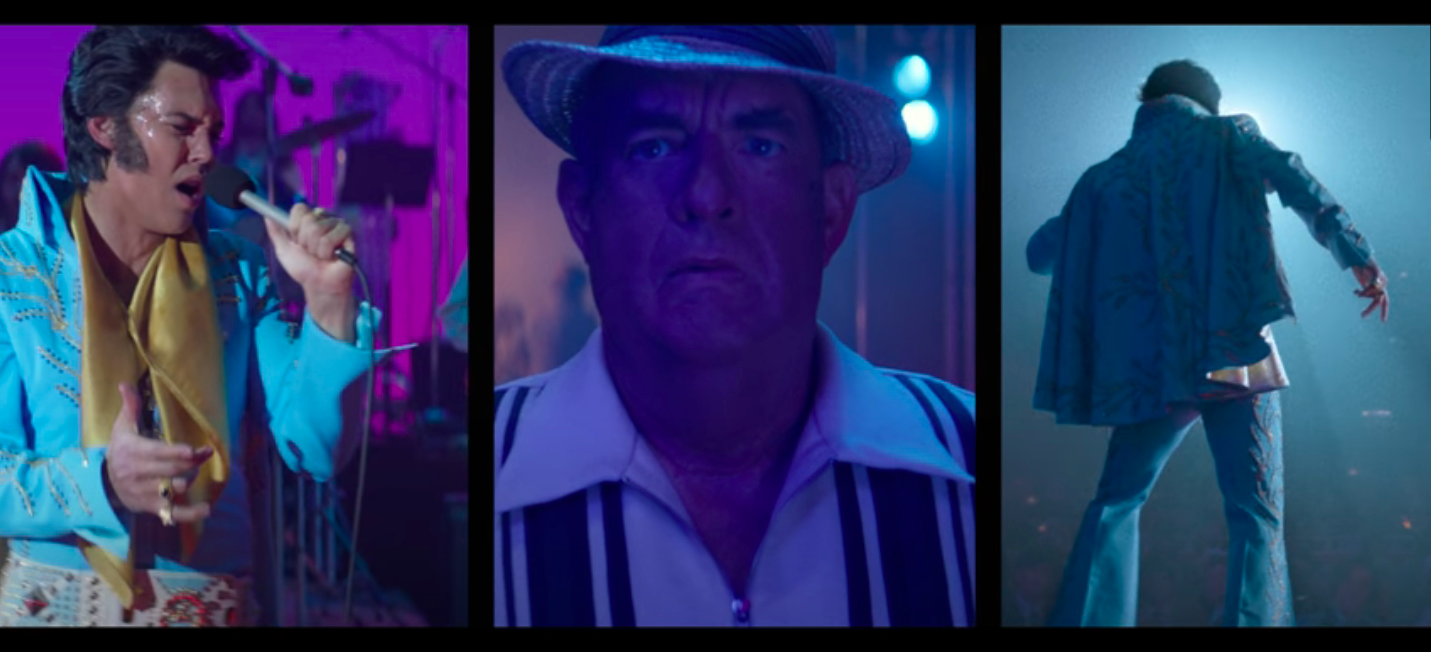
But the good things – the things the film does well and/or “gets right” – far outweigh the negatives. I enjoyed the use of the same split-screen device that was used in Elvis on Tour and the method of explaining the youthful king’s exposure to both gospel and blues is sound. This certainly was a unique fusion and the film displays it well. Explaining this fusion, in fact, is key to the whole story and key to understanding Elvis Presley and his music. For the film to have failed here would’ve been catastrophic; thankfully, this aspect is depicted cleverly and accurately. What is also depicted well is the effect of Elvis’ stage moves on the girls in the audience of the Louisiana Hayride. It is hard for audiences of today to fully comprehend the impact a performer like Presley had on people, particularly young women. Lurhmann uses a playful and comic technique but one that drives home the seismic reactions to his stage presence and allows today’s movie-goers to appreciate the phenomenon.
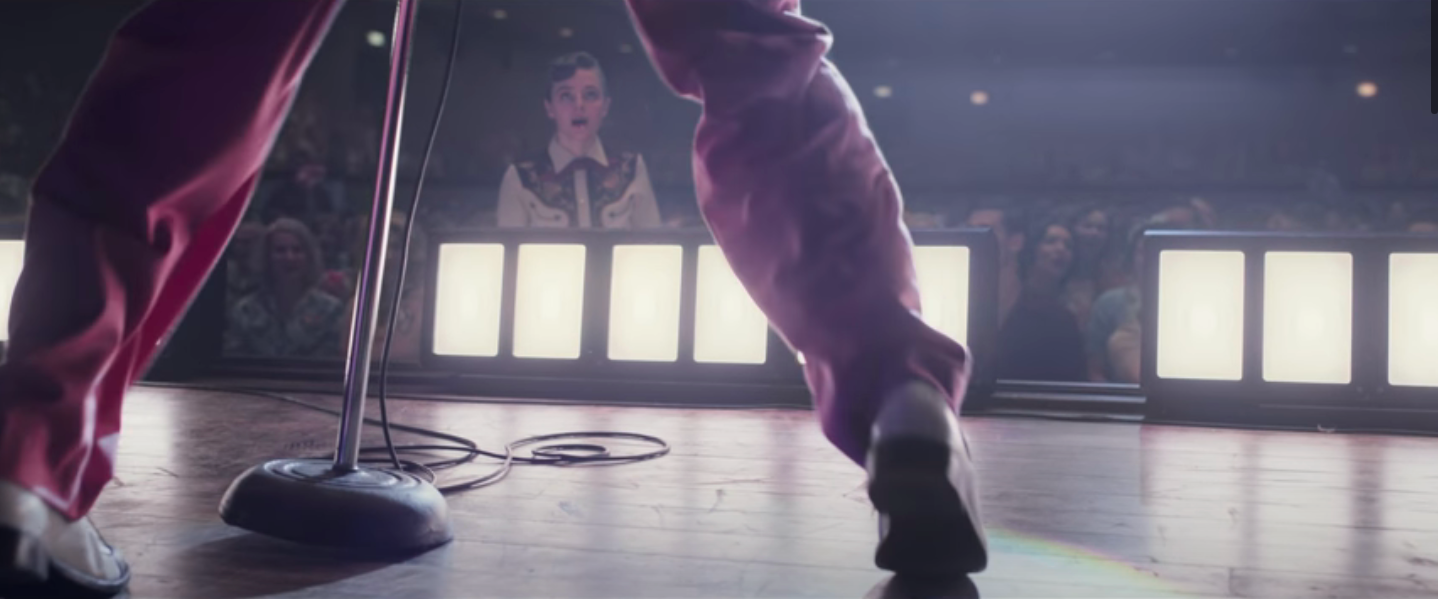
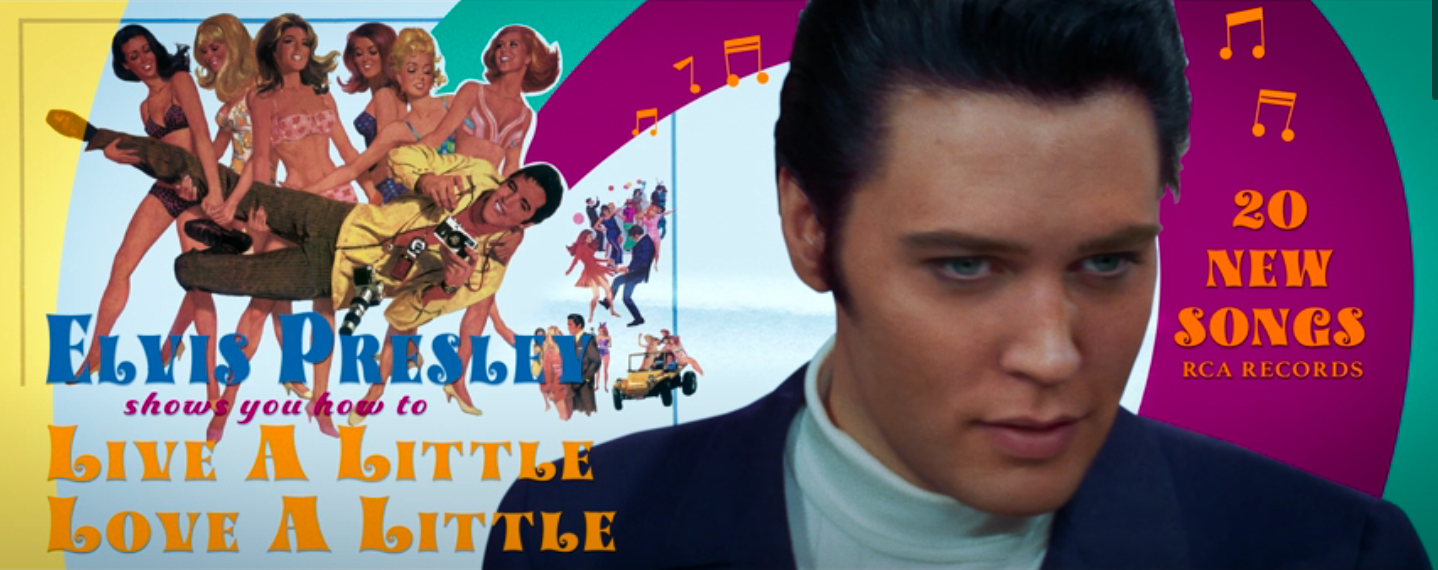
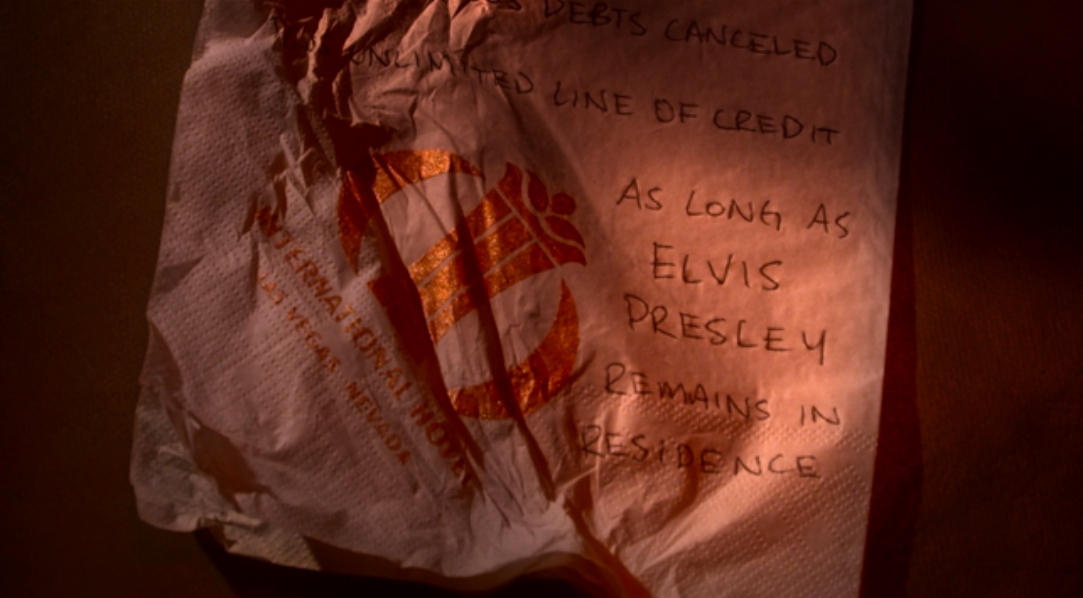
Also fun are the montages, particularly the one that presents Elvis’ career in Hollywood. It’s a clever technique to make the telling similar to the films themselves. The Memphis Mafia’s introduction is well done and I noted that when Jerry Schilling is introduced, he hands Elvis a football. The two had met years earlier on the Memphis gridiron. There is a bit of a jump though from Presley in Flaming Star in 1960 to Elvis in Live a Little, Love a Little in ’68; though I’m happy that this latter film – one of my favourites – is on display. Also compellingly and accurately depicted is the Colonel consigning Elvis to servitude to the International Hotel for years to come. Presley will be paid handsomely, the film shows, but Parker will also make out like a bandit. This is particularly infuriating to watch. And all the while, King is on stage singing about being caught in a trap.
Speaking of Presley’s music, I was stunned on first viewing when – only THIRTY SECONDS into the movie – I hear “Edge of Reality”, a deeper cut from a great film. This song and its theme of reality obscured ties in with the carnival theme, the hall of mirrors and Parker’s chicanery. Then, only 9 seconds later, we hear “Cotton Candy Land” – sung by Stevie Nicks, no less. This trite ditty from It Happened at the World’s Fair takes on a sinister tone the way it is presented. And you’ll notice the lyric is tweaked; instead of “sandman’s coming”, it’s “snowman’s coming”, a nod to the Colonel’s Snowmen’s League of hucksters. So, not 40 seconds into the movie and I had to give points for the unearthing of these two songs and their canny usage.
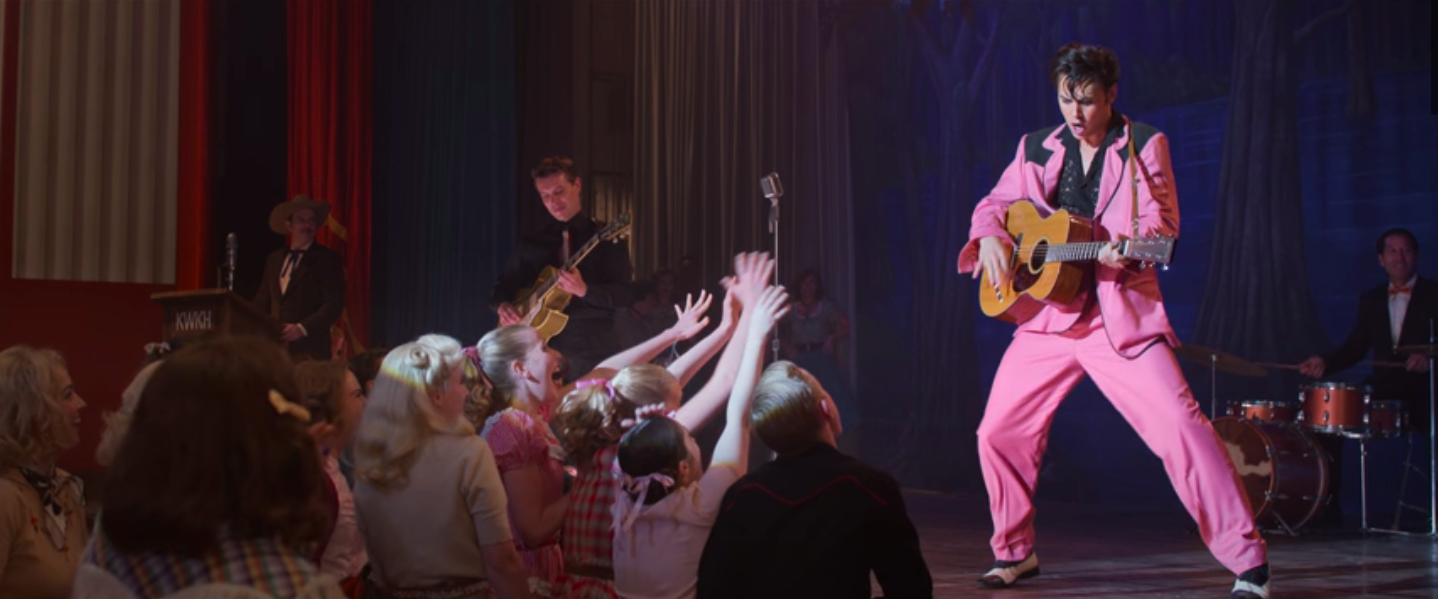
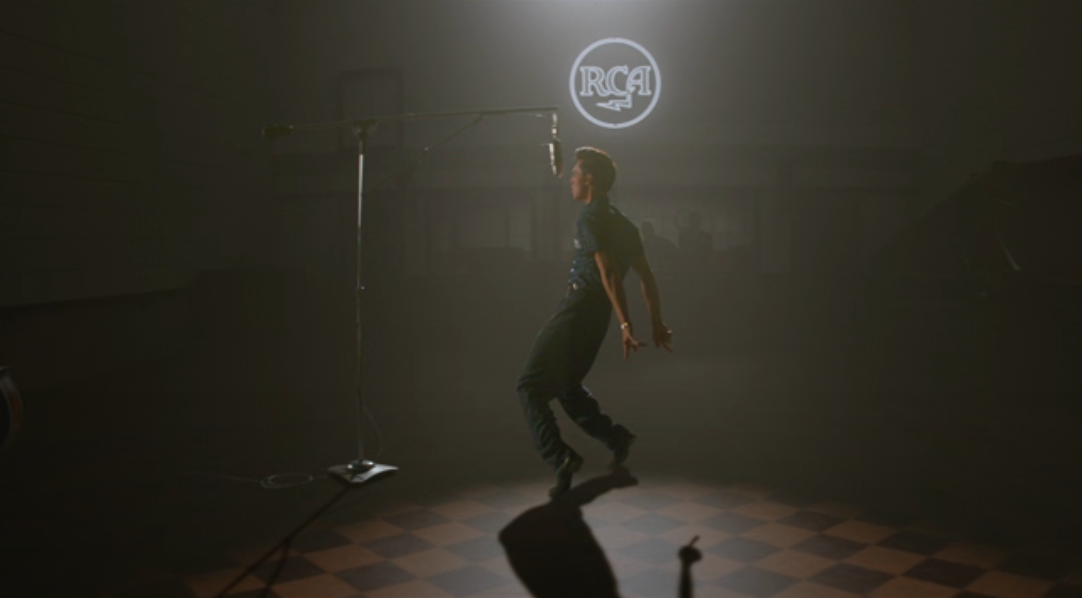
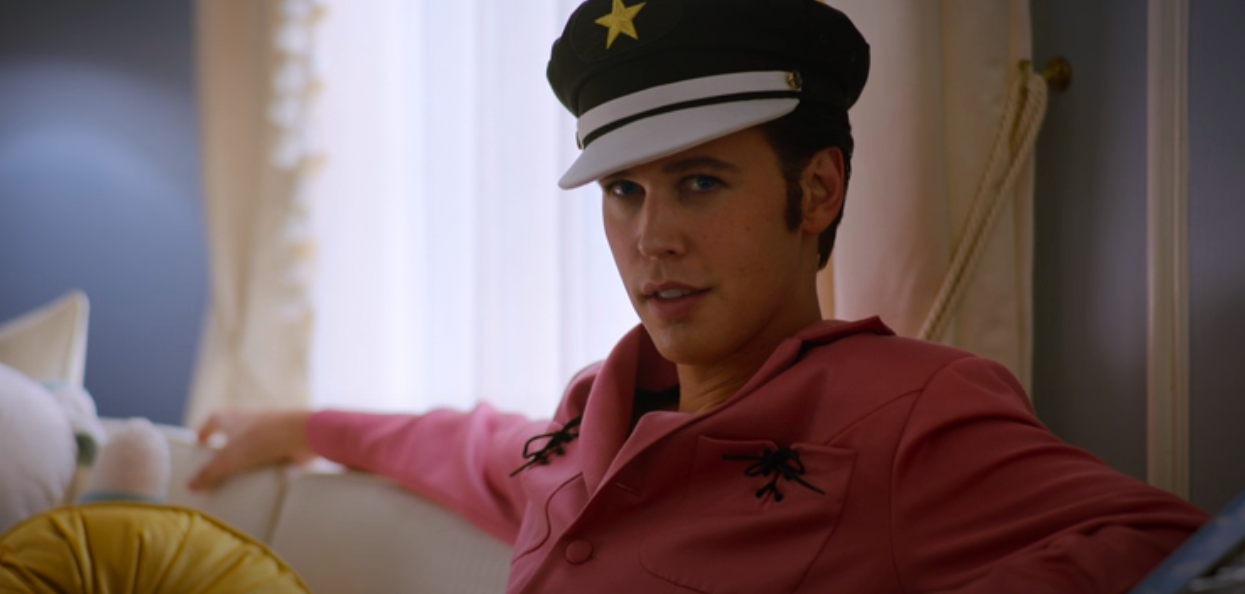
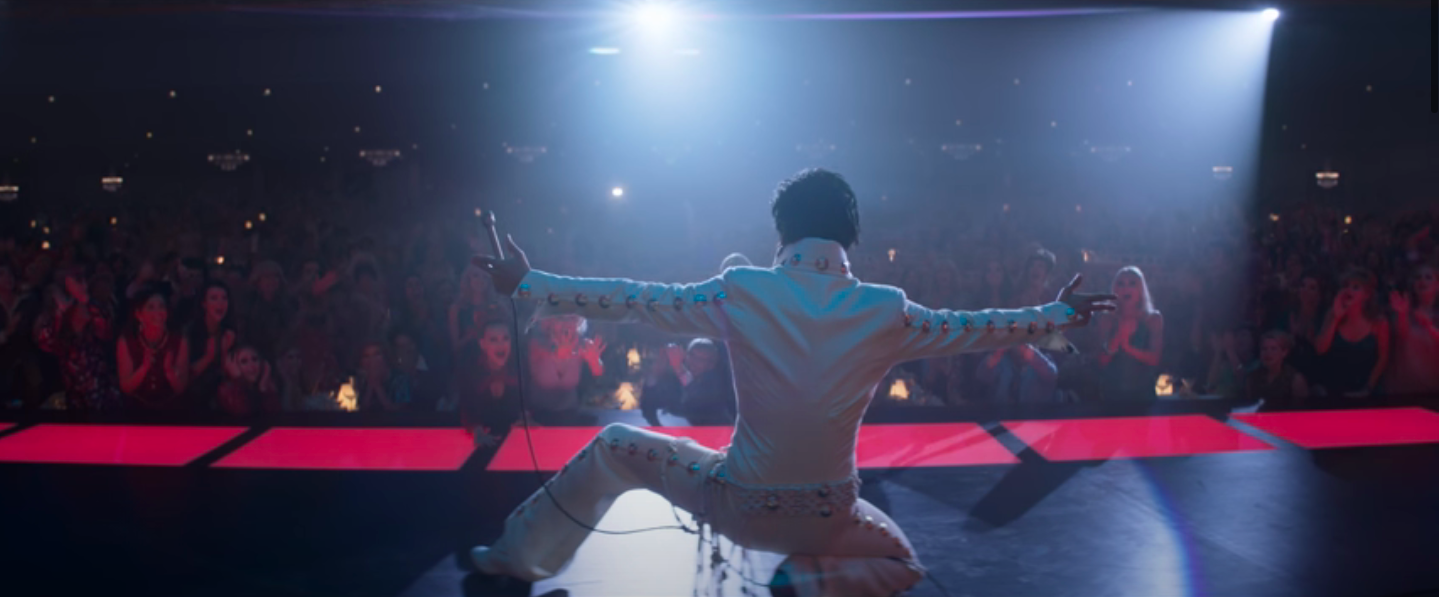
Any movie about Elvis Presley lives and dies with the person who portrays him. We’ve seen a lot of people play the King but I think it is safe to say that no one has ever gone to the place that Austin Butler goes. Much ink has already been spent praising his performance but it is truly uncanny. In fact, watching Butler will make you forget anybody else’s attempt and it shows the viewer that – compared to Butler – no one has ever really got it right. From his speaking voice and his accent, to the way his shoulders move when he walks to the most difficult to emulate, Presley’s stage movements. Watch particularly when Elvis bolts from Graceland and heads down to Beale St. to Club Handy. Watch his gestures as he motions to B.B. King and makes his way from his car to the club’s door. Unreal. While there is no end of footage extant to be studied, one still has to replicate what has been preserved down through the years. Butler thoroughly nails it. We Elvis People are protective of our boy in many ways. To learn how deeply Austin immersed himself and virtually became Presley gives us much satisfaction. Right down to the reports that, long after shooting had completed, Butler was still talking and moving like King. We really should be grateful to Austin Butler – he honours Elvis and for that we owe him.
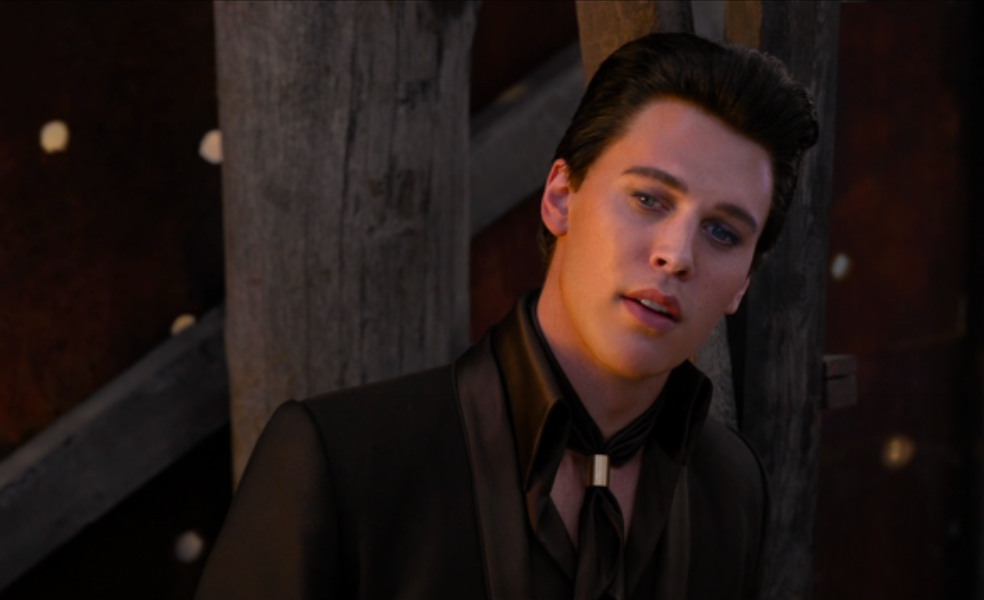
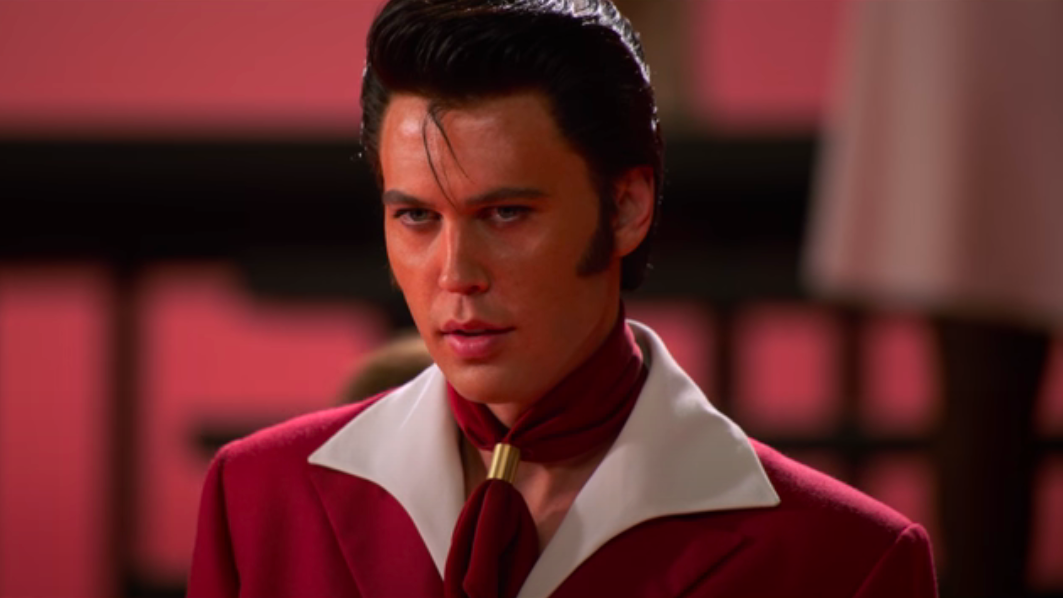
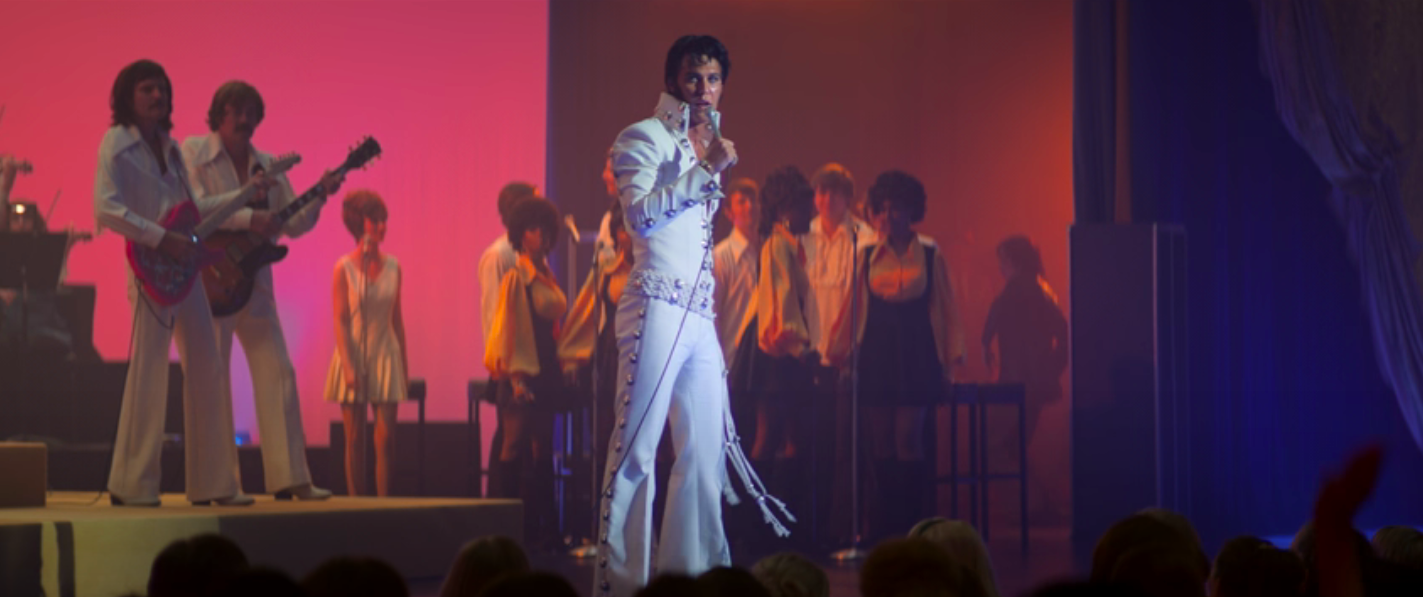
A couple things worth noting – nice to see Star Trek show up in two different eras in the film, early on you’ll hear a supposed excerpt from court proceedings looking into Parker’s dealings with the estate stating that his overreaching “shocks the conscience of the court”. This is authentically verbatim and more about this can be learned in my article on the Memphis lawyer who extricated Presley’s heirs from the Colonel. Though the always excellent Tom Hanks is, in a way, overshadowed by Elvis/Austin, he does well and Colonel is the deliverer of two key points in narration. By way of explaining Presley’s film career, Parker says “he was as good as Brando but you didn’t want to see him in movies when he didn’t sing” which is coldly accurate. Additionally, in the closing moments, Parker explains King’s demise; “I’ll tell you what killed him. It was love. His love for you”. While it may not be that simple, it’s essentially true that Presley continued to seek communion with his fans even as his health deteriorated. Lastly, Elvis’ grandmama, Dodger, is perfectly cast – Vernon’s mama would outlive them all – Elvis would never have lashed out at Parker on stage like we see in the film but what is genuine is the way Presley built his sound when he returned to live performance in 1969 and that is depicted well on screen.
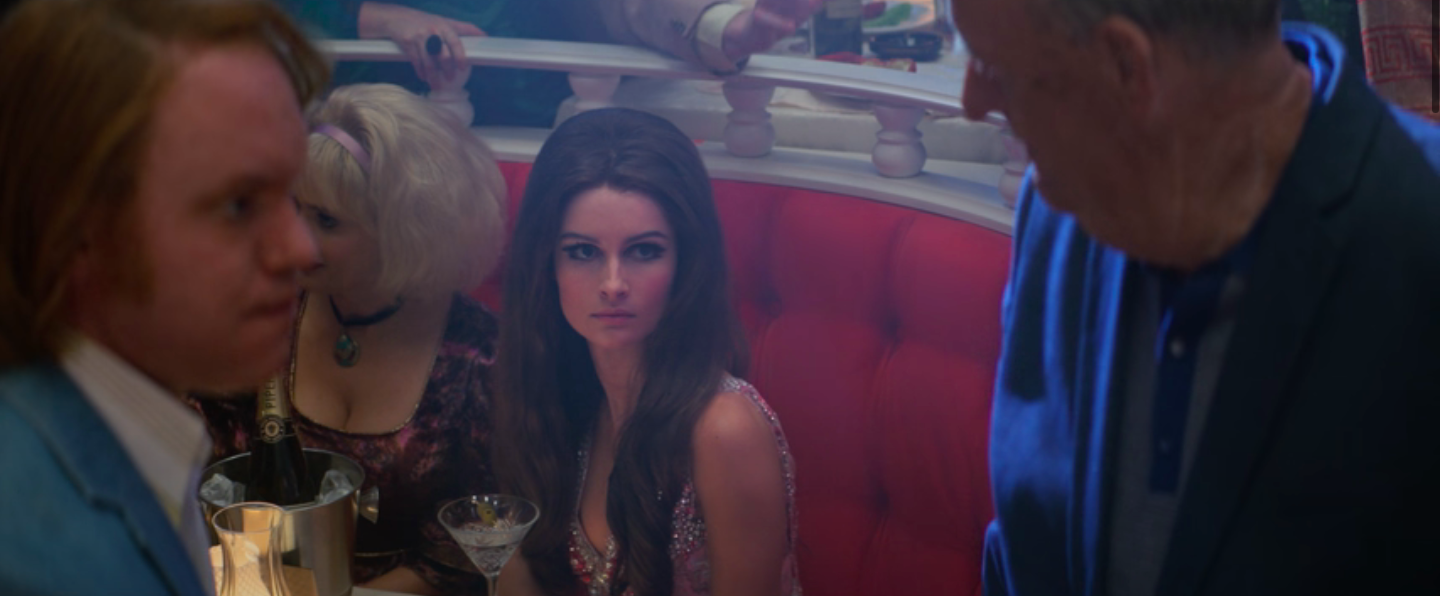
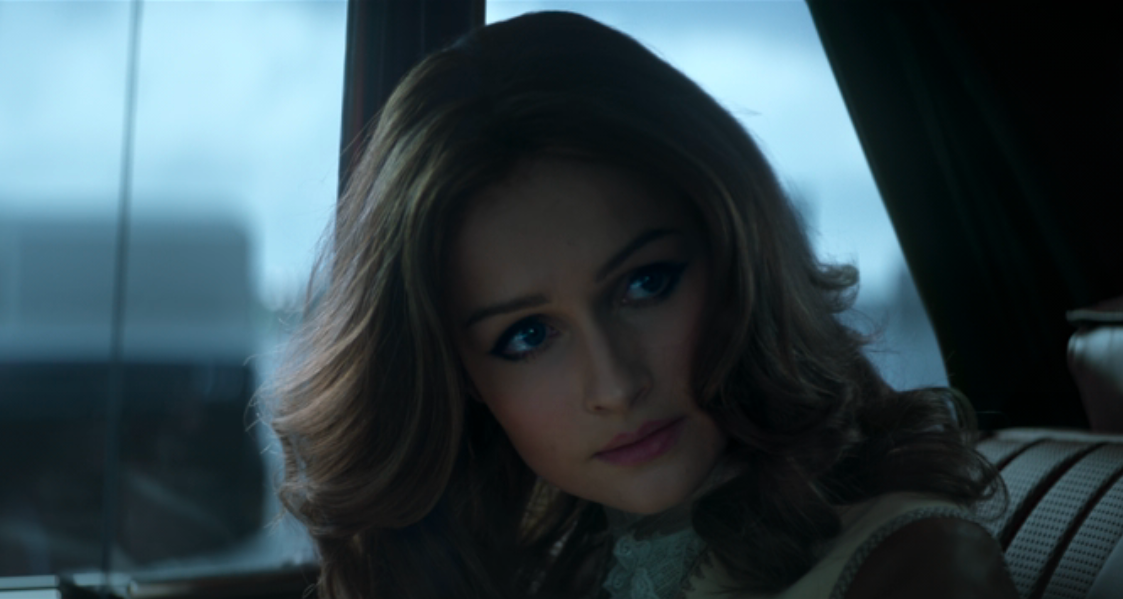
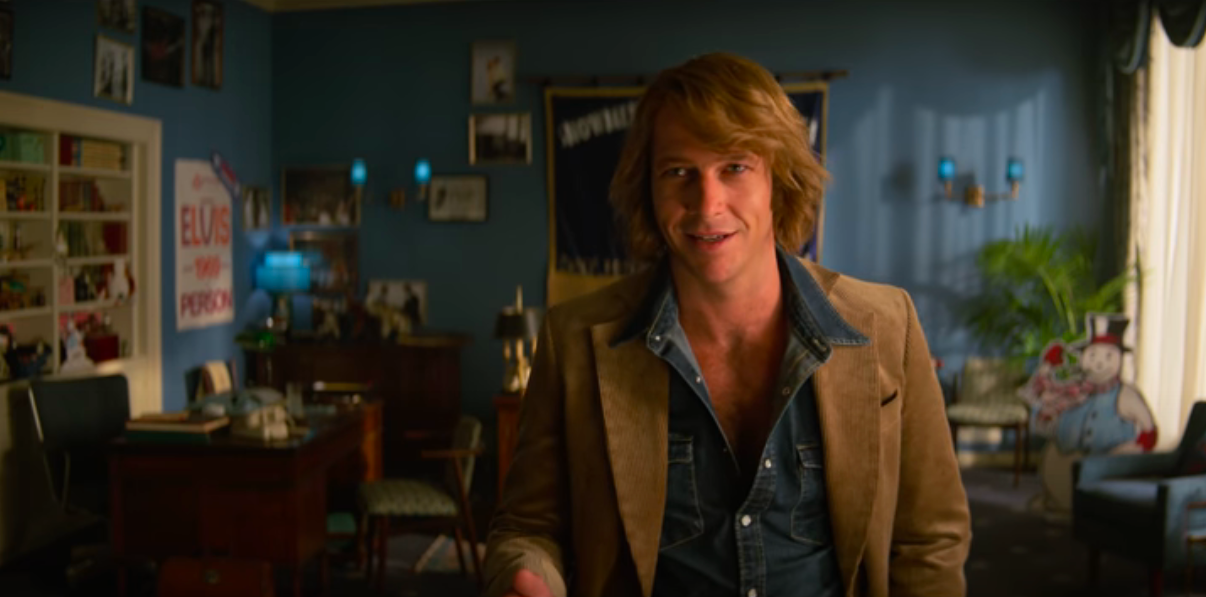
One of the main things about this film that may have concerned many Elvis People is the endorsement it received from the estate as a whole and by Priscilla, Lisa Marie and Jerry Schilling specifically. The concern being that Cilla & Co. would never let Elvis Presley be depicted in an anything but positive light and perhaps the story would be tilted a certain way. Certainly we see that in the drug use we’ve already discussed. This “tilt” is seen in other small ways. Other women are all but absent from the film and Priscilla is seen as Presley’s true partner in life – something that can’t really be contested but the truth about their relationship has told us otherwise. Speaking of the small ways we see this tilt, you’ll notice that, in Cilla’s first scene, her and Elvis are getting to know one another and it is raining outside. When they break through to each other and love is obviously emerging, the sun breaks through. And my man, Jerry Schilling? His character is given prime real estate in the movie and the actor who portrays him, Luke Bracey, is terribly attractive and in great shape. Often when he came on screen, I would chuckle and say “here’s Jerry Bon Jovi”. But Schilling can do no wrong in my book, so…
In addition to absolving Presley in regards to the drugs, the film does much to present Elvis, the sainted hero – look how he stays true to himself at Russwood, look how he sticks with Steve Binder and goes against the Colonel to sing “If I Can Dream” and the final on-screen notices are “tilted” to drive home the Colonel’s robberies (though legit) and Presley’s majesty (also legit). But let’s face it; after years of honest analysis that often results in an unfortunate light being shone on Elvis Presley, it is satisfying – and I will say it is appropriate – to see him depicted in this positive light.
 SoulRide
I enjoyed and agreed with your thoughts on the movie “Elvis” including your amazing vocabulary. Thanks for all your insights.
No – thank YOU for reading and for your comment. All the best.
I loved the movie, I loved Austin Butler and I love this article, very, very accurate. A reader complimented you on your amazing vocabulary. It was amazing vocabulary, but grammar not so much. Sorry but I had to put that in there. It drives me crazy when he’s and she’s etc….are not correct. That being said, VERY WELL WRITTEN.
I am old enough to remember the real Elvis. He certainly was controversial for his era and the pressures to perform can make performers vulnerable to exploitation, but that was not the sum total of who Elvis was. He was also a man of faith tormented by his lifestyle and addiction. He was not only all sex appeal. He was also a generous and caring person and not the immature hormonal almost evil persona portrayed in this this nightmarish “bio.” He is dead and again his image is being twisted and exploited for $. A woke, borderline trans spin of Elvis. I walked out.