When you begin to explore the world of what we’ll call traditional pop singing, you will inevitably begin at a handful of names. Exploration and discussion of the genre does indeed start with Frank Sinatra, Ella Fitzgerald, Nat Cole, Dean Martin, etc. But just as inevitably there is a second tier you will come upon as you dig deeper. After you understand the first group, you need to get on to the next and here you’ll find the likes of Engelbert Humperdinck, Andy Williams, Keely Smith, Jack Jones and Mr. Las Vegas himself, the Midnight Idol, Wayne Newton.

Discussion of Newton has to come with some conditions and clarifications. Some qualifications. This is down to the fact that Wayne Newton has reached a level that frankly few entertainers reach. He has not only endured but he has come to be synonymous with a certain type of entertainer – he has come to mean something. Once you reach that level, the general public actually loses its ability to properly understand you and you become larger than what you are. This almost always leads to a skewed and erroneous perception. Additionally, I will add that Wayne Newton is not easily appreciated because of the uniqueness of both his physical appearance and the tone of his early singing voice. Add to this his years in Las Vegas and his more recent and perilous skirting of self-parody and you have a performer in danger of losing his credibility. As usual it is up to me to rectify all this and to declare The Midnight Idol worthy of reappraisal and of your respect.
Side One
Carson Wayne Newton was born in 1942 in Norfolk, Virginia to a half-Cherokee mother and a half-Powhtan father. His heritage and birthplace have proved to be significant in Wayne’s story. His was a childhood of country music and horses but also of ill health. Because of the 10-year-old Wayne’s asthma, the family relocated to Phoenix where his cowboy lifestyle continued. From his earliest days, it was clear that Newton was gifted as he showed an ability to play multiple instruments and he exhibited perfect pitch with his singing voice. In Phoenix, he got his first taste of fame. With his brother, Jerry – also a performer – Wayne scored his own local television show which lead to appearances on other local shows and in a Grand Ole Opry road show. As fate would have it, a Las Vegas booking agent saw the boys on their TV show and booked them for a two-week stay at the Flamingo. This was 1958 when Wayne was 16. Over 60 years later and Newton hasn’t left the desert.
The 2-week Flamingo gig lasted five years and while Wayne and his bro were toiling through 6 shows a day, 6 days a week, they were asked to provide entertainment for a luncheon back in Phoenix. The guest of honour would be Jackie Gleason and when The Great One heard Wayne do “Danny Boy” he booked the brothers on his television show. The Newton Brothers went to New York to appear on the show but needed other work to stay alive. While performing at the famed Copacabana, Bobby Darin heard the boys sing and asked if they were recording. When they said they were not Bob said “you are now”. Bobby Darin is notable for so many things and one of them is for giving Wayne his start and for having handed him “Danke Schoen”.
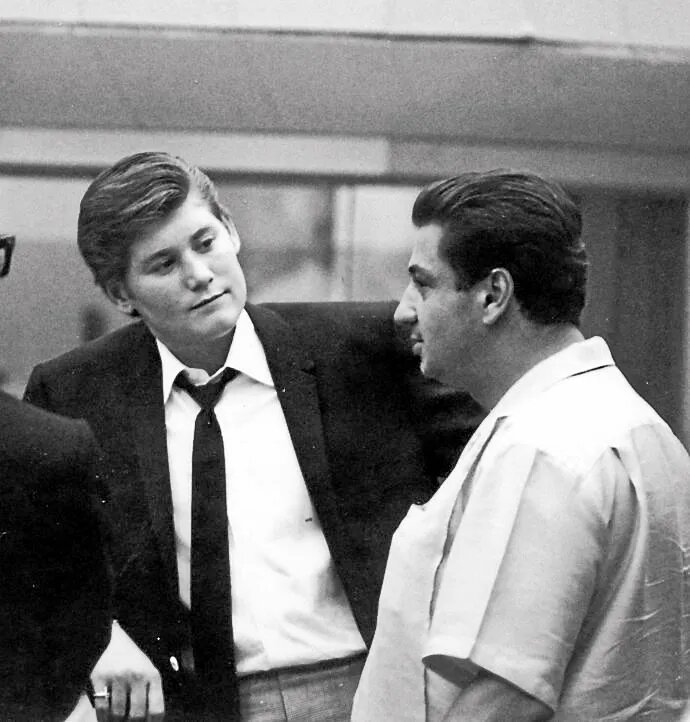
German Bert Kaempfert (1923-1980) was well known in North America as a result of Americanized versions of his compositions including “Strangers in the Night”, “Spanish Eyes”, “Almost There”, “Wooden Heart” and “L-O-V-E”. “Danke Schoen” was another of his tunes and this one was earmarked for Bobby to sing but Darin changed the key and gave it to Wayne. The sessions for the song’s recording featured several members of the famed Wrecking Crew of studio musicians including Leon Russell, Hal Blaine, Carol Kaye, Glen Campbell and Tommy Tedesco. Hard to accurately describe what the song has become. Upon release, it hit Number 13 on the pop charts, a position Wayne would better only once but more than that it became iconic helped in no small part by its later use in the 1986 film Ferris Bueller’s Day Off. Since then, it has become emblematic, embraced by those of us who love lounge music and vintage pop singing.
Wayne’s first three singles, all released in 1963, are credited to the Newton Brothers which makes one consider Jerry Newton. I’ve always been intrigued by the fact that Andy Williams started his career singing with his brothers but they actually wanted to leave the business. Andy had to twist their arms to get them to come on the Christmas shows once a year. Us simple folk always think show business is where you want to be but not so for the Williams boys nor for Jerry Newton. Wayne says that come 1970 – after over a decade at the grindstone – Jerry said he didn’t want to do it anymore. When Wayne asked him why was he still at it then, Jerry said it was because he’d promised their parents he’d look after Wayne. Wayne gave him his release and Jerry went on to – who knows what. Jerry apparently spent most of his time marrying 6 times and divorcing. Jerry Newton died in 2018.
In the wake of “Danke Schoen” – which Wayne admits has always been mispronounced – Newton appeared prolifically on television and in night clubs. Perhaps no other artist in history has been more favoured by those who came before him as has Carson Wayne. His patrons numbered among the biggest stars of the day; he worked with and was promoted by the likes of Lucille Ball, Danny Thomas, George Burns and Jack Benny. And you can add my name to this list of prominent, genius and legendary entertainers who have promoted Mr. Las Vegas as the impetus for this article has always been Wayne’s way with a song and my desire to share with you his unique body of work filled with fine recordings in a variety of styles, many of them lost in the mists of time. And as many of you know “lost in the mists of time” is my particular specialty. Let’s begin with my assertion – and the early working title of this piece – that this cat could swing.
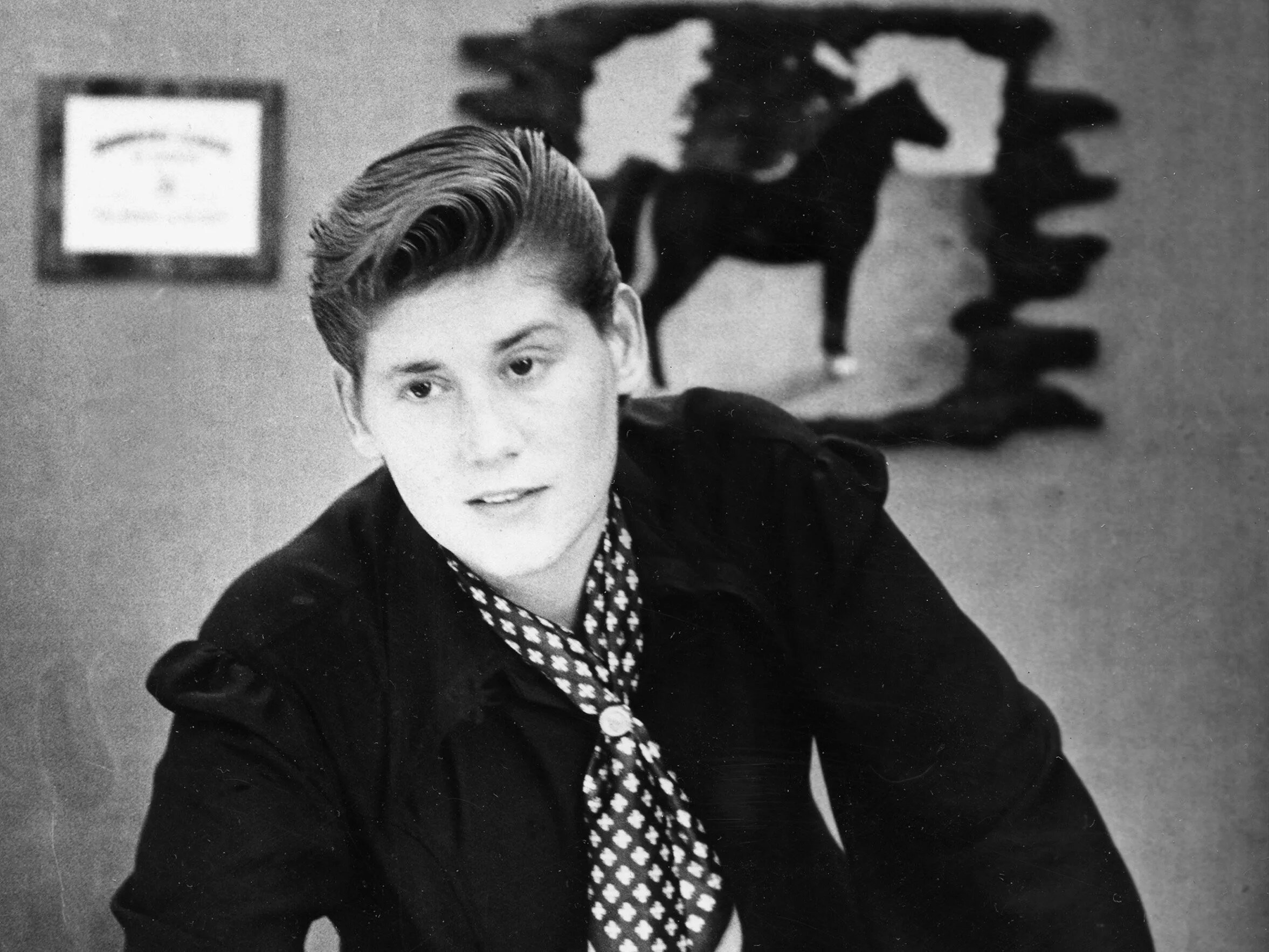
Bobby Darin looms large over the early career of Wayne Newton. You will note if you own any of Wayne’s early Capitol albums on vinyl (and if you don’t, what’s the problem?) that the back covers will state that the record is “A T.M. Music, Inc. Production”. T.M. was Bobby’s publishing company and it was a going concern at this time. Notably, Darin was not just scoring by publishing his own hit songs but T.M. had hits with songs like “The Shoop Shoop Song”, “Up on the Roof” and “Under the Boardwalk”, all this being a testament to Bobby Darin’s incredible drive and business acumen. Staying in the background, Bob basically handled Wayne as a protégé and as part of his stable of entertainment properties. Wayne’s early recordings followed the template laid down by Darin and the two both made at the same time swingin’ records for Capitol Records that were in the Sinatra, supper club, finger-snappin’ vein. If you were to stack them up side by side, Wayne’s records more than measure up to Bob’s in pure swing and here are the best cases in point.
“More” was the theme from the original “exploitation documentary”, the Italian film Mondo Cane. It is a pop and easy listening standard and there have been more than 400 versions recorded. It is best taken at a mid-tempo lope but even then the swing is not simply inherent. It takes the right combination of vocal prowess and arrangement. Wayne supplied the former and was gifted the latter when he recorded his version in the spring of 1963. It’s given a samba-style treatment and the impetus builds gently until Wayne lets go with a crisply dynamic note on “else” in the closing line. In the same vein from a session the following month, Newton finesses “Bye Bye Blackbird” making a real finger-snapper out of the decades-old tune but the real highlight from this date was “Shangri-La”. The arrangement is frenetic and travels at light speed while Newton by contrast seems to be playing it cool and in complete control; like someone in the passenger seat reading a book while Richard Petty runs the track at Daytona. Dig the version presented on the excellent Capitol CD Wild, Cool and Swingin’: The Artist Collection that features studio chatter beforehand; that is actually Bobby Darin announcing take one. Bongo man is on fire and the string section may never have played this fast before. There is a drum-and-brass accented break-down before it modulates up and we step on the gas again, speeding for the finish line. The incredible icing on the cake is Wayne’s final note – it is one of the all-time, bell-clear, vibrato-controlled notes you are likely to hear from a singer in this idiom. Consider that this, ladies and gentlemen, was the first take. “Shangri-La” is perhaps Wayne Newton’s finest and certainly his most striking recording while at Capitol. Any longer than 97 seconds would be too much to handle.
That same session of June ’63 yielded similar swingers like “They Can’t Take That Away from Me” – “the way you hold your KNIFE!” – and “I’ll Remember April”, further examples of Wayne’s inherent sense of swing here in but his 21st year of life. Later that summer he returned to the studio to wax the Gershwin chestnut “But Not for Me”. A silken brassy intro leads to Wayne’s entrance; dig how he sings the first three words. This recording is the epitome of the smooth dapper vibe from this era. A final stellar side cut for Capitol came later in February of 1967 when Wayne put his stamp on one the most notable songs from this time.
As I did with “My Way”, I must one day share my thoughts on “Strangers in the Night”. Briefly, Sinatra’s version has its place and its charm but when taken in the context of his entire body of work it is probably the least compelling example of what the Chairman did so well. Additionally, I will say that almost every other version of “Strangers in the Night” from this era is better, more listenable, than Frank’s. Perhaps its down to arrangement. Nelson Riddle’s chart for Frank’s 1966 hit version is typically polished but perhaps too austere. Wayne Newton has fun with it.
And then, the Beatles. We’ve talked about it many times before here at Vintage Leisure, the fact that the careers of many who were popular pre-1964 were greatly affected by the arrival of the Beatles and the onset of the British Invasion. This seems to have particularly affected the middle-of-the-road vocalists. Yes, it reduced their presence and to some measure their success but really it just changed the game. The vocalists had to forget about charting hit singles (on the Pop charts, anyways) and they were certainly moving less units with their album releases. They had to pivot to appearances on the plethora of variety shows then on television and to regularly performing live in the scores of clubs across the country. Still not a bad gig and you could continue to make more than a living.
This is clearly seen in the career of Wayne Newton. Perhaps no other singer was more popular while relying so little on chart position and record sales and this is all down to becoming the premiere performer in the showrooms of Las Vegas. But before Wayne seemingly let go of the importance of record releases, he managed to issue at least two substantial albums in the early 1970s that add much to his legend. Without them, we have “only” the dynamic Capitol performances of the Great American Songbook but by adding these two LPs Wayne’s legend grows to include that wonderful intangible that I love so and share here often; beautiful music and significant songs that may have been missed in their day and that are certainly shrouded today by the passage of time and by the voracious appetite and fickle tastes of the listening public. And even forgotten by the more discerning vintage music collector.
The first stop finds Wayne in the last days of his affiliation with Capitol Records. Newton had actually left The House That Nat Built after 1968’s Somewhere My Love before returning briefly in ’70 with The Long and Winding Road. This is really the tale of two albums as Side One sees Wayne covering recognizable songs; the title track, the ubiquitous “Bridge Over Troubled Water” and a surprisingly effective “Love Grows (Where My Rosemary Goes)”. Conversely, Side Two comes out of left field and I think it is down to publishing dollars.
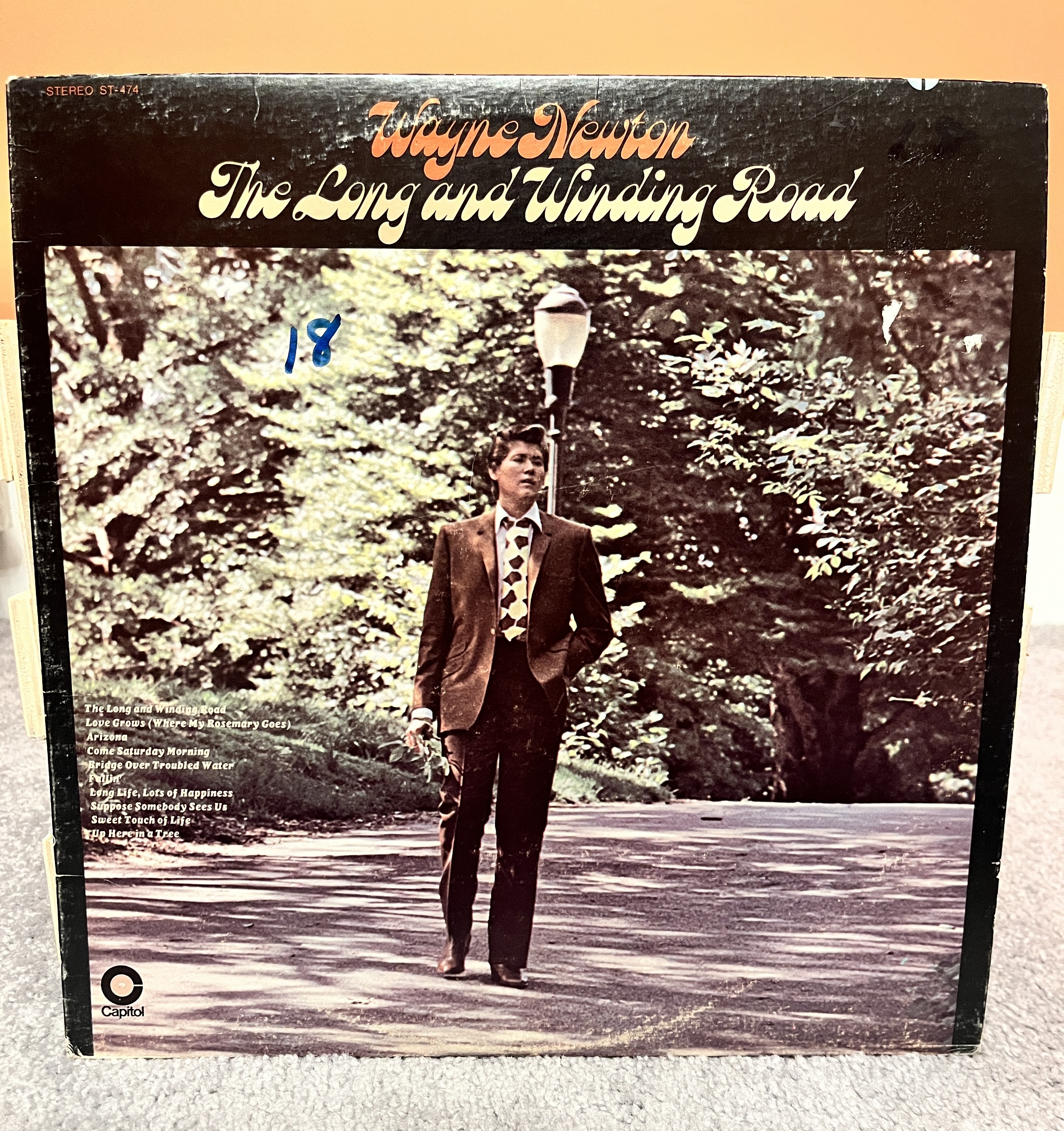
As far as I can tell, Owen McGovern hails from little Lebanon, Connecticut. He grew up in Rhode Island and had a middling music career before turning to songwriting. By 1970, he was on Wayne Newton’s staff and provided three songs that Wayne recorded for this record. You can tell, in a way, they were written by the same man and they make up the middle three of the second side. “Long Life, Lots of Happiness” is Owen McGovern’s claim to fame. It was also recorded this same year by Perry Como and was on the B side of Pierino’s “The Impossible Dream”. Wayne presents it as a countryfied waltz, a story of the simple life that sounds like something from a Dean Martin record of this same era. This is a pleasant, sunny afternoon mood. Sadder, though is “Suppose Somebody Sees Us”. The early lyrics hint at that morose and universal feeling of “what if?” that can hit in married middle age and the simplicity of the title lyric is quite poignant. The jangly guitar cannot lift the feeling of longing and the emotion of this tale of the challenges of real life.
The gem, though is “Sweet Touch of Life”. Right from the get-go, we are treated to a buoyant bass line and sparkling horn chart on this wonderfully breezy recording. Wayne finesses the well-sung chorus that invites you to sing along; “oh, sweet touch of life is mine, good times roll across my mind, they tell me it’s another time and place…” After the sad reality of the previous tune, this is a refreshing blast of warm summer air. This time, Wayne feels the sweet touch of life and speaks of the times we all feel when, dang, things are just going well and its good to be alive. Those times when you feel like you’ve got it all together. That feeling; that’s what this song sounds like. Optimism. Talk about a nugget hidden by the sands of time. It begs the questions I so often ask myself; who bought this album back then and why? And when did they listen to it? Bobby Sherman recorded “Sweet Touch of Life” that same year.
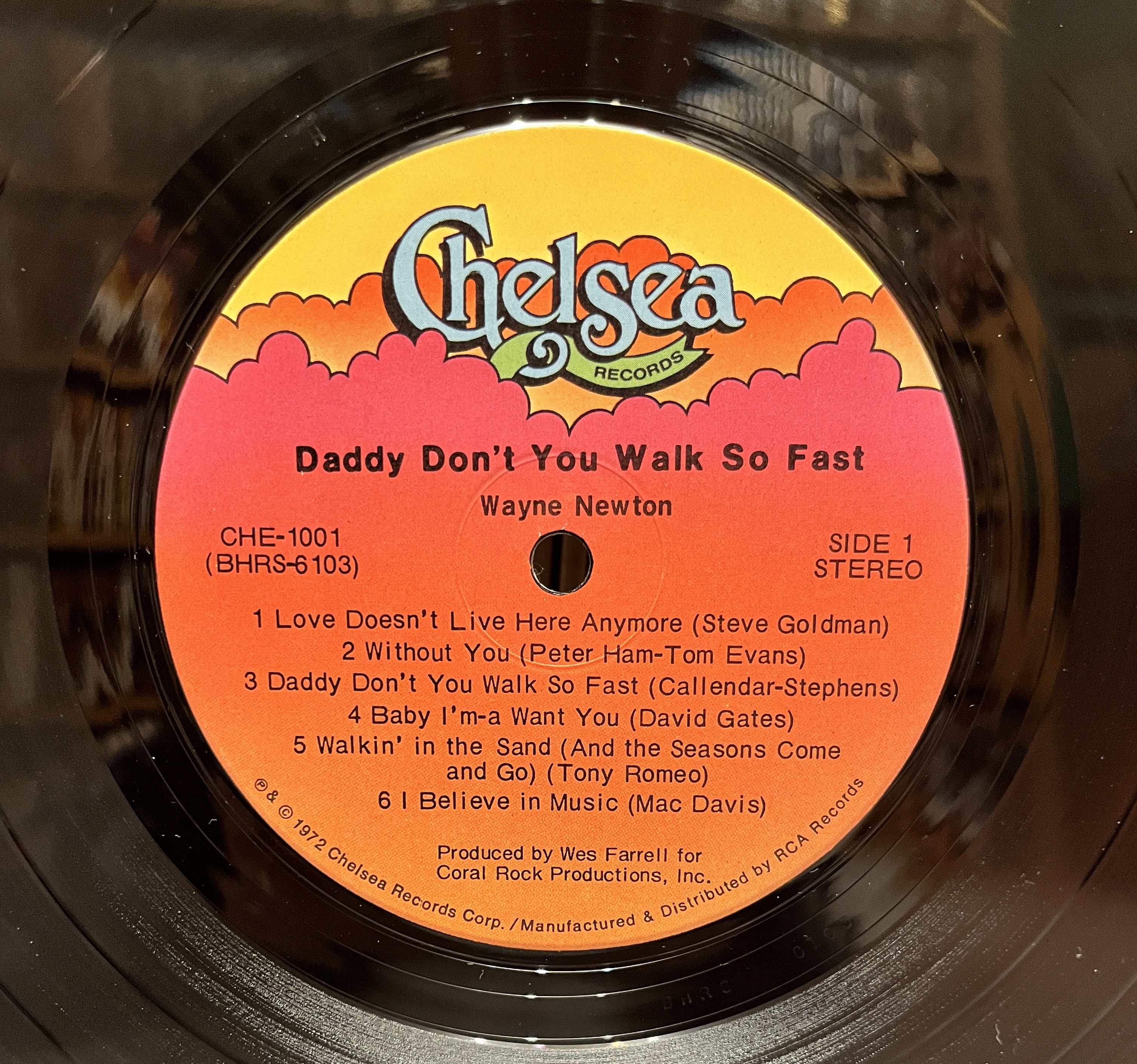
Wayne left Capitol and moved to Wes Farrell’s Chelsea Records, becoming that label’s flagship artist. Both Wayne’s and Chelsea’s first release was Daddy Don’t You Walk So Fast. This album is a good sonic soulmate to The Long and Winding Road but Daddy takes things a little more seriously and the vibe is somewhat less optimistic. I have discoursed on this record before in these pages so I’ll try not to repeat myself too much here. But I will take a minute to note that this second album is exemplary and it makes a unique statement with its songs of life and love crumbling in the suburbs. The crack session musicians lead by pianist Mike Melvoin more than ably support Wayne who is in great voice here.
– from my review of the album
If it wasn’t for these two records in the middle of his journey, there would certainly be much less to talk about when it comes to Wayne’s recordings. But when you consider these the mortar used to help construct his formidable career it adds a strength to the story and a certain class and achievement. All you have to do to understand this is look at the records released at this same time by the likes of Andy Williams or Johnny Mathis, to name two examples. Its down to song procurement or artists and repertoire. There has obviously been an effort made on these two records to find quality material as opposed to the Williams/Mathis method of recording the hits of the day. Maybe those two Columbia Records giants sold more records than Wayne but its about more than that. Sure Wayne’s single release of “Daddy Don’t You Walk So Fast” gave him his highest chart-placing (#4 US Pop) and was highly successful but these two records represent something else in addition; a triumph in that the songs belong to Wayne alone and they leave an indelible mark on the listener. This is not a given with any singer at this time and many missed the mark and phoned in their records in the early Seventies but Wayne Newton and his team searched for good songs and put in fine performances. Wayne scores points with these hidden gems.
Side Two
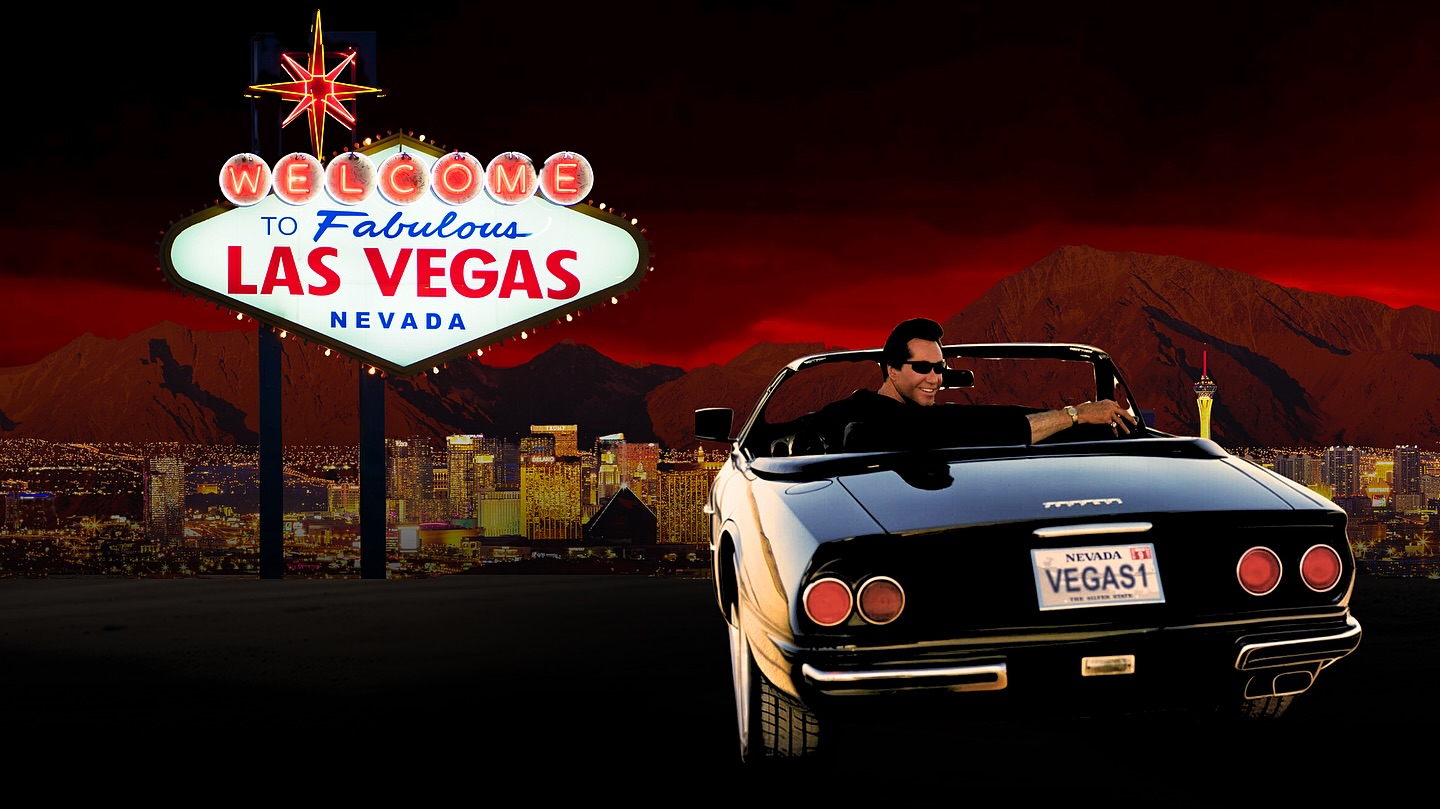
Many will know that Wayne Newton is known as “Mr. Las Vegas” but what does that mean? Glad you asked. Sin City has morphed a time or two in its 120 years. As far as entertainment is concerned, us Vintage Leisure types know that in the Fifties and Sixties it was ring-a-ding-ding and Frank & Co. – the golden era. But when America’s Playground divested itself of its more criminal origins, the city changed until, come this present day, its a much different animal. The entertainment has changed, too. Elvis Presley made a splash early in the decade but his immense legend could not be tied down to the city nor did he feel any particular fealty to the place. Sammy, Dean, Andy and many others kept going but their appearances were more along the lines of the “victory lap” or retirement activities. It was actually Howard Hughes who decided in the mid-70s that Wayne Newton – who he was as a person and his particular brand of showmanship – was right for the new and more clean-cut Las Vegas and the billionaire did much to promote and sponsor Wayne. For dynamism and for taking a grip on what it really meant to be a “Vegas performer”, no one has really been able to touch Wayne Newton for lo these last 50 years. But its about more than his various residencies at a handful of casino resorts. Wayne has become the city’s First Citizen.
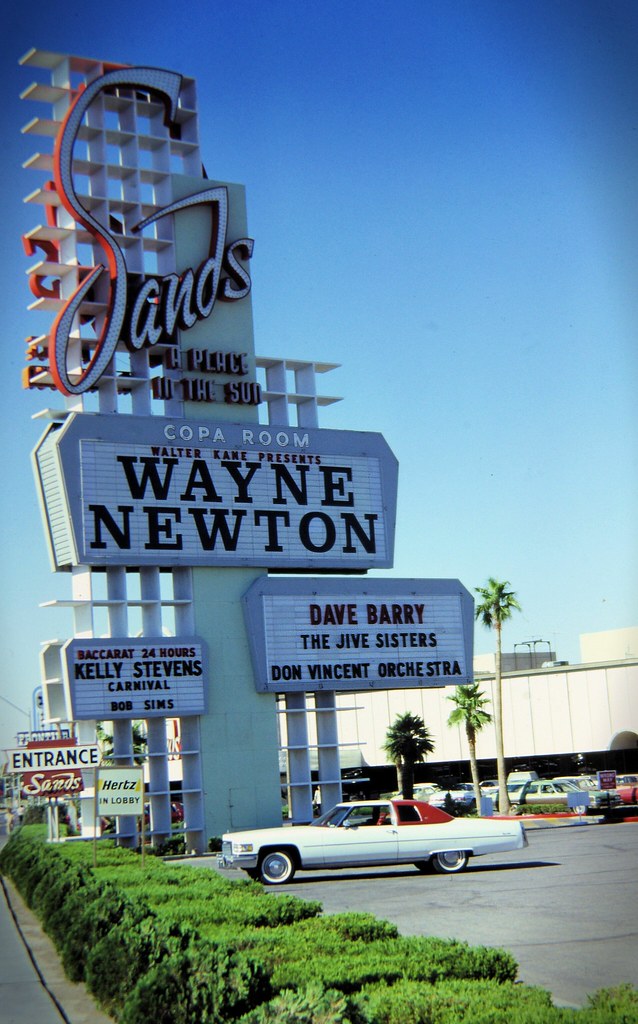
In Once Upon a Time in Hollywood, Rick Dalton is fond of saying that Edmond O’Brien told him that if you hope to be a real player in Hollywood, you must own a home there as opposed to rent. This shows your intent and that you plan on sticking around. Wayne declared his intent to settle in Las Vegas early on with his 1966 purchase of Casa de Shenandoah. Initially a five-acre plot of land, Newton moved there with his parents and his brother Jerry and his wife. Over the years, Wayne expanded the parcel to include 39 acres of land on which he installed a virtual zoo of exotic animals and here he also stored his vast collection of vehicles. Starting in roughly 2010, Newton hoped to open the property to the public and embarked on a wild journey of all manner of litigation and legal actions surrounding the construction and renovation of this estate; the stories of courtroom battles are frankly breathtaking. Suffice it here to say that Casa de Shenandoah opened in 2015 – Wayne would bristle at it being referred to as Graceland West but that was the general idea – but then closed not three years later. Newton sold the estate in 2019 but of course there was more litigation, this time regarding the contents of the property. In July of 2024, the estate was still vacant and only occasionally being listed for sale, the most recent asking price being $31.3 million. The twisted tale of Wayne and this estate is a story unto itself. You don’t know what an accomplishment it is to have summarized it in one paragraph.
Sorry these two interviewers are so obsequious
One of the most significant features of Casa de Shenandoah is the horse breeding facilities. Wayne’s love of horses has always rivalled his love of music and he parlayed this love into one of the most impressive amateur breeding operations in the world. He began by owning Thoroughbreds and American Quarter Horses until 1969 when he partnered to pay the then-highest price ever paid for an Arabian horse at auction. Since then, he has produced six generations of horses, breeding over 700 foals with almost 100 champions from his stable. He continues to breed Arabians and to score lifetime achievement awards for his work in this area.
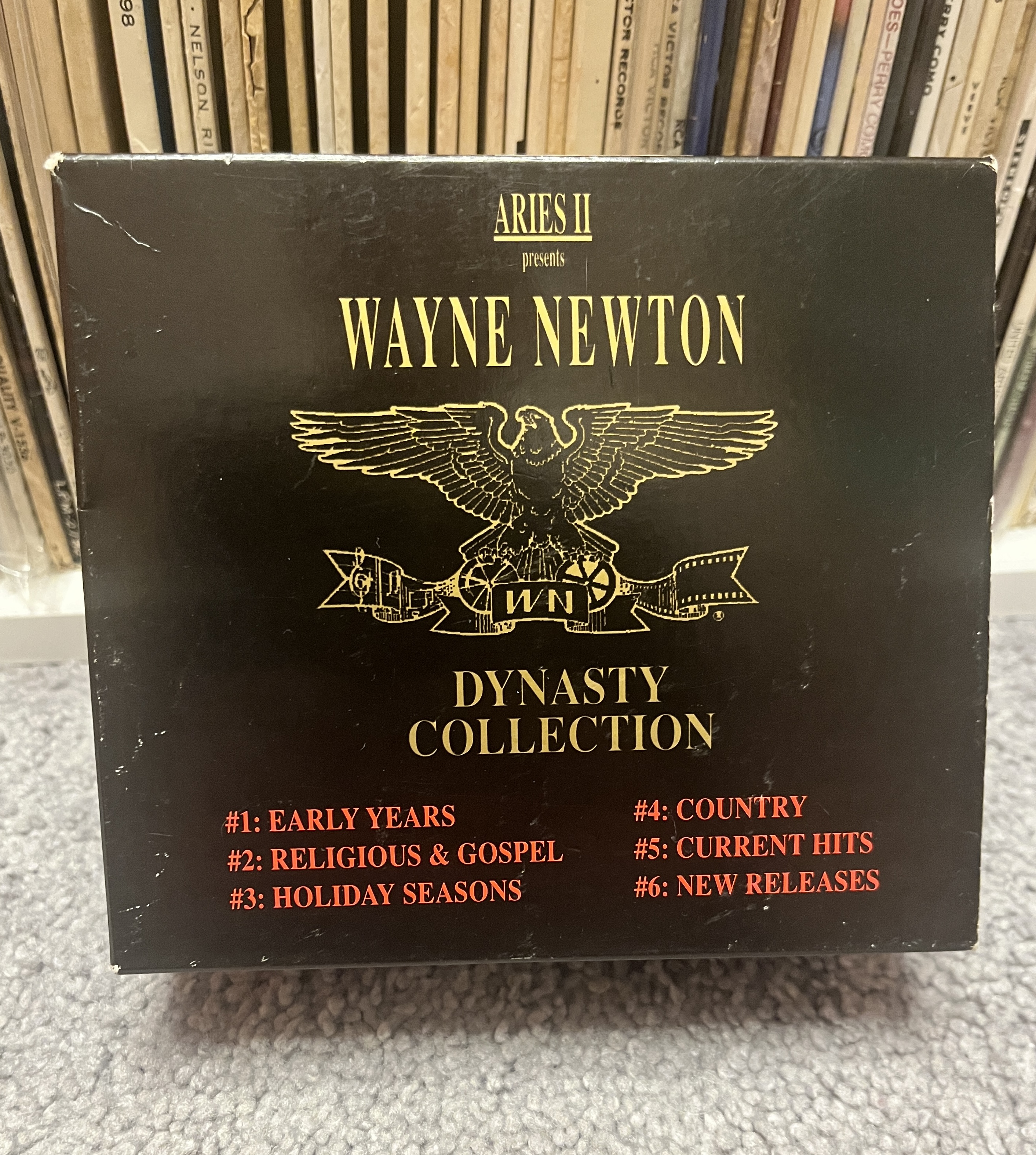
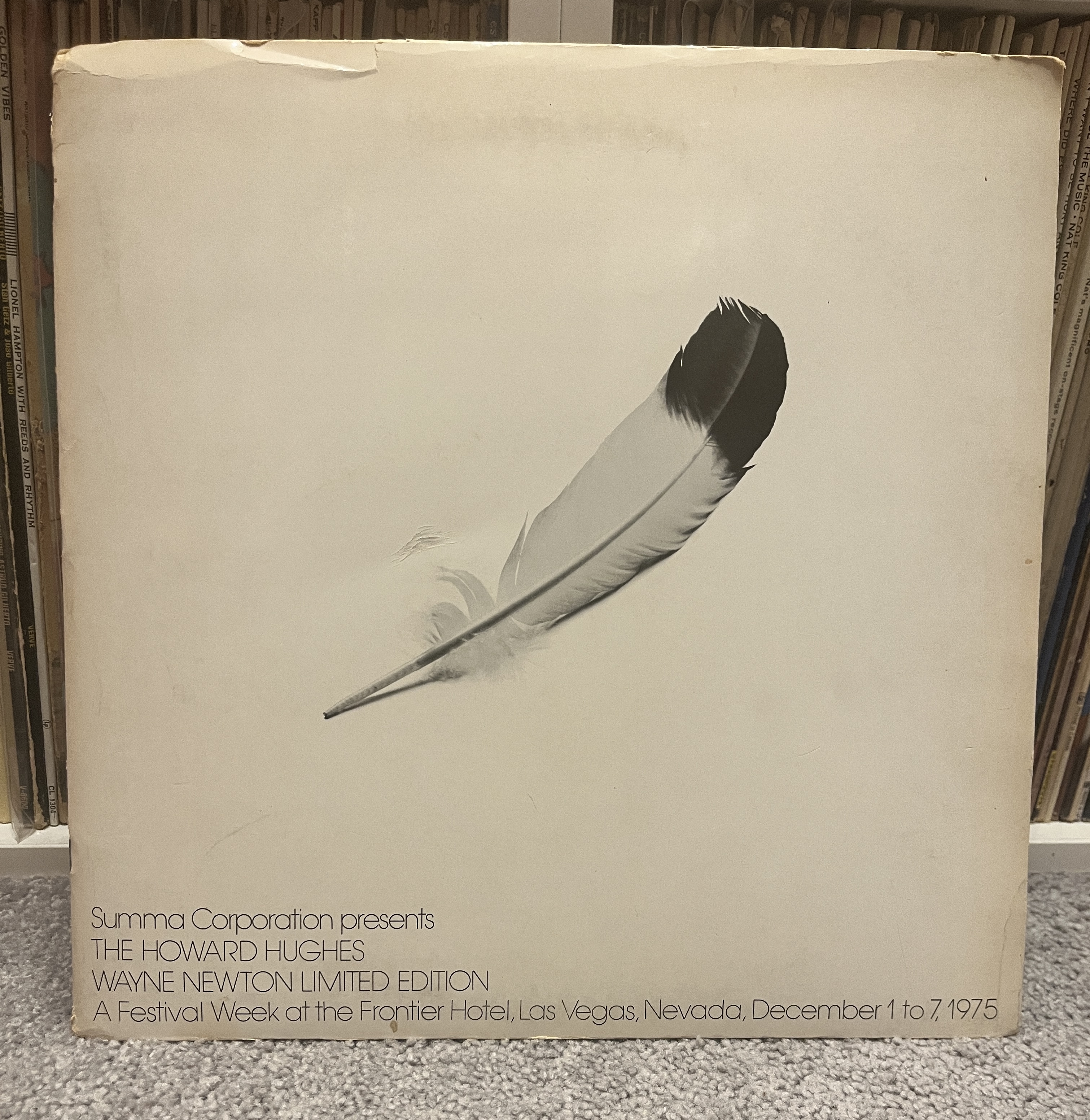
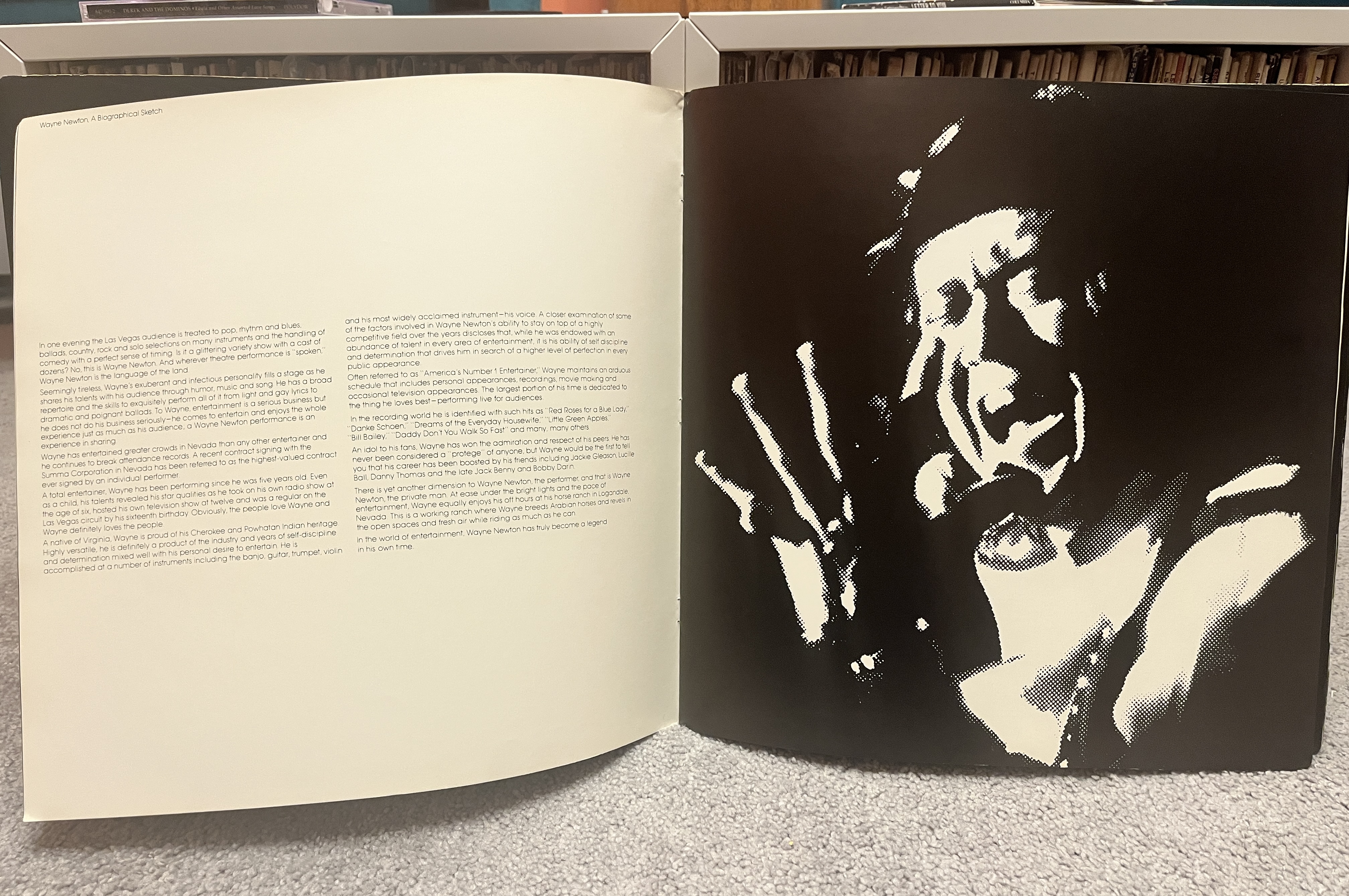
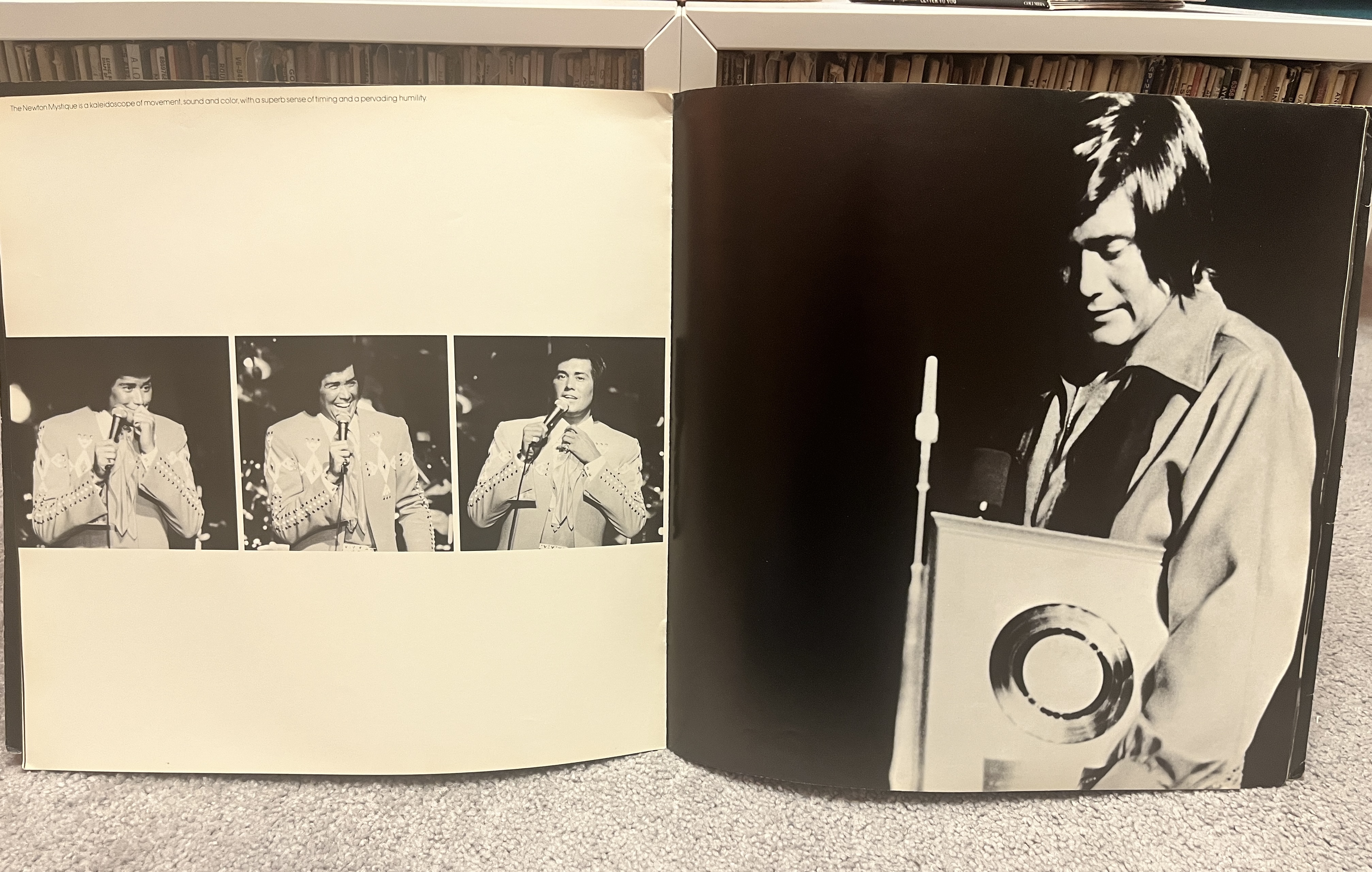
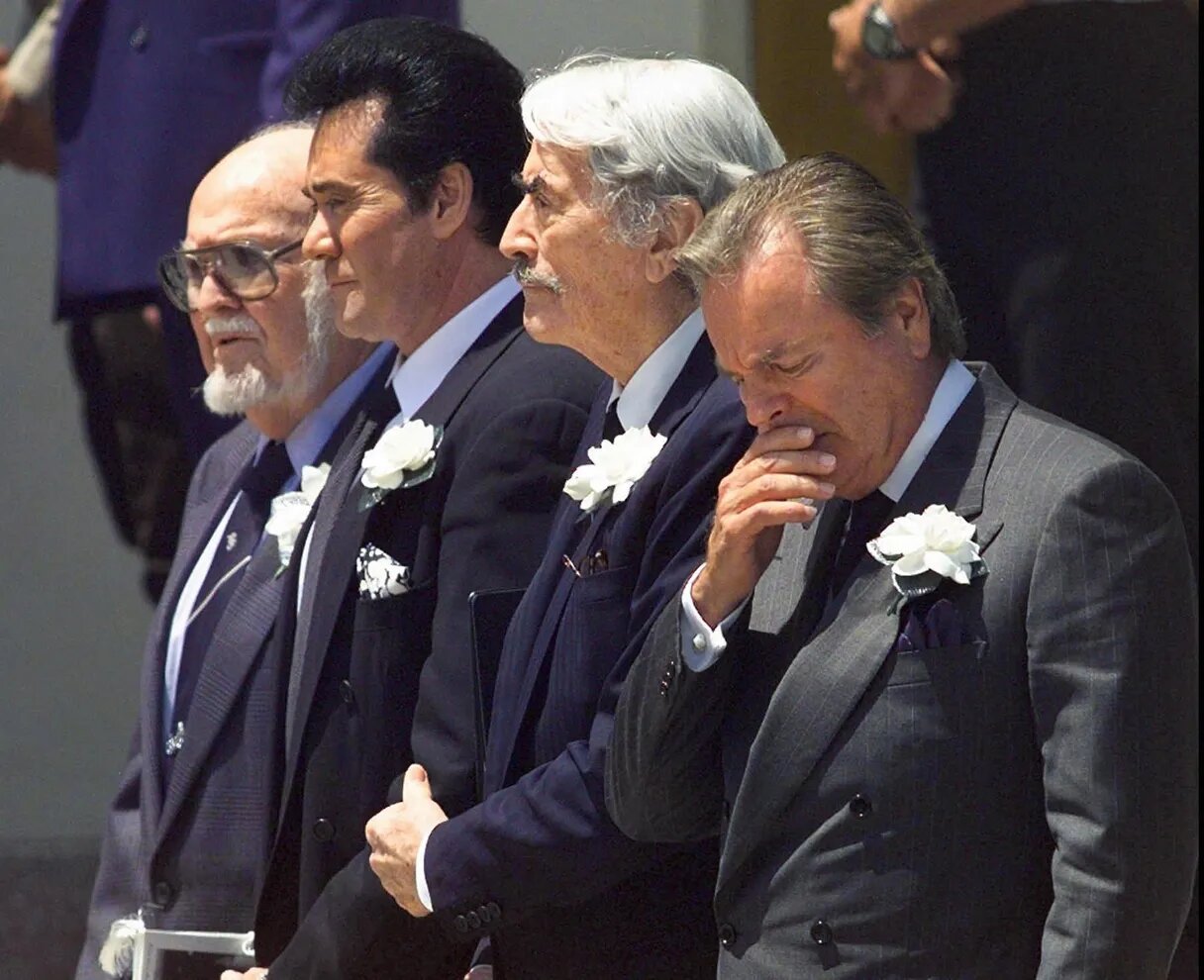
Today, Wayne Newton remains the face of Las Vegas. Whenever any situation arises that calls for civic representation, city fathers will inevitably call on Wayne. After tragedies, its Wayne who meets the president when he arrives, when the casinos opened again after the ease of pandemic conditions, its Wayne who beckons the country back to the tables, when the Super Bowl comes to town, Wayne is pictured with the Lombardi Trophy, the NFL Draft takes place in the city and Wayne is on hand, award shows held in Vegas will feature Wayne as presenter, Caesars celebrates 50 years and Newton is there, The T-Mobile Arena opens and Wayne is one of the performers, Newton is called on to sing the national anthem at Las Vegas Raiders games and is seen rink side at Las Vegas Knights games. And his various real estate dealings and other ventures are always newsworthy. He has become synonymous with Las Vegas. And that is part of the problem.
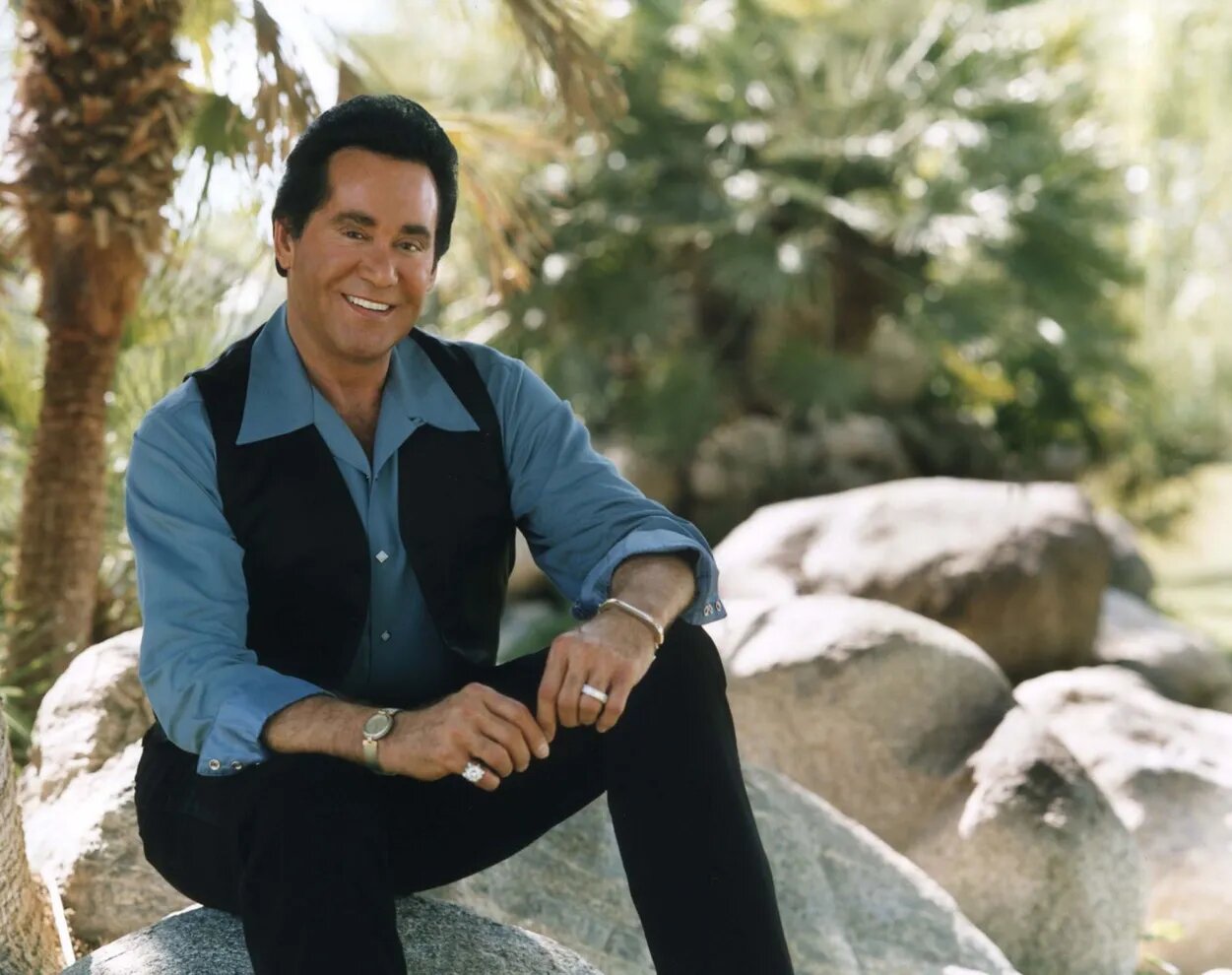
There exists I think a misconception about Wayne Newton and the brand of entertainment he presents. Today, the general public may think less of Wayne’s act because of his age and because of the way he may be perceived. And this has dogged him his entire professional life. At the outset, he was a young, chubby, baby-faced teenager with a high voice and this threw listeners off. Wayne himself has joked that when “Danke Schoen” was released it was thought that it was sung by a young German girl. More recently, Wayne has also become noted for the pains he has taken to arrest the aging process which has produced varying results in the appearance of his visage. But it is simply incorrect to suggest that Newton is a performer that belongs down on a lower tier because of any of this. Wayne himself has said it best –
“‘When people want to put Wayne Newton down, they say, “Okay, he’s big in Vegas but that’s all!” Or, “He does a Vegas act!” And I always say,’ says Wayne, waxing indignant, ‘what is a Vegas act? I mean, who comes here? Is it all locals? Do they fill the showrooms thirty-six weeks a year, two shows a night, seven nights a week? No, of course not. It’s people from all over the world! But they don’t want to recognize that’.”
He makes a compelling argument and I think he’s right. In addition to what he suggests, one need only look at the artists and the acts that are seen in Las Vegas today. It is no longer a joke to perform in Las Vegas. The city’s only real survivor, the guy who has been there since the beginning, the guy who has come to symbolize the city with all of its excesses and excitement is Carson Wayne Newton.
For the last 50 years, talking about Wayne Newton apart from Las Vegas leaves you with very little to say. In the Seventies, he borrowed heavily from Elvis Presley in stage attire, the difference being that Wayne often incorporated American Indian motifs to honour his heritage. He also for years sported a pencil-thin moustache as he long coveted the chance to play his hero, Errol Flynn, on the screen. In 1989, Wayne released a performance film for HBO called Wayne Newton Live in Concert that was produced by Steve Binder who did Presley’s “’68 Comeback Special”. Wayne began the show with – Elvis fans, get ready – “Also Sprach Zarathustra”, “That’s All Right” and “See See Rider” before going on to perform “Promised Land”, “You Don’t Have to Say You Love Me”, “Heartbreak Hotel”, “Blue Suede Shoes”, “Baby What You Want Me to Do”, “Spanish Eyes”, “If You Love Me, Let Me Know”, “Are You Lonesome Tonight?”, before ending with – wait for it – Presley’s show-closer “Can’t Help Falling in Love”. All these songs had, of course, been recorded by Elvis. The difference being that, through the 70s and 80s and extending into today, Wayne’s shows have featured him proving highly efficient on a variety of instruments including fiddle, banjo, guitar and trumpet among others. A final Presley connection comes in the form of Wayne’s 1992 single “The Letter”. During his final stand at the Las Vegas Hilton, Elvis Presley wrote and discarded a note that he had written expressing his frustration and distress with the current state of his life. Wayne bought the note for $13,200 at auction and turned it into a song that made appearances on some charts and certainly proved notable at the end of Wayne’s recording career and provided one more connection with King.
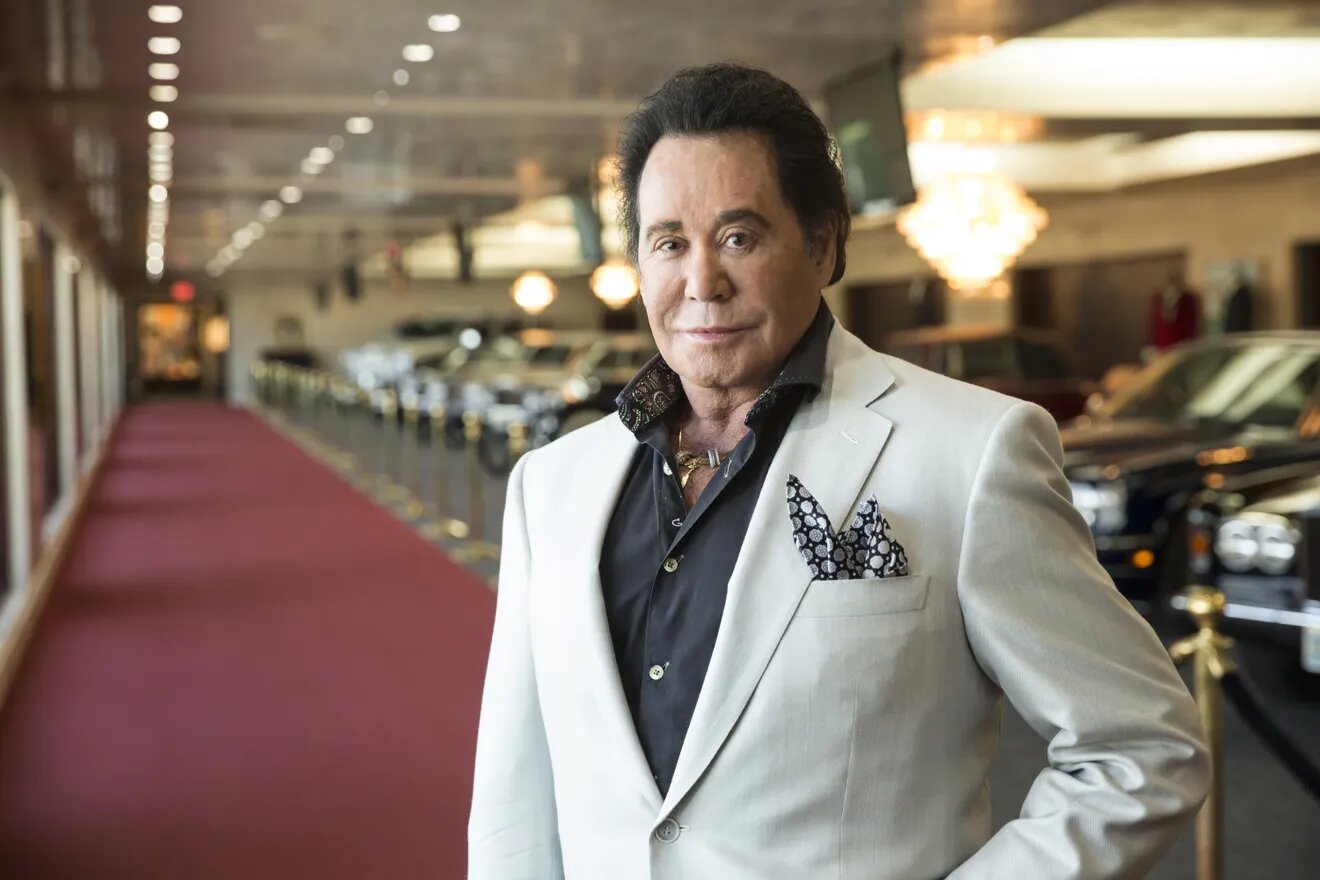
But mostly the book on Wayne Newton is inextricably tied to the magical city in the desert. Wayne was once co-owner of the Aladdin and has established residencies at virtually all the legendary cathedrals of gambling and adult entertainment in Las Vegas. Into his 80s, Wayne continued on, giving the faithful more than their money’s worth with shows that lasted almost three hours.
As a young man, he rolled in the hallowed halls of Capitol Records and laid down performances of swingin’ precision and buoyant vibrancy. Later, he managed to adapt somewhat to the changes in music while staying true to himself and finding a handful of gems to sing on at least a couple of notable records. And then for decades he performed thousands of shows for millions who flocked to see him in the entertainment capital of the country. To say Wayne Newton is a rare bird is a gross understatement. He stands alone whether we truly appreciate him or not.
Ten from Newton
- More
- Shangri-La
- They Can’t Take That Away from Me
- Christmas Journey
- Strangers in the Night
- Suppose Somebody Sees Us
- Sweet Touch of Life
- Love Doesn’t Live Here Anymore
- I’ll Meet You Halfway
- I’ll Never Pass This Way Again
Further Reading
Do You Know Vegas? by Ron Rosenbaum from Esquire, August 1, 1982. Sign-in required but easy and worth it.
Buried on the web is this interview with songwriter Owen McGovern – Q&A: Lebanon Author Owen McGovern
 SoulRide
I was a big fan of Newton’s accurate singing when I was a teenager. I had at least one of his albums. But it was a little embarrassing by the time college came around. NOBODY else was on the Wayne Newton bus. And I didn’t bring him up.
I read many years ago that WN starting taking steroids to lower his voice. Is that accurate? Sorry, you may have address that above. I’ll return to read more thoroughly.
No, I’ve never run across any reference to Wayne using steroids – not for his voice, anyways. I would say that is not accurate.
Thanks very much for this enlightenment and insight to the career and life of one of my favorites – Wayne Newton. I remember, as a kid, hearing “Danke Schoen” on my mom’s adult listening station, and confess, I did think it was a female. However, I quickly learned the truth, and all the grownups in my family, connoisseurs of good music, were fans of Wayne. I remember, as a teenager, liking his cover of “Dreams of the Everyday Housewife.” I’m not sure why, even as a teen, I prematurely related to the poignance of that piece.
I only recently became familiar with Jerry, having binged on “Here’s Lucy” episodes, in which Wayne appeared several times. All of the episodes with Jerry feature him with a standard line “Oh, gee, yeah.” It was dry and very funny – great delivery. I am so happy Wayne is in good health, and still performing. He is definitely a gifted musician and performer, the likes of which we may never see again – not in my lifetime, anyway. Thanks again for sharing.
“Everyday Housewife” is a really poignant song, really. A lyric that is difficult to hear for some who are at a certain time of life. Very relatable. I feel like there were similar songs like this around this same time – really, the same type of songs Wayne sang on the Daddy album. Tales of life in the suburbs like “Then She’s a Lover” by Roy Clark. Wayne does well with “Housewife” and it really suits him.
Thanks for reading and commenting. I’m sure a lot will have memories of when Wayne crossed the paths of their lives. He really is one of “those” performers; he has “shown up” for a lot of people.
Any thoughts on why Newton never tried to reconnect with the current audience (even ironically) a la Bennett, Tom Jones, Paul Anka, etc. Do you have a dream producer (Rick Rubin?) you’d love to see work with him?
Wow. I’ll tell you what; that is an excellent question. And the fact that I never considered this possibility for Wayne is very telling. Sadly, the topic makes me get into the weeds, to put on my Truth Merchant hat and talk some straight talk.
Firstly, I’d say that this road was always less traveled by Wayne than it was by the others you mention. Recordings for Wayne – I don’t think – were ever that important. As I’ve said, he’s gotten by all these years without a steady and stellar catalogue of recordings that charted well, sold well and garnered awards. Also, much like Andy Williams in Branson, Newton setting up shop in Las Vegas is – perhaps obviously – a huge part of who he is. He connects with vast numbers regularly with his live shows and that is his bread and butter; why do anything else?
Sadly, though, the truth of the matter is that Wayne’s voice has simply not held up. On stage in the showrooms, he chats up the audience, talks story and plays various instruments; a real “show” and that’s great, he does that very well, perhaps better than anybody of his vintage ever has. But set him up in the studio in front of an orchestra and there would be nowhere to hide. I’m a big proponent of a singer sitting down with a quartet and running through some old favourites; something I wish Bennett had’ve done. But that would have been even more exposing for Wayne. Tom Jones and Paul Anka are two great examples of guys who can still really sing, full stop. Wayne Newton has been unable to maintain that ability and I’ve seen several reviews that support that; some reviews stretching back 10 years. He must be aware himself and certainly producers who would want to work with a veteran would know that, too. Fortunately for Wayne, with his Vegas apparatus in place it is less necessary to be able to sing well into his 80s.