“Other-directed men and women were turning away from traditional mores and looking to the media for guidance about the parameters of gracious living. With Madison Avenue propaganda selling everything from Frigidaires to air conditioned bomb shelters…mood records supplied an important symbol of emotional security, romance, exotic travel, dining pleasure, intellectual serenity and countless indoor adventures. The album jackets alone depicted bright, rich, and bigger than life tableaux lifted from romance novels, movies, television shows, magazine ads and lifestyle prescriptions from pop psychologists.”
Elevator Music: A Surreal History of Muzak, Easy Listening and Other Mood Song
by Joseph Lanza (1994)
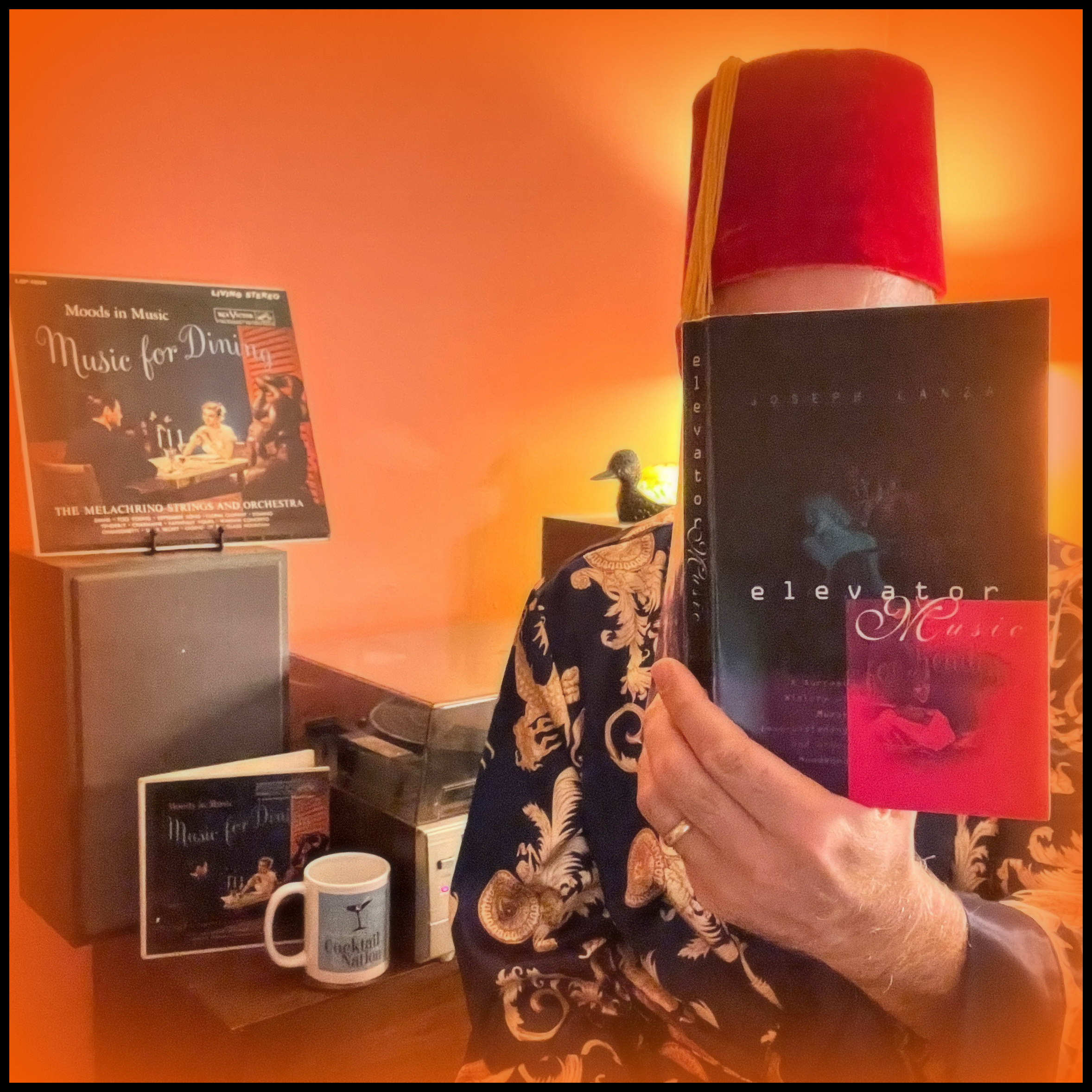
During the period of my discovery of the dapper vibe in the aftermath of the premiere of the 1996 film Swingers, I sought out a handful of touchstones to help me better understand this new and enchanting world. One I recall was Shawn Levy’s book on the Rat Pack, another was the Brian Setzer Orchestra. And one certainly was vinyl records, particularly those by the likes of Herb Alpert and the Tijuana Brass, Ray Conniff, Percy Faith and Jackie Gleason. For context and to better understand the era and the world into which these records were released I knew I needed a book on the subject. It didn’t take much research to learn that Elevator Music by Joseph Lanza was the place to start.
Joseph A. “Socks” Lanza was a New York labor racketeer and a member of the Genovese crime family…oh, wait. That’s another Joseph Lanza. Our Mr. Lanza has actually a fascinating bibliography, one that us vintage leisure types should explore. He has issued books on what he calls vanilla pop, one on psychedelic pop and also works on film like his book on the films of Ken Russell, one on the director Nicholas Roeg and one on the movie Texas Chainsaw Massacre. Add to these his many liner notes and he emerges as a cat many of us would like to sit and chat with.
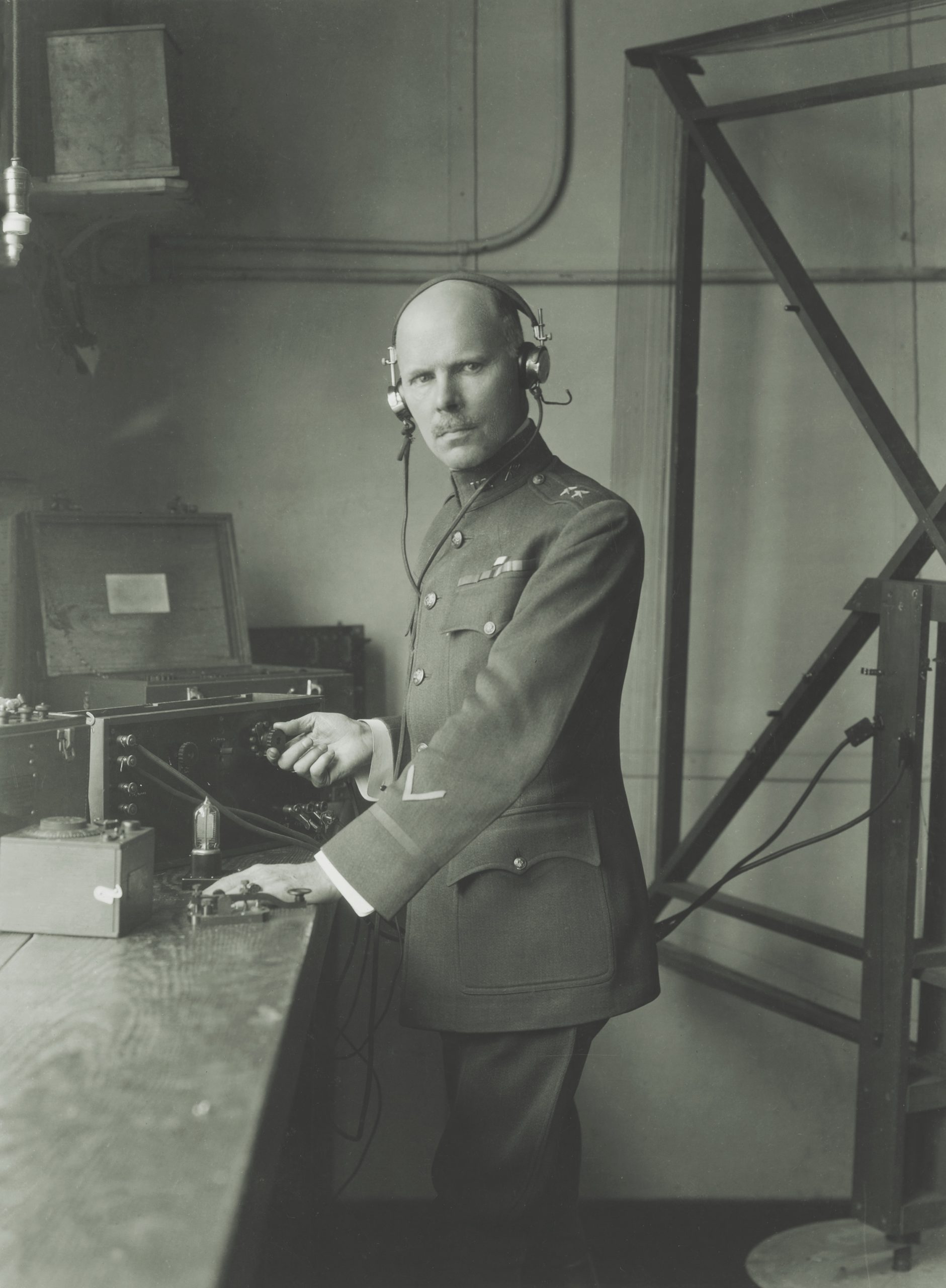
And Lanza’s Elevator Music is no less than required reading for those of us interested in the swank style of the middle of the last century. And Lanza doesn’t just talk about the Gleason records many of us own but instead presents a sociological study of music’s relationship with human psychology and everyday life. It may come as no surprise that the book begins with the author defending the music here to be discussed. He mentions the cultural prejudice that exists whenever easy listening is mentioned and laments the lack of honest musical appraisal. Lanza then gives many examples of the use of music throughout ancient times and the fact that it was often used not so much as entertainment but as mood-conjuring. And it is interesting when he speaks of Frenchmen Satie and Matisse and their desire for – get this – an art form without any nagging subject matter, something like an easy chair and from this was coined the term “furniture music”. The idea being that some music at least should be sensed more than listened to or even heard. Lanza then hips us to a 19th century novel that turns out to be the very epitome of a starting point for mood music. Edward Bellamy wrote Looking Backward 2000-1887, a book that describes a future with homes that have music for any and every mood piped in and this leads us to one Brigadier General George Owen Squier. Squier concerned himself with coming up with a link between entertainment and social engineering and created Muzak. In Elevator Music, Joseph Lanza provides a detailed history of the creation of Muzak and how it was linked with the military, the telephone and the radio. When Squier eventually sold his plans to AT&T, the reader learns that this “Muzak guy” also helped to revolutionize telecommunications. Some fascinating discourse here.
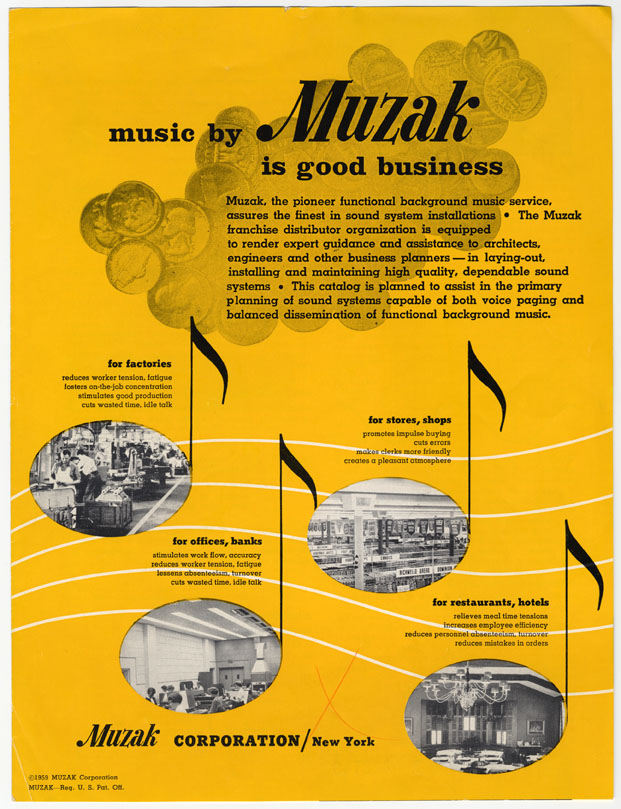
After some talk of the very deliberate sequencing of Muzak and later Seeburg music services, Lanza shares many of the studies done comparing workplaces that played music throughout the day to those that did not. There is talk of Muzak’s use in businesses like McDonalds where fast music was used to get customers in and out and also supermarkets where more placid melodies were employed to cause housewives to linger longer and buy more. It’s also mentioned that Muzak was used in hospitals to aid healing although there could be quote no loud musical peaks that would precipitate a fatal cardiac arrhythmia.
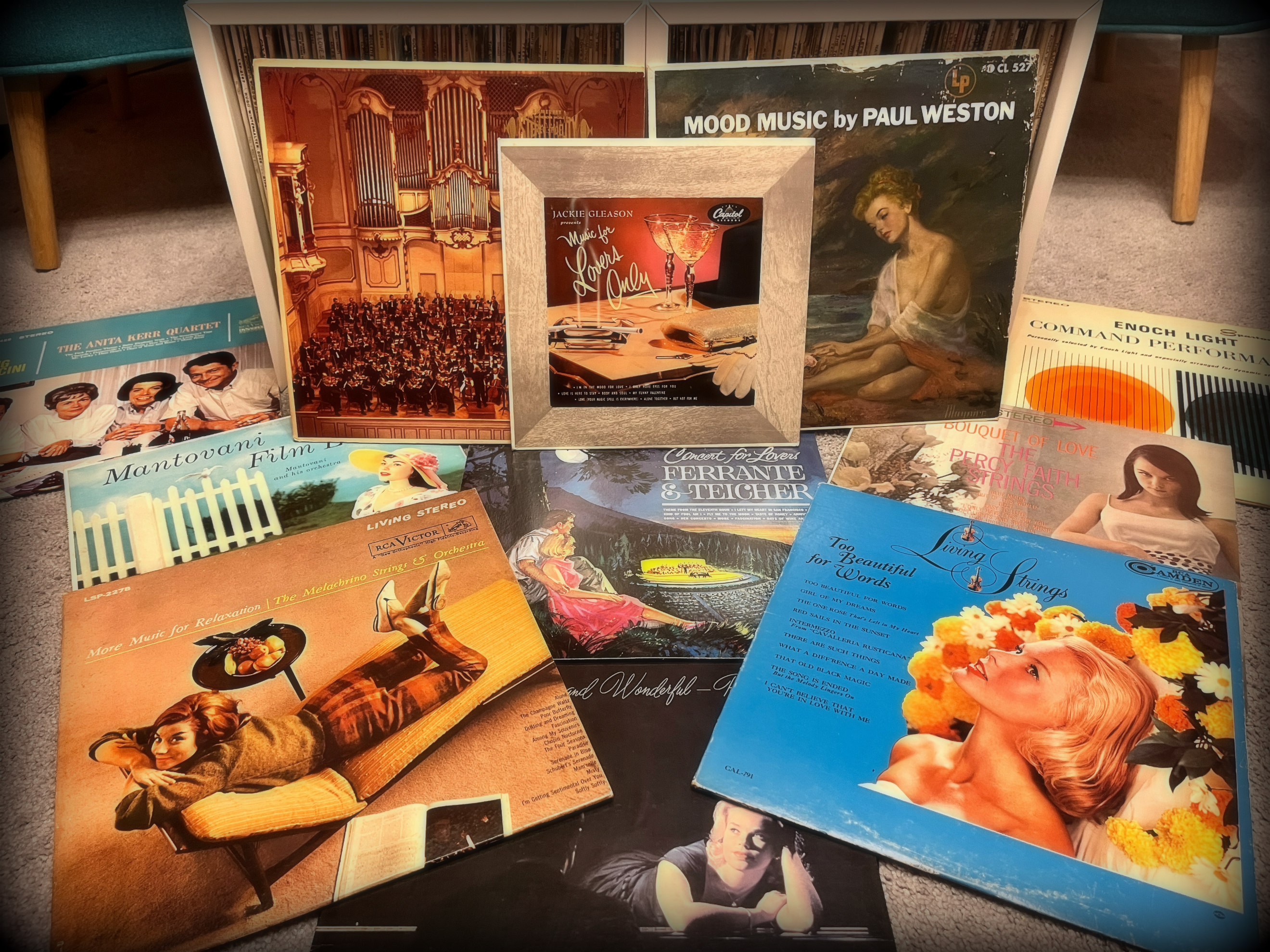
And then we get to the good stuff. Many of us living This Vintage Life through vinyl will eat up the chapter on mood music records and the men who made them; men like Paul Weston, Frank Chacksfield, Nelson Riddle and everyone’s favourite maestro, John Herbert “Jackie” Gleason. He later details the big orchestras of Mantovani, Andre Kostelanetz, George Melachrino, Toronto’s Percy Faith and large ensembles like the Living Strings, the 101 Strings and the Mystic Moods Orchestra.
Also of interest will be the chapter on beautiful music and the rise of easy listening FM stations. After a brief lesson on the advent of the frequency modulation signal or the FM dial, Lanza charts beautiful music programming and describes program director’s use of mood consistency and seamless seques intended to help the music travel with listeners throughout the varying moments of their days and evenings. And Lanza doesn’t just list various beautiful music stations and their playlists but he digs deep to describe the rise and fall of this format.
Later still it is no less interesting when Lanza tracks this music into the 70s and 80s, talking about Brian Eno and Angelo Badalamenti’s score for Twin Peaks and he then devotes a chapter to the ridiculously wonderful penchant that easy listening acts had for covering the likes of the Doors and Steppenwolf. And then Lanza thoughtfully adds a discography to the end of this fascinating book that is equal parts fun and self-aware but also scholarly and thoughtfully plotted and presented.


An interesting read, for sure. Thank you for sharing. I always enjoyed Muzak, and completely agree with the philosophy that ambient music affects the overall mood. I miss the easy listening format everywhere. Oh my, the mostly cosmetics store where I get my hair done – the music they play is highly annoying for this Baby Boomer. In fact, many of the retail stores give me the impression they don’t want my business, as the music they play is decidedly targeted to a much younger generation. It does send a message. Thank you again for this insight.
Such a fascinating topic that requires so much academic discussion. Fascinating to think that this music was so functional and served a specific purpose – and so thought-provoking to learn that it was designed to basically influence thoughts and feelings. Thanks so much for reading and commenting.