As an avid reader of liner notes, I used to always see Chris Blackwell’s name listed as producer of albums by Steve Winwood and his various bands. And as an avid fan of Winwood’s, I wondered who this guy was that Steve would trust at the dials. One day, I said, I will look him up. Well, that day has come and here is what I found. It’s quite a lot, actually, and very interesting.
It started in London in 1706. Jackson’s was a produce business that became West & Wyatt, who specialized in pickles and condiments and had royal commissions. In 1819, two apprentices came on board, Edmund Crosse and Thomas Blackwell, and these two eventually purchased the company in 1840 renaming it Crosse & Blackwell. The business grew exponentially until by 1930 they had plants the world over, from Buenos Aries to Toronto. In 1960, Nestlé bought the company and then finally in 2002, J.M. Smucker took over US operations for the brand.
Meanwhile, in Jamaica, through the 18th and 19th centuries, there was a family named Lindo. They were Sephardic Jews who settled Jamaica and down through the generations they were merchants, slavers, traders, industrial planters, politicians and businessmen. Eventually the family business owned untold acres of land in Jamaica and Costa Rica including “vast sugar, coffee and cocoa estates, lumber and flour mills, breweries, ice-making and aerated factories”. The Lindo men married well and had scores of children.
Percy Lindo was born in Falmouth, Jamaica in 1877. In 1903, Percy married Hilda Violet Lindo – his cousin; both were descendants of the substantial Lindo family. Their son, Roy Lindo, was born in Jamaica in 1910. He and his brother, Frederick, took control of J. Ray & Nephew Ltd, makers of Appleton Rum, continuously in production since 1749 and Wray & Nephew 17 Years, a rum that later had a hand in 1950s tiki culture when Trader Vic’s used it to create the mai tai. Roy owned several thousand acres of land in the Oracabessa area of Jamaica. In the 1940s and later in the 50s, he sold parcels of land to Ian Fleming and Noël Coward. More on this later.
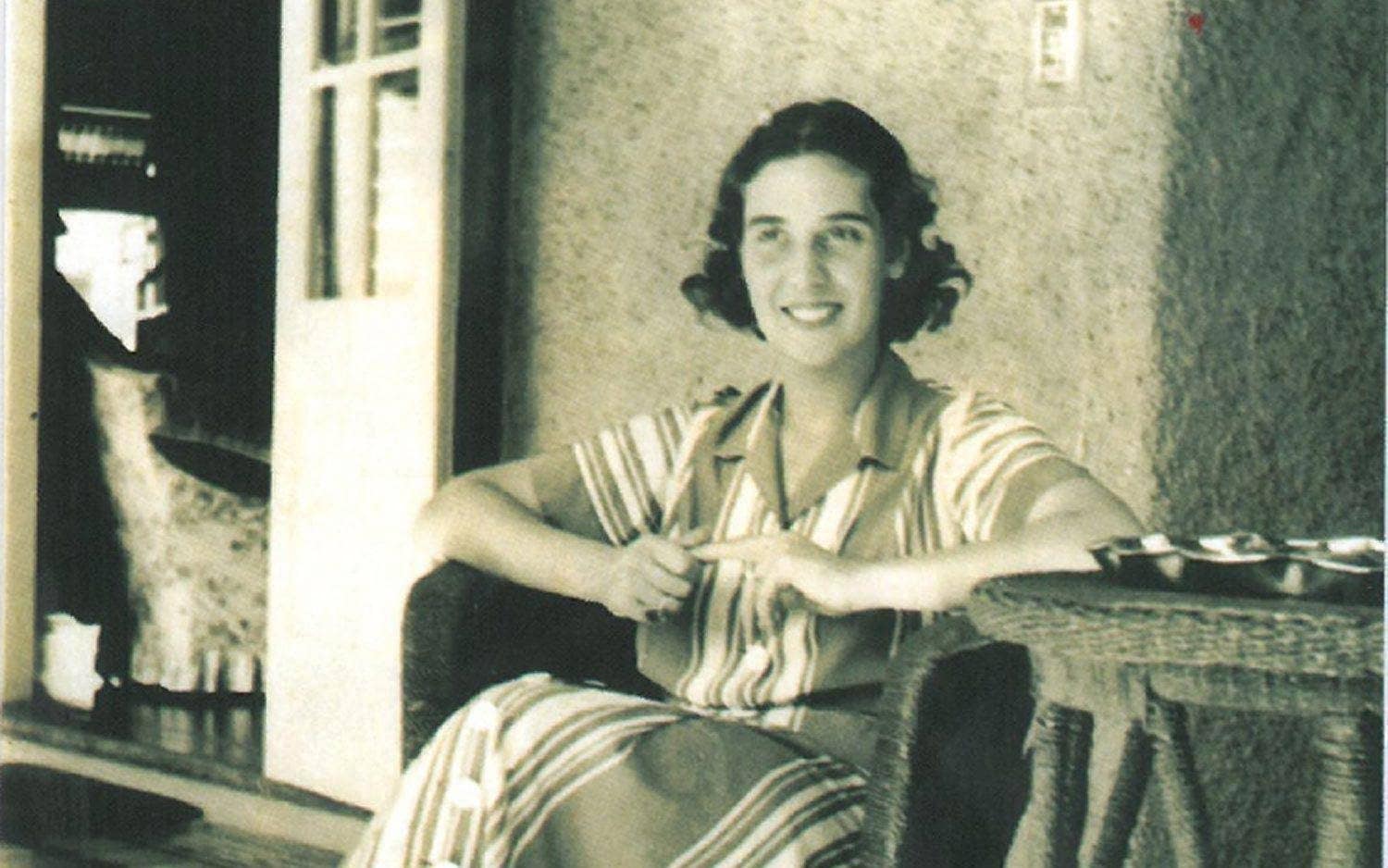
Percy had worked in the family business abroad in Costa Rica and it was here that he and Hilda welcomed their second daughter and third child, Blanche. As a teenager, Blanche went to finish her studies in London and there she encountered Crosse & Blackwell heir Middleton Joseph Blackwell. They fell in love and were married in 1936. The following year they welcomed their only child, naming him Christopher Percy Gordon.
Chris Blackwell, then, comes from pretty substantial stock and – if he had had a mind to – he could have coasted through his life living off the work of both of his families. But, as we will see, he lived anything but an idle life. He was born in Westminster but spent his childhood in Jamaica, the island nation settled by his mother’s family. He also spent his childhood sick with asthma and though his family was well-off, he grew up isolated, often confined to bed with his only company being maids and gardeners. Well, they weren’t his only company.
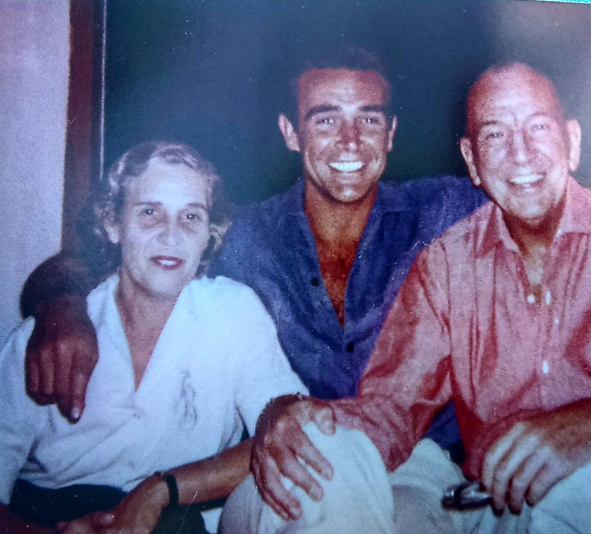
Joseph and Blanche threw lavish parties that were attended by the likes of Noël Coward, Ian Fleming and Errol Flynn. In his memoirs, Flynn says he was absolutely smitten with Blanche and considered asking her to marry him – though both of them were already wed to others. Flynn, actually, was a big influence on Joe and Blanche’s son – he taught him how not to live. Young Chris watched Flynn’s excessive alcohol intake and decided booze was not for him. Additionally, he says that, considering his asthma as a child, he grew to have an early respect for health. Once when his dad told him he was a man now and could pick his liquor, Chris says he chose whiskey and was disgusted by it. These early experiences have allowed him to soberly navigate the excesses of the music industry without falling prey.
Sadly, Joseph and Blanche divorced in 1949 when Chris was still a child. Chris was sent to continue his education in London at Harrow School, founded in 1572, but he returned to Jamaica and worked for the island’s governor and later he moved into real estate and managing juke boxes, which served to introduce him to the island’s music community. And while Chris Blackwell was finding his way in the world, Blanche Blackwell was not sitting idle in hers.
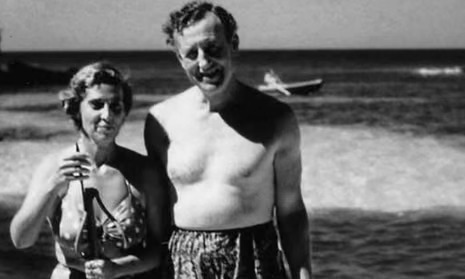
English playwright, fashion plate and bon vivant, Noël Coward, had also fallen in love with Jamaica as Errol Flynn had and he had purchased the Firefly estate from Roy Lindo and found himself a neighbour of Blanche’s. Also nearby was author Ian Fleming who had also made a purchase from Lindo, the Goldeneye estate, and Blanche found herself in the middle of a mad social swirl. She and Fleming did not like each other when they first met but soon a relationship blossomed. As the Fleming marriage crumbled, Blanche and the Bond writer began a heated affair. Blanche became Fleming’s muse and he used her as inspiration and a model for Pussy Galore. Fleming’s wife, Anne, harboured vicious loathing for Blanche, her husband’s “Jamaican wife”, and, when Fleming died in 1964, Blanche was barred from the memorials. She continued to keep watch on the Goldeneye estate for Fleming’s son, Caspar, until the younger Fleming committed suicide in 1975. With the estate sitting dormant, Blanche reached out to her son. Stay tuned for more on that.
In 1958, Chris Blackwell and two friends were sailing around Jamaica when their boat ran out of gas on the coral at a remote part of the island. Lost and in need of hydration, Chris went walking looking for help. With panic soon to set in, Chris came upon a fishing hut belonging to a Rastafarian fisherman. Now, in the 50s in Jamaica, Rastafarians were considered dangerous and very anti-white people but Chris was desperate. He asked the Rasta for water which Chris guzzled and promptly fell asleep. He awoke in the darkness surrounded by 8 Rastas who were all reading from the Bible. They nourished him with the ital food favoured by the Rastafarian people and eventually he made it back to his friends and family. The experience changed his life; men he had been told were a danger to him had helped him and he had seen first-hand the Rasta way of life.
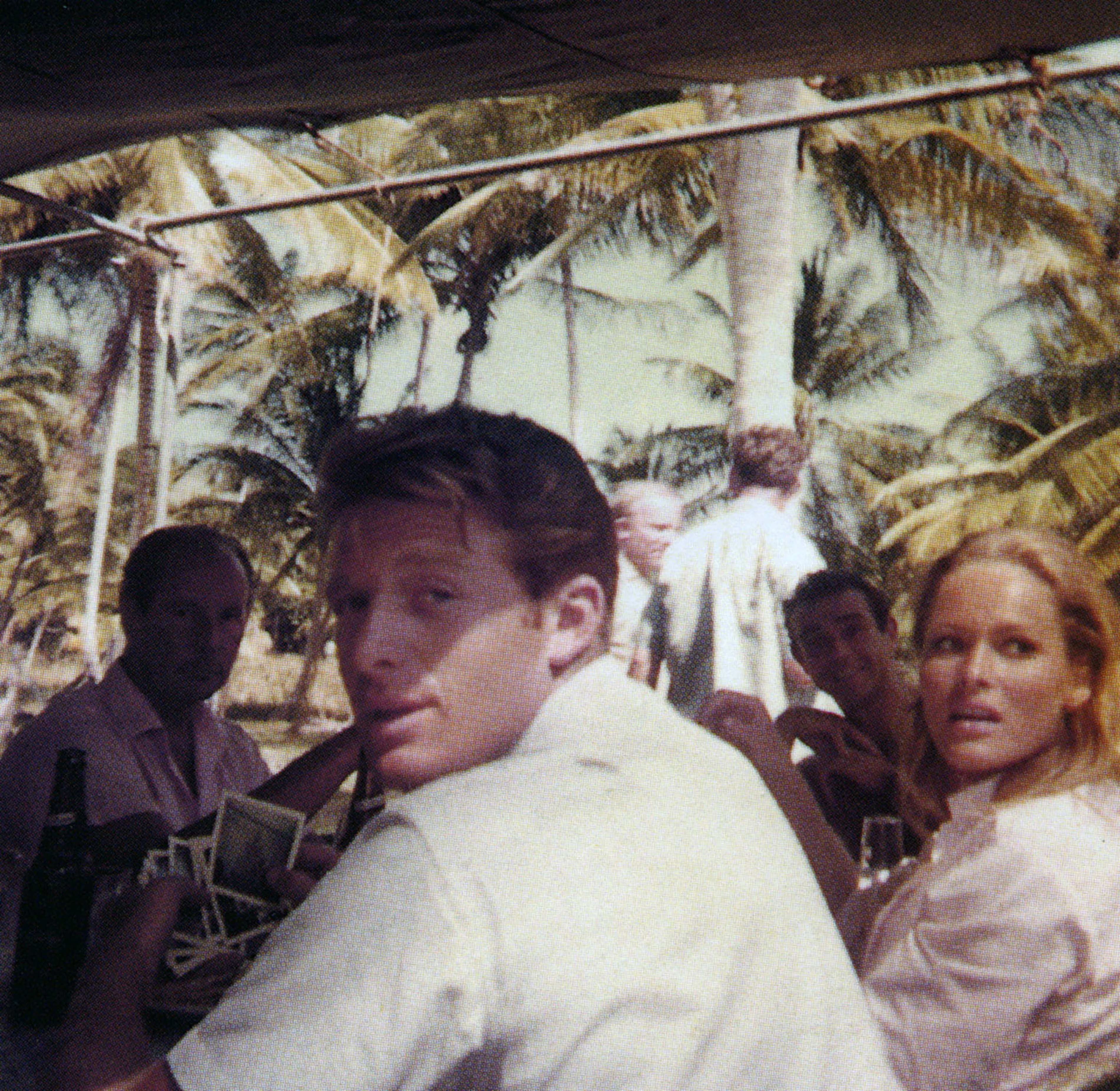
In 1959, Blackwell’s parents gave him $10,000 to start his own record label which he christened Island, borrowing from the Alec Waugh novel Island in the Sun. He also traveled to New York City and hung out with jazzbos. And not just any jazzbos; Miles Davis, John Coltrane and Cannonball Adderley. Chris says Miles took a liking to him “which was strange, because he wasn’t very fond of white men”. Chris was comfortable enough to ask Miles why he played so many “bad notes” to which Davis replied that he simply played what he heard in his head. Returning home, still trying to find his footing, Chris began recording some local talent, and he also took a job as a location scout and production assistant for the first James Bond film, Dr. No – it is no wonder Chris was called upon for this job considering his mother’s connection to Ian Fleming. Chris turned down an offer of employment from Bond producer Harry Saltzman and instead found his first success as a record man through a 17-year-old Jamaican singer named Millie Small. Chris had Millie record “My Boy Lollipop” – in a mid-tempo ska style – and the song was a major hit selling 7 million copies along the way. Chris Blackwell’s career as a record mogul had begun.
Blackwell then heard a young white guy sing like “Ray Charles on helium”. Stevie Winwood was the teenaged prodigy who anchored the Spencer Davis Group, signed by Chris to Island Records. The Birmingham group had several hits in the UK and the US and Chris and Steve became lifelong friends and colleagues. Steve Winwood was there at the beginning and he was in many ways Island’s flagship artist. From this successful foundation, Chris Blackwell built Island into one of the most prolific and formidable labels in the world. The Island chief was known for leaving his artists alone and sticking by them when their records weren’t selling. The list of acts on the label is impressive; Winwood’s next band, Traffic, Emerson, Lake & Palmer, Jethro Tull, Cat Stevens, Free, Roxy Music, Robert Palmer, the Buggles and – very importantly for me – Tom Waits and many, many others.
“Steve Winwood was really the cornerstone of Island Records. He’s a musical genius and because he was with Island all the other talent really wanted to be with Island.”
– Chris Blackwell during his induction speech, Rock & Roll Hall of Fame, 2001
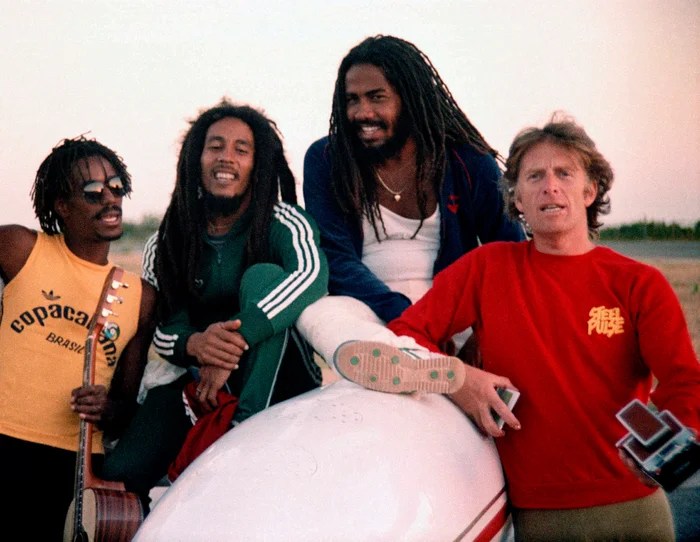
Blackwell, though, may be best known and most loved for giving the world Bob Marley. Chris financed Bob’s breakthrough album and made the canny decision to market the outfit as a rock band and to push Nesta to the forefront as a star; both moves proved not only successful but monumental and musically historic. Blackwell then did much to flood the world with reggae, signing a plethora of artists to Island and also by moving into movies, producing the Jimmy Cliff vehicle The Harder They Come. Chris Blackwell had a personal investment in reggae music owing to his family’s heritage on Jamaica but also to his life-saving and eye-opening encounter with Rastafarians.
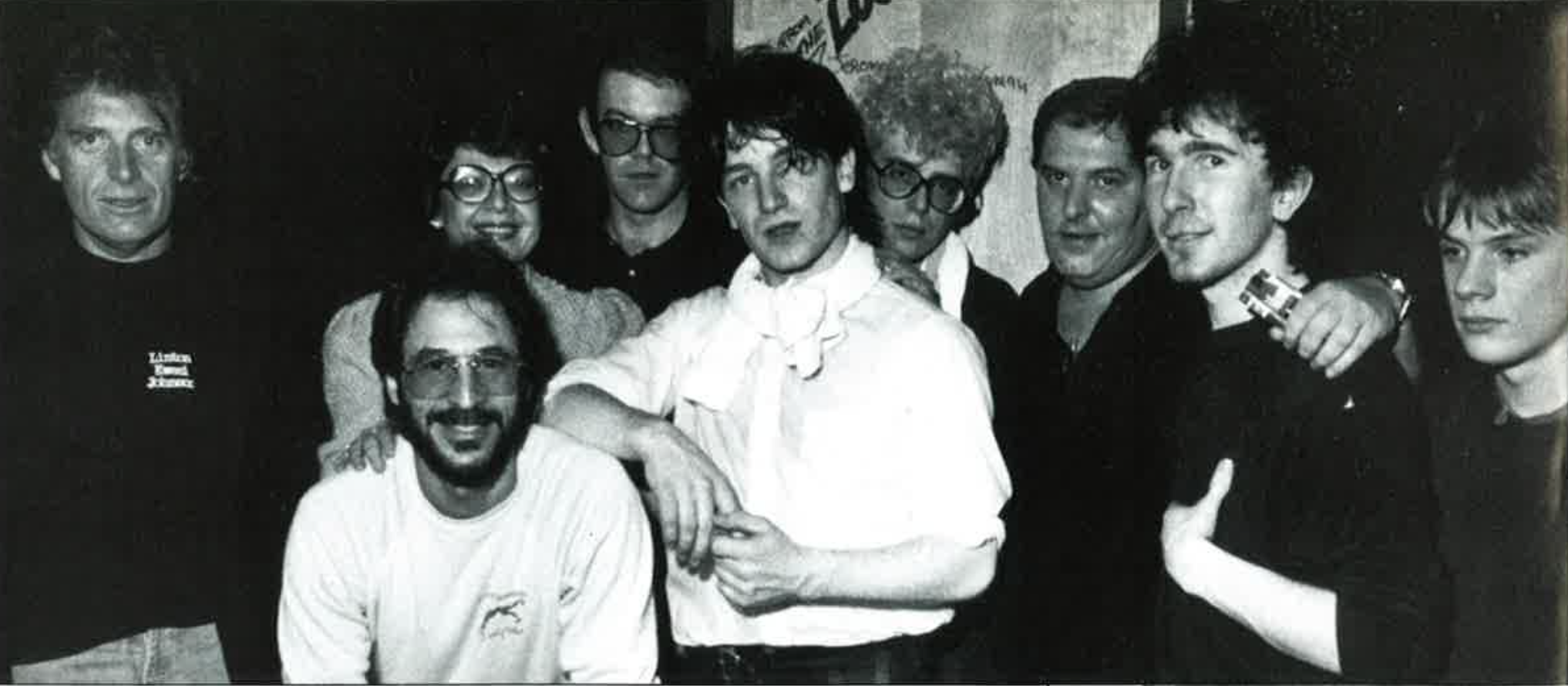
Later in the 70s, Chris was called to a pub in Ireland where he heard U2 and while he was not crazy about their sound – he says he was more into black music – he thought the boys were smart and had a good manager. Blackwell signed them to a 4-year, 4-album contract and the band gradually took off. The band and the mogul formed a bond; during the band’s ascent, when they were still in arrears to Island, Chris offered to put up Bono and his wife, Ali, on his tropical estate for their honeymoon where Bono spent time with Blanche Blackwell. Later when U2 was in full flight, it was Island who was struggling. Blackwell couldn’t pay all the royalties the band was due and instead offered them a stake in the label – a gesture that proved much more lucrative to the band in the long run. Eventually though it was U2’s massive success that made Chris Blackwell want to step away. U2 eventually made Island much bigger than Chris wanted and he eventually made plans to sell his label. He did so for $300 million to Polygram UK Group. Blackwell stayed on as CEO but he soon tired of life in the corporate world and bowed out. Chris Blackwell had other worlds to conquer.
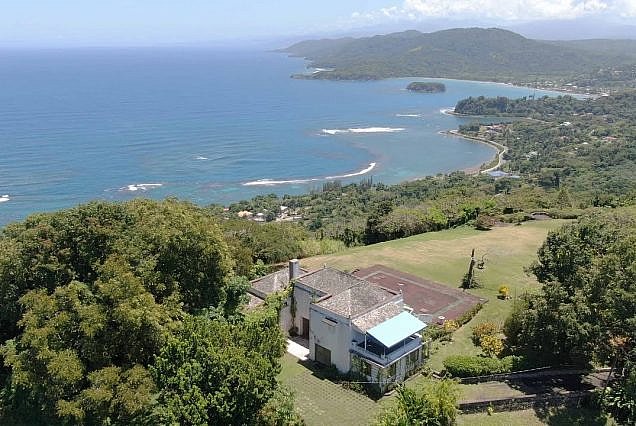
Chris’ mother, Blanche, encouraged her son to buy Goldeneye, the old Fleming estate on Jamaica, which he did in 1976. At first it was just his home, a place he invited his friends. Like Sting, who wrote “Every Breath You Take” there and Steve Jobs who celebrated his 29th birthday there. Now it is run as a resort and you can stay in one of the tropical buildings. There are many one- and two-room villas – including the Strangways and Honey Chile – and your one-night stay will run you anywhere from $1900 to $3400.
Most of what you will read about Chris Blackwell is positive but, inevitably, you will find someone who had a run-in with him. Jimmy Cliff released a song about Blackwell called “No. 1 Rip-Off Man” but they have since made up. And Linton Kwesi Johnson is a former Black Panther and “radical dub reggae poet” who slammed Blackwell in the early 70s, claiming that Chris was simply perpetuating his family’s problematic past as slave owners. A few years later, Johnson and Blackwell met and Johnson changed his tune – imagine that; actually meeting with the man and engaging in discourse proved enlightening. Johnson eventually publicly praised Chris for bringing reggae to the masses, saying the mogul had “done Jamaica a great service, and he should be respected for that”.
“You see, Island Records never had a lot of hits,” Blackwell explains. “We just had a lot of things that sold forever.”
More recently, Blackwell was involved once again with a James Bond film. After having worked on the first film in 1962, Chris bookended a specific Bond cycle by working with producers of the “last” (sort of) Bond movie, No Time to Die. When the Bond company came to Jamaica to shoot, Chris provided his Blackwell Rum for use on set and on film in Bond’s Jamaican hideaway.

Chris sure had a prescience when it came to artists and their work but he didn’t get it right every time. He saw a very early Pink Floyd perform live and didn’t make a move on them, thinking them “the worst thing I ever saw in my life”. He met a young pianist named Reg Dwight but the kid was so self-conscious Chris thought he could never become a vital performer. The kid did alright though after changing his name to Elton John. And Procol Harum courted Blackwell and played them their unreleased song “A Whiter Shade of Pale”. Chris thought radio would balk at its five minute run time and he hated the use of the word “fandango” in the lyrics. Blackwell can laugh at himself now and says “I have no regrets”. Shoot, I guess not.
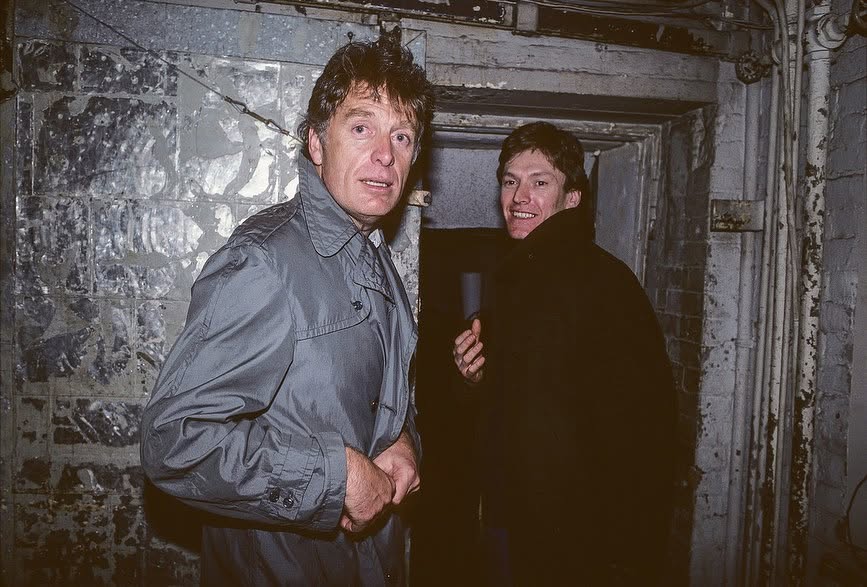
It was just casual interest that lead me to read about Chris Blackwell. But as his story rolled out, I was frankly shocked that one guy could be present in so many worlds. That one guy could have had a hand in so many notable music careers. Easily in an elite group with Berry Gordy and Herb Alpert, Chris manages to still stand out from his fellow moguls. I have spoken before about my practice of cultural appreciation, about my tendency to be fascinated by other cultures and to ingratiate myself into them even though I really don’t belong. I have used Hawaii as examples in the past; how cool I thought it was that Elvis Presley’s character in Blue Hawaii, Chad Gates, was a haole boy from the mainland and, similarly, surfing legend Laird Hamilton recalls his days as the only blond-haired, blue-eyed kid in the water at Oahu. Chris Blackwell was a white Englishman who grew up in Jamaica and immersed himself in the culture; it was his culture, too, after all. He preferred black music and was no stranger to that way of life. He championed reggae, a music of Jamaica and one closely aligned with an Afro-centric religion. A white Englishman, he has made his home in Jamaica. While the more cynical among us may like to force his contribution into a “white saviour” or white champion narrative, others more clear thinking will see that he has always pursued what he has loved and promoted those artists he believed in.
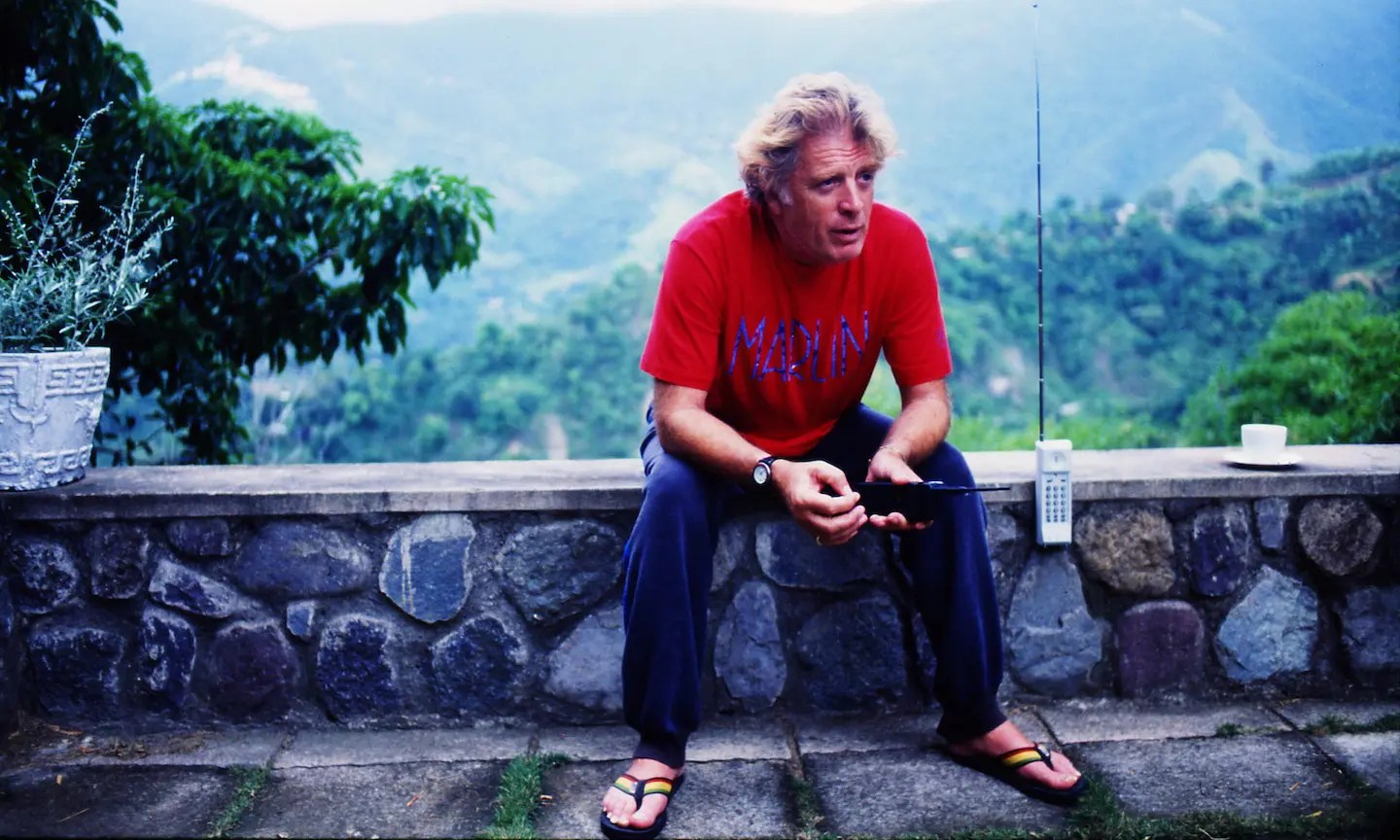
Plus the guy is super cool. He has blazed his own trail and followed his gut at all times. Even when the Bond guys came calling for No Time to Die he was hesitant; he was not overawed but instead worried that they would “f*ck up his brand”. He had an eye for business and for sales but also for the real people signed to his label, fostering an atmosphere of support and creativity free from restraints that others may have had to overcome. And for me personally, I have an affection for Chris not only for the way he lives his life in his golden years but also because of the part he played in three of my life’s major, cultural pursuits; Steve Winwood, Tom Waits and James Bond. This article almost collapsed under Blackwell’s weight, actually. I became distraught and overwhelmed because I knew it would be a daunting task – short of writing his biography – to present the mogul in all his glory. I ran across so many articles on Chris in which he proved so quotable and came across so cool.
The impetus to see it through may have came half way in to my research. I wondered if there was a book out there on Chris Blackwell and found there is, his autobiography, The Islander. It was three days later (I checked) that I was in my local record store and there was Chris’ book, just sitting there waiting for me to find it.
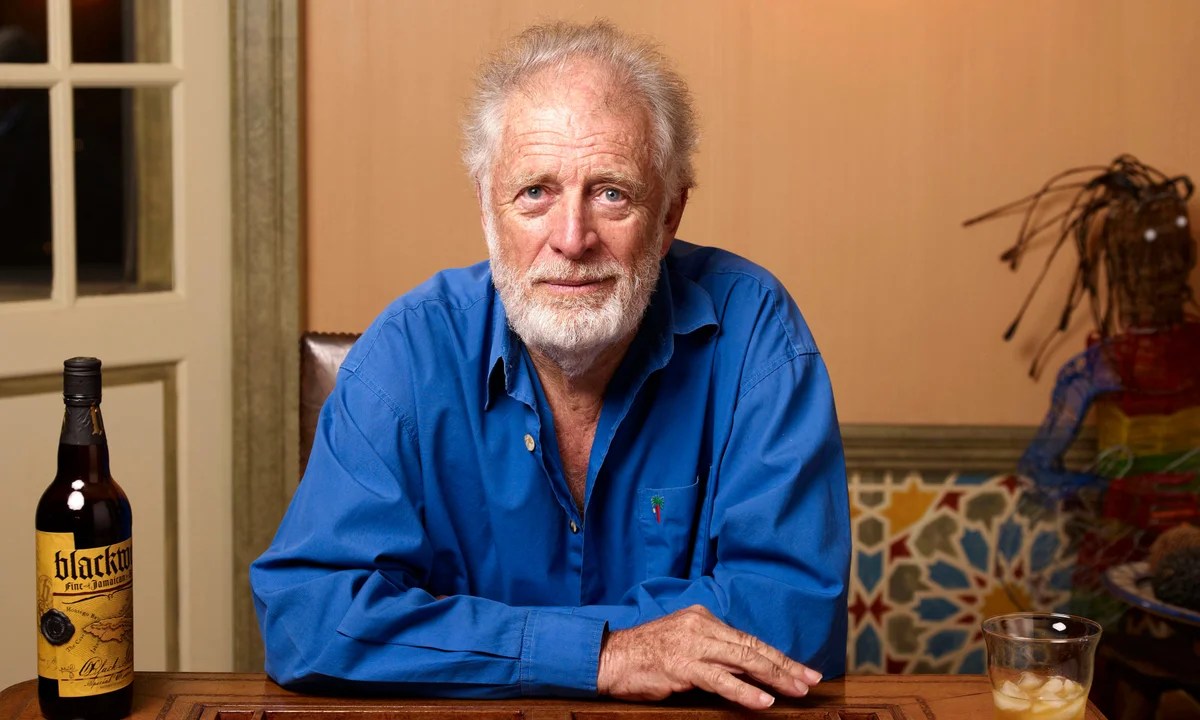
Fascinating family history, his mom and Ian Fleming, growing up with Errol Flynn in Jamaica, championing the music and the artists of his island home, running his own label, owning a piece of Bond history. Chris Blackwell is quite a guy.
Further Studies
Chris Blackwell: The Barefoot Mogul – Men’s Journal/Web Archive (2013)
Chris Blackwell’s Mom, Blanche, Passes at 104 – Jamaica Observer (2017)
Island Records Founder Chris Blackwell: I’m Interested in What’s Different – The Guardian (2022)
On This Day in 1945 – Bob Marley Was Born in Nine Mile, Jamaica – Hot Press (2020)
Rum Magic: The Tangled Story of James Bond, Jamaica and a Visionary Record Label – Daily Maverick (2021)

