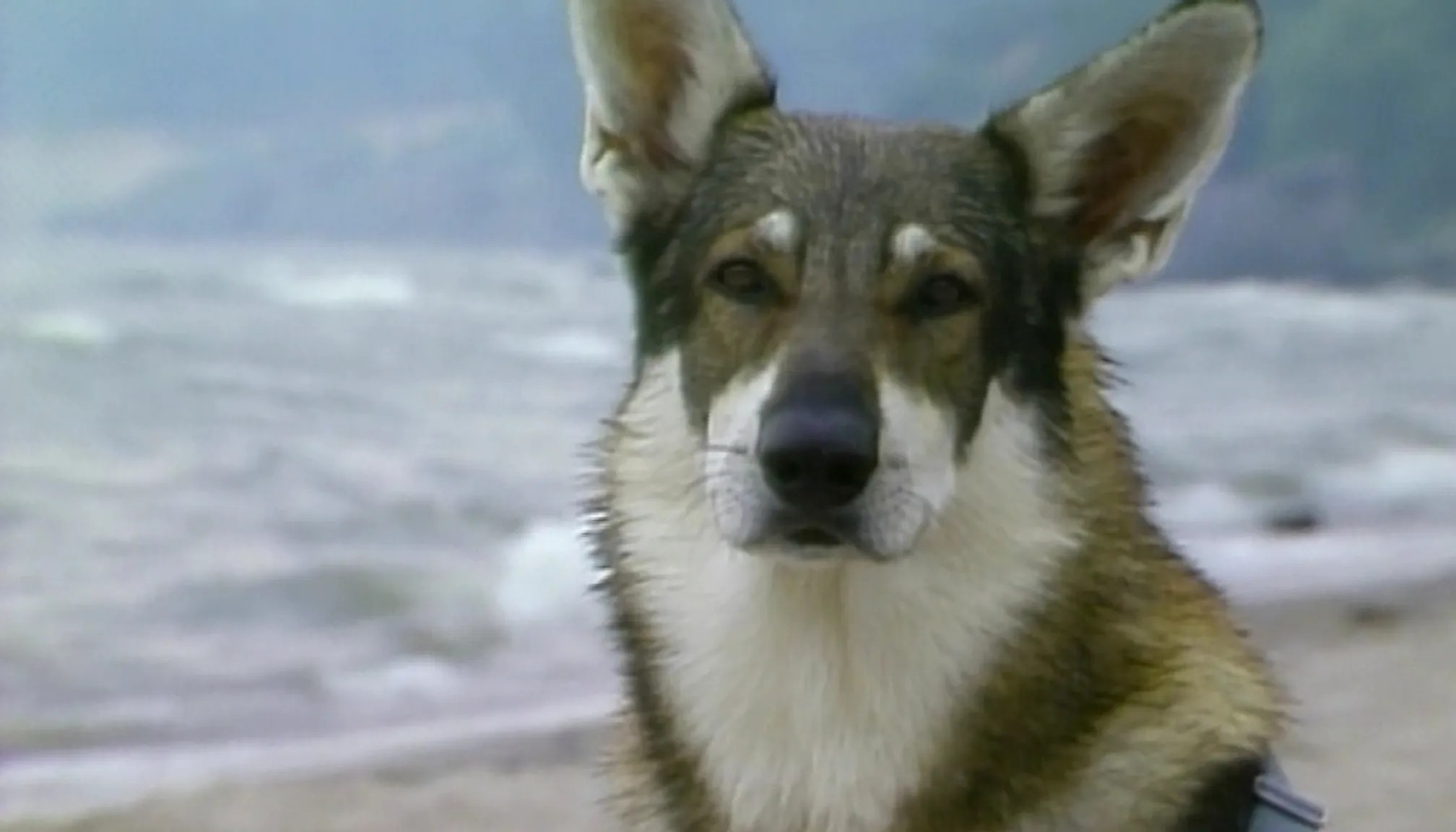
The other day, I was up at 5 in the morning watching The Littlest Hobo – as I’m sure you all were. In this episode of the beloved Canadian TV series that ran through the early 1980s, right away it looked to me like they were shooting at Canada’s Wonderland, a theme park situated at the north end of the Greater Toronto Area. This intrigued me and I kept watching and, sure enough, they were. I was seeing guest star Joanna Pettet walking around the Canada’s Wonderland I remember from my youth – the park opened in May of ’81 and this episode was filmed in the fall of that year.
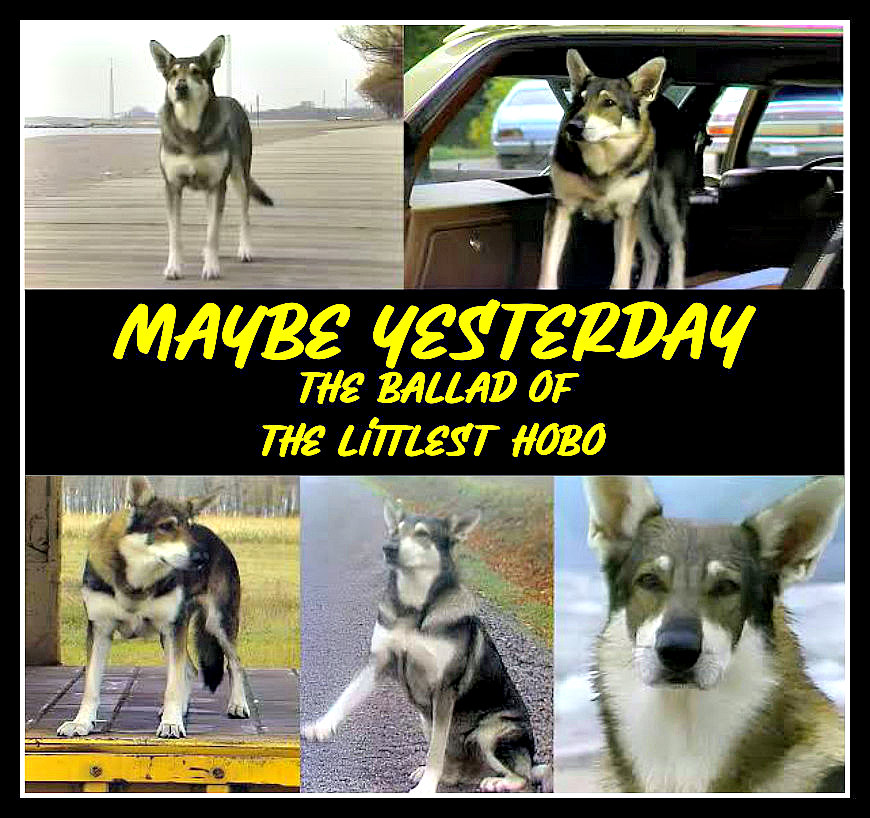
Every time I catch pieces of this old show on TV – at the crack of dawn or not – it takes me right back to my childhood. Later, as a teenager, all my friends remembered the show and we would gently make fun of it but, heck, we all loved it for its nostalgia and its homegrown nature. The show is about a German Shepherd who roams around the countryside helping people out and moving on and after that morning watching the hobo look after Joanna up on Wonder Mountain, I thought I would look into the show to see if there was a story there. Doggone it, there sure was. And here it is.
Rin Tin Tin was a German Shepherd who was rescued from a World War I battlefield in France by American soldier Lee Duncan who trained the dog. Dang it, but Rinty became a movie star and, like many movie stars, he transitioned to television in the 1950s with his own show, The Adventures of Rin Tin Tin. Hugh Hooker was an agent at the time who thought that he would be in on the dog’s TV show and would benefit from its success but Hooker claimed in a lawsuit that he had been told that the show would not be made and was frozen out when it did indeed hit the air. Hooker missed out on Rin Tin Tin and so he found his own dog.
Now, let’s meet Chuck Eisenmann. Chuck was a ball player who began his career as a pitcher playing military ball at Schofield Barracks in Honolulu where he was spotted by scouts for the Detroit Tigers who arranged to have him move Stateside to play in their organization. Chuck never made the bigs but spent years as a journeyman minor leaguer who played for teams all over the States and Canada – including the Vancouver Capilanos and Ottawa Giants. As a second lieutenant in the Army stationed in London, England, Chuck organized baseball games for the Special Services Division. Then, back home in 1947, the enterprising Eisenmann became a night club owner and he bought his first dog, whom he named London in memory of the city in which Chuck had served with the Army. He trained London to count, spell and understand thousands of words. Inevitably, Chuck and London came to the attention of Hollywood and to Hugh Hooker, in particular.
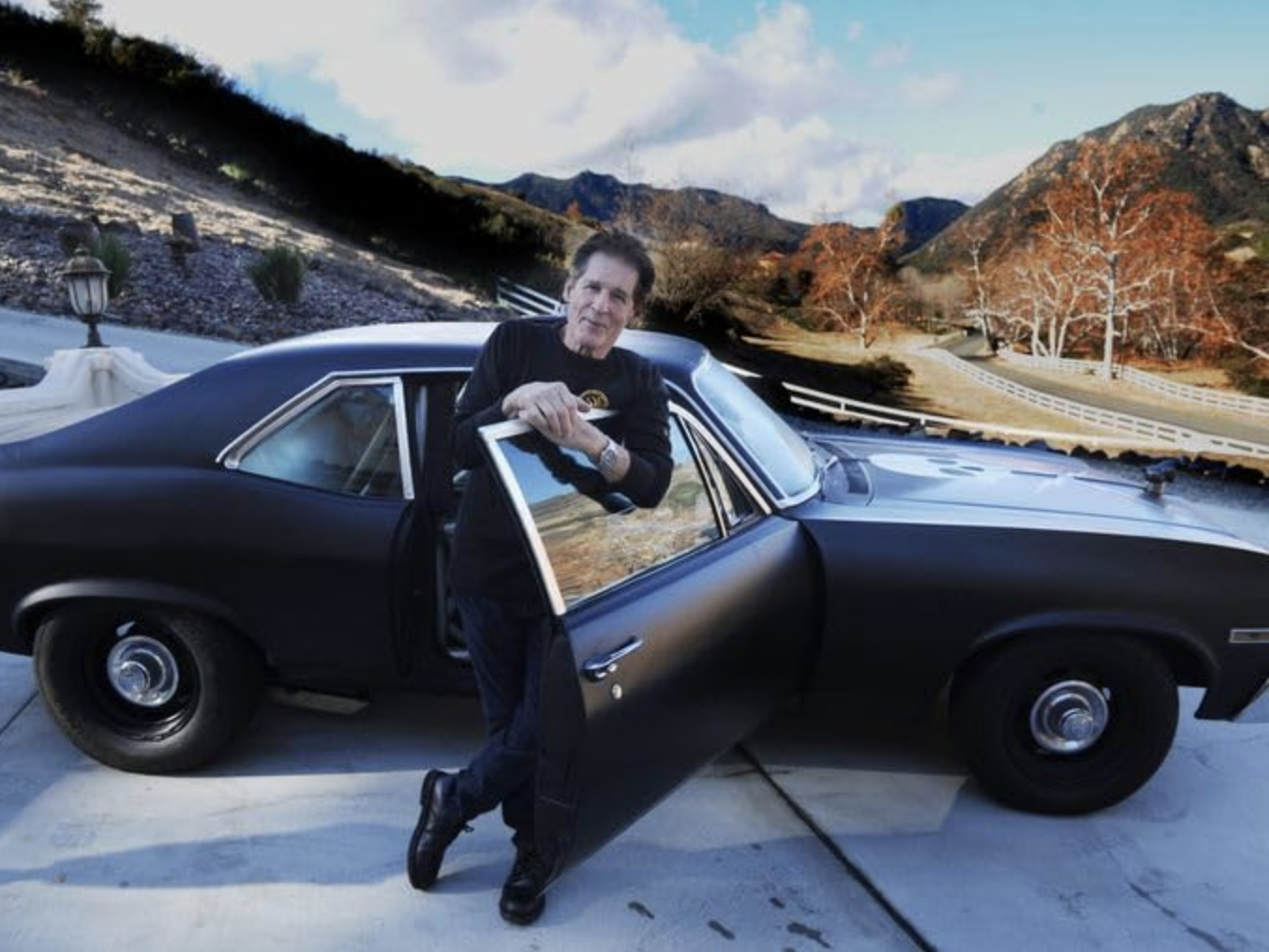
Hooker hired a B-grade screenwriter and a B-grade director to create The Littlest Hobo, a 1958 film that starred London as a – believe it or not – German Shepherd who rescues a lamb – played by Fleecie…you know; Fleecie? – from the slaughterhouse. The film stars absolutely no one you’d know except Hooker’s 16-year-old son, Buddy Joe. Here’s where I was fascinated to learn that Hugh Hooker became much better known as a stunt man who worked on many notable films as a much older man including Hooper, National Lampoon’s Vacation, Scarface and To Live and Die in L.A. And, yes, Buddy Joe is his son who enjoyed a long and illustrious career as a Hollywood stunt man. I always notice his name when I see it in the credits on one of his many jobs. He has gained a reputation as the go-to guy for vehicle stunts and has worked on scores of films, over 220, from The Omega Man and Westworld to Three the Hard Way and Close Encounters of the Third Kind, from Sharky’s Machine to First Blood and from Carlito’s Way, Waterworld, Mulholland Falls and Grosse Pointe Blank to Nic Cage’s Gone in 60 Seconds, Death Proof (Kurt Russell’s driving double), Django Unchained and Megalopolis (on which he worked with his wife, Gayle, an actress and stunt woman). As an actor, I’ve watched Buddy for years as Wally’s friend, Chester, on Leave It to Beaver (full disclosure; I didn’t know until this minute that was him) and he also can be seen in Take a Hard Ride, Miami Blues and Inglourious Basterds. Lastly, Buddy Joe was on an episode of The Dating Game on which he was chosen by bachelorette Farrah Fawcett.
Anyways, after the release of the film The Littlest Hobo, Hugh Hooker formed Littlest Productions with the intent to make movies about the littlest fisherman, giant, spy, clown, etc. but they never came to fruition. What did emerge, though, was a short-lived American TV series starring the dog, London, and featuring lower-light guest stars, some of whom I’ve encountered on my travels including Elvis Women Joan Freeman and Nita Talbot, old-time actors I’ve enjoyed like Madge Meredith, Keye Luke and Steve Brodie and one Darleen Carr, half-a-Canadian who is sister to Charmian Carr (The Sound of Music) and Shannon Farnon, an actress profiled here at Your Home for Vintage Leisure. But that ain’t the series we are concerned with today.
Never seen this version in my life
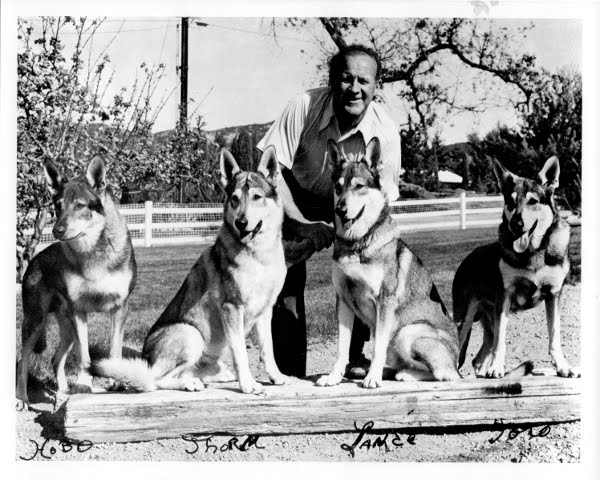
The Canadian version of the show ran for 114 episodes between 1979 and 1985. The original dog, London, had retired in 1966 and died at age 17 but before he went up to that dog park in the sky he gave Wilt Chamberlain a run for his money; London sired some 280 dogs, some also named London or Hobo, who would carry on their father’s acting tradition. For the series, Eisenmann used several different dogs to play the hobo, basing his choice on the setting and the action of the episode and the abilities needed for various scenes. This series was shot on videotape as opposed to film and featured London traveling the countryside and helping out the people he encountered. In this way, The Littlest Hobo is derived from many classic westerns in that his origin is not known – and never known – and, though people want to adopt him at the end of each episode, he is a wandering man and must hit the dusty road again. This also makes the show directly related to other shows of the Seventies that featured a lead actor and revolving guest stars in which the star would roll into town, become enmeshed in local intrigue and do his best to help out the populace before moving on again; think The Fugitive,Then Came Bronson, Kung Fu and The Incredible Hulk.
The show’s theme song is also iconic and much loved in this country. “Maybe Tomorrow” was co-written and sung by Toronto’s Terry Bush who had joined Toronto music legend Robbie Lane in Ronnie Hawkins’ band for a time before moving into jingles. Some in this country may remember one of his “greatest hits” – the jingle for the Commodore 64 commercials; “I adore my 64, my Commodore 64…”. Seems that Terry Bush did not make an attempt to cash in on the theme during the show’s run but recorded and released it on his debut album in 2000. The album, called Maybe Tomorrow, includes a song called “Dolly Parton”.
The Littlest Hobo would be nothing more than a cozy, little piece of vintage Canadiana barely even worth talking about were it not for the list of guest stars that appeared on the show. What, I always would ask myself, would make these stars travel above the 49th to appear in this little show with the dog? Sure, these actors were past their prime but the list is fairly impressive. It includes Andrew Prine (The Miracle Worker), Gary Merrill (Clambake, Then Came Bronson, Mr. Bette Davis), Cec Linder (one-time Felix Leiter), Patrick Macnee, Linda Day George, Clarence Williams III, Vic Morrow, Alan Hale, Jr., Monte Markham, Paul Burke, Barry Morse, Leon Ames, Nehemiah Persoff, Henry Jones, Abe Vigoda, Cameron Mitchell, Sheldon Leonard, Michael Cole (The Mod Squad), Morey Amsterdam, DeForest Kelley, James MacArthur, Jack Carter (Viva Las Vegas, Vegas comedian), Ray Walston, Donald O’Connor, Simon Oakland, John Carradine, Anne Francis, Carol Lynley, Martin Milner, Oscar-winner Dorothy Malone, Scott Brady and the lady we started with, Joanna Pettet who also has a place in the Tarantinoverse – she was a friend of Sharon Tate’s and had lunch with her the day she died. She is portrayed in Once Upon a Time in Hollywood by Rumer Willis.
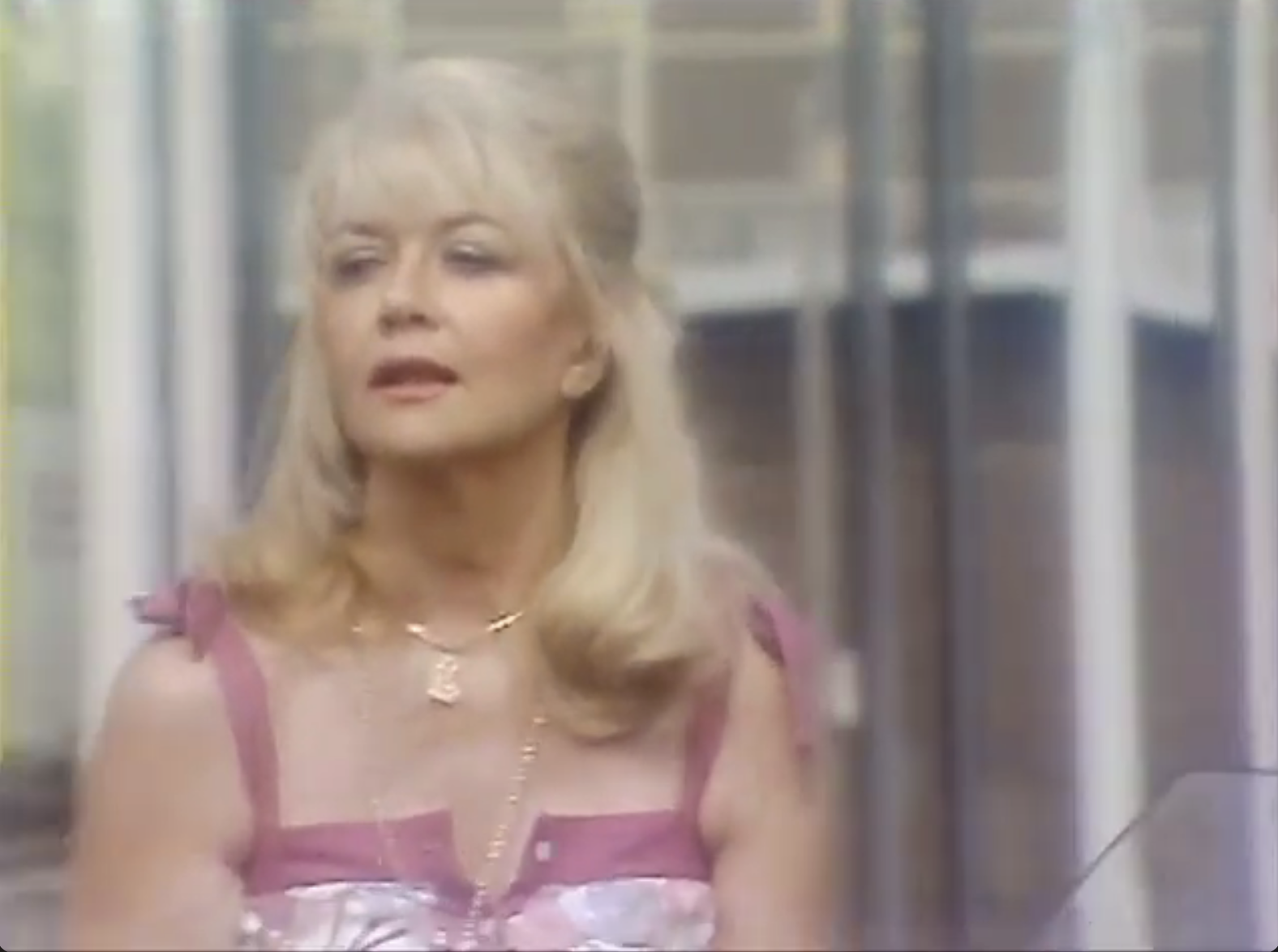
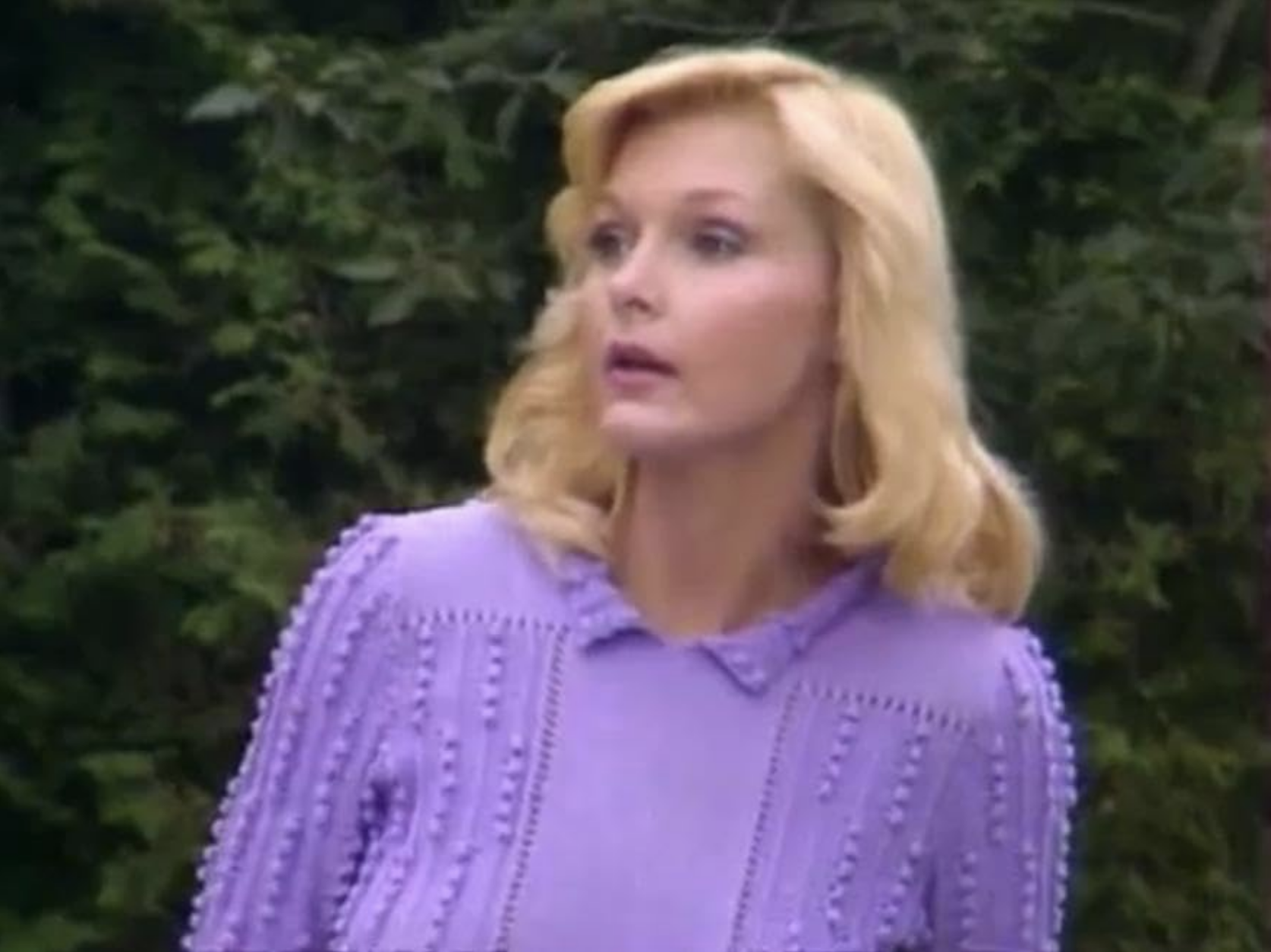
IMDb lists scores of guest stars and the above were joined through the years by a plethora of Canadian actors – Harvey Atkin (Eddie and the Cruisers II: Eddie Lives), Megan Follows (Anne of Green Gables), Billy Van (Hilarious House of Frightenstein), Tony Rosato (SCTV, Saturday Night Live), Al Waxman, who also directed, Leslie Nielsen, John Ireland, Michael Ironside (Top Gun), Nicholas Campbell (The Dead Zone, A Bridge Too Far), John Vernon (2 Clint movies), Saul Rubinek (True Romance), Gale Garnett (“We’ll Sing in the Sunshine”) and Mike Myers. Whew.
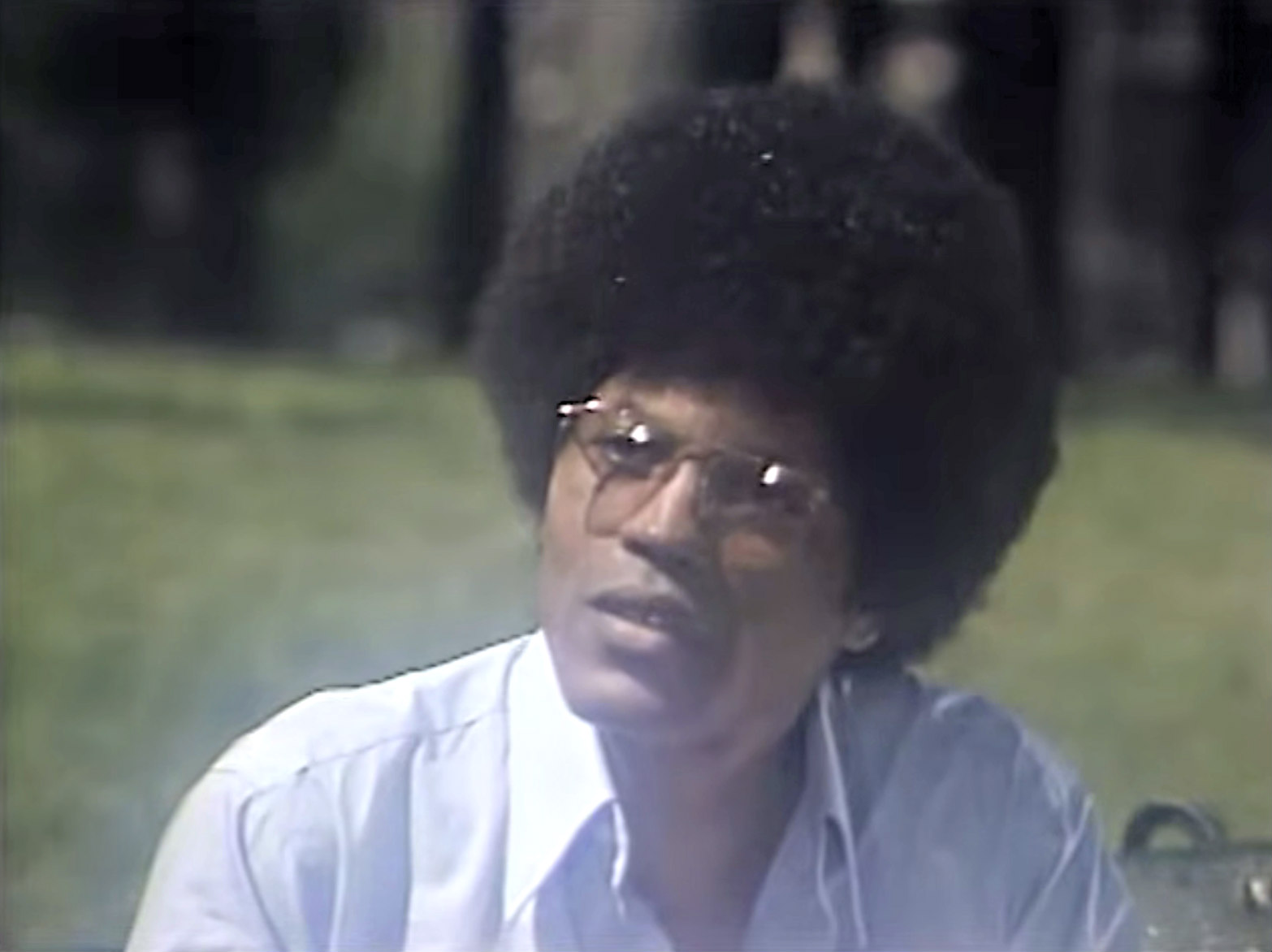
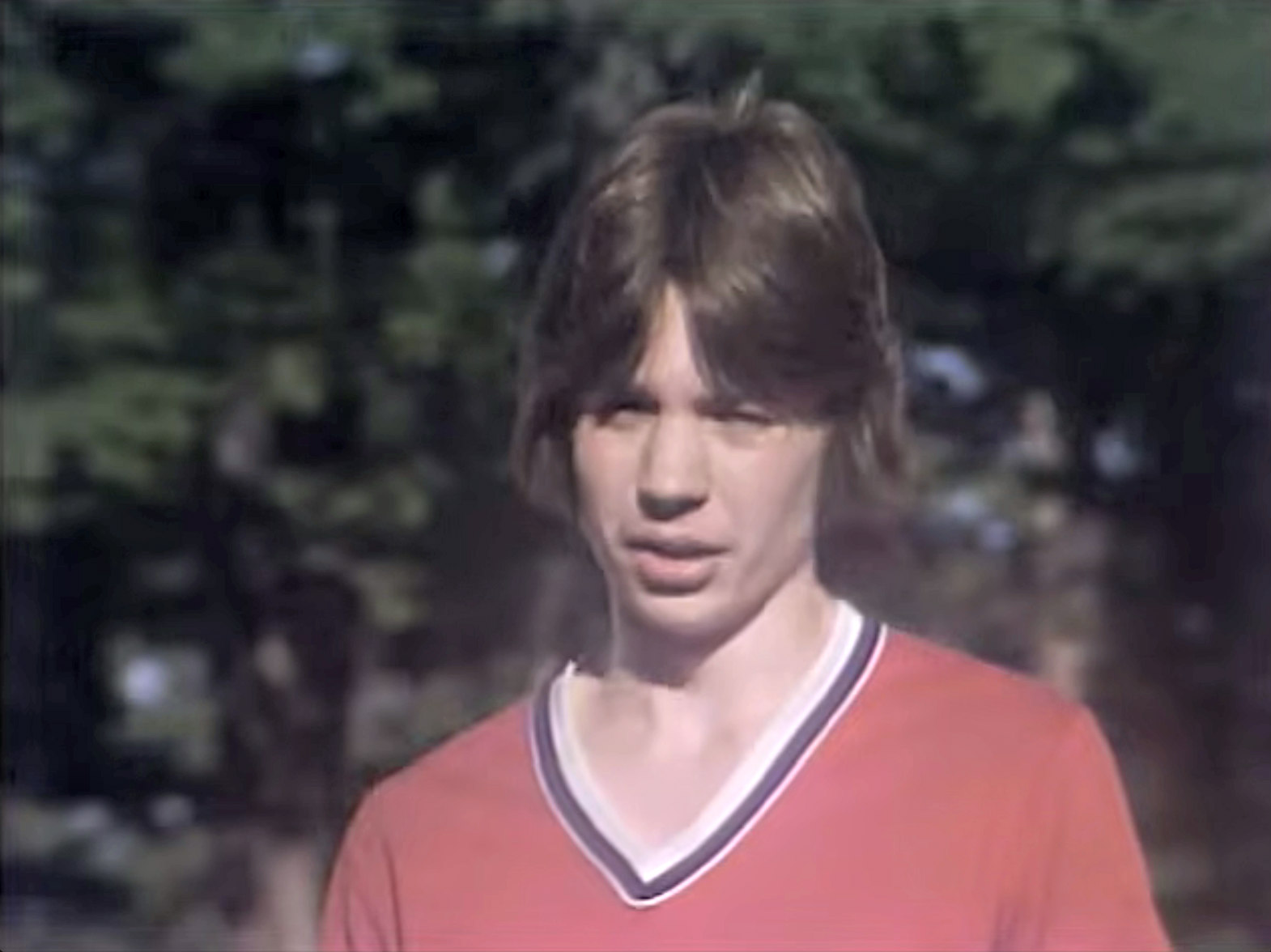
Originally seen on CTV Thursday nights at 7:30, The Littlest Hobo has aired in syndication ever since departing the airwaves in 1985. It played in England on the BBC and ITV and in the States it ran in various markets in syndication. It has been released on DVD and it looks like all episodes are available for viewing on YouTube at the Littlest Hobo channel. And just like every other entertainment property known to man, there has been talk of a reboot. In a June 2026 article at Deadline, it was noted that Seth Rogan’s company was indeed going forward with their reimagining in cahoots with Lionsgate Canada. We’ll see.
Seeing the reboot emerge may make many Canadians sigh with nostalgia – but will we watch it? For us, surely it is all about the original show. This remembrance of mine will no doubt resonate specifically with my fellow Canucks as The Littlest Hobo is lodged in most of our memories as a childhood comfort. The show was shot all over the GTA and seeing the episodes and recognizing the storefronts, street corners, buildings and parks, hearing the theme or seeing the opening titles will spark memories and bring that “mellow glow” so many of us spend our lives chasing. Maybe tomorrow, we’ll settle down but until tomorrow we’ll continue to remember yesterday. And The Littlest Hobo sure helps.